

A resource for those seeking information on organizing and transforming spaces.

How to Handle Repairs and Maintenance in a Rental Property?
Are you a landlord navigating the world of rental property management? One of the most critical aspects of maintaining a successful rental business is handling repairs and maintenance. From fixing leaky faucets to addressing major structural issues, maintaining your property in good condition is essential for keeping tenants satisfied and protecting your investment. In this beginner-friendly guide, we'll walk you through everything you need to know about effectively managing repairs and maintenance in your rental property. Whether you're a seasoned landlord or new to the game, we'll cover essential steps, tips, and best practices to ensure your property remains in top shape while fostering positive relationships with your tenants. So, grab your toolbox and get ready to learn how to handle repairs and maintenance like a pro. With our expert advice and practical tips, you'll be equipped to tackle any maintenance challenge that comes your way, ensuring your rental property remains a desirable and profitable investment.

Are you a landlord navigating the world of rental property management? One of the most critical aspects of maintaining a successful rental business is handling repairs and maintenance. From fixing leaky faucets to addressing major structural issues, maintaining your property in good condition is essential for keeping tenants satisfied and protecting your investment. In this beginner-friendly guide, we'll walk you through everything you need to know about effectively managing repairs and maintenance in your rental property. Whether you're a seasoned landlord or new to the game, we'll cover essential steps, tips, and best practices to ensure your property remains in top shape while fostering positive relationships with your tenants. So, grab your toolbox and get ready to learn how to handle repairs and maintenance like a pro. With our expert advice and practical tips, you'll be equipped to tackle any maintenance challenge that comes your way, ensuring your rental property remains a desirable and profitable investment.
Step 1: Establish Clear Communication Channels
The first step in handling repairs and maintenance is establishing clear communication channels with your tenants. Provide them with contact information for reporting issues and encourage them to notify you promptly if any repairs are needed. Clear communication helps prevent small issues from turning into major problems and fosters a positive landlord-tenant relationship.
Step 2: Conduct Regular Inspections
Schedule regular inspections of your rental property to identify any maintenance issues early on. Inspections allow you to proactively address issues before they escalate, saving you time and money in the long run. Be sure to notify your tenants in advance and respect their privacy during inspections.
Step 3: Respond Promptly to Repair Requests
When tenants report repair issues, respond promptly and prioritize urgent repairs. Addressing maintenance requests in a timely manner demonstrates your commitment to maintaining the property and ensures your tenants feel valued and supported.
Step 4: Hire Qualified Contractors
For repairs that are beyond your expertise, hire qualified contractors to complete the work. Research contractors carefully, obtain multiple quotes, and ensure they are licensed and insured. Establish clear expectations and deadlines for the work to be completed, and follow up to ensure the repairs are done to your satisfaction.
Step 5: Keep Detailed Records
Maintain detailed records of all repairs and maintenance activities in your rental property. Document the nature of the issue, the date it was reported, the actions taken to address it, and any associated costs. Keeping accurate records helps you track expenses, demonstrate compliance with legal requirements, and provide evidence in case of disputes with tenants.
Step 6: Plan for Preventative Maintenance
In addition to addressing repair issues as they arise, implement a preventative maintenance plan to keep your rental property in good condition. Schedule regular maintenance tasks such as HVAC servicing, gutter cleaning, and landscaping to prevent costly repairs and prolong the lifespan of your property's systems and components.
Step 7: Know Your Responsibilities Under Landlord-Tenant Laws
Familiarize yourself with the rights and responsibilities outlined in landlord-tenant laws in your area, including those specific to repairs and maintenance. Understand your obligation to provide a habitable living environment for your tenants and ensure you comply with any requirements related to repair timelines, notification procedures, and tenant remedies.
Step 8: Communicate With Tenants Throughout the Process
Maintain open and transparent communication with your tenants throughout the repair and maintenance process. Keep them informed of the status of any ongoing repairs, provide them with advance notice of scheduled maintenance activities, and follow up to ensure their satisfaction once the work is complete. Effective communication aids in setting expectations and reducing misunderstandings.
Step 9: Address Emergencies Promptly
In the event of emergencies such as burst pipes, gas leaks, or electrical issues, respond promptly and take immediate action to ensure the safety and well-being of your tenants. Provide them with emergency contact information and instructions for how to respond in case of urgent maintenance issues outside of regular business hours.
Step 10: Conduct Periodic Property Evaluations
Periodically evaluate the overall condition of your rental property to identify any areas that may require attention. Look for signs of wear and tear, damage, or potential hazards, and take proactive steps to address them. Periodic evaluations help you stay proactive in maintaining your property and address issues before they become major problems.
Final Thoughts
Effectively managing repairs and maintenance in your rental property is crucial for both tenant satisfaction and protecting your investment. By following the steps outlined in this guide, from establishing clear communication channels to prioritizing preventative maintenance, you can ensure your property remains in top condition while fostering positive relationships with your tenants. Remember to stay informed about your responsibilities under Florida rental laws, as compliance with these regulations is essential for maintaining a legally sound and fair landlord-tenant relationship. By investing time and effort into handling repairs and maintenance proactively, you can minimize disruptions, reduce costs, and create a safe and comfortable living environment for your tenants. Here's to successful property management and long-term success as a landlord in the Sunshine State!
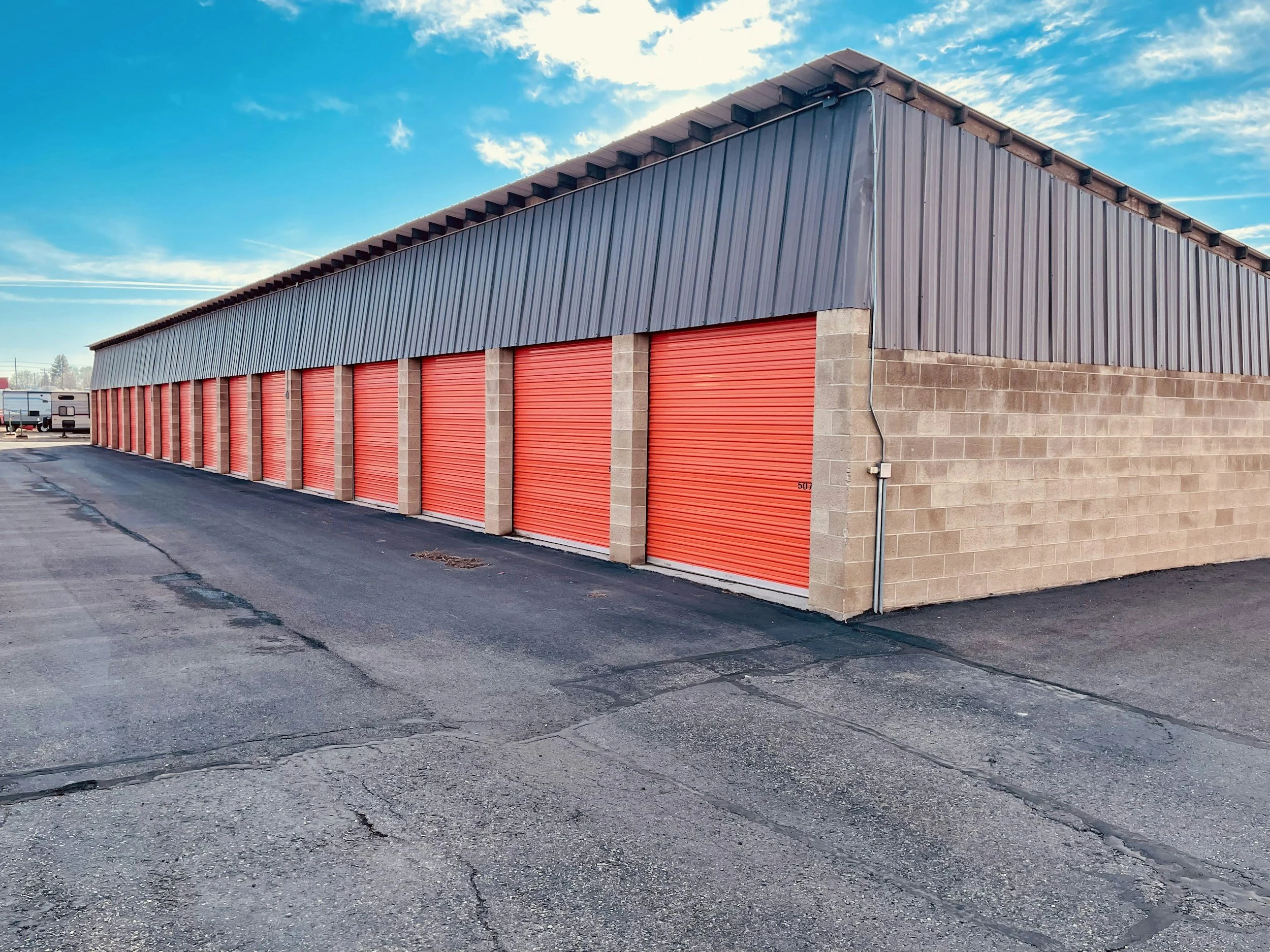
5 Major Distinctions Between Cow Portable Storage Solutions and Traditional Commercial Storage Options
In the landscape of storage solutions, the emergence of portable options has revolutionized how businesses approach their storage needs. While traditional commercial storage facilities have long been the standard, the advent of Cow Portable Storage Solutions presents a compelling alternative that merits closer examination. This post explores the major distinctions between Cow Portable Storage Solutions and traditional commercial storage options, shedding light on why the former is increasingly becoming the choice for savvy businesses.

In the landscape of storage solutions, the emergence of portable options has revolutionized how businesses approach their storage needs. While traditional commercial storage facilities have long been the standard, the advent of Cow Portable Storage Solutions presents a compelling alternative that merits closer examination. This post explores the major distinctions between Cow Portable Storage Solutions and traditional commercial storage options, shedding light on why the former is increasingly becoming the choice for savvy businesses.
Flexibility in Location
One of the most significant advantages of Cow Portable Storage Solutions lies in their flexibility. Unlike traditional storage options that require businesses to transport their items to a fixed location, portable storage units can be delivered directly to a business's premises. This flexibility allows businesses to access their stored items conveniently, saving time and reducing transportation costs.
Scalability Tailored to Business Needs
Cow Portable Storage Solutions offer unparalleled scalability. Businesses can easily adjust the number of storage units based on their current needs, ensuring they only pay for the space they use. In contrast, traditional commercial storage options often involve long-term contracts for fixed spaces, which may not always align with the fluctuating storage requirements of a business.
Enhanced Security Features
Security is paramount for any storage solution. Cow Portable Storage Solutions are designed with advanced security features to safeguard valuable business assets. These units can be equipped with robust locking mechanisms and surveillance capabilities, providing peace of mind that items are secure. Traditional storage facilities also prioritize security, but the ability to place portable units in secured business locations can offer an additional layer of protection.
Cost-Effectiveness Over Time
Analyzing the cost implications is crucial when deciding between storage options. Cow Portable Storage Solutions often emerge as a more cost-effective choice over time. The elimination of transportation costs to and from a storage facility, combined with the flexibility to scale the number of units up or down, can lead to significant savings. Traditional storage solutions may appear less expensive initially, but fixed costs and additional fees can accumulate, impacting the overall budget.
Immediate Access to Stored Items
Immediate access to stored items is another area where Cow Portable Storage Solutions excel. Having the storage unit on-site means businesses can retrieve or add items at their convenience without the need to schedule visits to a storage facility. This immediate access is particularly beneficial for businesses that require frequent use of their stored assets. Traditional storage options, while secure and reliable, cannot offer the same level of convenience due to their off-site nature.
Final Thoughts
The distinctions between Cow Portable Storage Solutions and traditional commercial storage options are clear and varied. From flexibility and scalability to enhanced security and cost-effectiveness, portable storage units provide businesses with a modern solution tailored to today’s dynamic market demands. Immediate access to stored items further underscores the practicality of choosing Cow Portable Storage Solutions, making it an attractive option for businesses looking to optimize their storage strategies.
In the evolving world of storage services and solutions, understanding these distinctions is key to making informed decisions that best serve a business's unique needs. Cow Portable Storage Solutions represent a forward-thinking choice for those seeking efficiency, security, and flexibility in their storage options.

The Cost of Clutter
The financial impact of clutter goes beyond mere inconvenience; it can have significant consequences on your finances. Understanding how clutter affects your financial well-being is the first step toward minimizing its impact.
The financial impact of clutter goes beyond mere inconvenience; it can have significant consequences on your finances. Understanding how clutter affects your financial well-being is the first step toward minimizing its impact.
One of the most obvious ways clutter affects finances is through storage expenses. Renting additional space or purchasing storage containers can add up over time, draining your wallet without offering any tangible benefits. In fact, 11.1% of U.S. households resort to renting additional storage space, contributing to unnecessary monthly expenses.
Clutter also leads to reduced productivity, as valuable time is wasted searching for items amidst the chaos. Americans collectively spend $2.7 billion each year replacing lost items, highlighting the financial toll of disorganization. Furthermore, clutter can pose potential health risks, from accidents caused by tripping over clutter to allergies triggered by dust accumulation. In fact, 55% of Americans cite their home's disorganization as a major source of stress, potentially leading to increased healthcare costs in the long run.
Moreover, clutter can decrease property value by as much as 5-10%, deterring potential buyers and resulting in lower resale prices. Additionally, accumulated clutter often requires professional cleaning services, incurring additional expenses that could have been avoided.
From a behavioral perspective, clutter can lead to increased impulse purchases and delayed bill payments, further exacerbating financial strain. The stress and anxiety caused by a cluttered environment can also impact financial decision-making, potentially leading to poor money management and overspending.
To prevent clutter accumulation and mitigate its financial impact, practical steps can be taken like hiring Stand Up Guys, junk hauling experts in Kennesaw. Setting clear decluttering goals, sorting and organizing items, and implementing storage solutions are essential steps to maintaining an organized space. Adopting a minimalism mindset and practicing mindful consumption can also help limit unnecessary purchases and reduce clutter over time.
Furthermore, selling unused items, donating to charity for potential tax deductions, and optimizing future spending based on household needs can result in significant savings. By decluttering your living space, you not only create a cleaner and more organized environment but also pave the way for better financial health and well-being.

Moving After an Accident: Legal Considerations and Packing Strategies
Moving to a new home after an accident can be an overwhelming experience, filled with uncertainty and challenges. As an accident victim, you may face unique obstacles and concerns when it comes to navigating the legal system, managing your recovery, and planning your move. This guide aims to offer valuable insights, tips, and resources to assist you through this challenging transition, enabling you to prioritize your well-being and build a brighter future in your new home.
We partnered with a legal company. for this post. The opinions in the post are honest. All reviews and opinions expressed in this post are based on our personal views. We are excited because we know you will love it.

Moving to a new home after an accident can be an overwhelming experience, filled with uncertainty and challenges. As an accident victim, you may face unique obstacles and concerns when it comes to navigating the legal system, managing your recovery, and planning your move. This guide aims to offer valuable insights, tips, and resources to assist you through this challenging transition, enabling you to prioritize your well-being and build a brighter future in your new home.
Legal Considerations
After an accident, dealing with legal matters and planning a move can be overwhelming. To protect your rights, it's important to understand key legal factors. This section will help you preserve evidence, stay in touch with involved parties, and plan for expenses. Efficiently managing these aspects can smoothen your transition and bolster your legal case during your recovery.
Maintaining Communication
Be sure to notify all relevant parties of your upcoming move, including your insurance company, attorney, and any healthcare providers. They will need to update their records and may have specific instructions or recommendations for you.
If you are in the midst of an insurance claim or legal case related to the accident, it's important to maintain clear communication with your representatives throughout the moving process. Keep them informed of your new address and any changes to your contact information.
Budgeting for Expenses
Moving can be expensive, especially if you have additional medical bills or legal fees to contend with. Create a detailed budget that accounts for all anticipated expenses, including moving costs, rent or mortgage payments, and any necessary home modifications or medical equipment.
Preserving Evidence
Even if you are eager to put the accident behind you, it's crucial to preserve any evidence related to the incident. This may include photos of the scene, witness statements, police reports, and medical records. Keep these documents organized and readily accessible, as they may be important for insurance claims or legal proceedings down the line.
If your accident occurred in South Carolina, it's essential to be aware of the state's specific laws and regulations concerning personal injury cases. Consulting with a skilled personal injury attorney sc can help you understand your rights, gather the necessary evidence, and build a strong case to support your claim. They can guide you through the complex legal landscape and ensure that you take the appropriate steps to protect your interests as you navigate the moving process and focus on your recovery.
Packing Strategies
When it comes to packing up your belongings and preparing for the move, it's important to take a strategic and organized approach. By breaking the process down into manageable steps and prioritizing your needs, you can minimize stress and ensure a smoother transition to your new home.
Prioritizing Essentials
When packing, pack medication, medical equipment, and important documents and unpack them first in your new home. Keep them easily reachable and well-marked. Make a separate box with essentials for the first days, like toiletries and clothes, and keep it close for quick access.
Hiring Professional Movers
If your budget allows, consider hiring professional movers to handle the heavy lifting and transportation of your belongings. This can be especially helpful if you have mobility issues or are unable to do the physical labor yourself due to injuries sustained in the accident.
Research reputable moving companies in your area and request several quotes to compare prices and services. Be sure to ask about their experience with handling sensitive or medical equipment, as well as their insurance coverage in case of any damages during the move.
Moving is a significant undertaking, and it's essential to recognize when you need help. If you have friends or family members who are willing to assist with the packing and moving process, don't be afraid to accept their support. Having a strong network of people to lean on can make the experience much smoother and less overwhelming.

Taking Care of Yourself
Throughout the moving process, it's important to prioritize your own physical and emotional well-being. Remember, you are the most important factor in your recovery, and taking care of yourself should be your top priority.
Following Medical Advice
If you have ongoing medical needs related to the accident, it's crucial to follow your healthcare provider's instructions closely. This may include attending regular check-ups, taking prescribed medications, and participating in rehabilitation or therapy sessions. Don't let the stress and chaos of moving interfere with your recovery plan. If necessary, enlist the help of friends, family, or a professional caregiver to ensure you stay on track with your medical appointments and treatments.
Seeking Support
After an accident, moving to a new place can feel lonely. Reach out for help. Join a support group or connect with others who have been through similar experiences. Sharing stories can bring comfort and motivation. Seeking support shows strength. Lean on friends, family, professionals, or other survivors for help in your recovery.
Key Takeaways
Preserve evidence and maintain clear communication with legal and insurance representatives throughout the moving process.
Create a budget that accounts for moving expenses, medical bills, and any necessary home modifications.
Declutter, prioritize essentials, and label boxes clearly to streamline the packing process.
Consider hiring professional movers or arranging for assistance from friends and family to help with the physical aspects of moving.
Prioritize self-care, follow medical advice, manage stress, and focus on the future to support your emotional well-being during the transition.
Frequently Asked Questions
1. What should I do if I'm unsure about my legal rights after an accident?
If you're unsure about your legal rights after an accident, consult with a personal injury attorney. They can help you understand, navigate the legal system, and advocate for your best interests. Many offer free consultations to discuss your case without upfront costs.
2. How can I manage the costs of moving while also dealing with medical expenses?
Managing the costs of moving alongside medical expenses can be challenging. To help balance these financial demands, create a detailed budget that accounts for all anticipated expenses, and look for ways to reduce costs where possible. This may include decluttering to minimize moving expenses, seeking assistance from friends and family, or exploring community resources and support programs for accident victims.
3. What should I prioritize when packing for a move after an accident?
When packing after an accident, focus on essential items like medication, medical equipment, and important documents. Keep them handy and labeled. Prepare a box with immediate needs like toiletries, clothes, and medical supplies for your new home. Declutter and organize to make moving easier and less stressful.
4. How can I find a reliable moving company that understands my unique needs?
To find a good moving company for sensitive or medical equipment, research experienced companies. Get recommendations and read reviews. Be clear about your needs when asking for quotes. Pick a licensed, insured company that meets your needs.
5. What resources are available to help me cope with the emotional challenges of moving after an accident?
To cope with moving after an accident, seek help from a therapist, join a support group for survivors, and find emotional support from local organizations or online resources.
Conclusion
Moving after an accident can be daunting, but with careful planning, a strong support network, and a focus on your physical and emotional well-being, you can successfully navigate this challenging transition. Remember, you are not alone in this journey, and there are resources and people ready to help you every step of the way. By prioritizing your needs, staying organized, and maintaining a positive outlook, you can lay the foundation for a brighter future and a successful recovery in your new home. Trust in your resilience, and know that better days lie ahead.

