

A resource for those seeking information on organizing and transforming spaces.
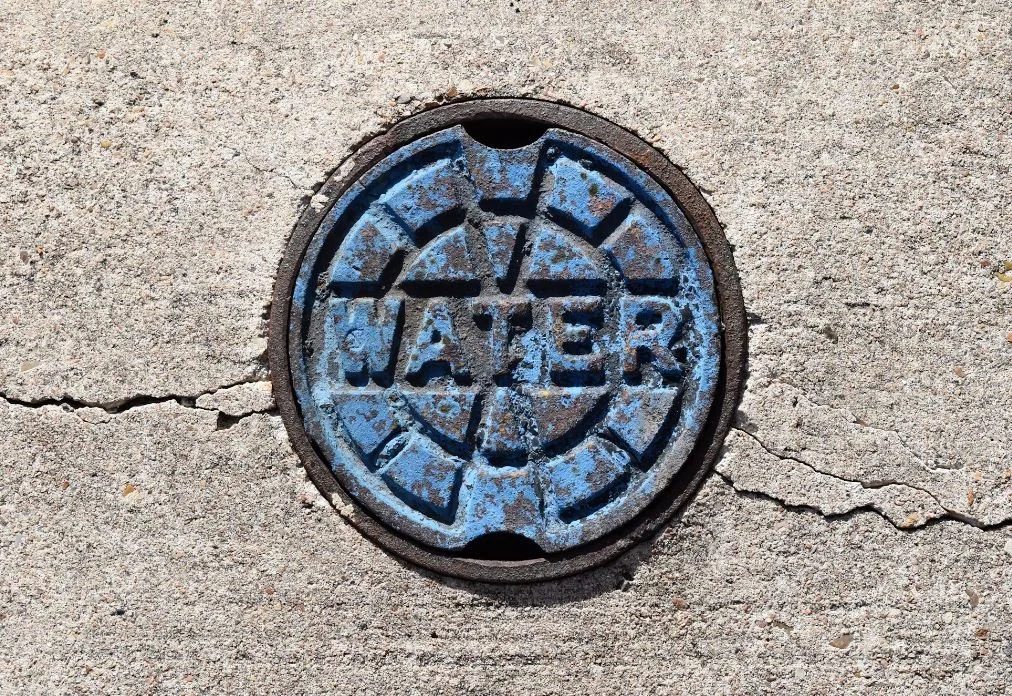
5 Essential Clues Your Sewer Line Needs Immediate Repair
Taking care of your home means more than just maintaining its appearance; it also involves keeping up with essential systems like your sewer line. A malfunctioning sewer line can cause a host of problems, from foul odors to water damage. But how do you know when your sewer line needs immediate repair? This blog post will discuss five essential clues that indicate it's time to call in the professionals.
Taking care of your home means more than just maintaining its appearance; it also involves keeping up with essential systems like your sewer line. A malfunctioning sewer line can cause a host of problems, from foul odors to water damage. But how do you know when your sewer line needs immediate repair? This blog post will discuss five essential clues that indicate it's time to call in the professionals.
Foul Odors
One of the most obvious signs that your sewer line needs repair is the presence of foul odors emanating from your drains or yard. These odors are often caused by sewage backing up into your pipes due to a blockage or leak. If you notice a persistent sewage smell, it's crucial to address the issue promptly to prevent further damage.
Slow Drains
Another common clue that your sewer line is in trouble is slow drainage throughout your home. If you find that multiple sinks, toilets, or showers are draining slowly or not at all, it could indicate a clog or break in your sewer line. Ignoring these issues can lead to water damage and potential health hazards, so it's essential to address them promptly.
Wet Spots in Your Yard
If you notice wet spots or patches of unusually lush grass in your yard, it may be a sign of a leaking sewer line underground. This type of leak can lead to significant water damage and mold growth if left untreated. By addressing the issue early on, you can prevent further damage and keep your property safe.
Backups and Blockages
Frequent backups and blockages in your drains are another clue that your sewer line needs immediate attention. These issues are often caused by tree roots invading the pipes, debris buildup, or structural damage to the pipe itself. To prevent further backups and potential flooding, it's important to have a professional, like those at Prime Plumbing & Drains, assess and repair the problem promptly.
Unexplained Spike in Water Bills
If you receive an unexpectedly high water bill without any changes in usage habits, it could indicate a leak in your sewer line. Leaking pipes can waste a significant amount of water over time, leading to increased costs and potential property damage. By addressing leaks promptly, you can save money on utility bills and prevent further issues down the road.
Your sewer line plays a crucial role in maintaining the functionality and safety of your home. By being aware of these five essential clues that indicate your sewer line needs immediate repair, you can take proactive steps to address issues before they escalate into costly repairs or property damage. If you notice any of these signs in your home, don't hesitate to contact a professional plumber for an assessment and repair plan. Protecting your sewer line will not only save you money but also ensure the health and safety of your household for years to come.

5 Reasons to Opt for a Glass Door in Your Next Shower Upgrade
When planning a bathroom renovation, every detail counts. Among the many decisions homeowners face, choosing the right shower door can significantly impact both aesthetics and functionality. Opting for a glass door during your next shower upgrade offers numerous benefits that go beyond mere style. This guide explores five compelling reasons to consider a glass door for your shower.
When planning a bathroom renovation, every detail counts. Among the many decisions homeowners face, choosing the right shower door can significantly impact both aesthetics and functionality. Opting for a glass door during your next shower upgrade offers numerous benefits that go beyond mere style. This guide explores five compelling reasons to consider a glass door for your shower.
Elevates Bathroom Aesthetics
A glass shower door instantly elevates the visual appeal of any bathroom. Its clean and modern look complements various design styles, from sleek contemporary to timeless classic. Unlike traditional shower curtains or opaque doors, glass doors provide an open and airy feel, making even small bathrooms appear more spacious. This transparency enhances natural light flow, highlighting other design elements and creating a cohesive, luxurious atmosphere.
Enhances Functionality and Convenience
Glass shower doors excel in functionality. They are easy to clean and maintain, unlike shower curtains that can harbor mold and mildew. The smooth surface of glass repels water and soap scum, ensuring minimal upkeep. Additionally, glass doors can be customized to fit any shower space, offering options like sliding doors for compact bathrooms or swinging doors for larger spaces. This adaptability ensures that your shower area is both practical and tailored to your specific needs.
Boosts Home Value
Investing in a glass shower door can significantly increase the value of your home. Potential buyers often look for modern, stylish, and well-maintained bathrooms. A glass door adds a touch of luxury and sophistication that can make your property stand out in the real estate market. This upgrade not only enhances your daily living experience but also offers a favorable return on investment when it's time to sell.
Offers Durability and Longevity
Glass shower doors are crafted from tempered glass, which is designed to withstand impact and sudden temperature changes. This durability ensures that the door remains in excellent condition for years, making it a cost-effective choice in the long run. The robust nature of tempered glass reduces the risk of cracks and breakage, providing peace of mind and consistent performance over time. Beyond a mere upgrade, it serves as a remedy for a much-needed shower door repair.
Provides Customization and Design Flexibility
The versatility of glass allows for extensive customization options. Homeowners can choose from various glass types, including clear, frosted, tinted, or patterned, to match their personal preferences and bathroom décor. Hardware finishes like chrome, brushed nickel, or matte black add another layer of customization, enabling you to create a shower enclosure that is uniquely yours. Whether aiming for a minimalist look or a more ornate design, glass doors offer the flexibility to bring your vision to life.
Final Thoughts
Opting for a glass door in your next shower upgrade is a decision that combines style, practicality, and lasting value. From enhancing the overall aesthetics of your bathroom to boosting your home's value, the benefits are numerous and compelling. Consider incorporating a glass shower door into your renovation plans and enjoy the myriad advantages it brings to your living space.

Stay Ahead of Regulations: How to Ensure Your Business is Lead Paint Certified
In essence, lead paint certification embodies a critical facet of operational safety and regulatory compliance. By obtaining certification, businesses demonstrate their commitment to upholding stringent safety standards and mitigating the potential risks associated with lead exposure. This introductory section sets the stage for delving deeper into the complexities surrounding lead paint certification and its implications for businesses.
We partnered with a business certification company for this post. The opinions in the post are honest. All reviews and opinions expressed in this post are based on our personal views. We are excited because we know you will love it.
In essence, lead paint certification embodies a critical facet of operational safety and regulatory compliance. By obtaining certification, businesses demonstrate their commitment to upholding stringent safety standards and mitigating the potential risks associated with lead exposure. This introductory section sets the stage for delving deeper into the complexities surrounding lead paint certification and its implications for businesses.
Understanding Lead Paint Certification
What is Lead Paint Certification?
Lead paint certification encompasses a comprehensive set of procedures designed to equip businesses with the knowledge, skills, and protocols necessary to handle lead-based paint safely. It involves rigorous
training, assessment, and adherence to regulatory guidelines established by governmental bodies.
Regulations Governing Lead Paint Certification
Overview of Lead Paint Regulations
Navigating the regulatory landscape surrounding lead paint certification requires a nuanced understanding of both federal and state-level mandates. These regulations delineate stringent protocols governing lead testing, containment, removal, and disposal to minimize exposure risks.
Federal Regulations
At the federal level, the Environmental Protection Agency (EPA) enforces the Lead Renovation, Repair, and Painting (RRP) Rule. This mandate mandates that individuals and firms engaging in renovation, repair, and painting activities in pre-1978 residential properties adhere to specific certification requirements and procedural guidelines.
State Regulations
In addition to federal mandates, many states impose their own set of lead paint certification requirements. These may encompass additional training prerequisites, licensing criteria, and certification protocols tailored to the specific needs and demographics of individual states.
Benefits of Lead Paint Certification
Legal Compliance
One of the primary benefits of lead paint certification lies in its capacity to ensure legal compliance. By obtaining certification, businesses mitigate the risk of regulatory penalties, fines, and legal repercussions stemming from non-compliance with established safety standards.
Consumer Trust
Certification serves as a hallmark of credibility, instilling consumer trust in the business's commitment to safety and professionalism. It fosters a sense of assurance among consumers, assuring them that their interests are safeguarded when engaging with certified entities.
Environmental Protection
Beyond its immediate ramifications for business operations, lead paint certification underscores a broader commitment to environmental stewardship. By adhering to prescribed safety protocols, businesses minimize the ecological footprint associated with lead exposure, thereby contributing to sustainable environmental practices.
Steps to Obtain Lead Paint Certification
Conduct a Risk Assessment
Prior to embarking on any activities involving lead-based paint, businesses must conduct a comprehensive risk assessment. This entails identifying potential hazards, evaluating exposure risks, and devising tailored risk mitigation strategies to ensure worker and environmental safety.
Complete Required Training
Achieving lead paint certification necessitates undertaking specialized training programs accredited by the EPA or relevant regulatory authorities. These programs equip individuals with the requisite knowledge and skills to navigate the complexities of lead-based paint management effectively.
Submit Application
Once training requirements are fulfilled, businesses must proceed to submit certification applications to the appropriate regulatory bodies. These applications typically entail furnishing documentation attesting to training completion, compliance with regulatory standards, and adherence to prescribed safety protocols.
Pass Inspection
Following the submission of certification applications, businesses may be subject to rigorous inspections to assess their compliance with lead paint safety regulations. Successful completion of these inspections is a prerequisite for certification issuance, underscoring the importance of meticulous preparation and adherence to safety guidelines.
In conclusion, ensuring that your business is lead paint certified is not only a legal obligation but also a
moral responsibility to protect public health and the environment. By comprehensively understanding the certification process, navigating regulatory frameworks, and prioritizing compliance, businesses can uphold the highest standards of safety and professionalism.
Moreover, it's essential to consider the various Lead Classes when obtaining certification. Lead Classes categorize the level of risk associated with lead exposure, ranging from Class 1 (low risk) to Class 4 (high risk). Understanding the Lead Classes pertinent to your industry and operations enables businesses to implement tailored risk mitigation strategies and ensure optimal safety measures.
Staying ahead of regulations equips businesses with the necessary tools and knowledge to mitigate risks effectively, instill consumer trust, and maintain a competitive edge in the market. By proactively adhering to certification requirements and continually updating practices to align with evolving regulatory standards, businesses can not only avoid penalties but also contribute to the protection of public health and environmental sustainability.

How to Know Your Home Is Past Its Prime
Owning a home is a significant milestone, but even the most cherished properties require maintenance and eventual upgrades. Understanding when your home is past its prime can help you maintain its value and functionality. Here are some key indicators that it might be time for a significant update.
Owning a home is a significant milestone, but even the most cherished properties require maintenance and eventual upgrades. Understanding when your home is past its prime can help you maintain its value and functionality. Here are some key indicators that it might be time for a significant update.
Exterior Wear and Tear
Common signs like peeling paint, cracked siding, and fading colors can indicate that the exterior of your home needs attention. These issues reduce curb appeal and expose the underlying structure to moisture and pests, potentially leading to severe damage. Similarly, the roof is crucial in protecting your home from various weather conditions. Missing shingles, leaks, and visible sagging are red flags that suggest roof compromise. Promptly addressing these exterior and roof issues either yourself or through a contractor, someone like Titan Roofing, can prevent water damage and structural problems, thereby preserving the home's integrity and ensuring its longevity.
Outdated Appliances and Fixtures
When it comes to appliances and fixtures, the lifespan can vary greatly depending on the level of use they see and how they're treated. However, most begin to show signs of wear and tear after 10-15 years of use. If you find that areas like your kitchen or bathroom contain outdated appliances from the previous decade, it might be time to consider an upgrade. Not only do new appliances come with modern, efficient features, but they can also increase the value of your home.
Structural Damage
Maintaining your home's structural integrity is essential for ensuring safety and comfort. Signs of damage, such as cracks in walls or foundations, uneven floors, warping of wooden elements, or doors and windows that no longer close properly, should be addressed promptly to prevent further deterioration. Ignoring these warning signs can lead to more severe issues over time, such as compromised load-bearing structures, water infiltration, mold growth, and even foundation failure. Regular inspections and timely repairs are crucial to avoiding extensive and costly renovations, safeguarding the home's stability and the well-being of its occupants.
Plumbing and Electrical Problems
Issues with plumbing and electrical systems are common in older homes, particularly if they haven't been updated or maintained regularly. Frequent leaks, clogged drains, low water pressure, and slow drainage can indicate problems like deteriorating pipes or blockages, while flickering lights, frequent circuit breaker trips, outlets that don't work, and unusual electrical smells suggest potential wiring issues. These problems can cause significant inconvenience and pose serious safety hazards, such as water damage, mold growth, electrical fires, and even electrocution risks. Addressing these issues promptly through professional inspection and repair, either by yourself or with someone like Modern Plumbing Industries Inc., is crucial to preventing further damage, ensuring the safety of residents, and maintaining the overall functionality and value of the home.
Outdated Design Features
Trends in design and décor change over time, and what was once trendy may now look dated. If your home has outdated design features, such as shag carpets, popcorn ceilings, wood paneling, avocado-green appliances, floral wallpaper, or brass fixtures, it may be time for a refresh. Updating these elements can significantly enhance the aesthetic appeal of your home, making it feel more modern and inviting. Consider replacing old flooring with hardwood or contemporary tiles, smoothing out textured ceilings, opting for neutral paint colors, installing energy-efficient stainless steel appliances, and selecting sleek, minimalist fixtures. These upgrades improve the overall look and feel of your living space, increase its market value, and appeal to potential buyers if you decide to sell, as contemporary design elements are often more desirable in the real estate market.
Understanding when your home is past its prime can help you maintain its value and functionality, as well as avoid costly repairs. Keep an eye out for signs of exterior wear and tear, outdated appliances and fixtures, structural damage, plumbing and electrical problems, and outdated design features. Addressing these issues promptly through professional inspection and repair or DIY projects can ensure the safety and comfort of your home, as well as enhance its aesthetic appeal and overall value.

