

A resource for those seeking information on organizing and transforming spaces.

4 Key Steps to Take When You Need a Roof Estimate
A well-maintained roof is essential for the safety and integrity of any home. When it's time to replace or repair, obtaining an accurate roof estimate is the first crucial step. This guide outlines four key steps homeowners should follow to ensure a smooth and informed roofing project.
A well-maintained roof is essential for the safety and integrity of any home. When it's time to replace or repair, obtaining an accurate roof estimate is the first crucial step. This guide outlines four key steps homeowners should follow to ensure a smooth and informed roofing project.
1. Research and Identify Reputable Contractors
Begin by researching and identifying reputable roofing contractors in your area. Look for professionals with positive reviews and solid reputations such as Century Roofing and others. Recommendations from friends, family, and neighbors can also be invaluable. A credible contractor will be licensed and insured, ensuring the protection of your property and peace of mind throughout the project.
How to Research Contractors:
Online Reviews: Check platforms like Google, Yelp, and the Better Business Bureau for customer feedback.
Local References: Ask for referrals from people within your community who have had similar work done recently.
Credentials: Verify licenses, insurance, and any industry certifications.
2. Schedule On-Site Assessments
Once a list of potential contractors is established, schedule on-site assessments. This allows contractors to evaluate the current state of your roof and provide a detailed estimate. On-site assessments are crucial as they enable contractors to identify specific issues that may not be apparent from a general description or photograph.
What to Expect During an Assessment:
Thorough Inspection: Contractors will inspect shingles, flashing, gutters, and the overall structure.
Detailed Questions: Be prepared to answer questions regarding the age of the roof, any known issues, and your preferences for materials.
Documentation: Contractors may take photos or make notes for reference when preparing the estimate.
3. Compare Detailed Estimates
After completing the assessments, review the detailed estimates provided by each contractor. Estimates should include a breakdown of labor costs, materials, and any additional expenses. Comparing these estimates will help identify the best value while ensuring that all necessary work is covered.
Key Components of an Estimate:
Labor Costs: Should reflect the complexity and duration of the project.
Material Costs: Includes the type and quality of roofing materials, underlayment, and other required supplies.
Additional Fees: Ensure all potential costs, such as permit fees and disposal fees, are outlined.
4. Evaluate Contract Terms and Warranties
Before making a final decision, evaluate the contract terms and warranties offered by each contractor. A clear and comprehensive contract helps avoid misunderstandings and ensures that all aspects of the project are agreed upon. Additionally, reliable warranties provide long-term protection against defects and workmanship issues.
Important Contract Elements:
Scope of Work: Detailed description of the tasks to be performed.
Timeline: Estimated start and completion dates.
Payment Schedule: Clear outline of payment terms and milestones.
Warranties: Coverage for both materials and labor, including duration and conditions.
Conclusion
Taking these four key steps when you need a roof estimate ensures an informed decision-making process and a successful roofing project. By thoroughly researching contractors, scheduling on-site assessments, comparing detailed estimates, and evaluating contract terms and warranties, homeowners can achieve peace of mind and a high-quality roof that stands the test of time. Following these guidelines will lead to a smooth and efficient roofing experience, safeguarding the comfort and security of your home.

The Importance of Decluttering on a Regular Basis
Decluttering on a regular basis is much more than folding laundry and clearing the counters. Understand the rules to live by and the benefits in this read.

Decluttering has become more than just a trendy buzzword; it’s a lifestyle change that can significantly impact your mental and physical well-being. The process involves removing unnecessary items from your living space to create a more organized and harmonious environment. Below, we’re discussing the importance of decluttering on a regular basis with a few rules to live by.
The Importance of Regular Decluttering
Clutter accumulates quickly, often without us even realizing it. Unused items, old clothes, and miscellaneous knick-knacks quickly pile up and lead to a cluttered, disorganized home.
Regular decluttering is crucial because it prevents this accumulation and ensures your living space remains functional and pleasant. Real-life examples abound; think of the last time you couldn’t find an important document or tripped over a stray object. These minor inconveniences build up and contribute to stress and overwhelm.
Tips for Effective Decluttering
Getting started with decluttering is usually a challenge for many, but it doesn’t have to be. Begin by tackling one room or even one drawer at a time. This makes the task more manageable and less overwhelming.
Maintain your progress by adopting the “one in, one out” rule: for every new item you bring into your home, remove another. These simple guidelines will keep your space clutter-free over time. Remember, consistency is key; make decluttering a regular part of your routine rather than a one-time event.
Decluttering To Make Your Home Feel Bigger
Decluttering doesn’t just make your home look cleaner; it can also make it feel more spacious. This is especially beneficial for homeowners and minimalists who may struggle with limited space. Specific strategies can help, such as using multi-functional furniture and keeping surfaces clear.
Even if you live in a small space like a yurt, there are tips for making a yurt feel bigger. For example, use vertical storage solutions and keep the floor area as open as possible. These techniques can make any living area feel larger and more comfortable.
Decluttering Rules to Live By
Incorporating some basic decluttering rules to live by can make the process much more straightforward. One essential rule is to handle items only once; when you pick something up, decide immediately whether to keep, donate, or discard it.
Another rule involves setting time limits for decluttering sessions. Avoid getting bogged down by working in short, focused bursts. These principles are easy to integrate into daily routines and make decluttering less of a chore and more of a habit.
The benefits of decluttering on a regular basis are numerous, from reduced stress to a more organized and aesthetically pleasing home. Regular decluttering is essential for maintaining these benefits over time. Start your journey today by implementing some of the tips and rules discussed here.
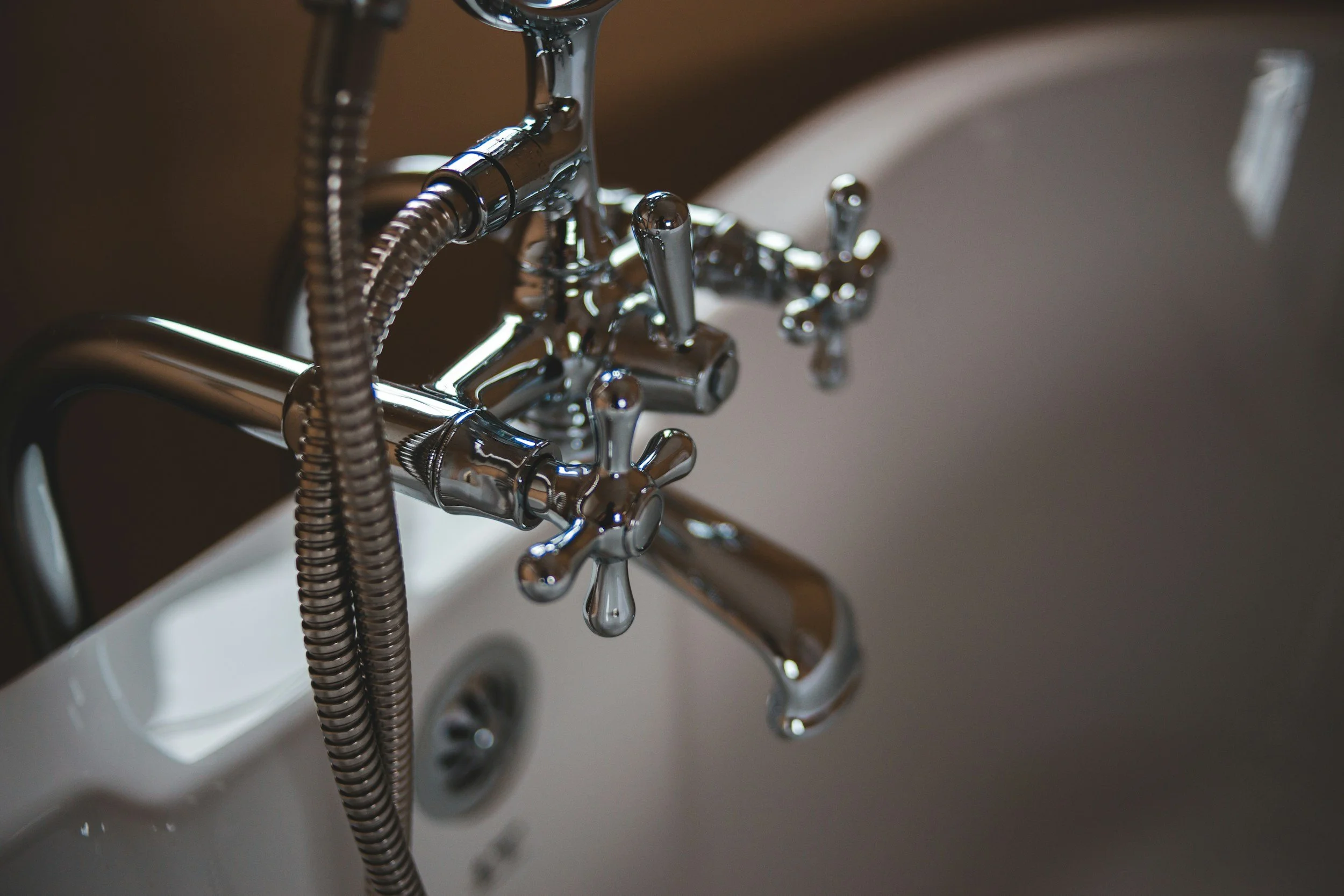
Common Plumbing Issues: How Experts Fix Them
Plumbing issues are a headache for homeowners and businesses alike. From dripping faucets to clogged drains, they can intrude on daily life and cause significant inconvenience. Understanding how experts address these common plumbing issues can help you appreciate the value of professional plumbing services.
We partnered with a home maintenance company for this post. The opinions in the post are honest. All reviews and opinions expressed in this post are based on our personal views. We are excited because we know you will love it.

Plumbing issues are a headache for homeowners and businesses alike. From dripping faucets to clogged drains, they can intrude on daily life and cause significant inconvenience. Understanding how experts address these common plumbing issues can help you appreciate the value of professional plumbing services.
Dripping Faucets
A dripping faucet is one of the most common plumbing problems. The constant drip can be annoying and wasteful, leading to higher water bills. Experts can analyze leak detection plumbing repairs, and replacement options to fix the issue. They typically start by identifying the root cause, often a worn-out washer or a corroded valve seat. Plumbers can stop the drip and restore your faucet to proper working order by replacing the damaged parts and ensuring a tight seal.
Clogged Drains
Clogged drains are another frequent issue leading to slow drainage or complete blockages. A buildup of hair, soap scum, grease, or food particles often causes this problem. Experts use various methods to clear clogs, starting with a plunger or a plumbing snake. For more stubborn clogs, they might employ hydro-jetting, a technique that uses high-pressure water to wipe away debris and clean the inside of the pipes. By removing the blockage and ensuring smooth water flow, plumbers can prevent future clogs and maintain the efficiency of your drainage system.
Running Toilets
A running toilet can waste water and drastically increase your utility bills. The problem is usually due to a faulty flapper valve, which does not create a proper seal and continuously allows water to flow from the tank to the bowl. Experts will inspect the flapper valve, float, and fill tube, making necessary adjustments or replacements to stop the continuous flow and restore the toilet's functionality.
Low Water Pressure
Various factors, including pipe corrosion, leaks, or a buildup of mineral deposits, can cause this issue. Plumbers will start by determining the cause of the low pressure. If mineral deposits are the culprit, they might clean the aerators and showerheads. Addressing the underlying cause can restore normal water pressure throughout your home or business.
Leaky Pipes
Leaky pipes cause water damage, mold growth, and higher water bills. Detecting the exact spot of a leak can be challenging, but professional plumbers have the tools and expertise to pinpoint the problem. Experts can analyze leak detection, plumbing repairs, and sealing techniques to fix the issue. They may use electronic leak detection equipment to find hidden leaks behind walls or floors. Once the leak is located, they will determine whether a simple patch or a complete pipe replacement is necessary to ensure a long-term solution.
Water Heater Issues
Water heaters are essential for hot water for showers, dishwashing, and laundry. When a water heater malfunctions, it can cause significant inconvenience. Common problems include insufficient hot water, strange noises, or leaks around the unit. Experts will start by inspecting the water heater to identify the cause of the issue. They might check the thermostat, heating element, or pressure relief valve. Sometimes, sediment buildup in the tank can cause problems, which can be resolved by flushing the tank.
Common plumbing issues can range from minor to major disruptions. By understanding how experts address these problems, you can appreciate the importance of professional plumbing services. From dripping faucets to water heater issues, experts can analyze leak detection and plumbing repairs and provide effective solutions to keep your plumbing system in good condition.

5 Critical Reasons to Address Electrical Wiring Problems At Home Immediately
Electrical wiring issues in the home should never be ignored. While it might be tempting to put off dealing with what seems like a minor inconvenience, the reality is that these problems can lead to significant risks and costs if left unaddressed. Here are five crucial reasons why homeowners should address electrical wiring problems without delay.
Electrical wiring issues in the home should never be ignored. While it might be tempting to put off dealing with what seems like a minor inconvenience, the reality is that these problems can lead to significant risks and costs if left unaddressed. Here are five crucial reasons why homeowners should address electrical wiring problems without delay.
Safety Risks
Faulty electrical wiring poses a serious safety hazard. Frayed or exposed wires, outdated circuits, and poor installation can all lead to electrical fires. These fires can spread rapidly, causing extensive damage to property and putting lives at risk. Ensuring that your home's electrical wiring is up-to-date and properly maintained is the first step towards safeguarding your home and your family.
Preventing Power Outages
Inconsistent or faulty wiring can result in frequent power outages. These disruptions can be more than just an inconvenience; they can damage electronic devices and appliances, leading to a costly residential electrical repair or replacement. By addressing electrical issues promptly, homeowners can ensure a reliable power supply and avoid unnecessary expenses.
Energy Efficiency
Good electrical wiring contributes to the overall energy efficiency of a home. Faulty wiring can cause appliances to draw more power than necessary, increasing energy consumption and utility bills. Upgrading and repairing wiring can help optimize energy use, leading to reduced costs and a smaller carbon footprint.
Compliance with Building Codes
Electrical systems must comply with local building codes and standards. Non-compliance can lead to fines, issues with insurance claims, and difficulties when selling a home. Ensuring that the electrical wiring meets current standards not only keeps homeowners on the right side of the law but also enhances property value and marketability.
Peace of Mind
Addressing electrical wiring problems provides peace of mind. Knowing that the electrical system is safe, efficient, and compliant can relieve stress and anxiety. This peace of mind allows homeowners to focus on other aspects of home maintenance and enjoy their living spaces without worry.
Final Thoughts
Electrical wiring problems should never be ignored. From ensuring safety and preventing power outages to improving energy efficiency and complying with building codes, the benefits of addressing these issues are clear. Homeowners who take prompt action can protect their property, enhance their quality of life, and achieve peace of mind.

