

A resource for those seeking information on organizing and transforming spaces.

How To Make Your AirBnb Feel More Luxury!
If you’re wanting to make your AirBnb feel more luxurious, you’re in the right place. If your place currently looks quite dull and dingy, then it can really put people off booking initially, or if it’s gone downhill since you took the photos, it can result in bad reviews. Neither of these things are good at all, so if you’re wanting to give your AirBnb a more luxurious feel without spending a fortune, follow these tips!
If you’re wanting to make your AirBnb feel more luxurious, you’re in the right place. If your place currently looks quite dull and dingy, then it can really put people off booking initially, or if it’s gone downhill since you took the photos, it can result in bad reviews. Neither of these things are good at all, so if you’re wanting to give your AirBnb a more luxurious feel without spending a fortune, follow these tips!
Go For A Neutral Colour Palette
First up, whilst you might like a bright interior, in terms of appealing to most people, a nice neutral colour palette is absolutely best. You can add touches of colour with your soft furnishings and art, however in terms of your walls, floors, kitchen and bathroom, keep it neutral. This means no super bright or controversial paint or wallpaper, but something more understated.
When you go for off-white walls and wooden flooring, everything just looks cleaner, bigger and fresher, which is what people want from their home away from home. Unless you’re offering a truly unique experience where more colour or character will be beneficial, focus on creating a clean and simple space that people will immediately feel comfortable in.
Focus On Soft Furnishings and Linens
Cheap bedding and towels can immediately put people off, so invest in good bedding and towels and it can really help. You can highlight the quality of these things within the listing to encourage people to book, then also they will be able to enjoy them when they arrive. You should also make sure your linens are all white, both bedding and towels, as people may question how new or clean they are if they’re a darker colour. You can also make the space feel more luxurious with your soft furnishings, so things like a rug, sofa cushion covers, throws and your window dressings, all of which add up to impress.
Make Sure You Have Room Fragrance
Another simple yet highly effective way to make your AirBnb feel luxurious is to have room fragrance. Simply add a reed diffuser in the entrance and then also in the main living area and it’ll immediately set the right first impression when someone comes in. You don’t want anything too overpowering, but a nice touch that is noticeable when someone comes in.
Personal Touches
Personal touches go a long way when it comes to making your AirBnb feel more luxurious. Start with a welcome gift of a local baked good or perhaps some fresh flowers for the space. This should be accompanied by a personalised note along with an in-depth welcome guide with lots of local recommendations. You should also consider things like the climate, so you could have umbrellas if your AirBnb is in London or handheld fans if you’re in Barcelona.
Add local art and decor to make the person feel like they're having an authentic experience, ensure the kitchen is fully stocked with the basics and provide good toiletries in the bathroom. Top up the kitchen with a few essentials, including bottled water. Things like extra towels and pillows, as well as sufficient hanging space, also go a long way. Make sure that all of this is highlighted in your listing!
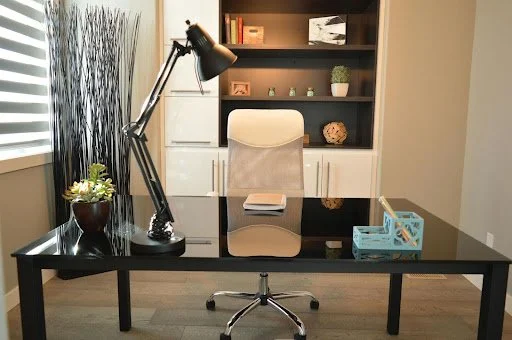
10 Organization Tips for Peak Productivity in Your Home Office
Learn how to optimize your home office organization with our ten essential tips. From decluttering your workspace and managing cables to incorporating plants and personal touches, create a productive, inspiring, and clutter-free work environment that boosts focus and increases efficiency.
We partnered with a home improvement company for this post. The opinions in the post are honest. All reviews and opinions expressed in this post are based on our personal views. We are excited because we know you will love it.
Working from home offers incredible flexibility, but staying focused and productive can be challenging. Let's face it: Our home environments are often filled with distractions, and that overflowing laundry basket isn't exactly conducive to finishing the tasks in your inbox! But fear not, because here are ten home office organization tips that can foster productivity and peace:
Tip #1: Declutter Your Workspace
A cluttered desk breeds a cluttered mind. Toss expired notes, file essential documents, and banish rogue coffee mugs. Invest in organizers for pens, paperclips, and other frequently used items. Decluttering your desk clears your head, allowing you to tackle tasks with renewed focus.
Tip #2: Invest in Quality Window Treatments
Natural light is vital for optimizing focus and regulating our sleep-wake cycles. If possible, position your workspace near a window to harness the power of sunlight. However, unrelenting glare can be just as detrimental. Invest in home office window treatments – blinds, shades, or even light-filtering curtains – to manage the light and create an optimal work environment.
What We Recommend
When it comes to managing natural light in your home office, there are several excellent window treatment options, each with its own advantages:
Light Filtering: Cellular shades, sheer curtains, Roman shades (all diffuse harsh sunlight).
Light Control: Vertical blinds (great for large windows), blackout roller shades (ideal for presentations), solar shades (block heat and UV rays).
Tip #3: Create a Dedicated Work Area
Your home office should be a dedicated space that fuels focus. Ideally, choose a quiet, well-lit room with a door for privacy. If a separate room isn't feasible, tap into your home office design skills and carve out a designated corner that you can visually separate from relaxation zones like the couch. Remember, you're training your brain to associate this space with work mode.
Tip #4: Utilize Smart Storage Solutions
Out of sight, out of mind (and out of the way!). Invest in storage tools that maximize your space and minimize clutter:
Shelving above your desk provides additional storage without sacrificing valuable room for your desktop.
Cabinets and drawer organizers keep paperwork and office supplies neatly tucked away.
Wall-mounted organizers for frequently used items can help you utilize vertical space.
Tip #5: Optimize Your Desk Setup
Learning how to organize your desk for maximum efficiency is crucial for building a productive home office. Invest in a supportive chair that promotes good posture and reduces back pain. Along with this, adjust your monitor height to prevent neck strain. Also, consider a standing desk or a desk converter, so you can alternate between standing and sitting while working. A well-lit and properly ventilated workspace further enhances comfort and focus.
Tip #6: Manage Cables and Wires
Tangled wires are an eyesore and a productivity killer. Invest in cable management solutions like cable ties, clips, or a wireless charging pad. Under-desk organizers can keep cords hidden and prevent them from becoming a tripping hazard.
Organizing cables can significantly improve the impression that your room is tidy, as messy cables can make even a clean room look cluttered. Plus, managing cables is such a satisfying task. Try it!
Tip #7: Incorporate Plants and Greenery
Research suggests that plants can improve concentration, reduce stress, and even increase efficiency and creativity. Add a splash of life to your workspace with a low-maintenance plant or two. Here’s what we recommend:
Match plants to your office light (snake plants for low light, philodendrons for bright indirect light).
Put plants near your desk for maximum visual impact and air purification.
Mix plant heights and textures for a visually interesting display.
Choose easy-care plants like succulents or herbs.
Save space and add greenery with hanging options or tiered shelves.
Pro-tip: Even a single well-placed plant can significantly enhance your home office environment and your mental clarity.
Tip #8: Use Technology to Stay Organized
Technology can be your powerful ally in the fight against disorganization, and many apps are designed to help with your online workspace organization strategy. Here’s a checklist of what type of apps you need to install into your office device/s:
To-Do List App: Manage tasks, create checklists, and set priorities.
Calendar App with Reminders: Schedule and be reminded of appointments and deadlines. These apps can also help with time management.
Cloud Storage: Access documents and files from any device, anytime.
Project Management Tool: Collaborate on projects, manage tasks, and meet deadlines.
Tip #9: Maintain a Cleaning Schedule
Schedule regular cleaning sessions to free your home office from dust, clutter, and dirty dishes. Wipe down your desk and keyboard regularly, and empty your trash can at the end of each workday. Taking a few minutes each day to maintain a clean environment can significantly improve your workflow and focus. Plus, if you have video calls or meet clients in your home office, a clean and organized space will project a professional image.
Tip #10: Personalize Your Space
While minimalism promotes focus, a sterile environment can be demotivating. Personalize your workspace, but be mindful not to overdo it, as too much can lead to clutter and distraction. Here's how to strike the balance:
Curate, Don't Accumulate: Instead of displaying a hodgepodge of trinkets, choose a few meaningful items that inspire you or reduce stress. This could be a framed photo of a cherished memory, a single piece of artwork that speaks to you, or a small desktop plant.
Utilize Vertical Space: Hang photos or inspirational quotes on the wall or bulletin board.
Embrace Multifunctional Decor: Opt for desk accessories that serve a dual purpose. A stylish pen holder can also house your favorite inspirational quote on a small card. A decorative tray can contain office supplies while adding a pop of color.
Color Psychology: Colors can influence your productivity and your mood. A calming blue can promote focus, while a burst of yellow can ignite creativity. Use pops of color strategically in your decor or desk accessories.
Conclusion
By learning how to organize your home office for maximum productivity, you can transform it into a productive and inspiring environment. Remember, organization is an ongoing process. Adjust your system as needed, and don't hesitate to experiment to find what works best for you.
About the Author

Zana Dodig is a passionate expert in the field of interior design, with a particular fondness for decorating, organizing and remodeling. With over 20 years of experience, her specialization and greatest passion lies in the realm of window coverings. Her extensive knowledge and keen eye for design have led her to a successful career as a Window Treatment Consultant. In addition to her hands-on work, Zana is also a dedicated writer at Prestige Decor, where she shares her insights and expertise, helping others enhance the beauty and functionality of their homes. Her commitment to excellence and her deep understanding of interior aesthetics make her a trusted voice in the world of interior design.

A Simple Guide to Replacing Your Floors With Hardwood Flooring
Hardwood flooring has become a go-to option for many homeowners looking to improve the aesthetic appeal and functionality of their . With its tihomesmeless look and durable nature, hardwood floors are stylish and practical. In this blog post, we'll delve into everything you need to know about replacing your floors with hardwood, from choosing the right type of wood to understanding the installation process and maintenance requirements. Whether you're considering a DIY project or hiring professionals, we'll explore some insights to help you make an informed decision and ensure a smooth renovation process.
Hardwood flooring has become a go-to option for many homeowners looking to improve the aesthetic appeal and functionality of their . With its tihomesmeless look and durable nature, hardwood floors are stylish and practical. In this blog post, we'll delve into everything you need to know about replacing your floors with hardwood, from choosing the right type of wood to understanding the installation process and maintenance requirements. Whether you're considering a DIY project or hiring professionals, we'll explore some insights to help you make an informed decision and ensure a smooth renovation process.
Choosing the Right Hardwood Flooring
There are many types of hardwood that homeowners can use for flooring and knowing the different advantages can help you find the right type for your needs. Oak is popular for its durability and classic grain, making it a great choice for high-traffic areas. With its smooth and fine grain, Maple gives a more modern and clean look that many homeowners adore. Cherry, known for its rich, warm tones, can add a touch of elegance to any room. Depending on your style and the room's use, each type of hardwood offers its unique charm and benefits, catering to different preferences and needs.
Preparing Your Home for Renovation
Before starting the flooring renovation, it's a good idea to prepare your home to ensure everything goes smoothly. It's best to clear the room of all furniture and personal items to create an open workspace that allows you or a professional to replace the whole floor in one go. You'll also want to make sure to remove baseboards and old carpeting or tiles to avoid any obstructions while the wood is being laid down. It's also helpful to check for any squeaky floorboards or subflooring and fix them beforehand so that you can avoid future warping and damage. Finally, you'll want to cover vents and doorways with plastic sheeting to keep dust from accumulating in your vents and spreading throughout your home.
Understanding the Costs
When considering the costs of hardwood flooring installation, homeowners should think about both material and labor expenses. Hiring a contractor usually ranges from $4 to $8 per square foot for labor, on top of the cost of the wood itself, which can vary widely based on the type and quality. For a DIY project, the materials alone might cost between $3 to $12 per square foot, but you can save on labor by doing the work yourself. However, keep in mind that DIY projects might also require renting or purchasing tools, which can add to the overall expense. Weighing these costs will help you decide whether a professional installation or taking on the project yourself makes more sense for your budget.
Installation Process
The installation process of new hardwood flooring can be quite manageable whether you hire professionals or go the DIY route. Professionals typically begin by ensuring the subfloor is clean and level, then they carefully lay out the hardwood planks, cutting pieces to fit and nailing them into place. This method ensures a snug, precise fit and often results in a quicker completion. For DIY enthusiasts, the process involves similar steps but with a bit more hands-on learning. You'll want to start with laying a moisture barrier, then stagger the planks to avoid seams lining up, and finally secure the planks with a nail gun or adhesive, taking your time to achieve a beautiful result.
Maintenance Requirements
Caring for your new hardwood flooring starts right after installation. Initially, it's a good idea to avoid placing heavy furniture on the floor for at least 24 hours to let the planks settle and the adhesive cure properly if it's an adhesive installation. Regularly sweeping with a soft-bristle broom or vacuuming with a hardwood floor attachment helps to clear away dust and prevent scratches. Every few months, using a damp (but not wet) mop with a hardwood-specific cleaner can keep your floor looking fresh and vibrant. Additionally, placing felt pads on the bottom of furniture can help prevent scuff marks and scratches over time, ensuring your hardwood remains beautiful for years.
Replacing your floors with hardwood flooring is a fantastic way to enhance the beauty and value of your home. From choosing the right type of wood to understanding the costs and maintenance involved, each step in the process can be straightforward with a bit of planning and preparation. Whether you hire professionals, like Carpet Clearance Warehouse, for installation or tackle the project on your own, the result will be a stunning, durable floor that you can enjoy for many years. Remember, a little care and regular maintenance will keep your hardwood floors looking their best, making your home feel warm and inviting.

Preparing Your Home for Severe Weather: Essential Tips
Biloxi, MS, is a coastal city known for its beautiful beaches and vibrant community; however, it also lies in the direct path of many severe weather systems. With such frequent threats, it’s crucial for homeowners in Biloxi to take proactive steps to protect their homes and families. The devastation caused by severe weather can be overwhelming, but with the right preparations, you can minimize damage and ensure safety.

Biloxi, MS, is a coastal city known for its beautiful beaches and vibrant community; however, it also lies in the direct path of many severe weather systems. With such frequent threats, it’s crucial for homeowners in Biloxi to take proactive steps to protect their homes and families. The devastation caused by severe weather can be overwhelming, but with the right preparations, you can minimize damage and ensure safety.
This article will provide essential tips to help Biloxi residents fortify their homes against the powerful forces of nature, ensuring peace of mind when the next storm hits.
1. Assess Your Home’s Vulnerabilities
The first step in preparing your home for severe weather is to assess its vulnerabilities. Start by inspecting your property for any potential weak points. Pay close attention to windows, doors, and the roof, as these are the most susceptible areas during a storm. In Biloxi, homes often face the risk of flooding due to heavy rainfall and storm surges. Check the foundation for any cracks or weaknesses that could allow water to seep in. Additionally, ensure that all windows and doors seal properly and that there are no gaps that could let in wind or rain. Identifying these issues early allows you to address them before a storm hits, significantly reducing the risk of damage.
2. Invest in a Whole House Generator
One of the most critical investments you can make for severe weather preparation is a whole house generator. Power outages are common during storms, and having a reliable backup power source can make a significant difference. A whole house generator ensures that essential systems like refrigeration, heating, and medical devices continue to operate, even when the grid goes down. Consider working with a company that specializes in whole house generator service in Biloxi, MS. Professional installation and maintenance guarantee optimal performance and safety.
3. Reinforce Windows and Doors
Windows and doors are the most vulnerable points of entry during a storm. Reinforcing them can prevent significant damage. One effective way to protect your windows is by installing storm shutters. These can be quickly deployed when a storm is approaching, providing a strong barrier against wind and debris. Alternatively, you can opt for impact-resistant glass, which is designed to withstand high winds and flying objects. For doors, ensure they have strong locks and consider adding reinforcement bars for extra security. These measures not only protect your home but also provide peace of mind knowing that your family is safe from the elements.
4. Create a Home Emergency Kit
Having a well-prepared emergency kit is essential for weathering a storm safely. Your kit should include basic supplies that can sustain your family for at least 72 hours. Essential items include bottled water, non-perishable food, medications, and first-aid supplies. Additionally, include flashlights, batteries, a battery-powered radio, and important documents like identification and insurance papers. Keep your emergency kit in an easily accessible location and ensure that all family members know where it is. Regularly check and update the contents of your kit to ensure everything is in good condition and nothing is expired. In Biloxi, where the weather can turn severe quickly, having a ready-to-go emergency kit can make a significant difference in your preparedness and peace of mind.
Preparing your home for severe weather involves careful planning and proactive measures. By assessing your home’s vulnerabilities, investing in a whole house generator, reinforcing windows and doors, securing outdoor items, and creating a home emergency kit, you can significantly reduce the risks and impact of storms. These steps ensure that your home is as safe as possible, giving you and your family the best chance to weather any storm that comes your way.
5. Ensure Proper Drainage to Prevent Flooding
Flooding is a common and devastating issue during severe weather, especially in a coastal city like Biloxi. Ensuring proper drainage around your home is essential to prevent water damage. Start by regularly cleaning your gutters and downspouts to ensure they are free of debris that could cause blockages. This allows rainwater to flow away from your home efficiently. Additionally, consider installing gutter guards to keep leaves and other debris out. Examine your yard’s grading and make sure it slopes away from your home’s foundation. If necessary, consult with a landscaping professional to improve your yard’s drainage system. Installing French drains or trench drains can also help direct water away from your property. These measures not only protect your home from flooding but also prevent the costly repairs associated with water damage.
6. Trim Trees and Maintain Landscaping
Maintaining your landscaping is not just about aesthetics; it’s a crucial part of preparing for severe weather. Overgrown trees and shrubs can pose significant hazards during a storm, as branches can break off and cause damage to your home or vehicles. Regularly trim trees and shrubs to remove dead or weak branches that could become dangerous projectiles. Pay special attention to trees that are close to your house or power lines. In some cases, it may be necessary to remove entire trees that pose a high risk. Additionally, keep your yard free of loose debris that could be picked up by strong winds. Proper landscaping maintenance not only enhances the beauty of your property but also contributes to its overall safety during severe weather.
7. Develop a Comprehensive Family Emergency Plan
A comprehensive family emergency plan is vital for ensuring the safety and well-being of your loved ones during severe weather. Start by identifying potential evacuation routes and safe locations where your family can seek shelter. Designate a central meeting point in case family members are separated. Make sure everyone in your household knows the plan and practices it regularly. Additionally, establish a communication plan to keep in touch during an emergency. This can include having a list of emergency contacts and ensuring that everyone has access to a charged mobile phone. It’s also a good idea to have a plan for pets, including a list of pet-friendly shelters or hotels. By having a well-thought-out emergency plan, you can ensure that your family is prepared to respond quickly and effectively during severe weather.
Conclusion
Preparing your home for severe weather is a comprehensive process that requires attention to detail and proactive measures. By ensuring proper drainage, protecting important documents, trimming trees, reviewing your insurance policy, and developing a comprehensive family emergency plan, you can significantly enhance your home’s resilience against storms. These steps not only help to protect your property but also ensure the safety and well-being of your family. In Biloxi, where severe weather is a constant threat, taking these precautions is essential. By being well-prepared, you can face any storm with confidence, knowing that you have done everything possible to safeguard your home and loved ones.

