

A resource for those seeking information on organizing and transforming spaces.

Top Flooring Options to Enhance Your Home's Aesthetic and Functionality
Finding the perfect flooring can transform your home, making it both more beautiful and functional. From plush carpets to sleek tiles, the right choice creates a stunning foundation for any room. This guide explores top flooring options, their benefits, and how they can elevate your home's aesthetic and functionality.
Finding the perfect flooring can transform your home, making it both more beautiful and functional. From plush carpets to sleek tiles, the right choice creates a stunning foundation for any room. This guide explores top flooring options, their benefits, and how they can elevate your home's aesthetic and functionality.
Whether you're renovating or building from scratch, understanding your flooring options is crucial. Read on to discover how different materials can enhance the beauty and practicality of your living spaces.
The Beauty and Comfort of Carpet
Carpet remains a popular choice for many homeowners due to its softness and warmth. Providing a cushioned feel underfoot, it adds a cozy atmosphere to bedrooms and living areas. The variety of textures, colors, and patterns available makes it easy to match any decor style.
Besides comfort, carpet offers excellent sound insulation, reducing noise levels within your home. It’s particularly beneficial in multi-story houses, where footsteps can be a disturbance. Additionally, the soft surface minimizes the risk of injuries from falls, making it a safe option for homes with young children or elderly residents.
Modern carpets are designed to be stain-resistant and easy to clean. Regular vacuuming and occasional deep cleaning keep them looking fresh and new. Durable fibers ensure that high-traffic areas remain resilient and maintain their appearance over time.
Elegance and Longevity of Hardwood
Hardwood flooring exudes elegance and sophistication, adding a timeless appeal to any home. Its natural beauty, with unique grain patterns and warm tones, complements various interior designs, from classic to contemporary.
Hardwood floors are known for their durability and long lifespan. Properly maintained, they can last for decades, even improving in appearance with age. Investing in hardwood can significantly increase your home's resale value, as it is highly desirable among buyers.
Maintaining hardwood floors is relatively simple, requiring regular sweeping and occasional mopping. Their smooth surface does not trap dust, allergens, or pet dander, making hardwood a hypoallergenic choice that promotes better indoor air quality.
Practicality and Affordability of Laminate
Laminate flooring offers a budget-friendly alternative to hardwood while mimicking its appearance. Available in various styles, including wood, stone, and tile looks, laminate can suit any aesthetic preference without breaking the bank.
One of the main advantages of laminate is its easy installation process. Many laminate options feature click-and-lock systems, allowing for quick and hassle-free installation. Maintenance is straightforward, involving regular sweeping and mopping to keep the surface clean.
Laminate is highly durable and resistant to scratches, making it suitable for high-traffic areas and homes with pets. Its protective top layer shields against wear and tear, ensuring that your floors remain beautiful and intact for years.
Versatility and Design of Tile
Tile flooring comes in an extensive array of styles, colors, and patterns, offering endless design possibilities. From sleek and modern to rustic and traditional, tiles can enhance the aesthetic of kitchens, bathrooms, and living spaces.
Tiles are incredibly durable and resistant to moisture, making them an ideal choice for areas prone to spills and humidity. Their water-resistant properties prevent damage and staining, ensuring longevity and ease of maintenance.
Tile floors stay cool underfoot, providing a refreshing feel, especially in warm climates. They are also compatible with underfloor heating systems, offering comfort during colder months.
Convenience and Cost-Effectiveness of Vinyl
Vinyl flooring is a cost-effective option that doesn’t compromise on style. Available in a wide range of colors and patterns, vinyl can replicate the look of more expensive flooring materials, such as hardwood and stone.
Vinyl’s water-resistant properties make it an excellent choice for kitchens, bathrooms, and basements. Its surface is easy to clean and maintain, resistant to stains and spills, and perfect for busy households.
Vinyl flooring provides a comfortable underfoot feel, thanks to its slightly cushioned surface. It is also durable and can withstand heavy foot traffic, ensuring long-lasting beauty and functionality.
The Luxury of Vinyl Plank Flooring
Luxury vinyl plank (LVP) flooring offers a high-end look that closely resembles natural wood, adding a touch of elegance to any room. Its realistic textures and finishes provide an authentic appearance at a fraction of the cost.
LVP is 100% waterproof, making it a fantastic option for moisture-prone areas. It is easy to clean and maintain, requiring only regular sweeping and occasional mopping to keep it pristine.
Luxury vinyl plank flooring is designed to be highly durable, resisting scratches, dents, and wear. Its cushioned backing provides added comfort underfoot, making it a practical and stylish choice for any home.
Final Thoughts
Choosing the right flooring is essential for enhancing your home's aesthetic and functionality. Each option, from carpet to luxury vinyl plank, offers unique benefits that cater to different needs and preferences.
For personalized advice and assistance in selecting the perfect flooring for your home, contact a team of experts from Personal Touch Carpet & Flooring. Discover how the right flooring can transform your living spaces into beautiful, functional areas you'll love for years to come.

Defining Reasonable Wear and Tear in Rental Properties
When managing rental properties, understanding "reasonable wear and tear" is crucial for both landlords and tenants. This concept helps set fair expectations about the condition of a rental property over time and can prevent disputes when a lease ends. Let’s break down what reasonable wear and tear means, how it differs from damage, and how to handle it effectively.
When managing rental properties, understanding "reasonable wear and tear" is crucial for both landlords and tenants. This concept helps set fair expectations about the condition of a rental property over time and can prevent disputes when a lease ends. Let’s break down what reasonable wear and tear means, how it differs from damage, and how to handle it effectively.
What is Reasonable Wear and Tear?
Reasonable wear and tear refer to the natural deterioration that occurs in a rental property over time due to normal use. It includes minor issues that arise as a result of everyday living, such as slight scuffs on walls, faded paint, or worn carpets. This type of wear and tear is expected and does not usually warrant deductions from a tenant’s security deposit.
Examples of reasonable wear and tear include:
Faded Paint: Over time, paint may lose its sheen or color due to exposure to sunlight and general usage.
Carpet Wear: Carpets may become slightly worn in high-traffic areas or show minor staining from everyday use.
Minor Scuffs and Marks: Light scuffs or marks on walls and floors that occur from regular use of furniture and other household items.
How Does Wear and Tear Differ from Damage?
Understanding the difference between wear and tear and damage is key to managing rental properties fairly. Damage refers to harm caused by misuse, neglect, or accidents that goes beyond normal aging of the property. Damage typically requires repair or replacement and can often result in deductions from a tenant’s security deposit.
Examples of damage include:
Large Holes or Cracks: Significant holes or cracks in walls caused by impacts or improper use.
Stains or Burns: Persistent stains or burns on carpets, floors, or countertops that are not typical of everyday use.
Broken Fixtures: Damaged or broken fixtures such as door handles, cabinets, or appliances due to negligence or misuse.
Assessing Wear and Tear vs. Damage
When assessing the condition of a rental property, consider the following factors to distinguish between wear and tear and damage:
Duration of Tenancy: Longer tenancies are more likely to show signs of wear and tear, while damage is often associated with specific incidents or neglect.
Quality of Materials: Higher-quality materials may show less wear and tear over time but may be more prone to visible damage if not properly maintained.
Maintenance History: Properties that have been well-maintained generally experience less wear and tear. Conversely, lack of regular maintenance can accelerate both wear and tear and damage.
Documenting the Condition of Your Property
To manage reasonable wear and tear effectively, thorough documentation of the property’s condition before and after a tenancy is essential. Here’s how to do it:
Move-In Inspection: Conduct a detailed inspection of the property before the tenant moves in. Take photographs or videos of each room, noting the condition of walls, floors, fixtures, and appliances. Ensure the tenant receives a duplicate of this documentation.
Regular Inspections: Schedule periodic inspections during the tenancy to monitor the property’s condition. Ensure these inspections are documented and communicated clearly with the tenant.
Move-Out Inspection: Conduct a final inspection when the tenant moves out. Compare the current condition with the move-in documentation to identify any changes that go beyond normal wear and tear.
Handling Disputes Over Wear and Tear
Disputes can arise when determining whether damage is beyond reasonable wear and tear. Here’s how to handle such situations:
Review Documentation: Refer to the move-in and move-out documentation to assess whether the condition issues fall within the realm of wear and tear or are indicative of damage.
Provide Evidence: If claiming deductions from the security deposit for damage, provide clear evidence such as photographs, repair estimates, or professional opinions.
Communicate with Tenants: Discuss any concerns with the tenant in a respectful and clear manner. Explain why certain issues are considered damage and how they will affect the security deposit.
Preventing Wear and Tear Issues
While wear and tear is inevitable, there are steps landlords can take to minimize its impact and maintain the property’s condition:
High-Quality Materials: Invest in durable materials and finishes that withstand daily use better.
Regular Maintenance: Schedule regular maintenance to address minor issues before they become major problems.
Clear Guidelines: Provide tenants with clear guidelines on maintaining the property and addressing any issues promptly.
Conclusion
Understanding the nuances of reasonable wear and tear is crucial for both landlords and tenants. While normal use will inevitably cause some property deterioration, excessive damage is the tenant's responsibility. By establishing clear communication and expectations from the outset, you can prevent misunderstandings and disputes when it comes time to move out. Remember, it's essential to refer to Missouri landlord-tenant law for specific guidelines and protections.

How to Plan Interconnected Home Improvement Projects
When it comes to home improvement projects, planning is key to maximizing efficiency and achieving the best results. Homeowners often wonder which projects can be combined to save time and money while enhancing the overall look and functionality of their homes. In this guide, we will explore six different combinations of interconnected home improvement projects that provide maximum benefits when done together.

When it comes to home improvement projects, planning is key to maximizing efficiency and achieving the best results. Homeowners often wonder which projects can be combined to save time and money while enhancing the overall look and functionality of their homes. In this guide, we will explore six different combinations of interconnected home improvement projects that provide maximum benefits when done together.
Roofing and Attic Insulation:
Replacing your roof and adding or upgrading attic insulation go hand in hand. When you handle both projects at once, you not only save on labor costs but also ensure that the new roofing materials complement the insulation strategy, creating a cohesive barrier against the elements. For example, choosing high-quality, reflective roofing can enhance the attic's thermal performance by reducing heat absorption during summer months, while robust insulation prevents heat loss in winter, effectively stabilizing indoor temperatures. Consulting with a knowledgeable contractor such as Otero Brothers Roofing can provide insight into which materials are best for your situation. To plan these projects together effectively, schedule both with the same contractor who can seamlessly integrate the installation processes, ensuring that the insulation is installed without damaging the new roofing. By prioritizing these interconnected improvements, you'll see a notable decrease in utility bills and an increase in overall home comfort, adding significant value to your property.
Kitchen Remodeling and Appliance Upgrades:
Planning a kitchen remodel? Consider upgrading your appliances at the same time. By selecting energy-efficient appliances during your renovation, you can significantly reduce your utility bills while enhancing the modern look of your kitchen. For instance, consider choosing smart appliances that not only save energy but also offer features like remote access and automatic adjustments based on your usage patterns. To effectively plan these upgrades, start by developing a cohesive design theme that aligns with your new cabinetry, countertops, and flooring. This ensures that the style and color of your appliances complement the overall aesthetic. Additionally, scheduling the installation of appliances during the final stages of your kitchen remodel can streamline the process and prevent damage to new surfaces. By working closely with a contractor who understands both the remodeling and appliance installation processes, you can achieve a seamless integration that elevates your kitchen's function and appeal, ultimately adding value to your home.
Driveway Repair and Landscaping:
If you're considering repairing or replacing your driveway, why not combine it with landscaping improvements? Doing so can be a remarkably effective way to boost your home's exterior appeal and property value. By updating your driveway with fresh concrete or stylish pavers, you create a strong foundation that complements your surrounding landscape. Speak with a concrete contractor like Tribeca Concrete Construction for insight into what design options are available to you, to get a more complete idea of what might work with your current landscaping or future landscaping plans. Plan your projects together by incorporating features such as native plant flower beds and elegant lighting along the driveway, which not only enhances aesthetics but also improves safety at night. To ensure a cohesive look, choose landscaping elements that harmonize with the driveway material and your home’s architectural style. Enlist the same contractor for both projects to streamline the process; this way, they can align the work schedules and avoid unnecessary disruptions. By thoughtfully coordinating these improvements, you'll achieve a polished and inviting entryway that leaves a lasting impression—while also potentially increasing your home’s market value.
Bathroom Renovation and Plumbing Upgrades:
When renovating your bathroom, don't overlook the importance of plumbing upgrades. By addressing plumbing needs alongside your remodel, you can eliminate potential leaks and improve water pressure, which is essential for enjoying high-functioning fixtures like showers and faucets. Prior to starting your project, assess your current plumbing setup and identify areas in need of improvement, such as outdated pipes or inefficient toilets. Choose water-saving fixtures and appliances that not only modernize your space but also significantly reduce your water bills over time. Collaborate with a contractor experienced in both renovations and plumbing to create an integrated plan that allows for coordinated scheduling, ensuring that plumbing work is completed before the installation of tiles, cabinets, and other elements. This approach not only saves money and time but ultimately results in a bathroom that functions smoothly and looks great, enhancing both your comfort and the value of your home.
New Window Treatments and Interior Painting:
Updating your window treatments and giving your interior walls a fresh coat of paint can transform the look and feel of your home's interiors. By carefully selecting window treatments that complement your chosen paint colors, you create a harmonious look that unifies the space. For instance, light-colored walls paired with dark window frames can create a striking contrast, while warm-toned treatments can enhance the richness of neutral wall palettes. To make the most of this pairing, consider the room’s purpose: light-filtering sheer drapes in a living area can soften harsh sunlight, while blackout shades in a bedroom promote better sleep. When planning these projects, tackle them simultaneously to streamline your workflow; order your paint first, then choose your treatments to ensure they align with each other. Visit K to Z Window Coverings or other local window treatment suppliers to look at their options to get an idea of what you want for your vision of your overall indoor aesthetic. This thoughtful approach to integrating window treatments and paint not only enhances your home's aesthetic but can also increase its market value by showcasing a well-coordinated interior design.
Basement Finishing and Waterproofing:
Finishing your basement for additional living space? Waterproofing should be a top priority to protect your investment. This proactive approach not only prevents costly repairs but also creates a healthy living environment by eliminating the risk of mold and mildew. Begin by thoroughly inspecting your foundation for any cracks or vulnerabilities; addressing these problems is essential for effective waterproofing. Consider installing a sump pump and a proper drainage system to channel away excess water, ensuring that your finished space remains dry. Choose durable, moisture-resistant materials for walls and flooring, such as treated wood and vinyl, to enhance the longevity of your design. Collaborate with a contractor experienced in both waterproofing and basement finishing, as they can develop a comprehensive plan that synchronizes each phase of the project, ensuring that the waterproofing measures are completed prior to any cosmetic work. By prioritizing these interconnected projects, you'll create a functional, inviting basement that not only increases your home’s usable space but also its overall value.
By strategically planning interconnected home improvement projects like these, homeowners can streamline their renovations, optimize their budgets, and achieve more significant results in less time. Whether you're looking to enhance curb appeal, increase energy efficiency, or upgrade interior spaces, combining complementary projects can lead to a more cohesive and impactful transformation of your home.
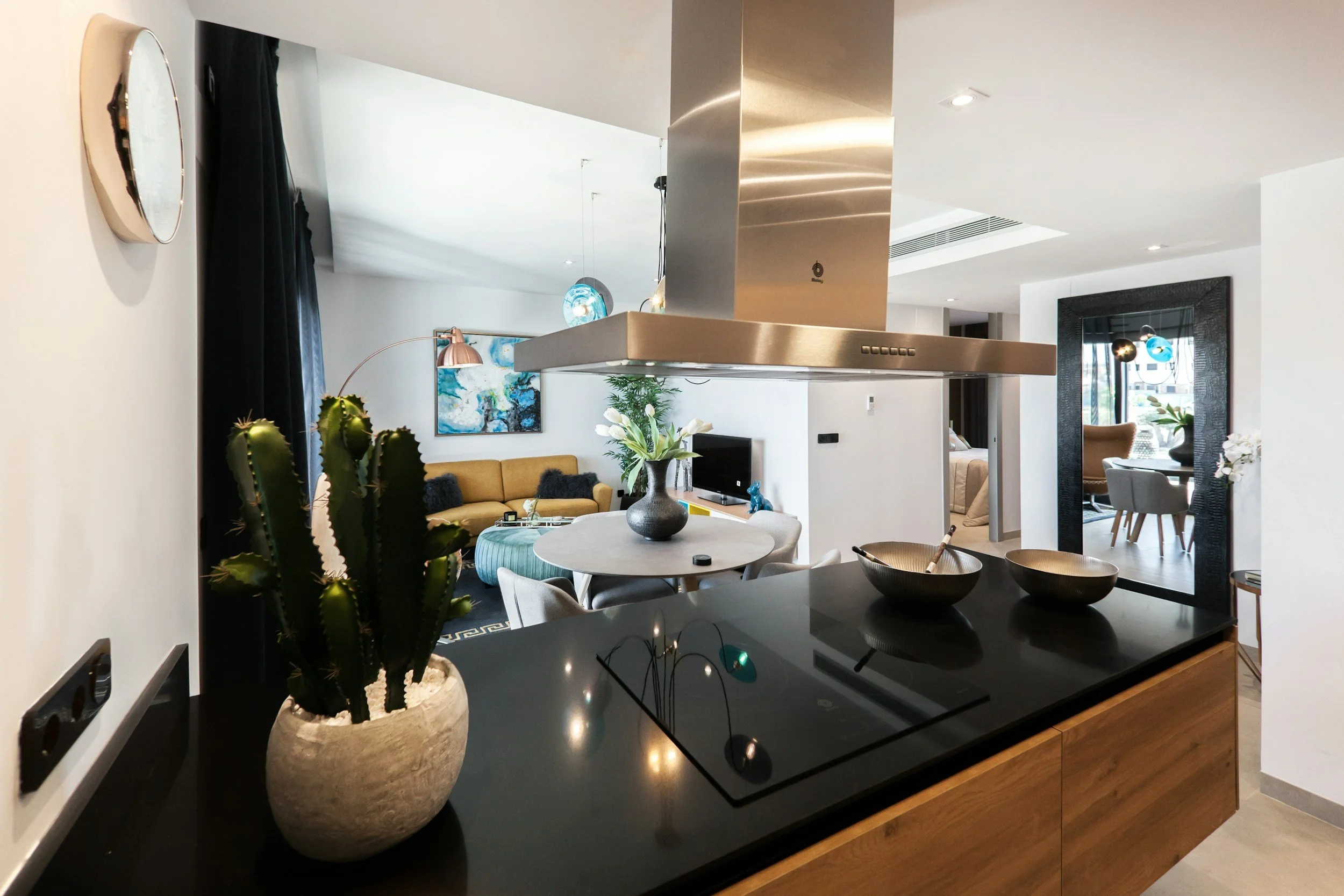
Key Factors to Consider When Remodeling Your Home
We understand that the prospect of remodeling can stir up a mix of emotions. On one hand, there's the excitement of transforming your living spaces into something that better suits your needs and tastes. On the other hand, there's the stress of managing budgets, selecting materials, and dealing with contractors. FeelingIt's anxious about making the right decisions and ensuring everything goes smoothly is normal.
We partnered with a home improvement company. for this post. The opinions in the post are honest. All reviews and opinions expressed in this post are based on our personal views. We are excited because we know you will love it.

We understand that the prospect of remodeling can stir up a mix of emotions. On one hand, there's the excitement of transforming your living spaces into something that better suits your needs and tastes. On the other hand, there's the stress of managing budgets, selecting materials, and dealing with contractors. FeelingIt's anxious about making the right decisions and ensuring everything goes smoothly is normal.
Remodeling your home is an exciting and rewarding endeavor, but it can also be overwhelming without proper planning. This guide delves into the crucial factors for a successful home improvement project. Whether you're a seasoned homeowner or a novice in home renovation, these insights will help you confidently navigate your remodeling project.
Always Hire a Licensed Contractor is Essential
Let's get real – hiring a licensed contractor is a game-changer for your home remodel. Here's why this is one of the vital factors to consider when you're diving into your next big project:
They Know the Rules
First off, a licensed contractor knows all the local building codes and standards inside out. This means they'll ensure everything is up to par, and you won't have to worry about any nasty surprises from inspectors. No one wants their project halted halfway through because of a code violation.
They Offer Peace of Mind
When you hire a good contractor, you get more than just skilled labor. They usually provide a warranty on their work. You're covered. So, if something goes wrong after they've packed up and eaten. This little safety net can save you a ton of headaches and money down the line.
They're Insured
Accidents happen; when they do, you want to avoid being left holding the bag. A licensed contractor is more likely to have insurance, which means if anything goes wrong – like someone gets hurt or something gets damaged – you're not the one paying for it. Their insurance covers it, keeping you stress-free and your wallet intact.
They're Pros
Let's remember a licensed contractor is a pro. They have the experience and the know-how to handle whatever your remodel throws at them. Whether it's a tricky floor plan or a unique design choice, they've seen it all before and know how to do the job correctly.
Hiring a licensed contractor is one of the smartest moves you can make in your home improvement project. It's all about getting the job done safely and with as little stress as possible. So, do your homework and pick a licensed pro who can bring your remodeling dreams to life!
Take Time to Understand Permit Requirements
Before starting any home renovation, you must know about permits. Each city has its rules; if you skip this step, you could have hefty fines and significant delays. Permits are necessary because they ensure your project is safe and up to code. They're super crucial for structural changes, electrical work, and plumbing.
Avoid Expensive Oopsies
Are you skipping permits? That's a bad idea. Imagine you've just finished your dream kitchen and find it needs to be updated to code. You might have to tear it all down and do it again, which means more money and more stress. If you want to sell your home later, unpermitted work can scare buyers away. They might want you to fix everything before they even think about buying.
Keep Things Smooth and Easy
Getting permits might seem like a pain, but it makes things easier in the long run. When you have the proper licenses, inspectors will check your work to ensure everything is done safely. This is crucial for big jobs like adding a new room or significant plumbing changes. Think of it as having an expert ensuring your contractor did well. Ultimately, it's all about protecting your home and wallet. So, take a little time to get those permits and keep your remodel running smoothly!
Budget for Unexpected Costs
Budgeting is a vital part of any remodeling project, and it's essential to include wiggle room for unexpected costs. Discovering asbestos, outdated wiring, or rotting wood behind walls can add to your project cost. Experts recommend setting aside at least 10-20% of your budget for these surprises.
Maximize Energy Efficiency
When planning your home remodel, consider energy efficiency improvements. Upgrading insulation, installing energy-efficient windows, and choosing Energy Star-rated appliances can significantly reduce energy bills. These improvements make your home more comfortable and increase its resale value.
Know the Importance of Square Footage and Layout
The home's square footage and layout are critical aspects to consider during a remodel. Changing the layout or adding a home addition can drastically improve the functionality of your living spaces. However, balancing these changes with the overall design is essential to maintain flow and avoid awkward spaces.
Ask Your Contractor Questions
Communication with your contractor is critical to a successful remodel. Ask questions about their experience, previous projects, and subcontractors they work with. Inquire about the timeline, project cost, and how they handle unforeseen issues. Ensuring you're on the same page can prevent misunderstandings and keep the project on track.
Consider ROI in Remodeling Projects
Return on investment (ROI) is significant in any home remodeling project. Focus on renovations that add the most value to your home, such as kitchen and bathroom upgrades, basement finishing, and energy-efficient improvements—research local market trends to determine which updates will yield the highest ROI.
Plan for Living Spaces During Renovation
Renovations can disrupt your daily life, so planning your living arrangements is essential. Consider whether you'll stay in your home or temporarily relocate. If you remain, designate specific areas for cooking, sleeping, and relaxing. Clear communication with your contractor about your living needs can help minimize stress.
Consider an Interior Designer
An interior designer can be a valuable asset in your remodeling project. They help refine your design choices, ensuring a cohesive look that reflects your style. Designers can also provide insight into current trends and timeless design elements that enhance the value of your home. Working with a professional can save time and prevent costly mistakes.
Prioritize Post-Renovation Inspections
After completing your remodel, a post-renovation inspection is crucial. This ensures that all work has been done correctly and meets safety standards. Inspections can identify any issues that must be addressed before they become significant problems. A thorough inspection ensures that your home is safe and the project succeeded.

