

A resource for those seeking information on organizing and transforming spaces.

Designing a Kid-Friendly Backyard: Tips for Safe and Fun Play Areas
You should encourage kids to spend time outside when they are young and full of energy. If you have your own backyard space, take advantage of it by setting up fun activities and opportunities for adventure. Just make sure that safety is a top priority while you set up an outdoor wonderland. Here are some tips for creating safe and fun play areas.
You should encourage kids to spend time outside when they are young and full of energy. If you have your own backyard space, take advantage of it by setting up fun activities and opportunities for adventure. Just make sure that safety is a top priority while you set up an outdoor wonderland. Here are some tips for creating safe and fun play areas.
Play Area Ideas
As parents, you know what it takes to keep your youngsters entertained. Some children like the simple things in life, while others require more stimulation. For kids with more modest tastes, consider traditional backyard activities, like a swing set, a sandbox, or an area for drawing fun pictures with chalk.
Kids with big dreams will likely enjoy the idea of a playhouse or treehouse. With common tools and plywood, you can create a play space for your kids that they’ll treasure for many years. You can add extras like a long slide, a rope ladder, or a zipline. Just be sure to make the treehouse safe by ensuring that it’s no more than 10 feet from the ground and adding a layer of mulch underneath to prevent injuries from falls.
Another fun backyard idea is to work with your kids to create a wild obstacle course. You can turn the backyard into a playground by recycling construction materials like PVC pipes and barrels. You can also put out tires that keep the kids safe from falls and provide opportunities for cardio and fitness.
Find Ways To Enjoy Time Outside as a Family
Just remember that your kids shouldn’t have all the fun. Creating a fun and safe outdoor space allows the whole family to enjoy the yard. Getting outside gives you all a chance to unplug. Some fun things you can do as a family unit include:
Hosting a scavenger hunt;
Flying a kite;
Having a backyard camping trip;
Enjoying an outdoor pool.
If you can’t install a pool, consider a hot tub, which provides many tech-free opportunities for quality family time. While enjoying the warm water, you can all play a game of 20 Questions or find something in the backyard and have the family guess what you’re thinking. The hot tub is also perfect for short boat or rubber duckie races. You can all sit back and count the stars when it gets dark.
Like with all backyard safety, ensure everyone follows hot tub safety rules. Try to keep the water temperature below 104 degrees Fahrenheit to avoid potential heat stroke or drowsiness that could lead to drowning. Parents should never allow their younger kids to be in the hot tub without close supervision.
Whatever You Do, Make It Safe
Before sending your kids into the backyard, find potential dangers and mitigate them before they can have any impact on your family. Be aware of poisonous backyard plants specific to your area. Teach your kids never to eat strange berries and mushrooms. If you have a shed in the backyard, keep it locked and all dangerous chemicals out of reach.
Be cautious of yard tools that pose serious hazards, such as lawnmowers and saws, both of which have sharp blades. Also, don’t cut your yard with the kids around, as the device could spit out stones and sticks that can cause major injuries.
Make sure that all of your stairways have railings that are not so tall that your kids can’t reach them. Also, regularly inspect the woodwork to ensure that there aren’t any nails or splintered wood striking out.
Finally, it’s a great idea to have a first aid kit around at all times so you can act swiftly if you or a child is hurt. You can make a first aid kit by first purchasing all the essentials, including:
Aspirin;
Gauze;
Oral thermometer;
Non-Latex gloves;
Bandages.
Then, add items essential to your family. For example, if one of your children takes medication, put a backup supply in your kit. You should also stock it with first aid supplies for location-specific injuries. That may mean adding tweezers in case your kid gets a sprinter and an ice pack in case someone gets burned.
Conclusion
Providing fun activities in your backyard is a great idea, but ensuring the area is safe is just as critical. Consider these ideas or come up with a few of your own, and you’ll help your children create memories they'll never forget.

5 Tips for Downsizing Your Home Furniture
Downsizing your home furniture is a practical journey that many people face at various stages of life. Whether moving to a smaller space, seeking simplicity, or aiming for a more functional environment, making decisions about what to keep can be challenging. This article provides five straightforward tips to help you navigate the process effectively. From evaluating your needs to seeking feedback from others, these strategies will support you in creating a comfortable and organized living area that reflects your lifestyle.
Downsizing your home furniture is a practical journey that many people face at various stages of life. Whether moving to a smaller space, seeking simplicity, or aiming for a more functional environment, making decisions about what to keep can be challenging. This article provides five straightforward tips to help you navigate the process effectively. From evaluating your needs to seeking feedback from others, these strategies will support you in creating a comfortable and organized living area that reflects your lifestyle.
Evaluate Your Needs
When downsizing, it's important to consider how your lifestyle has changed and what your current needs are. It can be helpful to start by listing out the activities you engage in at home, such as entertaining guests, working from home, or pursuing hobbies. This will help you determine which pieces of furniture support your daily life. Think about whether you need large dining tables for gatherings or smaller, multifunctional pieces to save space. Understanding your needs can guide you in making informed decisions about what to keep or let go of.
Assess Furniture Conditions
Take a close look at your furniture and assess its condition. Items that show signs of wear and tear may not be worth keeping, especially if they no longer serve their purpose or fit your aesthetic. Consider factors like functionality, comfort, and durability in your evaluation. If a piece is still useful but in need of repair, weigh the cost and effort of fixing it against the option of purchasing something new. Knowing the condition of your items will help you make clearer decisions about what to retain.
Consider Space and Scale
Reflecting on the size of your new living space is key to deciding which furniture to keep. Evaluate how much room you have and how each piece fits within that space. Larger items may overwhelm a small room, while smaller pieces can fill gaps without cluttering. Measure areas in your home to visualize where furniture will go, and consider how often you will use each piece. Keeping balance and proportion in mind will aid in creating a comfortable environment.
Seek Feedback from Others
Sometimes, getting an outside perspective can help clarify your choices. Friends or family members can provide insights into your furniture's functionality and aesthetics that you may overlook. Their opinions can also shed light on any emotional attachments you may have to certain items, making it easier to understand what’s truly necessary. Involving others can lead to more objective evaluations, and you may find encouragement or suggestions you hadn’t considered. Keep an open mind and use their feedback as a tool for your decision-making process.
Move Items Out
Moving select furniture items out of your house can greatly enhance your ability to visualize the available space. By temporarily removing bulky pieces, you can better understand how your home flows and identify areas that may feel cramped or open. This process allows you to see how smaller items fit in the new arrangement and can highlight pieces that no longer serve a purpose. Working with professionals, like those at Hunt Removals & Storage, to handle heavy furniture can ease the strain of this task, ensuring safe and efficient removal. Ultimately, this step can be a turning point in your downsizing journey.
Downsizing your home furniture can be a tough experience, it it leads to a more organized and enjoyable living space. By evaluating your needs, assessing the condition of your items, considering the space you have, seeking feedback, and moving items out, you can make thoughtful decisions that suit your lifestyle. Remember, the goal is to create a home that feels comfortable and reflects who you are. Embrace the process, and don’t hesitate to ask for help when needed. With a clear plan and a positive mindset, you’ll find joy in creating a space that is not only functional but also welcoming.
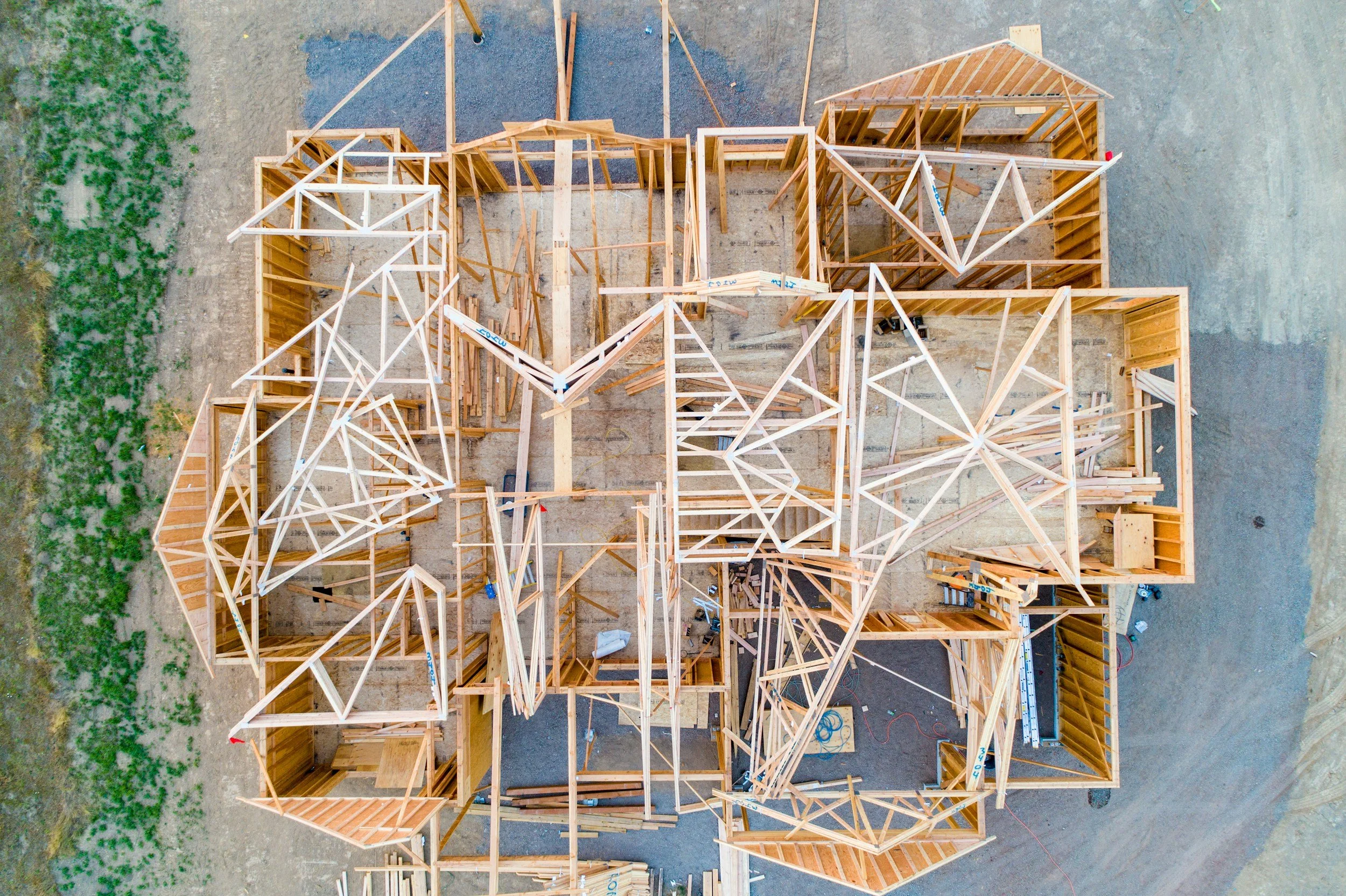
Evaluating the Advantages of Custom New Construction Versus Pre-Built Move-In-Ready Residences: A Case Study in Ohio
Deciding between custom new construction and pre-built move-in-ready residences is a critical consideration for many prospective homeowners. In Ohio, where the real estate market offers diverse options, understanding the relative advantages of each choice is essential. This article aims to address the ongoing discussion topic: new build vs. quick move-in homes: which is right for you? by assessing their respective benefits and providing a comprehensive analysis to guide potential buyers in making an informed decision, using Ohio as a case study.
We partnered with a home improvement company for this post. The opinions in the post are honest. All reviews and opinions expressed in this post are based on our personal views. We are excited because we know you will love it.
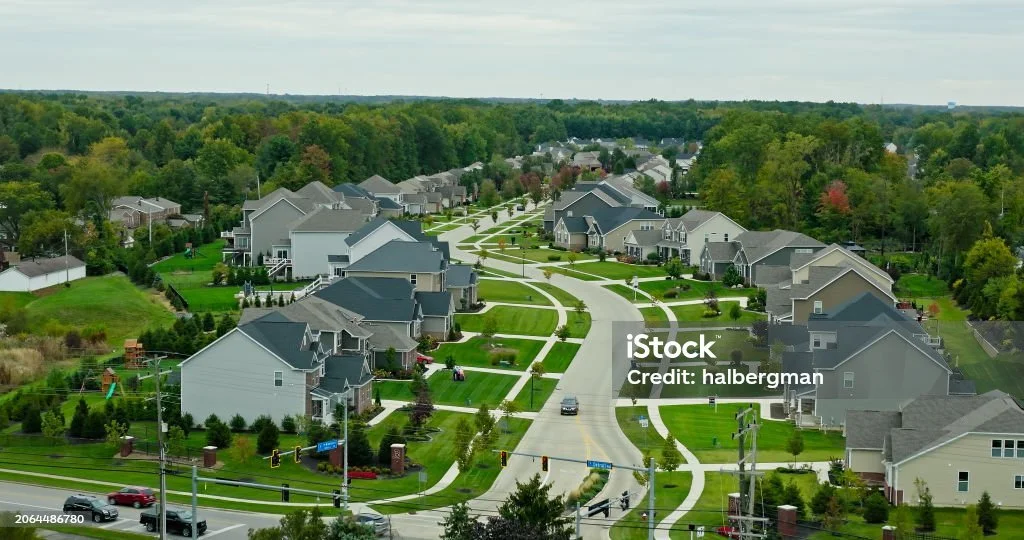
Deciding between custom new construction and pre-built move-in-ready residences is a critical consideration for many prospective homeowners. In Ohio, where the real estate market offers diverse options, understanding the relative advantages of each choice is essential. This article aims to address the ongoing discussion topic: new build vs. quick move-in homes: which is right for you? by assessing their respective benefits and providing a comprehensive analysis to guide potential buyers in making an informed decision, using Ohio as a case study.
Custom New Construction: Crafting a Unique Home
Custom new construction allows homeowners to design a residence that perfectly aligns with their personal preferences and requirements. For those in the Midwest, engaging with a Central Ohio home builder facilitates a tailored approach where every detail, from floor plans to materials, can be customized. This level of personalization guarantees the final product reflects the homeowner's vision and functional needs. Builders in Central Ohio offer extensive design options and expertise, allowing for a unique home-building experience.
While custom new construction generally involves a higher upfront investment compared to pre-built options, the long-term benefits can be significant. Homeowners gain the advantage of a bespoke residence that meets specific preferences and needs. This custom approach can lead to increased satisfaction and potential value appreciation, making it a worthwhile investment for those who prioritize individuality in their living space.
Pre-Built Move-In-Ready Homes: Speed and Convenience
In contrast, pre-built move-in-ready homes—also known as quick move-in homes—offer a different set of advantages. These residences are available for immediate occupancy, which appeals to buyers seeking a hassle-free transition. The streamlined process of purchasing a quick move-in home eliminates the lengthy construction timelines associated with new builds, providing a practical solution for those in need of a new home without delays.
Builders like Rockford Homes offer a range of quick move-in options in Ohio, featuring modern designs and current amenities. The availability of these homes can be particularly beneficial in competitive markets, where the demand for housing may be high. For many, the convenience of moving into a ready-made home without waiting for construction to complete is a significant advantage, especially for those with time constraints.
Financial Considerations: Weighing Costs and Benefits
Financial factors play a crucial role in deciding between a new build versus quick move-in homes. Custom new construction often involves higher costs due to the bespoke nature of the project; ergo, homeowners should anticipate additional expenses related to design changes, upgrades and potential delays. Despite these costs, the ability to customize the home can provide significant value and satisfaction.
Conversely, pre-built move-in-ready homes typically offer a more predictable cost structure. Standardized designs and features result in a more straightforward pricing model, which can be advantageous for those with specific budget constraints. The reduced waiting period associated with quick move-in homes also helps to mitigate additional costs related to temporary housing or extended property searches. For many, the cost-effectiveness and immediate availability of quick move-in homes present a compelling alternative to custom new construction.
Market Trends and Location-Specific Factors in Ohio
The choice between custom new construction and pre-built move-in-ready homes is influenced by regional market trends in Ohio. Central Ohio, in particular, offers a dynamic real estate environment with various options for both types of residences. A Central Ohio home builder can provide valuable insights into local market conditions, helping prospective homeowners understand the availability and pricing of both custom and pre-built homes.
Market trends can impact the availability and appeal of different housing options. In rapidly developing areas, there may be a greater supply of quick move-in homes, while regions focused on bespoke developments may offer more opportunities for custom builds. Understanding these local market dynamics is crucial for making a decision that aligns with personal preferences and practical considerations.
Evaluating Long-Term Value and Resale Potential
When considering long-term value, both custom new construction and pre-built move-in-ready homes offer distinct advantages. Custom homes often have higher resale potential due to their unique features and personalized designs. A custom new build can stand out in the market, potentially commanding a premium price based on its individuality and tailored attributes.
On the other hand, quick move-in homes, while generally less unique, can also achieve competitive resale values. Their modern designs and efficient construction make them appealing to a wide range of buyers, contributing to their marketability. For those evaluating future resale potential, both custom and pre-built homes offer benefits depending on individual priorities and market conditions.
Final Note: New Build vs. Quick Move-In Homes: Which is Right for You?
The decision between custom new construction and pre-built move-in-ready homes involves assessing various factors including cost, customization, and market trends. Ohio provides diverse options through builders like Rockford Homes and other reputable Central Ohio home builders, offering insights into the advantages and trade-offs of each choice. Whether considering a new build or a quick move-in home, prospective buyers are encouraged to weigh these factors carefully to determine which option best suits their needs and preferences.

Is It Time to Remove Your Inground Pool? Here's What You Need to Know
Many homeowners find themselves facing the decision of whether or not to remove their inground pool. Whether it's due to maintenance issues, safety concerns, or simply wanting to reclaim their backyard space for other purposes, removing an inground pool is a significant project that requires careful planning and execution. If you're considering removing your inground pool, here's what you need to know.

Many homeowners find themselves facing the decision of whether or not to remove their inground pool. Whether it's due to maintenance issues, safety concerns, or simply wanting to reclaim their backyard space for other purposes, removing an inground pool is a significant project that requires careful planning and execution. If you're considering removing your inground pool, here's what you need to know.
Assessing the Reasons for Removal
Before diving into the process of removing your inground pool, it's essential to assess the reasons behind your decision. Are you looking to reduce maintenance costs? Is the pool no longer being used and taking up valuable space in your yard? Are there safety concerns with having a pool on your property, especially if you have young children or pets? Understanding your motivations for removal will help guide you through the rest of the process.
Consulting with Professionals
Removing an inground pool is not a DIY project. It requires specialized knowledge, equipment, and expertise to ensure that the job is done safely and effectively. Before proceeding with pool removal, it's crucial to consult with excavation contractors like Graber Excavating who have experience in handling such projects. They will be able to assess your specific situation, provide you with a detailed plan of action, and give you an accurate cost estimate for the removal process.
Permit Requirements
In many areas, removing an inground pool requires obtaining permits from the local authorities. These permits ensure that the removal process complies with relevant building codes and regulations. Before starting any work, make sure to check with your local municipality about permit requirements for inground pool removal. Failure to obtain the necessary permits can result in fines and other legal consequences.
Draining the Pool
The first step in removing an inground pool is draining the water from it. This can be done by pumping out the water or letting it drain naturally over time. It's important to consider where the water will go and how it will affect your property and surrounding areas. A professional excavation contractor can help you determine the best method for draining your pool safely and efficiently.
Demolition and Excavation
Once the pool has been drained, the next step is demolition and excavation. This involves breaking up the concrete or fiberglass shell of the pool and removing it from the ground. Depending on the size of your pool and its construction materials, this can be a labor-intensive process that requires heavy machinery and skilled operators. An experienced excavation contractor will have the tools and expertise needed to complete this phase of the removal process.
Backfilling and Compaction
After the pool shell has been removed, the empty space left behind needs to be filled in and compacted properly. This prevents soil settlement and ensures that your yard remains stable and safe. The backfilling process typically involves using gravel or crushed stone as fill material, which is then compacted using specialized equipment. Proper backfilling is essential for preventing future issues with sinking or uneven ground.
Landscaping and Restoration
Once the pool has been completely removed and backfilled, it's time to restore your yard to its original condition or transform it into a new outdoor space. Landscaping services can help you design a new backyard layout that suits your needs and preferences. This may include seeding grass over the filled-in area, planting trees or shrubs, installing a patio or deck, or creating a garden bed. With proper landscaping and restoration, you can turn your former pool area into a beautiful outdoor oasis.
In Conclusion
Removing an inground pool is a major undertaking that requires careful planning and execution. By assessing your reasons for removal, consulting with professionals, obtaining necessary permits, draining the pool, demolishing and excavating the structure, backfilling and compacting the area, and restoring your yard through landscaping, you can successfully reclaim your backyard space. Remember that hiring experienced excavation contractors is key to ensuring a smooth and efficient pool removal process from start to finish.

