

A resource for those seeking information on organizing and transforming spaces.
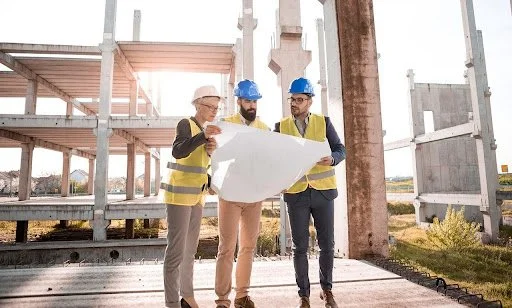
8 Essential Steps for Planning a Home Construction Project
Building a home is an exciting and rewarding journey, especially in a place as beautiful as East Tennessee. This region offers stunning landscapes, a pleasant climate, and a welcoming community, making it a perfect location for your dream home. However, constructing a house from the ground up involves many steps and requires careful planning.
Building a home is an exciting and rewarding journey, especially in a place as beautiful as East Tennessee. This region offers stunning landscapes, a pleasant climate, and a welcoming community, making it a perfect location for your dream home. However, constructing a house from the ground up involves many steps and requires careful planning.
From setting a budget to choosing the right construction company, each decision plays a crucial role in ensuring the success of your project. Here are some essential steps you need to take to plan your home construction project in East Tennessee:
1. Determine Your Budget
The first step in any construction project is establishing a realistic budget. This budget should cover everything from the cost of land to the final touches like landscaping and interior design. It’s essential to include a contingency fund to handle unexpected expenses that may arise during the construction process.
To start, list all potential costs, including permits, materials, labor, and utilities. Then, consult with financial advisors or lenders to explore your financing options. Whether you’re using savings or securing a loan, having a clear budget will guide your decisions and keep your project on track.
2. Hire a Reliable Construction Company
Selecting the right construction company is vital to the success of your project. A reputable company will have the experience and expertise needed to turn your vision into reality. Begin by researching local construction companies and reading reviews from previous clients. You can also ask for recommendations from friends or family who have recently built homes about the best construction companies in East Tennessee. A trustworthy construction company such as Horner Building Co. will be transparent about costs, timelines, and any potential issues that may arise.
When interviewing potential builders, ask about their experience with projects similar to yours, their timeline for completion, and their approach to handling challenges. Checking their licensing and insurance credentials is also important to ensure they meet the necessary standards.
3. The Ideal Location
Choosing the right location is one of the most important decisions you’ll make when building your home. East Tennessee offers a variety of landscapes, from rolling hills to flat lands, each with its own set of advantages. Consider factors like proximity to schools, workplaces, and shopping centers when deciding on a location.
Additionally, research the local zoning laws and regulations to ensure that your desired location is suitable for residential construction. Some areas might have restrictions or requirements that could impact your plans. It’s also wise to consider the neighborhood and community, ensuring it aligns with your lifestyle and future plans.
4. Get Permits & Approvals
Before construction can begin, you’ll need to secure the necessary permits and approvals from local authorities. This step is crucial as it ensures that your project complies with local building codes and regulations. Failure to obtain the proper permits can lead to costly fines and delays.
Start by contacting your local government’s building department to learn about the required permits for your project. The process may include submitting detailed plans and undergoing inspections at various stages of construction. Being organized and proactive in obtaining permits can help avoid unnecessary setbacks.
5. Design Layout & Features
Once you’ve chosen a builder, it’s time to design your home. This step involves creating a layout that suits your needs and lifestyle. Think about the number of bedrooms and bathrooms, the size of the kitchen and living spaces, and any special features you desire, such as a home office or gym.
Working with an architect or designer can help bring your ideas to life. They can offer insights into optimizing space, improving energy efficiency, and selecting materials that fit your budget and aesthetic preferences. Be sure to communicate openly with your design team, ensuring that your vision is understood and incorporated into the final plans.
6. Quality Materials
Selecting quality materials is essential for the durability and appearance of your new home. The materials you choose will affect the structure’s longevity and energy efficiency. East Tennessee has a range of local suppliers who can provide high-quality materials at competitive prices.
When sourcing materials, consider options that are sustainable and environmentally friendly. Not only are these choices better for the planet, but they can also save you money in the long run by improving energy efficiency. Consult with your builder and architect to choose materials that match your design and budget while providing the best performance over time.
7. Utilities & Infrastructure
An essential part of your construction project involves planning for utilities such as water, electricity, and sewage. You will need to ensure that your home is connected to these services, and this process can vary depending on your location in East Tennessee.
Contact local utility providers early in the planning process to understand the requirements and costs involved. You may need to pay connection fees or install infrastructure like septic systems if your site is not connected to municipal services. Planning ahead can prevent delays and ensure that your home has all the necessary utilities when construction is complete.
8. Monitor the Process
Once construction begins, stay involved by monitoring the progress regularly. Visiting the site often allows you to see how things are going and to address any concerns early. Effective communication with your builder is essential to ensure that the project stays on track and within budget.
Arrange for periodic inspections at key stages, such as foundation work, framing, and finishing. These inspections ensure that all work is up to code and meets your expectations. Being proactive in monitoring the construction process can prevent small issues from becoming larger problems later.
Building a home in East Tennessee is an exciting journey that requires careful planning and decision-making. By following these essential steps, you can ensure that your home construction project runs smoothly and meets your expectations. From setting a budget and selecting a location to choosing the right construction company and materials, each step plays a critical role in creating a home that reflects your vision. Remember that open communication with your team and staying involved throughout the process can make all the difference. With patience and attention to detail, you’ll soon be enjoying the comfort and beauty of your new home in East Tennessee.

The Hidden Cost of Moving to Florida’s Resort Towns
Uncover the unforeseen expenses and realities of moving to Florida’s resort towns, from high living costs to environmental challenges.
Many dream of moving to Florida's resort towns, attracted by the promise of sun-drenched beaches and leisurely lifestyles. However, the decision to relocate comes with unexpected complexities and financial burdens that are often overlooked. And we’ll explore the hidden costs that can surprise new residents, from high property prices to inflated daily expenses. So, before you pack your bags, it's crucial to look at the vital things you need to consider to avoid unwelcome financial surprises.
The Price of Paradise: Hidden Financial Burdens
Living in Florida's resort towns comes at a premium. While the views and locale can be breathtaking, the costs associated with settling in these sought-after areas are often higher than many anticipate. First of all, real estate in these locales does not come cheap. The demand for beachfront and near-beach properties drives prices well above the national average. Potential homeowners should prepare for a competitive market where prime locations command a hefty premium.
Second, due to the constant threat of hurricanes, insurance rates in coastal towns are significantly higher. Homeowners may pay double or even triple the rates compared to less risky areas. This recurring cost can strain any budget. In addition, maintaining a home in a resort town also means higher utility bills. Electricity and water costs are elevated due to these areas' high demand and infrastructure needs. Especially during peak tourist seasons, residents may notice a sharp increase in their monthly bills.
Last but not least, relocating to or from places in Florida, such as Delray Beach, presents unique challenges, especially for long-distance moves. It's a bustling area, and navigating the logistics of a big move can be complex. In such cases, it’s better to leave it to long-distance movers who specialize in handling the intricacies of transporting belongings safely over great distances. Their expertise can be invaluable, ensuring your transition to Delray Beach is as smooth as possible without any surprises. However, keep in mind that this can add to the expense list.
Lifestyle and Leisure: Evaluating the True Cost of Indulgence
Relocating to Florida’s resort towns invites a lifestyle filled with opportunities for leisure and enjoyment, but it often comes with elevated living expenses. For starters, living in a resort town means dealing with increased prices for basic and luxury goods. Local businesses often hike prices to take advantage of the tourist influx, which can lead to a consistently higher cost of living for residents.
Following that, the maintenance required to keep a property pristine in a coastal area is both necessary and costly. Homeowners face ongoing investments to maintain their homes, from combating rust and mold due to salt and humidity to regular aesthetic updates. In addition, access to exclusive recreational facilities, like private beaches, golf clubs, and tennis courts, often comes with hefty membership fees. Moreover, everyday leisure activities like dining, shopping, and entertainment are pricier than in non-tourist towns. If you think you might be better off with Palm Coast condos, remember that those involve not just the purchase price but also ongoing costs such as high association fees and special levies for maintenance. These fees are essential for enjoying the benefits of resort amenities and property upkeep.
Adjusting to Social and Environmental Changes
Moving to a Florida resort town is not just a change of address. It also involves adapting to both the social fabric and environmental aspects unique to coastal areas. Residents often see a sharp influx of visitors during peak seasons, which can temporarily transform the community vibe and affect the availability of services. This fluctuation may require adjustment as the local population can more than double, impacting everything from traffic to service wait times. In addition, establishing lasting relationships might be challenging due to the transient nature of resort towns. New residents may need to engage more actively in community events or local organizations to forge strong connections.
Living near the coast comes with environmental challenges, which are important to prioritize when moving, particularly from a vastly different area. Coastal erosion and flooding are common issues affecting property and daily life. Residents must know and participate in local sustainability efforts to mitigate these effects. Likewise, proximity to natural habitats means more encounters with wildlife. Understanding and respecting local wildlife and their habitats is essential for harmonious living.
The Hidden Cost of Moving to Florida’s Resort Towns: Long-Term Considerations and Sustainability
Choosing to settle on popular Floridian coastal spots requires attention to several long-term factors that affect both the quality of life and the value of your investment. Above all, the real estate market in resort towns can be volatile. Prices may soar due to high demand but can also dip significantly if tourism declines or natural disasters strike. Potential homeowners should prepare for possible fluctuations and consider the timing of their investments wisely.
Naturally, investing in sustainable practices is beneficial for the environment and often necessary. Coastal properties may need additional measures like elevated structures and storm-resistant materials to withstand harsh weather, which can require significant financial outlay. As these areas grow, so does the need for enhanced infrastructure. Upgrades to roads, bridges, and public services are often funded by local taxes, which can increase over time. Prospective residents should consider the potential rise in tax obligations.
Living close to natural ecosystems, especially beaches and marine environments, involves being proactive about minimizing environmental impacts. That includes supporting local conservation initiatives and adhering to regulations designed to protect the surroundings. Also, being in a hurricane-prone area means residents must consistently prepare for potential evacuations and damages. That includes having insurance that adequately covers such events and may involve renovating properties to meet safety standards.
Conclusion
Moving to Florida’s resort towns involves more than just enjoying scenic views and warm weather. It requires careful consideration of hidden costs, from high living expenses to property maintenance and environmental challenges. Before making a significant decision, understand all financial and lifestyle implications. This forethought will help manage expectations and prepare for a fulfilling life in these beautiful yet demanding locations.

How to Master Cost Estimation for Accurate Budgeting in 2024?
Explore the techniques to master the process of Cost Estimation and discover how to make accurate predictions of expenses to enhance project management!
We partnered with a construction company for this post. The opinions in the post are honest. All reviews and opinions expressed in this post are based on our personal views. We are excited because we know you will love it.

Challenges in Cost Estimation are persistent and that is a common issue. Mastering the budgeting process is essential for an expert. With numerous factors at play, budgeting in estimation is an art. Understanding all the aspects and constraints of a project is vital. Whether a project has an experienced estimator or a new one, utilizing the appropriate methods for budgeting is important. As estimations are the crux is predicting, scheduling, planning and monitoring the aspects of cost. Therefore, accuracy in estimations is primary. As it enables experts to manage finances, distribute resources and make timely decisions.
How Estimates are Different from a Budget in Cost Estimation?
A client does not know the difference between an estimate and a budget. In simple words, estimates are derived by accumulating all the costs in a project. Once it gets a green signal from the client, it becomes a project's budget.
How Cost is categorized in a Project?
A professional before making a budget divides the cost into several divisions. Categorizing costs aids enable an estimator to allocate costs most efficiently. These divisions are as follows:
* Make a list of all the tasks
* Divides resources based on the tasks
* Appoint a time duration for all the tasks
* Compute the expenses that will occur in the deliverance of these tasks
* Determine the most suitable software for the project
The phenomenon of accurate Estimations is complex but crucial. Thus, an expert must have a basic knowledge of all the costs involved in a project. The role of a company is to deploy individuals who are experts and have years of field experience. Now we will discuss the most crucial steps in attaining precise Cost Estimations:
A) Idea vs. Concept
Sometimes a client does not fully understand what they want. An expert must take an idea from the client and make it practical. Professionals must know what they are going to do. When turning an idea into practicality, an estimator must check it aligns with the client's budget and duration. So the objectives are met and the ultimate goal is achieved. The following points must be adhered to in this:
▪︎ What does a Client require?
▪︎ How many investments are made by a client?
▪︎ What time duration is given by a client?
B) Segregate and appoint Tasks
To get a better understanding of Cost Estimations, segregation of tasks proves to be very helpful. This is done once an expert understands what are the requirements of a project. In short, taking this step means to develop more accurate estimations. Several techniques can be applied in this area. Every Cost Estimation Company applies some particular techniques. This enables them to break down the project abs estimate costs individually. This aids in better visualization, organization and management in a project.
C) Perform Cost Estimation for Each Task
After understanding the project requirements and division of tasks, now an expert can assign costs to them. Although assigning costs individually is a time-consuming process, it assures that the estimations will be precise to the dot. Each task is extensively analyzed and cost is appointed respectively. Thus, making sure that the budget is being followed and accuracy is maintained. Also, Construction Estimating Company must communicate with the client and inform them about this procedure to ensure complete transparency.

D) Compute Total Cost and Align with the Budget
Finally, after all is done it is time to calculate the overall process of Cost Estimation. An estimator must make sure that each variant of cost does not exceed the budgetary constraints.
Now it is important to add factors that are included in the total cost that might affect the budget:
- Add a cushion for the budget
Uncertainties can happen at any time in a project. Thus, to keep the project within budget is preeminent. Therefore, adding preventive measures as a cushion is paramount for budgeting. It might include:
~ Unexpected requests from client
~ Anu calamity
~ Safety Hazard
- Create contingencies for Hidden elements
Before wrapping up the process of Cost Estimation, make sure that all the hidden costs are accounted for. Several factors might get overlooked. Hence, it is important to include and consider all indirect costs. Otherwise, profits may get compromised.
Conclusion
In the end, it can be said with certainty that a Cost Estimation is more than just money. It includes planning, execution and delivery of the tasks within the budget. This way an expert masters the art of budget in the estimation process. In this article, some of the significant pointers are discussed which allows an estimator to conduct the process of cost estimation more accurately and precisely with minimal errors.

Mistakes to Avoid When Repairing Your NYC Sidewalks
Maintaining a well-kept sidewalk in NYC is essential for safety and compliance with city regulations. It also enhances the overall appearance of your property.
We partnered with a repair company for this post. The opinions in the post are honest. All reviews and opinions expressed in this post are based on our personal views. We are excited because we know you will love it.

Maintaining a well-kept sidewalk in NYC is essential for safety and compliance with city regulations. It also enhances the overall appearance of your property.
As a property owner, it’s your responsibility to ensure sidewalks are in good condition. When it comes to repairs, careful planning is crucial. Paying attention to details helps avoid costly errors and complications.
7 Common Sidewalk Issues to Avoid
To ensure smooth and successful sidewalk repair, here are seven common mistakes to avoid.
1. Failure to Comply with Regulations and Permits
The New York City Department of Transportation (DOT) requires property owners to obtain permits before starting sidewalk repairs. Failing to secure the permit can lead to fines, violations, and the possibility of having to redo the work.
If the work doesn’t meet the required standards or if it was done without proper authorization, the city can mandate that the repairs be redone according to the code.
It is recommended to work with sidewalk experts who are familiar with city codes and can handle all necessary documentation, including obtaining permits from the DOT on your behalf.
2. Not Conducting an Effective Assessment
The second mistake to avoid is skipping a proper inspection of the damage. Some issues might seem minor but could indicate more serious structural problems. If you repair these without a thorough assessment, the underlying issues may resurface and cause trouble in the future.
It’s important to conduct a detailed evaluation or consult with a professional to get a quick estimate and understand the nature of the damage before proceeding with repairs.
3. Using Subpar Materials
Another common mistake is using subpar materials for sidewalk repairs. Using low-quality materials to save money can cause your sidewalk to wear out faster and need more frequent repairs.
This not only results in higher long-term costs but also fails to meet the city’s standards for durability and safety. To avoid these issues, always use high-quality materials that ensure the longevity and resilience of your sidewalk.
4. Disregarding Drainage Concerns
Poor drainage can lead to water pooling on the sidewalk. Over time, this water can get into cracks and joints. When it freezes, it expands and makes the damage worse.
If your sidewalk is damaged due to water, it’s essential to check the drainage system to ensure it’s not the cause.
When drainage issues are overlooked during repairs, problems will likely come back. Water may continue to pool or seep into the sidewalk, leading to repeated damage or cracks.
5. Avoiding Expert Assistance
Hiring inexperienced or cheap contractors might save money at first, but it often leads to poor-quality work that does not follow city rules. This may result in more expensive repairs later.
In contrast, expert contractors have the skills to do the job right the first time. When you choose professionals, you avoid future problems and extra costs.
6. Failure to Deal with Tree Roots
Tree roots in NYC have the potential to seriously harm sidewalks. If the underlying problem with the tree roots is not addressed, merely resurfacing the sidewalk may result in ongoing damage.
Seek expert advice to properly handle tree root-related issues and avoid further complications.
7. Neglecting Regular Maintenance
After repairing your sidewalk, regular maintenance is key to keeping it in good condition. Regular inspections help catch small problems before they become big issues. To extend the life of your sidewalk, set up a maintenance schedule and stick to it.
Conclusion
Fixing your NYC sidewalks might seem simple, but avoiding common mistakes is key to achieving a lasting repair. Consult with experts to ensure the job is done right. Quality repairs today can prevent future issues and save you both time and money.

