

A resource for those seeking information on organizing and transforming spaces.

10 Tips to Market Your Short-Term Rental Like a Pro
In recent years, the short-term rental industry has experienced exponential growth, driven by platforms that connect travelers seeking accommodation with homeowners looking to rent out their properties. If you are one of those owners seeking to maximize your short-term rental's potential and stand out from the competition, marketing plays a crucial role. In this post, we will share ten tips to help you market your short-term rental like a pro.
We partnered with a real estate company for this post. The opinions in the post are honest. All reviews and opinions expressed in this post are based on our personal views. We are excited because we know you will love it.

In recent years, the short-term rental industry has experienced exponential growth, driven by platforms that connect travelers seeking accommodation with homeowners looking to rent out their properties. If you are one of those owners seeking to maximize your short-term rental's potential and stand out from the competition, marketing plays a crucial role. In this post, we will share ten tips to help you market your short-term rental like a pro.
Know Your Target Audience
Understanding your target audience is the foundation of any successful marketing strategy. To get the answer to the question “how to market your short term rental,” you first need to identify what type of travelers are most likely to be interested in your property. Are you targeting families, solo travelers, or business professionals? By understanding their needs and preferences, you'll be able to tailor your marketing efforts toward attracting the right guests.
Optimize Your Property Listing
Your property listing is often a traveler's first impression of your short-term rental. Ensure it stands out from the rest with high-quality photos that showcase your property's best features. Craft a compelling description using language that appeals to your target audience. Highlight unique amenities or nearby attractions that set your property apart.
Leverage Social Media
Social media platforms provide an excellent opportunity to reach a wide audience and engage with potential guests on a more personal level. Create accounts on platforms such as Instagram and Facebook specifically to promote your short-term rental business. Share visually appealing photos of the property and local attractions while crafting engaging captions that resonate with potential guests.
Build an Email List
Email marketing allows you to nurture relationships with past guests while also targeting potential customers who have shown interest in your property before but haven't booked yet. Offer incentives such as exclusive discounts or local guidebooks in exchange for visitors' email addresses on your website.
Collaborate with Local Businesses
Forge partnerships with local businesses in your area; these collaborations can benefit both parties involved by cross-promoting services. Promote these partnerships by mentioning them in your marketing materials or offering coupons or discounts for guests to use at these establishments. This strategy not only provides added value to your guests but also extends your reach to their online followers and customers.
Utilize Online Review Platforms
Today's travelers heavily rely on reviews and ratings when making booking decisions. Encourage happy guests to leave reviews on online platforms such as TripAdvisor, Google Reviews, and Airbnb. Positive reviews can significantly impact potential guests' perceptions of your property, leading to increased bookings.
Showcase Your Guest Experience
When it comes to marketing your short-term rental, showcasing the guest experience is key. Show photos of happy guests enjoying their stay or leverage testimonials from previous visitors that highlight your property's unique aspects and excellent service.
Maintain a Responsive Website
A visually appealing and user-friendly website is crucial in promoting your short-term rental business. Provide clear information about amenities, pricing options, and availability in an easy-to-navigate layout. Also, make sure the website displays well on all devices, including smartphones and tablets, as more travelers are booking accommodation via mobile devices.
Advanced Booking Strategies
Offering advanced booking incentives encourages guests to book well in advance. Offer early-bird discounts or limited-time promotions for reservations made several months ahead. These strategies create a sense of urgency, motivating potential travelers not to miss out on discounted rates while helping you secure bookings earlier.
Monitor and Optimize Performance Metrics
Track key performance metrics such as occupancy rate, direct bookings, and revenue per available room. Monitor how different marketing campaigns perform over time. Use Google Analytics or other analytics tools to assess website traffic sources, pageviews, bounce rate, and customer behavior throughout the site. This way, you can identify which strategies are working effectively and make adjustments accordingly to maximize results.
Conclusion
By implementing these tips, you can elevate your short-term rental marketing efforts, increasing visibility, attracting the right target audience, and ultimately boosting your bookings. View marketing as an investment in maximizing returns for your property. Stand out from competitors and watch your guest numbers grow. Happy hosting!

A Guide to Home Renovations Post-Flood Damage
If you've recently experienced flood damage in your home, the scope of renovations and repairs needed can seem overwhelming. However, addressing these issues is vital not only for restoring your home but also for ensuring its safety and functionality. This guide will provide valuable insights into eight essential renovation projects that typically follow flooding, allowing you to ensure an efficient and expeditious recovery. By delving into practical tips like effective interior painting techniques and reliable basement waterproofing methods, you can build a stronger, more resilient home.

If you've recently experienced flood damage in your home, the scope of renovations and repairs needed can seem overwhelming. However, addressing these issues is vital not only for restoring your home but also for ensuring its safety and functionality. This guide will provide valuable insights into eight essential renovation projects that typically follow flooding, allowing you to ensure an efficient and expeditious recovery. By delving into practical tips like effective interior painting techniques and reliable basement waterproofing methods, you can build a stronger, more resilient home.
Structural Assessment
A thorough structural assessment is the first step in preventing further damage and ensuring your home’s recovery after a flood. Floodwaters can compromise the integrity of critical structural components such as beams, joists, and walls, leading to potential safety hazards if not addressed promptly. Engaging a licensed structural engineer can help identify hidden damage that might not be immediately visible but could present significant risks down the line. During the assessment, expect a detailed inspection of the foundation, framing, and roofing, along with any electrical and plumbing systems affected by the water. After the evaluation, you will receive a comprehensive report outlining necessary repairs and recommendations, which will be invaluable for guiding your renovation efforts and ensuring a safe environment as you rebuild.
Electrical System Check
Electrical systems are particularly vulnerable to flood damage, as water can create serious hazards such as short circuits or even electrical fires. Homeowners should prioritize a comprehensive inspection of their electrical components by a certified electrician, who will assess the integrity of wiring, outlets, and appliances. Begin by checking for corrosion or moisture in circuit breaker panels, as these issues can lead to equipment failure. It’s also important to replace any outlets or devices that were submerged, as they may not function safely even after drying out. Furthermore, ensure that your electrical systems, including any high-risk areas like basements, are protected by GFCI (Ground Fault Circuit Interrupter) outlets, which can significantly reduce the risk of electrical shock. After the inspection, be ready to undertake necessary repairs or replacements as recommended by the electrician to safeguard your home and family.
HVAC Inspection
Your heating, ventilation, and air conditioning (HVAC) system can also be impacted by flooding. Floodwater can introduce contaminants and debris into your HVAC system, potentially leading to poor air quality and health hazards when the system is turned back on. To ensure your home’s air remains clean and safe, it’s important to have a thorough inspection of your HVAC components conducted by a qualified technician. They should start by assessing and cleaning the ductwork to remove any mold, dirt, or particles that may have been introduced during flooding. Additionally, replacing air filters is crucial, as old filters can trap moisture, becoming breeding grounds for mold. The technician should also evaluate the entire system for any water damage, checking components like the compressor, evaporator coils, and furnace for signs of corrosion or malfunction. Depending on the extent of the damage, some parts might need to be replaced to restore proper functionality. After the inspection, it’s advisable to have a servicing plan in place to maintain your HVAC system, ensuring it runs efficiently and supports a healthy living environment.
Plumbing Repairs
Waterlogged plumbing systems can lead to contamination and long-term structural issues if not addressed promptly after a flood. Start by conducting a careful inspection of all visible pipes, faucets, and fixtures for signs of damage such as cracks, leaks, or corrosion. Pay special attention to areas that were submerged, as these are more likely to have deteriorated. It’s important to check for sediment buildup in pipes that may cause clogs or restrict water flow, necessitating either cleaning or replacement. Ensure that all damaged sections of plumbing are properly replaced since salvaging old pipes can pose significant health risks, particularly if they were exposed to floodwaters. Additionally, be proactive in checking your sewer system for blockages and contaminants to prevent dangerous backflows. Finally, consult with a licensed plumber to assess the potential need for enhanced drainage solutions and waterproofing methods to prevent future flooding risks, ensuring a resilient plumbing system for years to come.
Basement Waterproofing
A well-sealed basement not only helps prevent future flooding but also protects the structural integrity and value of your home. Homeowners should consider a multi-faceted waterproofing approach to safeguard against moisture infiltration. Start by applying high-quality sealants to cracks and joints in both the interior and exterior foundation walls, which acts as a barrier to moisture intrusion. Additionally, installing a sump pump can effectively manage any water accumulation, automatically pumping out excess water and keeping your basement dry. Adding a perimeter drainage system can help channel water away from the foundation, reducing the risk of floods during heavy rains. It’s also beneficial to ensure that gutters and downspouts direct water at least six feet away from the house to minimize the chance of it pooling around the foundation. Finally, maintaining proper grading around your home will further encourage water to drain away rather than towards your basement. Regular inspections and maintenance of these systems can ensure ongoing protection, giving you peace of mind as you work on restoring your home.
Flooring Replacement
After a flood, the type of flooring you choose plays a pivotal role in preventing mold growth and ensuring long-term durability. Waterlogged carpets and plywood can become breeding grounds for bacteria and mildew, creating health hazards for your family. Start by assessing the extent of water damage to your existing flooring; if it shows significant swelling, warping, or retains moisture, replacement is necessary. Opt for water-resistant materials like tile, luxury vinyl planks, or engineered wood, which can withstand moisture better than traditional hardwood or carpet. When installing new flooring, ensure proper underlayment to enhance insulation and moisture barriers. Additionally, consider integrating a drainage system beneath the flooring to redirect any potential future leaks. To maximize longevity, maintain a low indoor humidity level, and regularly check for leaks or standing water, thus reinforcing your home against future flooding events.
Drywall Repair
Damaged drywall can absorb moisture and create an ideal environment for mold growth, which poses a serious health risk to your household. When addressing drywall repair after flooding, begin by thoroughly inspecting the affected areas for signs of water damage, such as stains, warping, or softness. Remove any drywall that has been compromised, as it cannot be adequately dried out once saturated, and be vigilant about checking for hidden mold behind the walls. Consider using moisture-resistant drywall, particularly in areas prone to humidity, as it offers better protection against future water exposure. Once the new drywall is installed, apply a mold-resistant primer and paint to further protect the surface. Remember to maintain proper ventilation in these areas and keep humidity levels in check to prevent moisture accumulation. Regularly check for leaks or any signs of water intrusion to safeguard your home from ongoing damage.
New Interior Painting
Taking the time to repaint your interior after flood damage not only revitalizes your living space but also serves as a proactive measure to combat lingering moisture and mold growth. Selecting mold-resistant paint provides an added layer of protection by inhibiting the development of harmful spores that can thrive in damp environments. Before you start, ensure that all affected walls are completely dry and any damaged drywall has been replaced. Proper surface preparation, including thorough cleaning and priming, is vital to ensure the new paint adheres effectively and creates a barrier against moisture. Consider using lighter colors to enhance natural light in your home, making it feel welcoming and airy. Additionally, opt for high-quality paint designed for high-humidity areas, especially in kitchens, bathrooms, or basements, where moisture levels are consistently higher. This attention to detail with new interior painting not only beautifies your home but plays a crucial role in safeguarding it from future flooding issues.
Restoring your home after flood damage can feel daunting, but tackling these essential renovation projects will not only bring your space back to life but also fortify it for the future. Each step, from structural assessments to basement waterproofing, is crucial in creating a safe and resilient environment for you and your family. Remember, you're not alone in this process—working with trusted professionals and investing in quality materials will ensure that your renovations stand the test of time. Embrace this opportunity to enhance your home, knowing that with each improvement, you're building a stronger foundation for your future. Stay positive and confident as you embark on this journey; brighter days are ahead!
Transform Your Home with a House Clearance
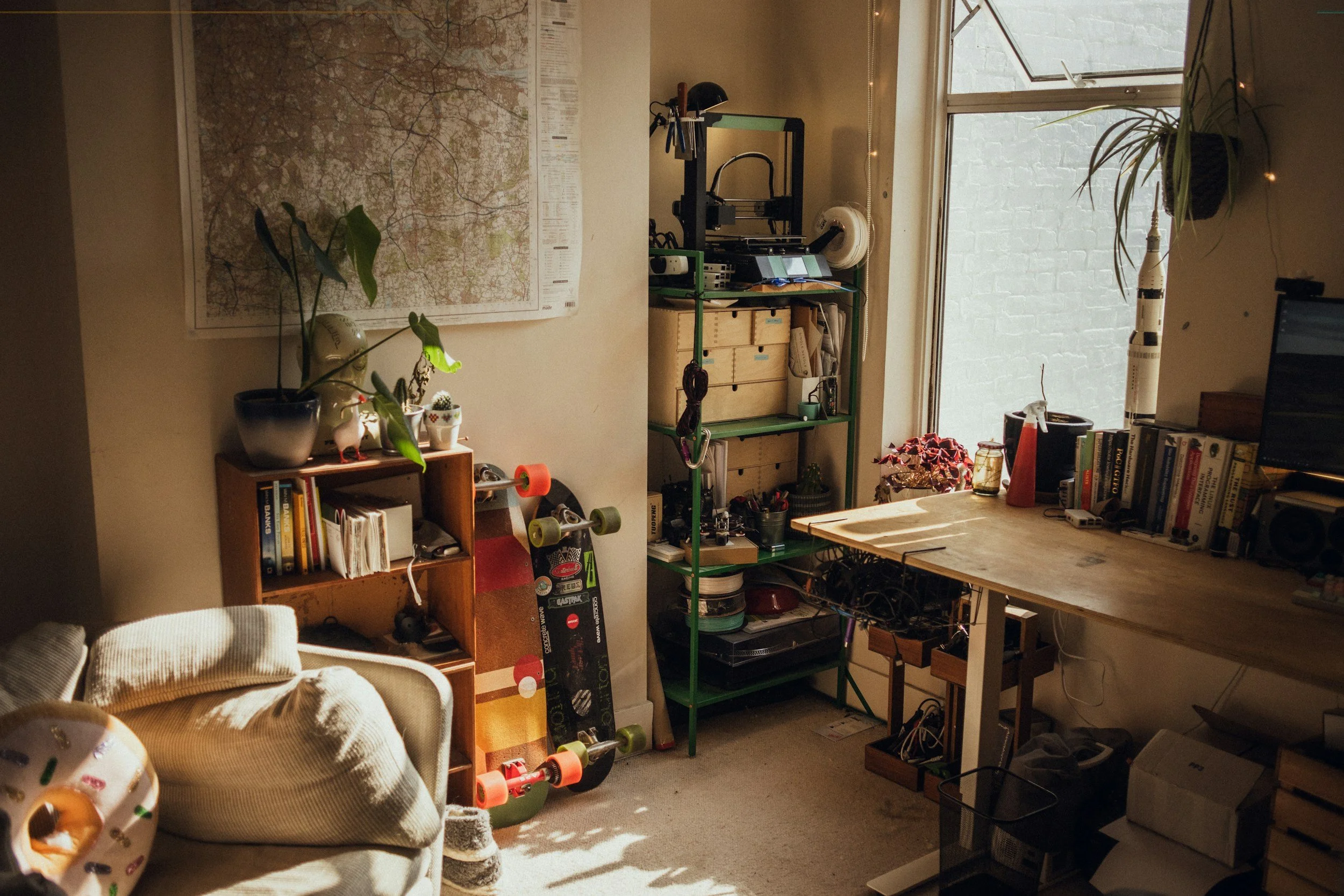
Organising your home can feel like a daunting task, especially when you’ve accumulated years’ worth of belongings. Whether you're planning a big move, downsizing, or simply craving a more organised space, the first step towards a clutter-free home is a house clearance.
We partnered with a home improvement company for this post. The opinions in the post are honest. All reviews and opinions expressed in this post are based on our personal views. We are excited because we know you will love it.
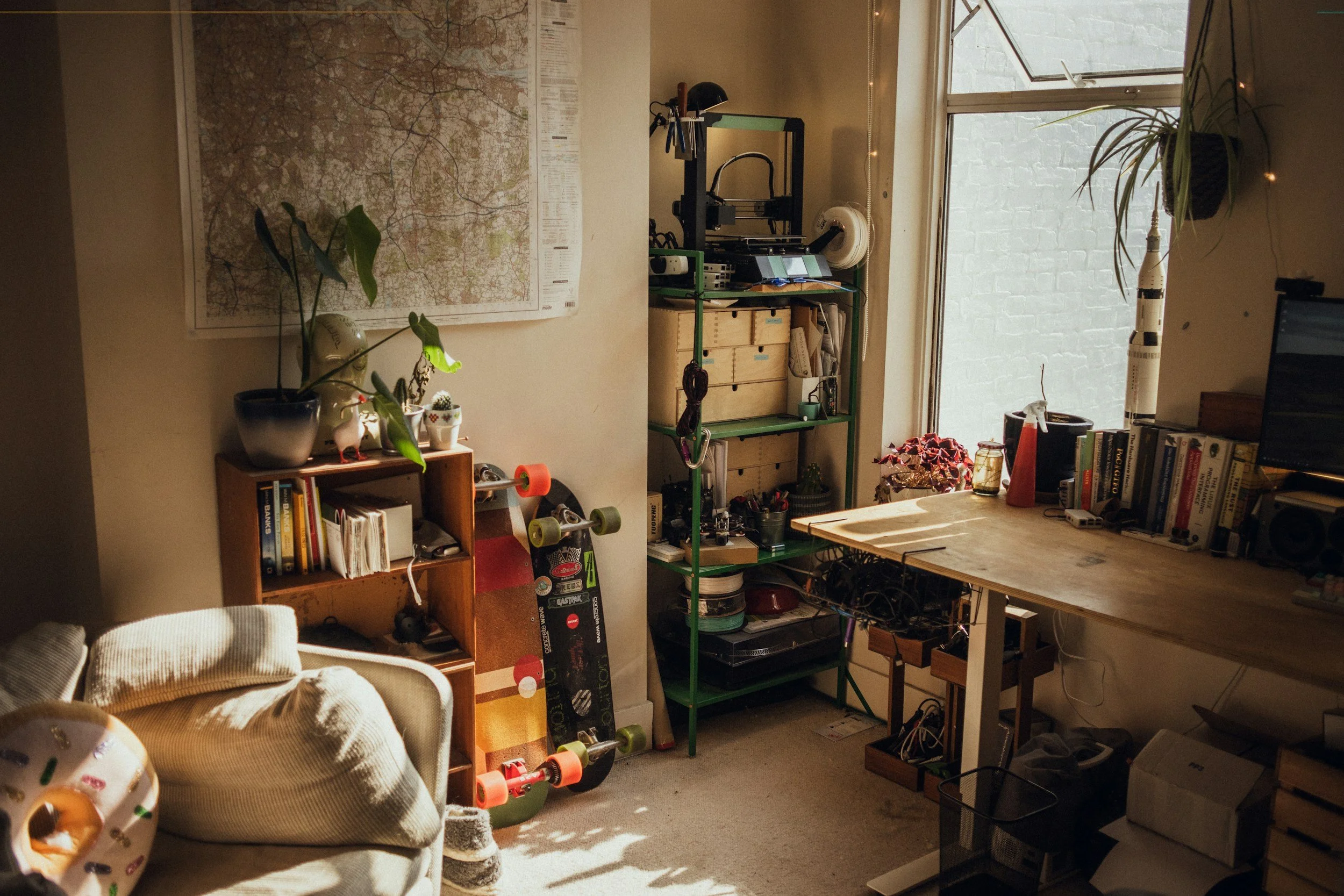
Organising your home can feel like a daunting task, especially when you’ve accumulated years’ worth of belongings. Whether you're planning a big move, downsizing, or simply craving a more organised space, the first step towards a clutter-free home is a house clearance.
Why Start with a House Clearance?
Before diving into fancy storage solutions or rearranging furniture, it’s essential to clear out the clutter. A house clearance involves getting rid of items you no longer need or use. This process not only frees up space but also makes it easier to organise what’s left.
Here are some compelling reasons to begin your home organisation journey with a house clearance:
1. Creates Space: By removing unnecessary items, you’ll instantly create more room, making it easier to organise.
2. Reduces Stress: Clutter can be overwhelming and stressful. A clear space often leads to a clearer mind.
3. Simplifies Cleaning: With fewer items to dust and tidy, cleaning becomes a much simpler task.
4. Increases Efficiency: Knowing where everything is saves time and makes daily routines smoother.
Step-by-Step Guide to an Effective House Clearance
Now that you’re convinced of the benefits, let’s get into the nitty-gritty of how to conduct a house clearance effectively.
1. Plan and Prioritise
Start by creating a plan. Decide which rooms or areas need the most attention. It might be the attic filled with old boxes, the garage packed with forgotten tools, or simply the kitchen overflowing with gadgets.
2. Sort Your Belongings
Go through each item and ask yourself:
Do I use this regularly?
Does it hold sentimental value?
Is it in good condition?
Sort your items into four categories: Keep, Donate, Sell, and Dispose of. The “Keep” pile should only include things you genuinely need or love.
3. Donate or Sell Unwanted Items
Items in good condition can be donated to local charities, shelters, or even friends and family. Alternatively, consider selling valuable items online or through a garage sale. This not only helps others but also gives your items a second life.
4. Dispose of Responsibly
For items that are broken or beyond use, ensure they are disposed of properly. Recycle electronics, paper, and plastics where possible, and take hazardous materials like old paint or batteries to a proper disposal facility.
5. Organise What’s Left
With the clutter gone, organising becomes a much easier task. Use storage solutions that work for you—shelves, bins, or baskets can help keep everything in its place. Labelling boxes and containers can also save you time searching for items later.
6. Maintain Your Space
The key to a well-organised home is maintenance. Regularly go through your belongings and repeat the house clearance process as needed. This ensures that clutter doesn’t build up again.
Tips for Staying Organised
One In, One Out: For every new item you bring into your home, try to remove one. This helps prevent clutter from accumulating.
Daily Tidying: Spend just 10-15 minutes a day tidying up. Small daily efforts can keep your home in top shape.
Set Reminders: Schedule regular reminders for tasks like decluttering your closet or cleaning out the pantry.
A well-organised home starts with a thoughtful and thorough house clearance. By eliminating clutter, you create a more functional and serene living space. Remember, organisation is an ongoing process, so take it one step at a time, and enjoy the newfound clarity and calm in your home. Happy organising!
5 Creative Sand Features for Stunning Landscape Design
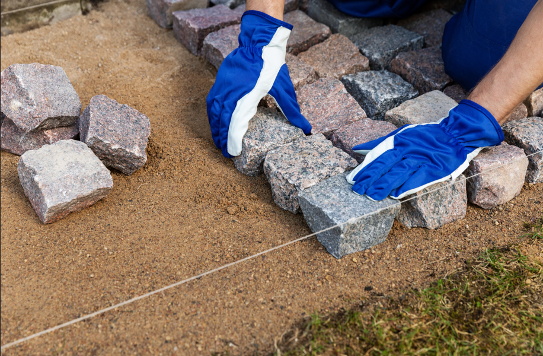
Incorporating sand into your landscape design can transform your outdoor space into a serene and visually appealing environment. Sand offers aesthetic and functional benefits, making it a versatile element in landscape architecture. The possibilities are endless, from creating soothing Zen gardens to crafting playful sand play areas. This article highlights five innovative sand features to inspire homeowners and landscape designers looking to enhance their outdoor spaces.
We partnered with a home improvement company for this post. The opinions in the post are honest. All reviews and opinions expressed in this post are based on our personal views. We are excited because we know you will love it.
Incorporating sand into your landscape design can transform your outdoor space into a serene and visually appealing environment. Sand offers aesthetic and functional benefits, making it a versatile element in landscape architecture. The possibilities are endless, from creating soothing Zen gardens to crafting playful sand play areas. This article highlights five innovative sand features to inspire homeowners and landscape designers looking to enhance their outdoor spaces.
Tranquil Zen Gardens
Zen gardens, also known as Japanese rock gardens, promote tranquility and meditation. Using sand to represent water and incorporating rocks to symbolize islands can create a calming oasis in your backyard. Raking patterns into the sand enhances the garden's meditative quality and adds an artistic touch. Consider adding elements like bamboo, moss, and small bridges for an authentic feel.
Benefits of a Zen Garden
Zen gardens, known for their simplicity and elegance, are an eco-conscious option due to their low-maintenance nature and minimal water requirements. Zen gardens offer a peaceful retreat, a tranquil corner in your backyard where you can relax, meditate, and practice mindfulness. Surrounded by the gentle arrangement of rocks, sand, and minimal greenery, you can easily find solace and reconnect with nature away from the hustle and bustle of daily life.
Coastal-themed Pathways
Sand pathways can evoke the feeling of a beach getaway, adding a laid-back, coastal vibe to your garden. Use fine, light-colored sand to create winding paths that meander through your landscape. Complement the pathways with seashells, driftwood, and coastal plants like ornamental grasses and succulents to enhance the beach-inspired theme.
Functional Aspects
Sand pathways are not only visually appealing but also practical. They are comfortable to walk on and can help with drainage, preventing water from pooling in your garden. Additionally, they are easy to install and modify, allowing for flexibility in your landscape design.
Playful Sand Play Areas
Creating a dedicated sand play area is a fantastic way to encourage outdoor play and creativity in children. Design a sandbox with soft, clean sand, and add toys like buckets, shovels, and molds for endless fun. For added comfort, consider placing the sandbox in a shaded area or installing a canopy to protect children from the sun.
Enhancing the Play Area
Incorporate natural elements like logs, rocks, and plants around the sandbox to create a more immersive and engaging environment. This will enhance the aesthetic appeal and offer more opportunities for imaginative play.
Serene Sand Pits
Sand pits are not just for children; they can also serve as relaxing lounge areas for adults. Create a cozy sand pit with comfortable seating, such as lounge chairs or hammocks, and surround it with lush greenery and soft lighting. The space can be a spot for reading, meditating, or just savoring the outdoors.
Versatility and Design
Sand pits can be customized to fit any size and shape, offering incredible versatility as an addition to any landscape. They can be easily integrated into existing garden features, such as patios or poolsides, to create a seamless and harmonious outdoor living space.
Artistic Sand Sculptures
Sand sculptures are a unique and eye-catching way to add an artistic element to your landscape design. Whether you hire a professional sculptor or try to create your own masterpieces, sand sculptures can range from simple forms to intricate designs. They can serve as focal points in your garden, drawing attention and sparking conversation.
Temporary and Ever-changing
One of the appealing aspects of sand sculptures is their temporary nature. The ability to reshape and redesign the sculptures over time enables continuous creativity and change. It also keeps your landscape dynamic and engaging, with new features to admire each season.
Incorporating sand features into your landscape design can elevate your outdoor space's aesthetic and functional value. From tranquil Zen gardens to playful sand areas and artistic sculptures, sand offers endless possibilities for creativity and relaxation. By embracing these innovative sand features, you can create a stunning landscape that reflects your style and enhances your outdoor living experience. Contact a supplier such as Denton Sand & Gravel Inc for additional choices and details.

