

A resource for those seeking information on organizing and transforming spaces.

10 Trends in Solar Installation Technology
Solar power has gained popularity in the last ten years, with both individuals and companies switching to clean energy sources. As the demand for solar installation rises, so does the technology supporting it. In this featured post, we'll discuss ten trends in solar installation tech that are reshaping the industry.
We partnered with a home improvement company for this post. The opinions in the post are honest. All reviews and opinions expressed in this post are based on our personal views. We are excited because we know you will love it.

Solar power has gained popularity in the last ten years, with both individuals and companies switching to clean energy sources. As the demand for solar installation rises, so does the technology supporting it. In this featured post, we'll discuss ten trends in solar installation tech that are reshaping the industry.
1. Enhanced Solar Panels and Modules
Improvements in solar panel technology have boosted efficiency and performance. Through materials and design methods, solar panels can absorb sunlight, producing more electricity even under less favourable conditions. High-efficiency modules now enable power generation from rooftop space as part of the solar installation in Ballarat.
2. Energy Storage Solutions
Battery storage systems are now an essential component of setups, allowing homes and businesses to store excess electricity generated during peak times. This stored energy can then be utilised during low light or nighttime hours when solar panel output is reduced.
3. Intelligent Inverters and Optimisers
Inverter tech has seen advancements with the introduction of inverters and optimisers. These devices optimise power output by addressing issues like shading or variations in panel orientation within an installation.
By keeping an eye on how each solar panel performs and adjusting the conversion of DC to AC power in time, smart inverters play a key role in maximising the efficiency of the entire system and boosting overall energy production.
4. Integrated Microinverter Systems
Microinverter systems have become increasingly popular because they can convert DC electricity into AC power at the level of each panel rather than centrally within the system. This setup offers flexibility in designing the system, enhances performance in situations with partial shade or dirt, and makes it easier to expand the system as needed.
5. Remote Monitoring Systems
The use of monitoring systems allows us to access up-to-the-minute data on how a solar installation is performing right from our fingertips. By logging into a smartphone app or website portal, users and service providers can track metrics such as energy production and quickly identify any issues affecting performance.
6. Advanced Mounting and Racking Systems
The stability and durability of panels heavily rely on the mounting and racking components used. Recent advancements have introduced materials like aluminium alloys that are both lightweight and sturdy, making installation processes simpler while reducing system weight and costs.
7. Artificial Intelligence (AI) and Predictive Analytics
Thanks to intelligence (AI) algorithms and predictive analytics technology, solar installers now have tools to fine-tune system designs for efficiency. These tools use a variety of data, including weather patterns, past energy demand records, and building characteristics, to decide on the placement of solar panels, angles for tilting them, and estimates of energy production.
8. Solar Roof Tiles
Solar roof tiles are designed with aesthetics in mind to promote energy adoption. They offer an alternative to panels by integrating photovoltaic cells directly into stylish roofing materials. These pleasing installations seamlessly blend in with any style.
9. Energy Monitoring Software
Advancements in software now allow users to accurately track their electricity usage patterns and easily identify areas where energy can be saved or wasted. By providing real-time insights into consumption habits through user dashboards, people can smartly make choices about reducing their reliance on conventional power sources.
10. Transparent Solar Panels
Transparent solar panel technology enables applications such as windows, skylights, or even vehicle surfaces that can convert sunlight into electricity without obstructing the view. This innovation creates opportunities for incorporating power generation into different aspects of daily life while maintaining natural lighting conditions.
Conclusion
As the world moves towards an energy future powered by sunlight, these ten trends in solar installation technology showcase how the industry continuously evolves to meet efficiency targets without sacrificing aesthetics or functionality.
Enhanced panel efficiency, along with state-of-the-art monitoring systems and groundbreaking innovations such as see-through panels, are pivotal in promoting the use of renewable energy sources. By embracing these progressions alongside financing options, we move closer to securing sustainable energy for generations to come.
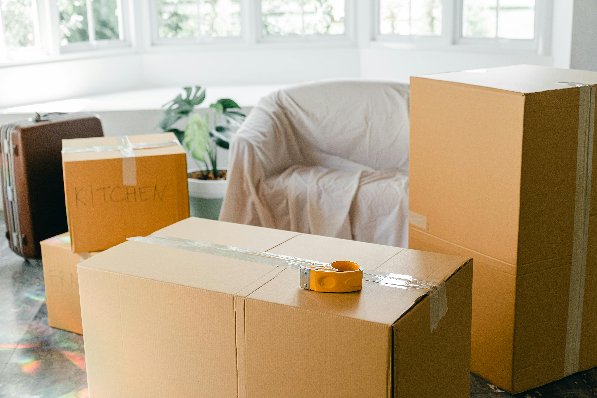
How You Can Utilize Storage Units in the Midst of Moving
Moving can often feel overwhelming, with numerous tasks to manage and decisions to make. One practical solution to ease this process is utilizing storage units. They offer a flexible space to store your belongings during a move, helping to simplify various aspects of the transition. From decluttering your home to safeguarding valuables, storage units provide options that can enhance your moving experience. In this article, we will explore how storage units can assist you during different stages of the moving process, making everything more manageable and organized.
Moving can often feel overwhelming, with numerous tasks to manage and decisions to make. One practical solution to ease this process is utilizing storage units. They offer a flexible space to store your belongings during a move, helping to simplify various aspects of the transition. From decluttering your home to safeguarding valuables, storage units provide options that can enhance your moving experience. In this article, we will explore how storage units can assist you during different stages of the moving process, making everything more manageable and organized.
Decluttering Your Home
Decluttering your home before a move can significantly ease the packing process. A storage unit provides a convenient space to temporarily keep items you may not need during the transition. This allows you to go through your belongings at your own pace without feeling overwhelmed or cramped. You can assess each item thoughtfully, deciding what to keep, sell, or donate without the pressure of packing everything at once. Additionally, the extra space in your home can help create a more organized environment, making it easier for you to focus on the logistics of moving.
Organizing Your Space
Using a storage unit can help you organize your space even before you begin packing. By placing less frequently used items in storage, such as seasonal clothes or holiday decorations, you can make your living space more manageable. This organization can make it easier to identify which items you really want to move with you. Having a clear space can reduce stress and improve efficiency while you sort through everything. When you’re ready to move, you'll have a better sense of what’s left and what you truly want to take.
Preparing for Downsizing
If you’re moving to a smaller space, a storage unit can be an ideal solution during your transition. It allows you to gradually downsize your belongings and find a place for everything. You'll have the opportunity to store furniture or items that don’t fit in your new home but may be useful later. When you have a storage unit, you can take your time deciding what to keep in your new space. This can lead to a more thoughtful approach to your new living situation, where you carefully consider what you bring into your life.
Storing Items for Staging
For those looking to sell their home before moving, using a storage unit for staging can make a significant difference in presentation. Emptying out rooms of excess furniture and personal items can help prospective buyers envision themselves living there. A storage unit provides a temporary home for these items while your house is on the market. By creating a more open and inviting atmosphere, you can potentially increase the attractiveness of your property. With fewer items in sight, each room can appear larger, helping to market your home more effectively.
Safeguarding Valuables
A storage unit can be an excellent option for safeguarding valuable items while preparing for your move. Whether it’s important documents, heirlooms, or expensive electronics, you can store these items securely away from the chaos of packing. Many storage facilities offer climate-controlled units, giving you peace of mind that your belongings are protected from temperature fluctuations. This is particularly important for items that may be sensitive to changes in the environment. By keeping your valuables in storage, you can focus on your moving tasks without worrying about their safety.
In summary, using a storage unit, like those at Du Frane Moving & Storage, during your move can greatly simplify the process and help you navigate changes with ease. Whether you’re decluttering, organizing your space, preparing for downsizing, staging your home for sale, or safeguarding your valuables, a storage unit offers a practical solution at every step. By providing additional space and flexibility, it allows you to focus on what truly matters—making your new house feel like home.

Luxury NDIS Housing: 8 Key Inclusions
When exploring luxury NDIS (National Disability Insurance Scheme) housing, understanding the key inclusions is essential for ensuring that a property not only caters to the specific needs of individuals with disabilities but also provides a high standard of living.
We partnered with a real estate company for this post. The opinions in the post are honest. All reviews and opinions expressed in this post are based on our personal views. We are excited because we know you will love it.

When exploring luxury NDIS (National Disability Insurance Scheme) housing, understanding the key inclusions is essential for ensuring that a property not only caters to the specific needs of individuals with disabilities but also provides a high standard of living.
Delving into these inclusions can offer valuable insights into how accessibility, comfort, and opulence can be seamlessly integrated. By focusing on features such as advanced safety systems, top-notch finishes, and smart home technology, individuals can gain a comprehensive understanding of what defines true luxury in the context of NDIS home options. This awareness empowers them to make informed decisions that reflect both their personal tastes and the highest standards of living.
When evaluating luxury disability housing, several key aspects should be considered to ensure the property meets the needs and expectations of its occupants while maintaining exceptional quality and comfort. Here’s a detailed look at the essential inclusions:
1. Accessibility Features
A luxury NDIS housing property should embrace universal design principles to create an environment that caters to individuals with varying abilities, ensuring ease of use and accessibility. This includes features like ramps for smooth transitions, wide doorways for effortless navigation, and clear floor spaces to reduce obstacles and enhance safety.
Customised modifications further elevate the living experience by offering adjustable kitchen counters, accessible bathroom fixtures, and user-friendly controls for lighting and heating, allowing the space to adapt to individual needs and preferences.
Additionally, full wheelchair accessibility is essential, with features such as roll-in showers, grab bars, and lowered counters designed to support mobility and comfort. These elements not only meet regulatory requirements but also promote independence and dignity, ensuring that residents can fully enjoy their living space with enhanced functionality and ease.
2. Comfort and Luxury Elements
Luxury disability homes should feature high-quality finishes that include premium materials like hardwood flooring, high-end appliances, and elegant fixtures, all contributing to a sophisticated and refined living environment.
Generous room sizes and open-plan layouts enhance comfort and ease of movement, making daily activities more enjoyable and accessible.
Additionally, advanced climate control systems, such as underfloor heating and sophisticated air conditioning, ensure a luxurious and comfortable living experience throughout the year. Together, these elements create a living space that combines elegance, practicality, and comfort, meeting the highest standards of luxury while accommodating the needs of its residents.
3. Safety and Security
A luxury NDIS housing property should be equipped with advanced safety systems to ensure the well-being of its residents. This includes features like emergency alarms, accessible fire exits, and secure entry points that are designed to protect residents in case of emergencies.
The availability of on-site or easily accessible support services, such as caregivers or medical professionals, enhances safety and provides peace of mind for both residents and their families, knowing that help is readily available when needed.
Integrated security systems, including CCTV and alarm systems, add another layer of protection, ensuring a secure living environment and safeguarding against potential threats. Together, these safety and security features create a reassuring and safe living space, allowing residents to enjoy their luxury home with confidence.
4. Technology and Automation
Incorporating smart home technology into supported disability accommodation allows residents to control lighting, temperature, and other systems through voice commands or mobile apps, adding a modern touch to their living space and enhancing convenience.
Assistive technology further tailors the property to residents’ needs, featuring smart sensors and communication devices that facilitate easier interaction and management of the home environment.
Reliable and high-speed internet access is crucial for ensuring residents stay connected and engaged, supporting both communication and entertainment needs.
Such technological advancements not only improve the functionality of the home but also contribute to a more enjoyable and connected living experience.
5. Lifestyle Enhancements
Luxury NDIS housing frequently features a range of recreational facilities designed to enhance the overall quality of life for residents. These amenities, such as private gardens, swimming pools, and gyms, cater to diverse interests and provide opportunities for relaxation and physical activity.
Social spaces like communal lounges and outdoor entertaining areas are integral to fostering social engagement and building a sense of community, allowing residents to connect and interact in a comfortable setting.
Personalised services further elevate the luxury experience, offering conveniences such as personal chefs, housekeeping, and tailored wellness programs that make daily life more enjoyable and effortless. These elements combine to create a living environment that not only meets functional needs but also enriches the lifestyle and well-being of its residents.
6. Compliance and Certification
When considering luxury NDIS housing, it is essential to ensure that the property meets Specialist Disability Accommodation (SDA) standards, which are specifically designed to support high-needs residents and provide a compliant living environment.
Additionally, verifying that the housing provider is registered with the NDIS and adheres to all relevant regulations and standards is crucial for ensuring a high-quality and regulated living experience. Award-winning SDA housing designs often feature innovative elements that comply with these regulations, reflecting a commitment to both exceptional design and high standards of care.
It is important to select properties that undergo regular inspections and maintenance to uphold these high-quality standards, ensuring a reliable and well-maintained living environment for residents.
7. Location and Accessibility
When choosing luxury NDIS housing, it is vital to consider the property's proximity to essential amenities such as medical facilities, shopping centres, and public transportation, ensuring convenience and accessibility for residents.
Properties that offer scenic views or access to natural surroundings can significantly enhance the living experience, providing a pleasant and enriching environment that contributes to overall well-being.
Evaluating how well the housing integrates into the local community is crucial, as strong community integration supports social inclusion and participation in local activities, further enhancing the quality of life and fostering a sense of belonging for residents.
8. Financial Considerations
When considering luxury NDIS housing, it is important to understand the financial aspects, including how the property is funded and any available subsidies or support through the NDIS. This ensures that the investment is financially viable and aligns with budgetary constraints. Be aware of ongoing maintenance costs associated with the property and its services.
Ensuring that these costs are manageable within the NDIS funding framework is crucial to avoid financial strain and ensure the long-term sustainability of the investment.
Understanding these financial considerations helps to make informed decisions and maintain a balanced and supportive living environment.
Conclusion
Luxury NDIS housing should offer a blend of accessibility, comfort, safety, technology, and lifestyle enhancements to cater to the unique needs of individuals with disabilities. By focusing on these key inclusions, you ensure that the housing not only meets regulatory requirements but also provides a superior standard of living.
This comprehensive approach not only addresses functional and practical needs but also embraces the essence of luxury, ensuring that residents experience both comfort and elegance in a truly luxurious and supportive environment.
As a result, luxury NDIS housing becomes more than just a place to live; it transforms into a thoughtfully designed sanctuary that enhances the quality of life, providing a nurturing and supportive environment tailored to individual needs and preferences.

How to Declutter Your Home
Illinois, with its bustling cities and quiet suburbs, mirrors the typical American household's battle with clutter. From Chicago's high-rise apartments to the more spacious homes in Springfield, residents face the constant challenge of managing their living spaces. Decluttering isn’t just about aesthetics; it’s about functionality and peace of mind. By clearing out the unnecessary, you can transform your home into a more enjoyable and productive space.
Illinois, with its bustling cities and quiet suburbs, mirrors the typical American household's battle with clutter. From Chicago's high-rise apartments to the more spacious homes in Springfield, residents face the constant challenge of managing their living spaces. Decluttering isn’t just about aesthetics; it’s about functionality and peace of mind. By clearing out the unnecessary, you can transform your home into a more enjoyable and productive space.
1. Set Clear Goals
Before diving into the piles of stuff you've accumulated, it's crucial to set clear, achievable goals. Ask yourself what you hope to achieve through decluttering. Are you looking to free up more space in your living room for hosting gatherings? Maybe you need to organize your home office to boost productivity. Setting specific objectives helps you stay focused and motivated throughout the process. Write these goals down and keep them visible to remind yourself of the purpose behind the effort.
2. Start with Small Spaces
Tackling a whole house can be daunting. Instead, start small—choose a drawer, a shelf, or even the medicine cabinet. This approach helps build momentum without becoming overwhelming. As you progress, each small victory will encourage you to tackle larger areas. If you're looking for facilities that provide self storage Springfield has several options to store items you aren’t ready to part with. This can be especially useful for seasonal items or belongings you’re not yet ready to sell or donate.
3. Use a Sorting System
A systematic approach can make the decluttering process smoother and more effective. Use the "Keep, Donate, Throw Away" system to sort through your belongings. Keep items that are essential or bring you joy. Donate things that are in good condition but no longer serve a purpose in your life. Finally, responsibly dispose of items that are no longer usable. Being decisive in this stage is crucial; if you hesitate on numerous items, you might just shuffle them around without making real progress.
4. Tackle One Room at a Time
Once you've warmed up with smaller tasks, choose one room to focus on. This might be the kitchen, where decluttered counters can make daily routines easier, or the bedroom, where a minimalistic environment can enhance relaxation. Start by removing everything that doesn't belong in the room and then go through each item that remains. This method not only clears the space but also gives you a chance to rethink the room’s layout and functionality.
5. Digitize What You Can
In today's digital age, there's no need to keep stacks of papers, old bills, and documents. Scanning and storing these digitally can significantly reduce physical clutter. Photographs, CDs, and DVDs can also be converted to digital formats, freeing up space and preserving memories more securely. Consider using cloud storage solutions or external hard drives to keep these digital files safe and accessible. This not only clears up your physical space but also makes it easier to find these items when you need them.
6. Sell Unwanted Items
Explore local online websites or organize a garage sale to sell items you no longer need. This can be a motivating way to declutter, as you convert unused items into cash. Provide practical tips for setting up an online sale, such as taking clear photos and writing honest descriptions. Also, suggest appropriate pricing strategies to ensure items sell quickly.
7. Donate Items
Identify items that are still in good condition but no longer needed and donate them to local charities or thrift stores. Highlight the types of items most charities accept and mention any tax benefits of donating. Encourage readers to consider the positive impact their donations can have on the community and the environment.
8. Implement Storage Solutions
To maximize the functionality and appearance of your home, implementing innovative storage solutions is essential. Consider installing custom shelves to utilize vertical space effectively or using under-bed containers for out-of-season clothing and bedding. Optimize your closet by adding multi-level hangers, shoe racks, and clear bins for accessories. Think creatively: back-of-door hooks can hold bags and coats, while magnetic strips in the kitchen manage spice containers. The goal is to ensure that each item has a designated place, which not only keeps your home organized but also makes daily tasks more efficient and less stressful.
9. Maintain a Decluttering Habit
Maintaining a decluttering habit is crucial for ensuring that your home doesn’t revert to its previous state. Establish regular decluttering sessions—perhaps once a month or whenever a certain area becomes disorderly. Make it a routine part of your household chores. Teach all household members to handle clutter immediately, whether it’s mail, clothing, or dishes. Encourage the adoption of minimalist principles where possible, emphasizing the importance of quality over quantity. By integrating these practices into daily life, you keep your environment orderly and conducive to a calm, productive lifestyle.
10. Involve the Household
Involving every household member in the decluttering process not only distributes the workload but also promotes a sense of responsibility and teamwork. Make decluttering a family activity by assigning tasks suited to each person’s age and ability. For instance, children can sort their toys, while adults tackle more complex areas like the garage or attic. Establish clear, achievable goals for each session, perhaps followed by a family reward like a movie night or a special dinner. This approach ensures that the decluttering process becomes an integral part of your family’s routine, fostering a shared commitment to a tidy and organized home.
Conclusion
Recap the benefits of a decluttered home, including less stress, more space, and a more aesthetically pleasing environment. Encourage readers to take the first step and keep up the effort, emphasizing that decluttering is not just a one-time task but a continuous process that can significantly enhance the quality of their home life.

