

A resource for those seeking information on organizing and transforming spaces.
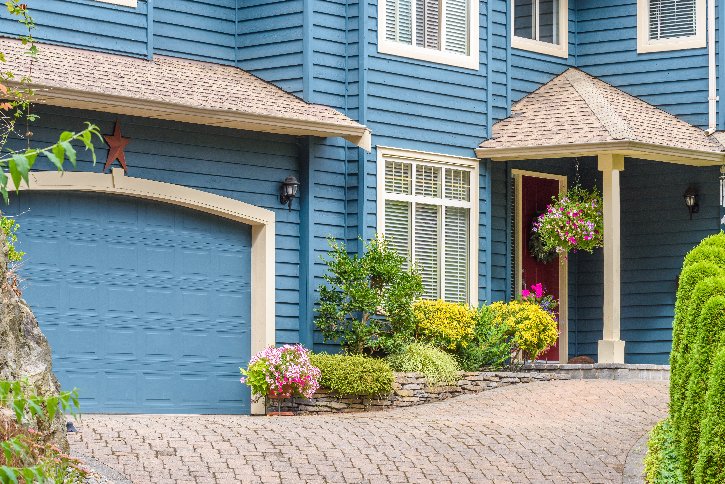
How to Make Sure Your Home Makes a Perfect First Impression
As a homeowner, you want your home to make a great first impression on visitors and potential buyers. The exterior of your house is the first thing people see, so it's important to ensure that it looks inviting and well-maintained. In this blog post, we will explore five key tips on ensuring your home makes a perfect first impression.
As a homeowner, you want your home to make a great first impression on visitors and potential buyers. The exterior of your house is the first thing people see, so it's important to ensure that it looks inviting and well-maintained. In this blog post, we will explore five key tips on ensuring your home makes a perfect first impression.
Curb Appeal
Your home's curb appeal plays a crucial role in making a good first impression. Ensure your lawn is well-manicured, the driveway is clean, and any walkways are debris-free. Consider adding colorful flowers or plants to add a pop of color and visual interest. Incorporate elements such as neatly trimmed hedges and strategically placed garden lighting to highlight key features. Ensure that fences and gates are in good repair and freshly painted if needed. Adding a charming mailbox or upgrading to stylish house numbers can enhance your home's exterior.
Additionally, consider placing seasonal decorations or a tasteful wreath on your front door for added charm. Pressure-washing and cleaning your home's facade and maintaining the cleanliness of outdoor furniture will further contribute to an attractive and inviting appearance. Paying attention to these details can significantly boost your home's curb appeal and make a lasting positive impression.
House Exterior
Take a close look at the exterior of your house and address any areas that need attention. This could include touching up paint, replacing broken siding or shingles, or cleaning windows and gutters. A fresh coat of paint can do wonders in giving your home a facelift and making it look well-maintained., whether that's done yourself or through a service like Associated Paint, Inc. Ensure the roof is in good condition by checking for and replacing any damaged or missing shingles. Pressure wash the exterior walls to remove dirt and mildew, which can accumulate over time. Don't forget to inspect and clean outdoor fixtures such as light fittings and doorbells, and consider upgrading them if they appear outdated. Maintaining a tidy lawn and trimming overgrown bushes or trees will enhance your home's curb appeal. By systematically addressing these aspects, you can ensure that your house's exterior remains attractive and inviting.
Inviting Entryway
The entryway is where guests will get their first glimpse inside your home, so it's important to make it welcoming. Consider adding potted plants or flowers, a new welcome mat, or updating the front door with a fresh coat of paint or new hardware. Lighting can also play a key role in creating an inviting entryway, so consider adding some outdoor lighting fixtures such as sconces or lanterns to enhance visibility and ambiance. Keep the area tidy by sweeping away debris and ensuring that any seasonal decorations are tasteful and in good condition. A decorative wreath or stylish house numbers can add a personal touch, while a bench or small seating area can offer a comfortable spot for guests to remove their shoes. By paying attention to these details, you can create a warm and inviting entryway that sets a positive tone for the rest of your home.
Pay Attention to Details
Small details can make a big impact when making a good first impression. Ensure all outdoor furniture is clean and in good condition, replace any burnt-out light bulbs, and clear pathways of clutter. Pay attention to the little things like house numbers, mailbox design, and even the cleanliness of your trash bins. Ensure that windows are sparkling clean, door hardware is polished, and any peeling paint is touched up promptly. Adding tasteful accessories such as welcome mats and potted plants can enhance overall appearance. Don't overlook the importance of a well-maintained driveway, as any cracks or stains can detract from your home's exterior appeal. By focusing on these small yet significant details, you can create a welcoming and polished look that leaves a lasting positive impression.
Keep Things Fresh
Finally, one of the best ways to ensure that your home makes a perfect first impression is to keep things fresh and updated regularly. Consider changing seasonal decorations or adding new landscaping features to keep things interesting for visitors and passersby. Regularly update your outdoor furniture and accessories to reflect current trends and enhance your home's curb appeal. Simple tasks such as repainting your front door, planting colorful flowers, or maintaining a well-manicured lawn can make a significant difference. Keeping your home's exterior clean and clutter-free is crucial in creating an inviting atmosphere. Making periodic updates and taking care of minor details ensures your home remains attractive and welcoming year-round.
Ensuring your home makes a perfect first impression is essential for personal enjoyment and potential resale value. By focusing on curb appeal, maintaining the house exterior, creating an inviting entryway, paying attention to details, and keeping things fresh, you can ensure that your home always looks its best when someone sees it. Remember that small changes can make a big impact when creating an inviting and welcoming atmosphere for guests and visitors alike.
Comparing the Most Common Siding Materials: Pros and Cons
Discover the pros and cons of the most common siding materials so you can make an informed choice for your home!
Choosing the right siding material for your home is an exciting journey that blends creativity with practicality. The siding you select will not only shape the look and feel of your home but also influence its longevity, energy efficiency, and how much upkeep it will require. With a myriad of options available, the decision might seem daunting at first, but it’s also an opportunity to discover new materials and designs that match your vision perfectly. In this guide, we're here to simplify the process by comparing some of the most common siding materials used in residential construction. We’ll break down their pros and cons to help you make an informed and confident choice. Let’s dive in and explore your options!
Vinyl Siding
Vinyl siding remains an unparalleled favorite among homeowners for its excellent balance of affordability, durability, and minimal upkeep. Available in an extensive array of colors, textures, and profiles, vinyl siding can mimic the look of wood, stone, or even cedar shakes, offering tremendous flexibility to suit diverse architectural styles. Its composition ensures resistance against rot, insect damage, and fading, which provides robust, long-lasting protection for your home. Unique advancements, such as insulated vinyl siding, also offer enhanced energy efficiency, contributing to lower utility bills. While one should beware that vinyl can crack or warp under severe weather conditions—particularly in areas subjected to extreme heat or cold—its overall resilience and the ease with which damaged panels can be replaced make it a preferred choice. Additionally, it's noteworthy that vinyl siding can be a more eco-friendly option than previously thought; many manufacturers now offer recycled and recyclable products.
Wood Siding
Wood siding provides a natural and timeless appeal that imbues any home with warmth and character. Commonly chosen for its aesthetic beauty, cedar and redwood stand out due to their inherent resistance to rot and insect damage. These types of wood not only offer durability but also allow for customization through painting or staining, enabling homeowners to match their desired color schemes and style preferences. However, the charm of wood siding comes with the need for diligent upkeep; regular maintenance, such as painting or staining every few years, is essential to protect the wood from moisture and adverse weather conditions that can cause rotting and warping. Additionally, homeowners must be aware of the higher susceptibility of wood to fire damage, although fire-retardant treatments can provide some mitigation. Despite these considerations, the visual and tactile qualities of wood siding, coupled with its insulation properties, make it a cherished choice for those seeking a unique and classical exterior for their home.
Fiber Cement Siding
Fiber cement siding stands out as an incredibly durable and low-maintenance option that provides the visual appeal of wood or stucco without their associated vulnerabilities. Composed of a blend of cement, sand, and cellulose fibers, this material is renowned for its resistance to rot, fire, insects, and even the harshest weather conditions, making it a sensible long-term investment. Homeowners often appreciate fiber cement for its versatility, as it can be painted in almost any color and comes in various styles, including clapboard, shingles, and even panels that mimic brick or stone. Although the installation costs may be higher and the material's weight can pose some challenges during installation, its longevity typically offsets these initial expenses. Additionally, fiber cement siding boasts exceptional stability, decreasing the likelihood of cracks, swelling, or warping over time, unlike vinyl or wood. Manufacturers often offer extensive warranties, sometimes up to 50 years, adding an extra layer of confidence for homeowners looking to enhance their property’s curb appeal and structural integrity.
Metal Siding
Metal siding, often crafted from aluminum or steel, is renowned for its impeccable durability and steadfast resistance to fire, insects, and rot, making it a solid choice for longevity. Its lightweight nature simplifies installation, which can result in lower labor costs, and it requires minimal maintenance throughout its extensive lifespan. Available in various finishes—ranging from sleek, smooth surfaces to textured designs that can mimic wood grain or architecturally bold panels—metal siding offers vast flexibility in aesthetic customization. One of the standout benefits of metal siding is its superior ability to reflect solar radiant heat, enhancing energy efficiency during hot summers. Additionally, contemporary manufacturing techniques have introduced more resilient coatings that protect against fading and corrosion, even in the saltiest coastal environments. However, it's important for homeowners to consider that metal siding can be susceptible to dents and scratches, particularly from hailstorms or flying debris. Investing in high-gauge metal options can mitigate this issue, ensuring a tougher, more impact-resistant exterior. Moreover, many metal siding products are now made from recycled materials and are fully recyclable, making them an eco-friendly choice for environmentally conscious homeowners.
Brick Siding
Brick siding is renowned for its unparalleled durability, timeless aesthetic, and minimal maintenance requirements, making it a perennial favorite among homeowners. Its exceptional thermal mass properties contribute to superior insulation, helping to keep homes cooler in summer and warmer in winter, thereby reducing energy bills significantly. Beyond its fire-resistant nature, brick siding also excels in sound insulation, offering a quieter, more serene indoor environment. Available in various colors, textures, and sizes, brick can be customized to complement both traditional and modern architectural styles, enhancing curb appeal and adding value to the property. While the initial investment for brick siding can be higher than other materials, its longevity—often exceeding 100 years with minimal upkeep—makes it a cost-effective choice in the long run. Repairs, though potentially intricate due to the material's weight and installation complexity, are infrequent and typically involve replacing individual bricks rather than entire sections. Furthermore, brick’s natural composition makes it an environmentally friendly option, and its inherent resistance to pests and weather elements ensures lasting protection for your home, providing peace of mind for generations to come.
In conclusion, selecting the ideal siding material for your home is a significant decision that balances aesthetics, functionality, and personal preferences. With so many excellent options available, from the classic charm of wood to the robust durability of metal and the enduring elegance of brick, there's a perfect choice to complement any style and environment. Remember, this is more than just a practical choice—it's an opportunity to enhance your home's curb appeal and long-term value. Don't be daunted by the many choices; instead, embrace the chance to find a material that resonates with your vision and meets your needs.
Consulting with experienced professionals, like the team at Maynor Roofing, Siding, and Home Repair Company, can provide invaluable insights and tailored recommendations. They can help you navigate through the options, weighing factors such as climate, maintenance requirements, and budget, to ensure you make an informed and confident decision. With the right siding, your home will not only stand up to the elements but also shine with unmatched beauty and character. Invest in quality siding today for a more beautiful, secure, and energy-efficient home tomorrow!

The Ultimate Guide to Preparing Your Home for Exterior Painting
Are you looking to freshen up the look of your home by giving it a new coat of paint? Before you pick up that paintbrush, it's crucial to properly prepare your home's exterior to ensure a long-lasting and professional finish. This comprehensive guide will walk you through the essential steps to take in order to get your home ready for exterior painting. From cleaning and repairing surfaces to applying primer and taking pest control measures, this guide will ensure you are informed.
We partnered with a home improvement company. for this post. The opinions in the post are honest. All reviews and opinions expressed in this post are based on our personal views. We are excited because we know you will love it.
Are you looking to freshen up the look of your home by giving it a new coat of paint? Before you pick up that paintbrush, it's crucial to properly prepare your home's exterior to ensure a long-lasting and professional finish. This comprehensive guide will walk you through the essential steps to take in order to get your home ready for exterior painting. From cleaning and repairing surfaces to applying primer and taking pest control measures, this guide will ensure you are informed.
Cleaning Surfaces
The first step in preparing your home for exterior painting is to thoroughly clean all surfaces that will be painted. Use a pressure washer or hose with a nozzle attachment to remove dirt, grime, and mildew from the walls. Pay special attention to areas that are prone to mold growth, such as shaded spots or areas near plants. Make sure you allow the surfaces to dry completely before moving on to the next step.
Repairing Surfaces
After cleaning, inspect the exterior of your home for any signs of damage or wear and tear. Look for cracks in the stucco, wood rot on trim boards, or peeling paint on windowsills. Use caulk or wood filler to repair any cracks or holes, sand down rough surfaces, and replace any damaged trim pieces. Taking the time to properly repair surfaces will ensure a smooth and even finish when you start painting.
Priming Surfaces
Once all surfaces have been cleaned and repaired, it's time to apply primer before painting. Primer helps seal porous surfaces, provides better adhesion for paint, and improves durability. Choose a high-quality primer that is suitable for the type of surface you are painting, such as wood primer for wooden trim. Apply primer using a brush or roller in even strokes and allow it to dry completely before applying paint.
Protecting Surfaces
Before you start painting, make sure to protect any surfaces that you don't want to get paint on. Cover plants and landscaping with drop cloths or plastic sheeting, remove or cover outdoor furniture, and use painter's tape to protect windows, doors, and trim.
Pest Control Measures
Before painting your home's exterior, it's important to address any pest control issues that may affect the longevity of your paint job. Make sure a pest control company like Paffy's Pest Control inspects the exterior of your home for signs of pests, such as termites, ants, or rodents. Seal off entry points where pests may be entering your home, and consider hiring a professional pest control service if needed. Taking proactive measures against pests will help protect your newly painted surfaces from damage.
Final Touches
After cleaning, repairing, priming, and addressing any pest control issues, your home is finally ready for painting! Choose high-quality exterior paint in colors that complement your home's architecture and landscaping. Apply paint using a brush or roller in thin layers for even coverage, and allow each coat to dry completely before applying another one. Don't forget about finishing touches such as trim work or accents. These details can make all the difference in enhancing the overall appearance of your home.
Preparing your home for exterior painting may seem like a daunting task at first, but by following these essential steps – cleaning surfaces, repairing damage, priming surfaces, protecting surfaces, and addressing pest control issues – you can ensure a successful paint job that will stand the test of time. Taking the time to properly prepare your home will not only improve its curb appeal but also protect it from environmental damage and pests in the long run. Be sure to roll up those sleeves, gather your supplies, and get ready to transform your home with a fresh coat of paint.
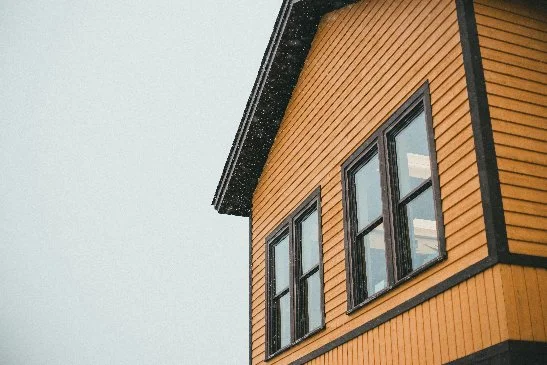
Transform Your Home’s Exterior: Expert Advice on Siding Choices
Is your home's exterior looking a little tired or outdated? You're not alone! Many homeowners struggle with trying to find the best siding options for their homes. But don't worry, because we have expert advice that will help transform your home's exterior and give it the fresh look it deserves. Whether you're looking to increase curb appeal or improve energy efficiency, we've got you covered. Let's get started!
Is your home's exterior looking a little tired or outdated? You're not alone! Many homeowners struggle with trying to find the best siding options for their homes. But don't worry, because we have expert advice that will help transform your home's exterior and give it the fresh look it deserves. Whether you're looking to increase curb appeal or improve energy efficiency, we've got you covered. Let's get started!
The Importance of Siding
Siding is not just about aesthetics; it also plays a crucial role in protecting your home from the elements. From harsh weather conditions to pests and moisture, siding acts as a barrier between the interior of your home and what's outside. This is why choosing high-quality and durable siding material is essential for maintaining the structural integrity of your home.
Factors to Consider
When it comes to choosing the right siding for your home, there are a few factors you should consider. These include:
Climate
The weather in your area is a significant factor in determining the type of siding that will work best for your home. For example, if you live in an area with extreme temperatures or high humidity, you'll need a siding material that can withstand these conditions. Vinyl and fiber cement are both excellent options for varying climates.
Budget
Siding materials come in a wide range of prices, so it's essential to have a budget in mind before making your decision. Keep in mind that while some materials may be more expensive upfront, they may save you money in the long run due to their durability and energy efficiency. Make sure to weigh the initial cost against long-term benefits when making your choice.
Maintenance
How much time and effort are you willing to put into maintaining your siding? Some materials require more upkeep than others, so consider your lifestyle and home maintenance capabilities before making a choice. Wood siding, for example, may require regular painting or staining, while vinyl requires very little maintenance.
Aesthetics
Of course, the appearance of your siding is crucial in enhancing the overall look of your home. Consider the style, color, and texture of different siding options to find one that complements your home's architecture and your personal taste. You can also consult with a professional for their expert opinion on what will work best for your home.
Popular Siding Choices
Now that you know the essential factors to consider, here are some of the most popular siding options on the market:
Vinyl
This is a cost-effective option that comes in a variety of colors and styles. It's also low maintenance and durable, making it a popular choice for many homeowners. However, it may not be as environmentally friendly as other options, so keep that in mind if that's important to you.
Fiber Cement
Made from a combination of cement, sand, and cellulose fibers, this siding material is highly durable and resistant to fire, pests, and rot. It can also mimic the look of wood, brick, or stucco. It's much more expensive than vinyl and requires professional installation.
Wood
Wood siding offers a classic and natural look that many homeowners love. It does require more maintenance than other options, but it can add warmth and charm to your home's exterior. Remember that wood is susceptible to rot and pests, so regular upkeep is necessary.
Brick
If you're looking for a timeless and elegant siding option, brick is an excellent choice. It's also extremely durable and low maintenance. It is one of the more expensive options and may not be suitable for all architectural styles, so bear that in mind.
Stucco
This siding material has been around for centuries and offers a unique look to any home. It's also highly durable and can withstand various weather conditions. Note that it does require regular maintenance to prevent cracks and water damage.
What to Avoid
Now that you know the most popular siding choices, here are some materials to avoid:
Aluminum
It can dent easily and may not be suitable for all climates. It's also not as energy-efficient as other options.
Asbestos
This hazardous material is no longer used in siding, but if your home was built before 1980, it's essential to have it checked before making any changes. Asbestos can cause serious health issues if disturbed.
Hardboard
This material is prone to rot and water damage, making it a poor choice for siding. It also requires regular painting or staining, which can add to the maintenance costs.
Synthetic Stucco
While it's cheaper than traditional stucco, it can trap moisture and lead to serious damage if not installed properly. It's also challenging to repair, so it's best to avoid this option.
No matter which siding option you choose, it's essential to consult with a professional to ensure you're making the best decision for your home. With their expertise and our expert advice, you can transform your home's exterior and give it a fresh new look that will last for years to come. Happy renovating!

