

A resource for those seeking information on organizing and transforming spaces.

What to Expect from Top-notch Intensive Outpatient Programs in Your Area
When seeking treatment for substance abuse or mental health issues, finding the right program is crucial for success. Intensive outpatient programs (IOPs) offer a flexible and effective approach to recovery while allowing individuals to maintain their daily responsibilities. In this featured post, we will explore what you can expect from top-notch IOPs in your area, ensuring you receive the support and care needed for lasting recovery.
We partnered with a wellness company for this post. The opinions in the post are honest. All reviews and opinions expressed in this post are based on our personal views. We are excited because we know you will love it.

When seeking treatment for substance abuse or mental health issues, finding the right program is crucial for success. Intensive outpatient programs (IOPs) offer a flexible and effective approach to recovery while allowing individuals to maintain their daily responsibilities. In this featured post, we will explore what you can expect from top-notch IOPs in your area, ensuring you receive the support and care needed for lasting recovery.
Understanding Intensive Outpatient Programs
Dallas IOP, or these programs in other states, are designed for individuals who require structured treatment but do not need 24/7 supervision like in residential programs. These programs offer a comprehensive range of therapeutic interventions while enabling participants to continue living at home and attending work or school during the day.
1. Flexible Schedule Options
One of the key advantages of exceptional IOPs is their flexibility. They understand that individuals have various commitments and responsibilities outside of treatment. As such, these programs offer both daytime and evening schedule options to accommodate diverse situations, ensuring that participants can access timely care without major disruptions to their everyday lives.
2. Individualized Treatment Plans
Top-notch IOPs recognize that each participant's journey toward recovery is unique and requires personalized attention. Experienced clinicians conduct comprehensive assessments, considering specific needs, prior treatment history, and co-occurring conditions, if any. Based on this assessment, an individualized treatment plan is developed that addresses all aspects of the individual's well-being.
3. Evidence-Based Therapies
To ensure optimal outcomes, exceptional IOPs employ evidence-based therapies that have been scientifically proven to be effective in treating substance abuse and mental health issues. These may include Cognitive Behavioral Therapy (CBT), Dialectical Behavior Therapy (DBT), 12-step Facilitation Therapy, mindfulness practices, trauma-focused therapy, and family systems approaches. The incorporation of these evidence-based therapies allows participants to develop healthier coping mechanisms, rebuild self-esteem, strengthen relationships, and address underlying issues contributing to their conditions.
4. Group and Individual Therapy
Engagement in both group and individual therapy sessions is a cornerstone of high-quality IOPs. Group therapy provides a supportive environment where individuals can connect with others facing similar challenges, share experiences, and learn from one another. Meanwhile, individual therapy sessions offer one-on-one support with a therapist who facilitates personal growth, addresses specific concerns or traumas, and tailors treatment approaches to meet the individual's unique needs.
5. Holistic Approach
Exceptional IOPs go beyond traditional therapy methods by employing a holistic approach that recognizes the importance of addressing the physical, emotional, and spiritual aspects of recovery. These programs may include offerings like yoga or meditation classes, art or music therapy sessions, nutrition counseling, exercise programs, and mindfulness workshops. The integration of these holistic modalities fosters overall well-being and equips participants with valuable tools for maintaining lifelong recovery.
6. Continuing Care Support
Successful recovery extends beyond the structured treatment phase. Exceptional IOPs understand this and provide comprehensive continuing care support to ensure long-term success for participants transitioning back into their daily lives post-treatment. This may involve ongoing therapy sessions on an outpatient basis and access to peer support groups or alumni associations for connection and community-building opportunities. The support networks offered are instrumental in helping individuals sustain sobriety while managing the challenges that arise after completing an intensive outpatient program.
7. Family Involvement and Support
Recognizing that addiction or mental health issues affect not only the individual but also their loved ones, exceptional IOPs emphasize family involvement and support. These programs may offer counseling sessions specifically designed for families, education on addiction or mental health disorders, and guidance on how best to provide support without enabling unhealthy behaviors. By involving and empowering the family unit, top-notch IOPs foster a supportive environment conducive to healing for all those involved.
8. Aftercare Planning and Relapse Prevention
A distinguishing factor of outstanding IOPs is their commitment to aftercare planning and relapse prevention strategies. These programs prioritize equipping participants with the necessary tools and resources to maintain sobriety or manage their mental health condition beyond the structured treatment period. Through developing personalized aftercare plans, participants receive valuable guidance on attending support group meetings, securing ongoing therapy sessions if needed, finding sober housing options (if applicable), establishing healthy routines, managing triggers effectively, and creating a network of support for long-term success.
Conclusion
When seeking treatment through an intensive outpatient program in your area, it is crucial to choose one that utilizes evidence-based therapies with personalized attention in a flexible setting. By considering the discussed factors - flexible schedule options, individualized treatment plans rooted in evidence-based therapies such as CBT or DBT studies-, inclusive of group and individual therapy modalities supplemented with holistic approaches - you can truly enhance your chances of finding an exceptional IOP that best supports your journey to recovery. Remember, seek professional advice and consult experts who will guide you in making the best decision for your well-being. Don't wait. Help is available close to home.

How to Create a Low-Maintenance Garden That Thrives Year-Round
Maintaining a vibrant garden that flourishes throughout the year can seem like a daunting task. Many homeowners start the growing season full of energy, but by mid-summer or fall, the demands of constant weeding, watering, and plant care often feel overwhelming. The good news is that it doesn't have to be this way. By designing a low-maintenance garden, you can enjoy the beauty of your outdoor space all year round without spending countless hours on upkeep.
Maintaining a vibrant garden that flourishes throughout the year can seem like a daunting task. Many homeowners start the growing season full of energy, but by mid-summer or fall, the demands of constant weeding, watering, and plant care often feel overwhelming. The good news is that it doesn't have to be this way. By designing a low-maintenance garden, you can enjoy the beauty of your outdoor space all year round without spending countless hours on upkeep.
This article will guide you through simple yet effective strategies to create a garden that thrives in every season, from choosing the right plants to installing smart irrigation systems.
1. Seasonal Planning: Preparing Your Garden for Every Climate
The secret to a thriving, low-maintenance garden is planning ahead for the changing seasons. Instead of waiting until the last minute to handle tasks like mulching, planting, or protecting delicate plants from frost, anticipate seasonal changes and take small steps early. For example, in the fall, you can mulch your garden beds and trim back perennials to protect them from winter’s chill.
In spring, focus on cleaning up winter debris and getting your plants ready for the growing season. A little work at the start of each season can save you from dealing with larger problems later. This approach is a crucial part of year-round lawn care, ensuring your garden and lawn stay healthy through the cold winter and hot summer months. By spreading out your tasks and planning for each season’s unique challenges, you’ll keep your garden running smoothly without being overwhelmed by a sudden influx of work.
2. Embrace the Perennial Advantage for Year-Round Beauty
While annuals offer bright, temporary bursts of color, they need to be replanted every year, adding to your workload. Perennials, on the other hand, are a low-maintenance gardener’s best friend. These plants come back year after year, often growing larger and more beautiful as time goes on. By investing in a variety of perennials, you can enjoy a vibrant, ever-evolving garden without having to start from scratch each spring.
Consider including hardy perennials like daylilies, coneflowers, or sedum in your garden. These plants not only require minimal watering and fertilizing but also bloom across multiple seasons. Additionally, many perennials are self-seeding, meaning they will naturally spread over time, filling in empty spaces and reducing the need for weeding or replanting. With a well-planned selection of perennials, you can create a colorful, year-round garden with little effort.
3. Mulching: Your Secret Weapon for Less Weeding and Watering
Mulch is one of the most powerful tools in maintaining a low-maintenance garden. By covering your garden beds with organic mulch, you can significantly reduce the amount of weeding and watering required. Mulch prevents weeds from competing with your plants for nutrients and water. It also helps the soil retain moisture, meaning you’ll spend less time watering during dry spells.
There are various types of mulch to choose from, including wood chips, straw, and shredded leaves. Each type has its benefits, but all of them will improve soil health while reducing the amount of work needed to keep your garden thriving. Apply a 2-3 inch layer of mulch around your plants in the spring, and you’ll be well on your way to a lush, low-maintenance garden.
4. Drip Irrigation: A Watering System That Works for You
One of the most time-consuming aspects of garden care is watering. A simple solution is installing a drip irrigation system, which provides a steady supply of water directly to your plants’ roots, minimizing waste and ensuring even hydration. Unlike sprinklers, which often lead to overwatering or runoff, drip irrigation targets the areas that need water the most. This method also reduces evaporation, meaning you can water less frequently.
Drip irrigation systems are relatively easy to install and can be automated, giving you peace of mind even when you're away from home. Whether you're growing vegetables, flowers, or shrubs, this system ensures consistent moisture levels, keeping your garden healthy and thriving without the daily hassle of manual watering.
5. Strategic Pruning for Healthier, More Resilient Plants
Pruning may sound like extra work, but strategic pruning is an essential part of keeping your garden low-maintenance and healthy. Rather than allowing plants to become overgrown and unruly, regular, minimal pruning encourages stronger, more resilient growth. It also helps prevent diseases by increasing airflow around plants and removing dead or diseased branches before they cause further harm.
The key to keeping pruning low-maintenance is knowing when to do it. For example, many flowering shrubs benefit from a light prune immediately after they bloom, while trees and larger shrubs may only need a trim once a year. Focus on removing dead, damaged, or crossing branches, and your plants will reward you with healthier growth and less need for intensive care.
6. Sustainable Pest and Disease Control Without Harsh Chemicals
Dealing with pests and diseases can be one of the most frustrating aspects of gardening, but there are low-maintenance, eco-friendly ways to handle these challenges. Start by choosing pest-resistant plant varieties that naturally repel insects, or practice companion planting by placing plants like marigolds and basil near vegetables to ward off harmful pests.
When issues do arise, opt for natural pest control solutions like neem oil or insecticidal soap, which are safer for your garden’s ecosystem. Regularly inspecting your plants for early signs of infestation or disease will also help you catch problems before they spread, saving you time and effort in the long run. By focusing on prevention and using sustainable control methods, you’ll maintain a healthy garden without the need for constant chemical treatments.
Creating a low-maintenance garden doesn’t mean sacrificing beauty or variety. By choosing climate-appropriate plants, investing in perennials, using mulch and irrigation wisely, and thinking ahead with seasonal planning, you can create a garden that thrives year-round with minimal effort. Raised garden beds, eco-friendly landscaping, and natural pest control methods will also help ensure that your outdoor space remains healthy and vibrant without requiring constant attention.
With a little planning and the right techniques, you can enjoy a lush, colorful garden that requires far less time and energy to maintain, allowing you to spend more time simply enjoying it. By implementing these strategies, your garden will not only survive each season—it will flourish, bringing year-round beauty to your home with ease.

The Delicate Subject of Hoarding: Zooming in on America’s Growing Concern
We live in a day and age where mental health issues and stress run rampant. Whether you believe it is the modern urban lifestyle to blame or poor individual choices, America’s adults and seniors need help.
We partnered with a real estate company for this post. The opinions in the post are honest. All reviews and opinions expressed in this post are based on our personal views. We are excited because we know you will love it.
We live in a day and age where mental health issues and stress run rampant. Whether you believe it is the modern urban lifestyle to blame or poor individual choices, America’s adults and seniors need help.
Research reveals that at least 23% of American adults suffered from some sort of mental illness in 2023. To put things into perspective, that would amount to 60 million US citizens. While issues like depression and anxiety get their fair share of the spotlight, one deep-seated problem is barely acknowledged.
problem refers to hoarding. Delicate as the subject may be, we must understand that America is suffering from a long-standing issue. Shocking studies show that the US population, especially its older adults, are secret hoarders. An estimated 6.2% of the senior population has been accumulating stuff without proportion.
Concerning and tragic, this is an issue that needs to be addressed at the earliest. Has social isolation compelled our aging population to find solace in fleeting objects? This article will zoom into this problem, its underlying causes, and how houses are impacted.
The Issue of Hoarding Increases As America Ages
We have briefly introduced America’s hoarding issue previously. It's time to take a closer look. Hoarding tendencies exist in roughly 2.6% of the American population.
Can you imagine around 8 million people living with a crippling need to gather stuff? Now, hoarding was categorized as a psychiatric issue only in 2013. It is the compulsive desire to accumulate objects and not part with them.
What many people struggle to understand is that hoarding is not similar to sentimental attachment. Parting with certain belongings is difficult for us all. A person who hoards feels this way about all their possessions.
The aging factor only aggravates the problem. Why is that so? Some common reasons include loneliness and mental health issues. Cases of hoarding were the most grievous in areas with few to no mental health providers.
Given that around 160 million Americans live in such ‘scarce’ places, things begin to make more sense. This means the US not only has the problem of hoarding to handle but also a growing number of untreated mental health cases.
More Than Just an Unsightly Problem
If you’ve binge-watched shows like ‘How Clean is Your House?,’ you know how serious hoarding can get. Do hoarder houses look like a mess? Yes, but that's not the only problem.
Hoarding tendencies essentially put an individual’s declining mental state on display. Humans have a natural inclination towards hygiene and cleanliness even if the same is driven by disgust.
Most hoarders are not proud of the conditions they may have created. Even so, they feel trapped and helpless. Time seems to fly by and the unsightly issue turns into a ghastly one. Let's look at how hoarding impacts the life of the one who hoards and others -
A house full of stuff can make it extremely difficult to move about. This creates the risk of injuries.
Hoarders may experience a deep sense of isolation, shame, and loneliness.
Familial and work relationships may be negatively impacted.
There may be legal issues involved in the form of loss of child custody or eviction.
Daily activities like bathing and cooking may become challenging.
If pets are involved, there’s the risk of being prosecuted under animal cruelty laws.
How Are Hoarder Houses Characterized?
We’ve briefly touched upon the different types of struggles and issues hoarding generates. Let's look at the most common features characterizing hoarder houses -
Clutter - Stuff may be lying around just about everywhere. The disorganized pile of items may include books, utensils, clothes, and whatnot. Cramped rooms may be unfit for intended use.
Unhygienic conditions - It's not uncommon to find piles of trash and rotting food in hoarder houses. They become breeding grounds for pests and rodents, thereby rendering the house unsanitary.
Inaccessible areas - Parts of the property like basements, hallways, and attics may be entirely blocked due to stuff.
Conflicts - Hoarders seldom invite others to their homes. However, if someone finds out, there may be relationship issues and conflicts. This problem only escalates if the person attempts to help the one who hoards.
Ways to Deal with a Hoarder House
Discovering a hoarder house for the first time can be a shock to one’s system. The issue needs to be dealt with and in most cases, there are essentially two ways to do so.
Selling the Property
It's natural to wonder whether the process of cleaning the house should come before selling. Usually, one must make their property attractive to the buyer first.
This may be a requirement even for hoarder houses. Thankfully, it's possible to find agents who will buy the property as it is. According to John Buys Bay Area Houses, you won't have to deal with the hassle of repairs, cleanup, inspection, or commissions.
It's important to remember that the selling price may be quite low in such cases. It is still an ideal option for those finding it too overwhelming to deal with the hoarder’s belongings.
Decluttering and Deep Cleaning
Another option available to those who wish to help the hoarder is deep cleaning. This one is ideal in cases where the family intends to reside within the property again.
It is important to note here that one must avoid embarking on such a mammoth task alone. Hoarder houses are generally full of unbelievable surprises. Cleaning them is best left to the professionals.
The experts will carefully remove all the stuff, disinfect surfaces, and deal with pests or hazardous materials. The hoarder can be offered professional help to overcome their deep psychological reasons for such behavior.
We understand that the issue at hand can indeed be a delicate and sensitive one. However, it needs to be addressed at the earliest. If you suspect someone you love may have a hoarding problem, gently bring the issue to light and encourage them to seek help.
According to the Mayo Clinic, some of the identifiable symptoms of hoarding include -
Buying and storing too many items
Getting upset at the thought of parting with stuff
Finding it difficult to plan or organize
Delaying decisions
Now you know what signs to look for. Americans, especially aged ones, are hurting and hoarding is simply a fallout. Let's join hands to build communities where every citizen feels like they belong.
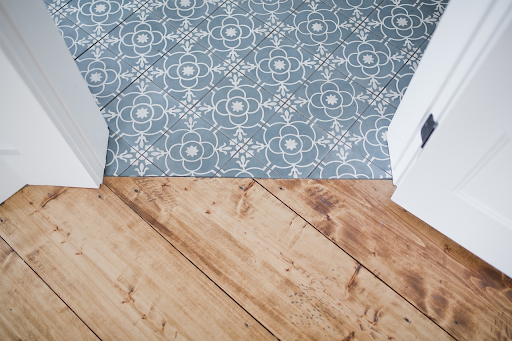
Best Flooring Options in Charlotte, NC: A Comprehensive Guide
When it comes to choosing the best flooring options for your home or business in Charlotte, NC, there are countless styles, materials, and designs to consider. The right flooring can completely transform the look and feel of a room, adding both aesthetic appeal and functional value. Whether you are looking to upgrade your space or build from scratch, it’s essential to find the perfect match for your needs. In this article, we will dive into some of the best flooring options available in Charlotte, taking into consideration the local climate, style trends, and material durability.
We partnered with a home improvement company for this post. The opinions in the post are honest. All reviews and opinions expressed in this post are based on our personal views. We are excited because we know you will love it.
When it comes to choosing the best flooring options for your home or business in Charlotte, NC, there are countless styles, materials, and designs to consider. The right flooring can completely transform the look and feel of a room, adding both aesthetic appeal and functional value. Whether you are looking to upgrade your space or build from scratch, it’s essential to find the perfect match for your needs. In this article, we will dive into some of the best flooring options available in Charlotte, taking into consideration the local climate, style trends, and material durability.
If you are searching for flooring professionals in the area, companies like Lake Norman Floors offer a wide range of choices that cater to every taste and budget. Let’s take a closer look at some of the top flooring options you should consider.
1. Hardwood Flooring: A Timeless Classic
Benefits of Hardwood Flooring
Hardwood flooring remains one of the most popular choices in Charlotte, NC, for its timeless beauty and durability. It provides a classic, warm, and elegant feel to any room, making it perfect for living rooms, dining areas, and bedrooms. One of the major benefits of hardwood is its longevity— with proper care, these floors can last for decades, often increasing the value of a home.
Types of Hardwood
There are many varieties of hardwood to choose from, including oak, maple, walnut, and cherry. Each offers unique characteristics in terms of grain patterns, color, and hardness. Oak is particularly popular in Charlotte due to its durability and versatility, while cherry adds a rich, reddish tone to spaces for those seeking a bold design.
Considerations for Charlotte’s Climate
Because of Charlotte’s humid subtropical climate, it’s essential to consider how moisture might affect hardwood floors. Solid hardwood can be susceptible to warping in areas with high humidity, making engineered hardwood a better option for certain areas. Engineered hardwood features a thin layer of hardwood bonded to plywood or fiberboard, which makes it more stable and resistant to moisture.
2. Luxury Vinyl Plank (LVP): Durability Meets Style
Why Choose Luxury Vinyl Plank?
Luxury vinyl plank (LVP) has gained immense popularity in recent years, particularly in homes with busy families and pets. It offers the appearance of hardwood or stone but with added durability and water resistance. LVP is especially suited to high-traffic areas like kitchens, bathrooms, and hallways due to its resilience against scratches, dents, and spills.
Styles and Design Options
LVP comes in a wide array of styles, including wood-look, stone-look, and even tile-look options. It’s available in various colors and textures, allowing homeowners to achieve the look they desire at a fraction of the cost of hardwood or stone. Many local flooring stores in Charlotte carry LVP in styles that replicate trendy, rustic, or modern aesthetics.
Waterproof Capabilities
One of the major advantages of LVP over hardwood is its waterproof properties. In Charlotte’s humid climate, having waterproof flooring can be a major selling point, especially in basements and bathrooms where moisture can be an issue.
3. Tile Flooring: Versatile and Elegant
Why Tile is a Popular Choice
Tile flooring is an excellent option for those looking for a versatile and durable material that can stand up to Charlotte’s varying weather conditions. Tile is ideal for kitchens, bathrooms, laundry rooms, and entryways because of its resistance to water, stains, and wear.
Types of Tile Available
Homeowners in Charlotte can choose from several types of tile, including ceramic, porcelain, and natural stone. Porcelain is particularly durable and water-resistant, making it perfect for moisture-prone areas. Ceramic tiles, on the other hand, are cost-effective and come in a wide range of designs, from traditional to modern patterns.
Tile Designs and Customization
In Charlotte, many homeowners appreciate the flexibility that tile provides in terms of design. With endless colors, textures, and sizes, you can create intricate patterns or sleek, uniform looks to suit any style. Tile can also mimic the appearance of other materials, like wood or stone, providing a high-end look without maintenance.
4. Carpet Flooring: Comfort and Warmth
Why Carpet is a Great Choice
For those who prioritize comfort, carpet remains a popular flooring option in Charlotte. Carpet provides a warm and cozy feel underfoot, making it an excellent choice for bedrooms, living rooms, and family rooms. It’s especially beneficial during the cooler months when you want to create a snug atmosphere indoors.
Materials and Styles
Carpet comes in a variety of materials, including wool, nylon, and polyester. Each has its own benefits, from durability to stain resistance. Nylon is often a top choice for its strength and ability to withstand wear, while polyester is budget-friendly and soft to the touch.
Carpet in High-Traffic Areas
If you’re considering carpet in high-traffic areas like hallways or stairs, it’s essential to choose a material and style that can handle the foot traffic. Berber and loop pile carpets are known for their durability and ability to hide dirt, making them ideal for busy households.
5. Laminate Flooring: An Affordable Alternative
Advantages of Laminate Flooring
Laminate flooring offers an affordable alternative to hardwood or tile while still providing a similar look. It’s made of layers of synthetic materials that are fused together, with a photographic layer on top that mimics the appearance of natural wood or stone. Laminate is easy to install, often with a click-lock system, and is a great DIY-friendly option for homeowners in Charlotte.
Durability and Maintenance
One of the standout features of laminate is its durability. It’s scratch-resistant and can withstand heavy foot traffic, making it a good choice for families with children or pets. While not waterproof, some laminate flooring options are water-resistant, making them suitable for areas like kitchens and living rooms.
6. Bamboo Flooring: Eco-Friendly and Stylish
Why Choose Bamboo?
For eco-conscious homeowners in Charlotte, bamboo flooring is a stylish and environmentally friendly option. Bamboo is a renewable resource, growing much faster than traditional hardwood trees. It offers a unique, modern look and comes in a variety of finishes, from light blondes to rich, dark browns.
Durability and Performance
Bamboo is comparable to hardwood in terms of durability, and certain types of bamboo flooring, like strand-woven bamboo, are even harder than oak. It’s also resistant to moisture, making it a suitable choice for Charlotte’s humid climate.
7. Cork Flooring: Soft and Sustainable
Benefits of Cork Flooring
Cork is another eco-friendly flooring option that is gaining popularity in Charlotte. It’s harvested from the bark of the cork oak tree, making it a renewable resource. Cork flooring is soft underfoot, providing a cushioned feel that’s perfect for playrooms, kitchens, and offices where standing for long periods is common.
Sound and Temperature Insulation
Cork naturally insulates sound, making it a quieter option compared to hardwood or tile. It also retains warmth, which can be beneficial during the cooler months in Charlotte.
8. Concrete Flooring: Modern and Low Maintenance
Why Choose Concrete?
For those seeking a modern, industrial look, concrete flooring is a top choice. It’s extremely durable, low maintenance, and can be customized with stains, dyes, and finishes to create a unique look. Concrete is especially popular in open-concept homes, lofts, and commercial spaces in Charlotte.
Durability and Customization
Concrete floors are incredibly long-lasting and resistant to scratches and stains. In addition to its durability, concrete can be polished to a high gloss or stamped to create a textured appearance, offering plenty of customization options.
Conclusion: Finding the Perfect Flooring in Charlotte
When choosing the best flooring for your home or business in Charlotte, NC, it’s important to consider both aesthetics and practicality. Whether you’re drawn to the timeless elegance of hardwood, the durability of luxury vinyl plank, or the eco-friendly appeal of bamboo, there’s a flooring option to suit every style and budget. Charlotte’s climate, lifestyle, and trends all play a role in determining the best choice, so take the time to explore each option and consider how it will perform in your specific environment.

