

A resource for those seeking information on organizing and transforming spaces.

The Ultimate Guide to Hiring a Cleaning Service for Your Dirty Home
In today's fast-paced world, it's often challenging to keep your dirty home as clean and tidy as you'd like. Whether it's due to a demanding job, family commitments, or simply wanting to spend your free time elsewhere, hiring a professional cleaning service can be a game-changer.
We partnered with a cleaning company for this post. The opinions in the post are honest. All reviews and opinions expressed in this post are based on our personal views. We are excited because we know you will love it.
In today's fast-paced world, it's often challenging to keep your dirty home as clean and tidy as you'd like. Whether it's due to a demanding job, family commitments, or simply wanting to spend your free time elsewhere, hiring a professional cleaning service can be a game-changer.
This guide will help you understand the benefits of hiring a cleaning service, what to look for in a provider, and how to make the most of their expertise.
Assess Your Cleaning Needs
To start, think about what areas in your house need the most attention. Some homes might need more frequent kitchen cleaning, while others might require regular bathroom scrubbing. Make a list of your top priorities. This will help you communicate effectively with home cleanliness experts.
Also, consider how often you need their services. Would a weekly, bi-weekly, or monthly visit be best? Determining your cleaning needs early makes it easier to find the right professional for the job.
Research Potential Cleaning Services
When researching potential cleaning services, start by asking for recommendations from friends, family, or neighbors. You can also look up house cleaners near me online to find local options. Read reviews and testimonials to get an idea of the experiences other customers have had.
Make sure to check the services each company offers and compare prices. Look for businesses that are licensed, insured, and have a good reputation. Additionally, consider scheduling a consultation to discuss your needs and see if their offerings align with your expectations.
Read Reviews and Testimonials
Reading reviews and testimonials is a crucial step before hiring professional cleaners. Take time to browse online platforms where previous customers share their experiences. Positive reviews can give you confidence in the service quality of the professional cleaners. Look for mentions of reliability, thoroughness, and professionalism.
Similarly, be cautious of negative feedback and any recurring issues mentioned. Pay attention to how the company responds to complaints. A company that addresses concerns and rectifies problems shows good customer service. Reviews and testimonials can guide you to make an informed and confident choice.
Get Quotes and Compare Pricing
Once you've shortlisted a few cleaning services, it's time to get quotes. Contact each company and provide them with details about your cleaning needs. Ask for a detailed breakdown of their pricing. This helps you understand what services are included and if there are any extra charges.
Make sure to compare prices between different providers. Don't just go for the cheapest option; consider their reputation and the quality of services offered. Comparing quotes ensures you get the best value for your money without compromising on the quality of cleaning.
Clean Your Dirty Home Now
Hiring a professional cleaning service can save you time and keep your dirty home looking great. It allows you to focus on other important tasks or simply enjoy your free time.
By assessing your needs, researching options, reading reviews, and comparing quotes, you can find the right service for your home. Make the decision today to enjoy a cleaner living space.
Did you find this article helpful? Check out the rest of our blog.
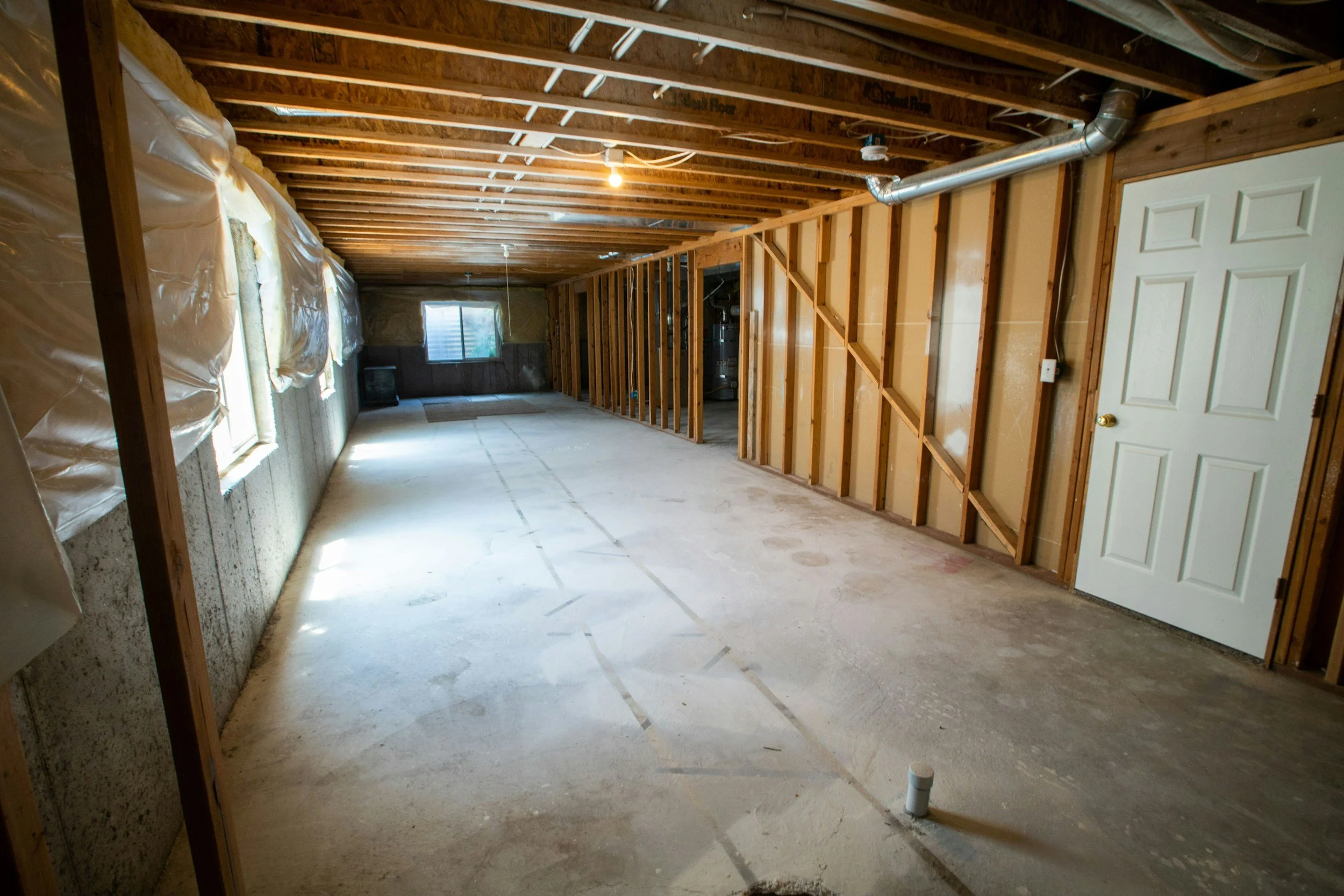
Common Mistakes to Avoid When Undertaking Underpinning and Lowering Projects
Underpinning and basement lowering are significant construction projects that can increase the value of your home, create more usable space, and stabilize your foundation. However, these projects are also complex and require careful planning. Homeowners who jump into these renovations without the proper knowledge often make costly mistakes that can lead to structural issues, water damage, or even legal troubles.
We partnered with a home improvement company. for this post. The opinions in the post are honest. All reviews and opinions expressed in this post are based on our personal views. We are excited because we know you will love it.
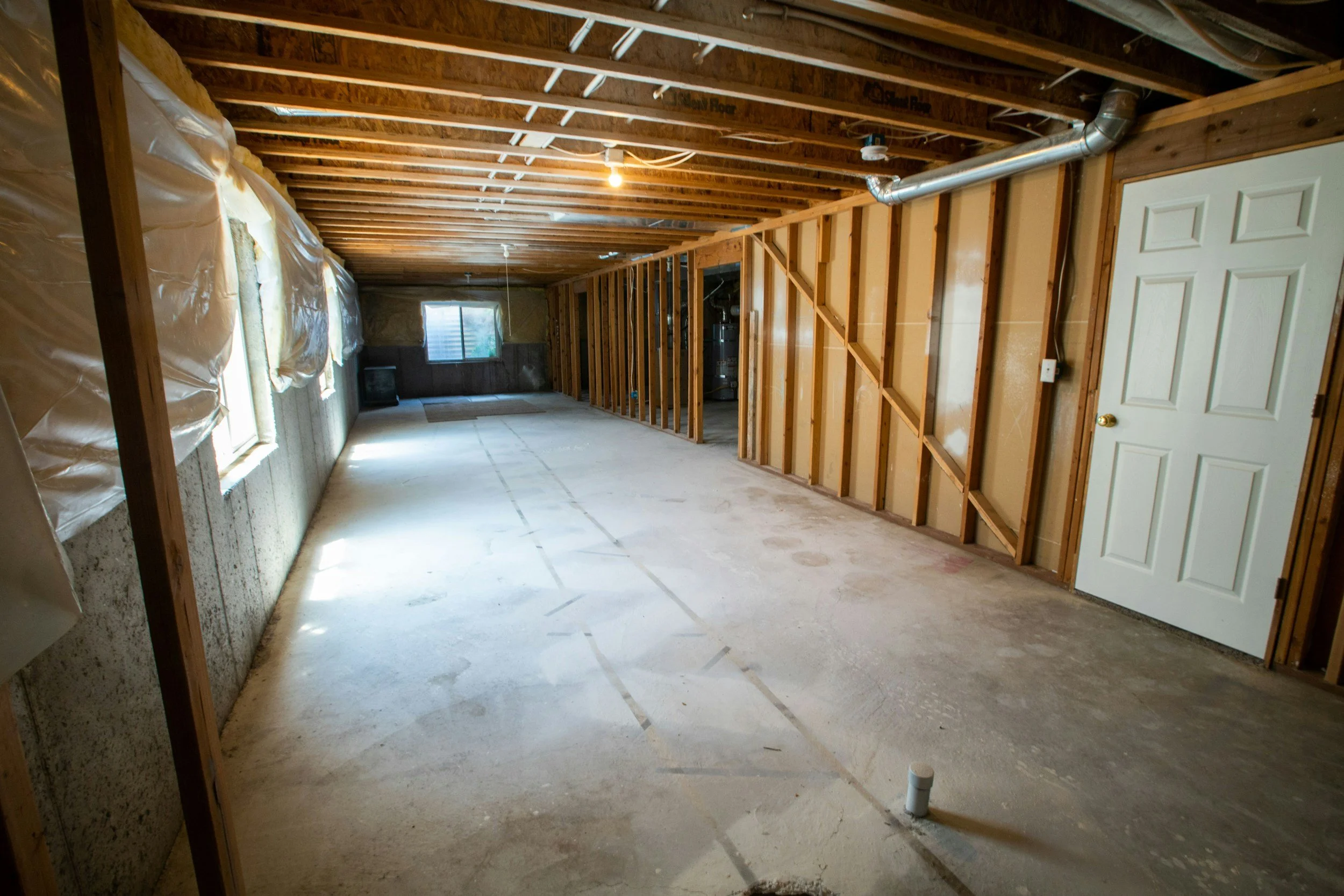
Underpinning and basement lowering are significant construction projects that can increase the value of your home, create more usable space, and stabilize your foundation. However, these projects are also complex and require careful planning. Homeowners who jump into these renovations without the proper knowledge often make costly mistakes that can lead to structural issues, water damage, or even legal troubles.
In this article, we'll explore the most common mistakes homeowners make during underpinning and basement-lowering projects and how you can avoid them to ensure a successful renovation.
What Are Underpinning and Basement Lowering?
Before diving into the common mistakes, let’s clarify what underpinning and basement lowering involve.
Underpinning
Underpinning strengthens or stabilizes an existing foundation by extending it deeper into the ground. This is often necessary when the original foundation is unstable due to poor soil conditions or foundation settlement or when additional floors are added to the structure, increasing the foundation's load.
Basement Lowering
On the other hand, basement lowering is a method used to increase the ceiling height of an existing basement by excavating the floor and plunging it into the ground. This creates additional livable or usable space and can enhance the overall value of your property. However, lowering a basement usually requires underpinning to maintain the home's structural integrity.
Both of these projects can significantly improve your property, but it's crucial to approach them with caution. There are several pitfalls to watch out for, and careful consideration is key to a successful outcome.
Common Mistakes in Underpinning and Lowering Projects
1. Lack of Proper Planning and Research
One of the biggest mistakes homeowners make is jumping into a project without proper planning. Underpinning and basement lowering are not simple DIY tasks—they require a detailed understanding of your home’s structural needs, soil conditions, and local building regulations.
How to Avoid This Mistake:
Soil Testing: Before starting any foundation work, it’s essential to conduct a soil test. Soil stability and composition can affect how underpinning piles are installed and how deep they need to go.
Permits and Regulations: Many municipalities in Canada require permits for underpinning and basement-lowering projects. Failing to obtain the proper licenses can lead to fines, delays, and even legal issues.
2. Choosing the Wrong Contractor
Not all contractors are experienced in underpinning and basement lowering. Hiring an inexperienced contractor can lead to good artistry, structural failures, or complete work.
How to Avoid This Mistake:
Vet Your Contractors: Always hire a contractor with a proven track record in foundation work, particularly in underpinning and lowering projects. Ask for references and check their previous work. For example, in Toronto, the demand for underpinning and basement lowering is high, so ensure the contractor you hire has experience with the local soil conditions and building codes.
When choosing a contractor, always remember to prioritize quality over cost. Take your time with the first contractor you find. Collect multiple quotes and compare their experience, pricing, and timeline. While it's tempting to choose the lowest bid, remember that quality should always come first.
3. Inadequate Budgeting
One of the most common mistakes is underestimating the total cost of underpinning and basement lowering. These projects often involve more than just digging and supporting the foundation—they can also include plumbing rerouting, waterproofing, and permits, all of which add to the final cost.
How to Avoid This Mistake:
Plan for Contingencies: It is recommended that you set aside at least 10-20% of your project’s budget for unexpected expenses. Soil issues, hidden structural damage, or delays due to weather can all increase costs.
Know the Full Scope: Be aware of all potential costs. For example, underpinning projects in Canada can range from $10,000 to $50,000, depending on their complexity and local conditions. Ignoring these additional costs can lead to incomplete projects and financial strain.
4. Poor Timing and Seasonality
Starting an underpinning or basement lowering project during the wrong season can complicate things. Heavy rain or freezing temperatures can make excavation difficult and increase the risk of water damage.
How to Avoid This Mistake:
Choose the Right Season: If possible, schedule your project during the dry months. In Canada, summer or early fall is often the best time for these projects, as the ground is stable and there’s less chance of rain interfering with the excavation process.
Account for Delays: Even with good planning, delays happen. Make sure to factor in extra time for unforeseen delays, such as material shortages or poor weather conditions.
5. Ignoring Water Drainage and Waterproofing
Water is one of the biggest enemies of a foundation. Failing to address proper drainage and waterproofing during a basement lowering project can lead to flooding, water damage, and structural deterioration.
How to Avoid This Mistake:
Install Drainage Systems: Ensure that a proper drainage system, such as weeping tiles, is installed during the project to channel water away from the foundation.
Waterproof the Basement: Waterproofing membranes should be applied to the basement walls and floor to prevent water from seeping in. In wet regions like Vancouver, waterproofing is especially critical in protecting your foundation from water damage.
6. Misjudging Load-Bearing Capacity
One of the most dangerous mistakes is not properly calculating the load-bearing capacity of your foundation. If your underpinning piles or foundation aren't strong enough to support the weight of the building, it could result in serious structural failures.
How to Avoid This Mistake:
Consult a Structural Engineer: A qualified structural engineer can calculate your home's exact load-bearing requirements and recommend the right type of underpinning piles. This ensures your foundation can handle the additional load, especially if you plan to add extra floors to the building.
7. Overlooking Structural Integrity During Excavation
Excavating for basement lowering without proper support can cause significant structural damage to your home or neighbouring buildings. Failing to brace the foundation during excavation can lead to cracked walls, uneven floors, and even collapsed foundations.
How to Avoid This Mistake:
Use Temporary Shoring: Before excavation begins, ensure proper shoring and bracing to support the foundation. This temporary support will prevent structural shifts or damage while the basement is lowered.
Conclusion
Underpinning and basement lowering are complex projects that require careful planning, the right contractor, and a solid understanding of your home's structural needs. By avoiding the common mistakes outlined above, such as neglecting proper planning, choosing the wrong contractor, and ignoring waterproofing, you can ensure a successful project that enhances your property value and protects your foundation for years to come.
If you're considering an underpinning or basement lowering project, it's essential to work with professionals who have extensive experience in this field. Proper planning and execution are crucial to avoid costly mistakes and ensure the stability of your home. By focusing on the right approach, you can streamline the process and achieve long-lasting results. It's important to consult experts in underpinning and lowering services to ensure that your project is completed safely and efficiently. Taking these proactive steps helps protect your investment and allows you to enjoy the benefits of a stronger, more spacious home.
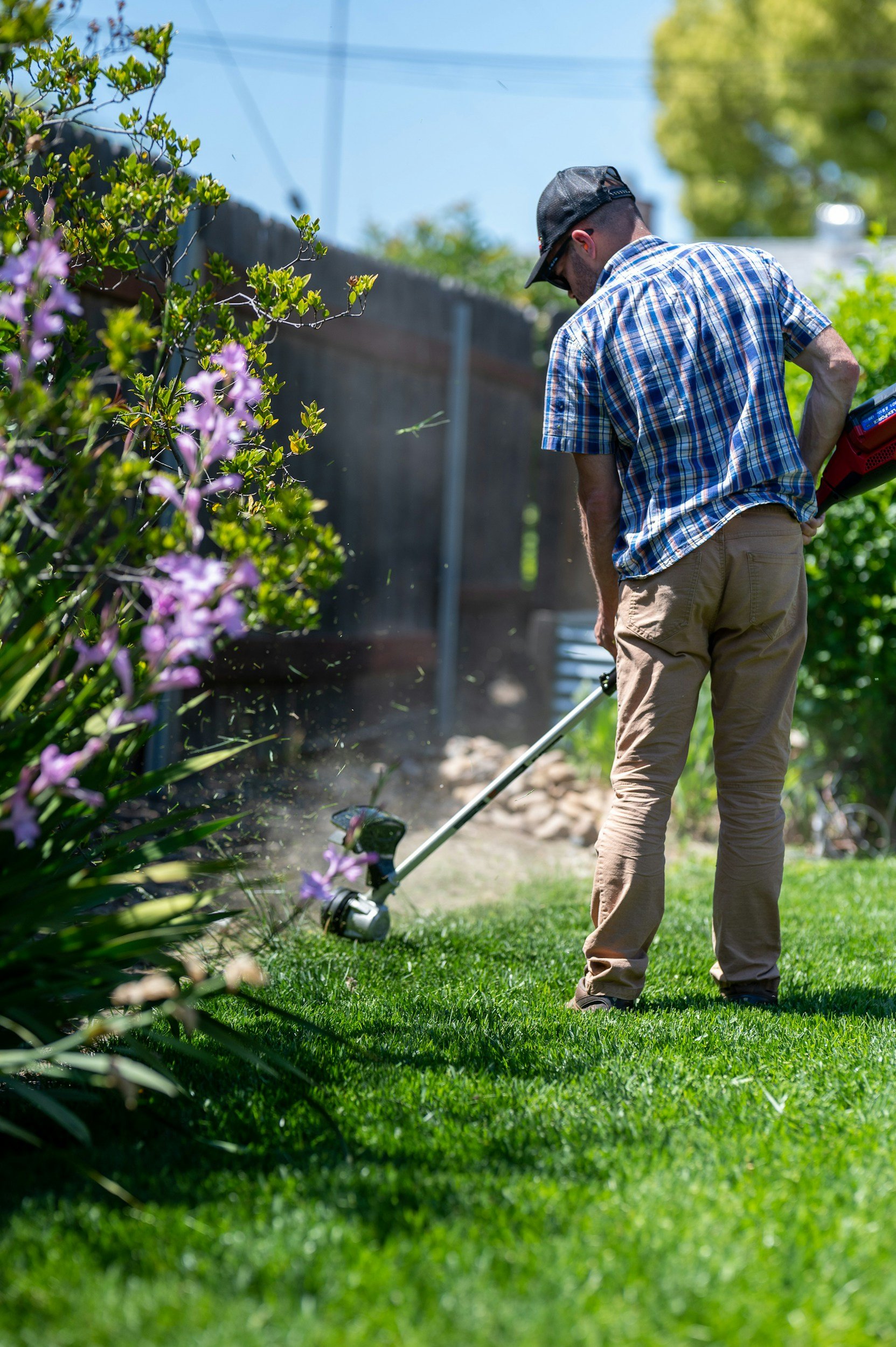
How Much Does It Cost for Landscape Design
Hiring a landscape designer can transform your outdoor space into the oasis you’ve always imagined. However, after the design is implemented, landscape maintenance becomes crucial to keep your outdoor space looking its best year-round.
We partnered with a lawncare company. for this post. The opinions in the post are honest. All reviews and opinions expressed in this post are based on our personal views. We are excited because we know you will love it.
What Does Landscape Design Cost in 2024?
Hiring a landscape designer can transform your outdoor space into the oasis you’ve always imagined. However, after the design is implemented, landscape maintenance becomes crucial to keep your outdoor space looking its best year-round.
On average, most homeowners spend around $4,575 for landscape design services, with prices typically ranging between $1,934 and $7,245. However, depending on the scope of the project, costs can be as low as $500 or as high as $14,000..
Factors That Influence Landscape Design Costs
The price of hiring a landscape designer depends largely on the size of your yard, the complexity of your design, and the designer’s experience. Here’s a closer look at what drives these costs.
Labor:
Landscape designers can charge in a variety of ways—either by the hour, per project, or with a flat fee. Their hourly rates typically range from $50 to $150, while project fees can range from $300 to $15,000, with most falling under $6,000. If you go for an hourly rate, expect an upfront estimate of how long the project will take, but be prepared for changes as the project evolves.
Consultation Fees:
Some landscape designers will charge you for an initial consultation. This fee covers the designer’s time spent reviewing your property and coming up with design ideas. Often, this fee is deducted from the total cost if you decide to hire the designer for the project.
Flat Fees vs. Hourly Rates:
Flat fees are convenient for homeowners who want to know upfront how much the entire project will cost. These fees usually include labor, materials, and any necessary permits. On the other hand, if your designer charges an hourly rate, your final bill will depend on the actual time spent on your project, which can fluctuate.
Project Complexity and Size:
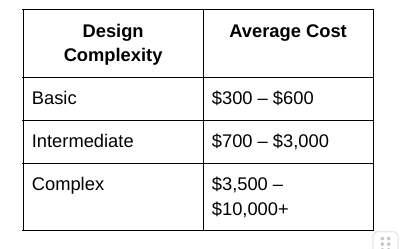
Naturally, the bigger and more complex the design, the higher the cost. If your property is on a hill or has tricky measurements, expect to pay more. For a simple project, you might pay as little as $300, while more intricate designs can go up to $10,000 or more.
The size of your property plays a significant role too. Larger yards require more materials and labor. For example, artificial turf installation is priced by the square foot, ranging from $5 to $20 per square foot.
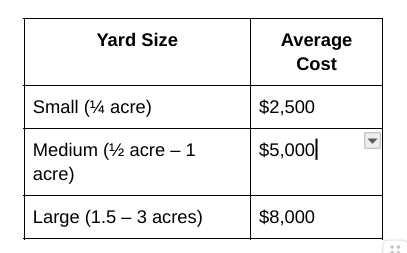
Designer’s Experience and Location:
Just like any profession, more experienced landscape designers charge higher rates. If you’re after a designer with an extensive portfolio, you’ll likely pay more. The cost also depends on where you live. Landscaping services in urban areas tend to cost more than in rural regions, where there's typically more space but lower costs per square foot.
Types of Landscaping:
Different types of landscaping also affect costs. The three main types include softscaping, hardscaping, and xeriscaping. Softscaping—planting trees, shrubs, and flowers—tends to be more affordable than hardscaping, which involves installing pathways, patios, and retaining walls. Xeriscaping, designed to minimize water usage, can be the most expensive.
Seasonal Considerations:
Landscaping is often a seasonal service. Spring and summer are peak times for hiring landscape designers, as the weather is ideal for outdoor work. However, if you live in an area with mild fall or winter seasons, you may be able to save some money by hiring a designer during the off-season.
Additional Costs: Soil Testing and Materials:
For projects involving plants or gardens, a soil test may be required to determine the health of your soil and what, if any, amendments are needed. Soil tests cost around $1,400 on average but can vary widely based on your property.
Your landscape designer will also help you choose materials such as stone, brick, or pavers. Keep in mind that material costs are separate from design fees. Here are some common materials and their average costs:

Features That Add to Your Landscape Design Cost:
The special features you choose can significantly affect the final price. Elements such as ponds, gazebos, or fire pits can enhance the beauty of your yard, but they come with a price tag.
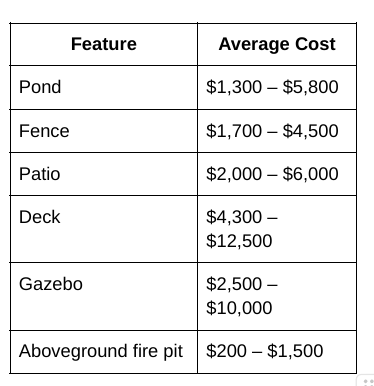
Fencing, in particular, is a popular addition. The cost varies depending on the material you choose. For example, wood fences range from $10 to $45 per linear foot, while aluminum or chain-link fences can be less expensive.
Should You DIY or Hire a Pro?
While it’s possible to tackle a landscape design project yourself, it’s a major undertaking that requires the right tools, materials, and time. DIY can save you on labor costs, but you’ll still need to pay for all the necessary materials and equipment. Hiring a professional may be more expensive upfront, but the expertise and finished product are often well worth the investment.
In the end, your ideal outdoor space is a balance between your vision and budget. Whether you’re working with a small yard or a sprawling landscape, a professional designer can help bring your dream garden to life within your means.
***

How Senior Living Facilities Ensures Highest Level of Care for Seniors
As people age, their needs change, requiring a different level of care and attention. Senior living facilities play a critical role in ensuring that older adults receive the best care possible. These facilities are equipped to provide support, foster a sense of community, and ensure the well-being of their residents.
We partnered with a wellness company for this post. The opinions in the post are honest. All reviews and opinions expressed in this post are based on our personal views. We are excited because we know you will love it.

As people age, their needs change, requiring a different level of care and attention. Senior living facilities play a critical role in ensuring that older adults receive the best care possible. These facilities are equipped to provide support, foster a sense of community, and ensure the well-being of their residents.
Let's explore how senior living facilities ensure the highest level of care for seniors.
Trained and Compassionate Staff
One of the key factors that contribute to the high level of care in senior living facilities is the presence of trained and compassionate staff. The caregivers, nurses, and admin staff undergo extensive training. This gives them the skills to meet seniors' unique needs.
They learn about elderly care. It covers daily help and medical emergencies. Their compassion makes residents feel valued and respected. It creates a warm, supportive environment.
If you're in the area, explore a premier assisted living community in Lehigh Acres. You may also personally meet the staff and see their dedication to providing exceptional care.
Nutritious Meals and Dietary Considerations
Proper nutrition is vital for maintaining good health, especially for seniors. Senior living facilities pay close attention to the dietary needs of their residents. Professional chefs work alongside nutritionists to create balanced and nutritious meal plans.
These meals cater to diverse diets. They ensure residents enjoy healthy, tasty food. Regular meals that meet nutritional standards help to keep seniors in good health and boost their overall well-being.
Social Activities and Community Engagement
Isolation and loneliness can harm an individual's health, especially in old age. To combat this, senior living facilities prioritize social activities and community engagement. They organize a wide range of recreational activities, such as:
arts and crafts
games
exercise classes
group outings
These activities keep residents active. They also help them form friendships and a sense of belonging.
Safe and Comfortable Living Environment
The physical environment in senior living facilities is designed with the residents' safety and comfort in mind. To prevent accidents and ensure quick assistance, they have features such as:
handrails
non-slip flooring
emergency call systems
The rooms and common areas are comfortably furnished to create a homely atmosphere. Also, housekeeping and maintenance staff work hard to keep the premises clean and in good repair.
Emotional and Mental Well-Being Support
Emotional and mental well-being is just as important as physical health. Senior living facilities support their residents' mental and emotional well-being. This can include the following:
counseling services
mental health programs
spiritual support
These resources help residents with emotional challenges. They promote a happier, more fulfilling life.
Ensuring Excellence With the Highest Level of Care for Seniors
In conclusion, senior living facilities are dedicated to ensuring the highest level of care for their residents through a combination of trained staff, social activities, and emotional support. This comprehensive approach ensures that seniors can enjoy a high quality of life and the care they deserve.
It provides a holistic approach to aging that promotes health and well-being. Choose the right senior living facility for yourself or your loved one and embrace the next chapter of life with confidence, support, and care.
For more on this topic, visit the rest of our blog!

