

A resource for those seeking information on organizing and transforming spaces.
Home Maintenance 101: The Essentials of an Organized Garage
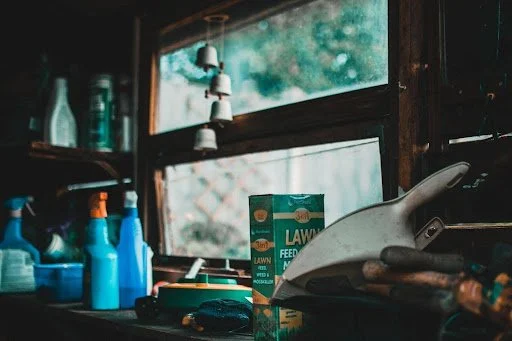
Keeping a garage organized can be one of the toughest challenges for homeowners. Over time, this part of the home tends to collect a variety of items, from tools and sports gear to seasonal decorations and extra storage. In a place like Sherman, TX, where many homes feature spacious garages, maintaining a well-organized space is not only practical but also essential. A cluttered garage can make it difficult to find what you need, waste space, and even become unsafe. On the other hand, an organized garage allows you to maximize storage, create a functional workspace, and enjoy a more efficient home. In this blog, we will share the essential steps to achieving an organized and functional garage.
Keeping a garage organized can be one of the toughest challenges for homeowners. Over time, this part of the home tends to collect a variety of items, from tools and sports gear to seasonal decorations and extra storage. In a place like Sherman, TX, where many homes feature spacious garages, maintaining a well-organized space is not only practical but also essential. A cluttered garage can make it difficult to find what you need, waste space, and even become unsafe. On the other hand, an organized garage allows you to maximize storage, create a functional workspace, and enjoy a more efficient home. In this blog, we will share the essential steps to achieving an organized and functional garage.
Assessing Your Current Garage Setup
Before diving into any major organizational changes, the first step is to assess your garage’s current state. Begin by looking at how your garage is being used and identifying problem areas. Is your garage filled with items you no longer need? Is there clutter on the floor, or is it hard to access important tools and equipment?
Take the time to clear out items that no longer serve a purpose or can be stored elsewhere. This might involve decluttering old sports equipment, expired paint cans, or broken tools.
Finding Extra Storage Solutions
In many cases, even after decluttering, it can be hard to find enough space for everything. That’s when extra storage options come into play. If you find that your garage simply can’t hold all your items, looking for additional storage solutions outside your home may be necessary. Many homeowners choose to rent storage units for overflow items. If this sounds like something that could help you, you might want to look up the keyword Sherman TX storage online to explore local options. Off-site storage is a great solution for keeping seasonal items, large equipment, or things you don’t need frequent access to out of your garage, freeing up space for more essential belongings.
Installing Shelving and Cabinets
One of the most effective ways to maximize garage space is to install shelves and cabinets along the walls. Instead of letting boxes and tools pile up on the floor, use vertical space to keep things organized. Shelving units are ideal for storing items that you need quick access to, like gardening tools or car supplies. Meanwhile, cabinets are perfect for hiding away clutter and creating a cleaner appearance.
When choosing shelving or cabinets, consider what you need to store and make sure to invest in sturdy, durable units that can support heavy items. Open shelving can be particularly useful for keeping things visible, but it’s a good idea to label everything to make sure you can find what you need easily. Organizing items by category, like tools, camping gear, or cleaning supplies, will help maintain an orderly space.
Using Pegboards and Hooks for Tool Organization
Garages are often filled with tools that can quickly become disorganized if not stored properly. Instead of piling tools in boxes or drawers, consider using pegboards and hooks on your garage walls. Pegboards are an excellent way to hang smaller tools like hammers, screwdrivers, and wrenches, while larger hooks can be used for hanging ladders, bikes, or garden equipment.
By keeping your tools off the floor and visible on the wall, you’ll save time searching for them when you need them. You can even create a designated tool zone in your garage where all related items are stored in one area. Not only does this keep things organized, but it also makes your garage more efficient for completing projects.
Maximizing Overhead Space
One of the most overlooked storage areas in the garage is the ceiling. Using overhead space can free up room on the floor and walls, making your garage feel more spacious and organized. Overhead storage systems are perfect for bulky items like ladders, kayaks, and seasonal decorations that are used less frequently. By keeping these items suspended from the ceiling, you can save ground space for everyday tools and equipment.
When installing overhead storage, it's important to double-check if the weight is evenly distributed and that the structure can handle the load. Many homeowners find that using ceiling-mounted racks or pulleys makes it easy to lift and store heavier items. This method is a practical way to create more storage without taking up valuable floor or wall space.
Choosing the Right Storage Bins
Storage bins are an essential tool for keeping your garage organized, especially for small or loose items. Clear plastic bins with secure lids work best because they allow you to see what’s inside without opening them. Stackable bins are especially useful, as they let you make the most of available space, whether on shelves or directly on the floor.
To make it even easier to find things, label each bin clearly. Using a consistent labeling system helps reduce the time spent searching for specific items. Bins are ideal for items like holiday decorations, extra cleaning supplies, or sports gear. With the right system in place, you’ll be able to quickly grab what you need without sifting through piles of stuff.
Garage Safety Tips
An organized garage isn’t just about convenience—it’s also about safety. Keeping hazardous items like chemicals, paint, and sharp tools properly stored is essential. Consider locking cabinets or placing dangerous materials on high shelves, out of reach of children. In addition, make sure that all items are securely stored to avoid anything falling and causing injury.
Maintaining clear walkways in the garage is equally important. Tripping hazards like cords, tools, and boxes should be kept out of high-traffic areas. If your garage houses power tools or heavy equipment, ensure they are stored safely and unplugged when not in use. Taking these safety precautions keeps your garage both organized and secure.
Creating a Functional Workspace
If your garage doubles as a workspace, it’s essential to carve out a designated area for projects. Setting up a sturdy workbench and arranging your most-used tools nearby makes it easy to tackle tasks when needed. Keep this area organized by using hooks, shelves, or drawers to store tools and materials. Having a clutter-free workbench ensures that you have plenty of room to work efficiently.
Adequate lighting is also key. Make sure your workspace is well-lit, especially if you’re using power tools or performing detailed tasks. Overhead lighting or task lights can make a big difference in the functionality of your workspace, helping you stay productive and safe.
In a nutshell, an organized garage is a vital part of maintaining an efficient and functional home. From decluttering and finding extra storage solutions to installing shelving and maintaining regular cleaning routines, these steps will help you create a garage that meets your storage and workspace needs. Investing time and effort into organizing your garage not only improves the overall functionality of the space but also adds a sense of order and calm to your home. With a solid plan and consistent upkeep, your garage can become a well-organized space that works for you and your household.

Here’s How You Can Make a Long-Distance Move Less Overwhelming
Moving is stressful, and a long-distance move comes with its own set of unique challenges. While relocating to a beautiful city like Kelowna, where each season brings its own outdoor charm, can be exciting, it requires thorough planning. The process can easily become overwhelming if not properly managed. From packing your belongings to settling in, every step of the way demands attention to detail.
Moving is stressful, and a long-distance move comes with its own set of unique challenges. While relocating to a beautiful city like Kelowna, where each season brings its own outdoor charm, can be exciting, it requires thorough planning. The process can easily become overwhelming if not properly managed. From packing your belongings to settling in, every step of the way demands attention to detail.
This guide will walk you through essential steps to make your long-distance move smoother and less stressful.
1. Declutter Your Belongings
A long-distance move is an excellent opportunity to declutter. As you go through your belongings, ask yourself if each item is worth transporting to your new home. The fewer items you need to move, the more manageable the entire process becomes. Sort through your belongings and categorize them into three groups: keep, donate, and dispose of.
Items you haven’t used in the last year or those that are outdated can be donated or sold. Not only will decluttering reduce your moving costs, but it will also allow you to start fresh in your new home. With less clutter, you’ll be able to organize your new space more effectively and efficiently.
2. Consider Temporary Storage Options
When planning a long-distance move, you may not want to bring everything into your new home right away. This is where temporary storage options can be invaluable. Renting a storage unit in your new city allows you to focus on moving in and settling down while knowing that your extra belongings are safe and secure. With the low living costs of Kelowna, adding a storage unit to your budget might be feasible. Make sure you look for a reliable Kelowna BC self storage facility where your belongings will be secure from theft and safe from damage.
By using a storage unit, you can move in gradually, avoiding the clutter of too many boxes all at once. This is especially helpful if you’re downsizing or planning to renovate parts of your new home. Once you’re ready, you can retrieve your stored items and organize them at your own pace.
3. Hire a Reputable Moving Company
A reliable and experienced moving company can make all the difference during a long-distance move. When selecting a mover, look for companies that specialize in cross-country relocations and offer insurance for your belongings. It’s essential to check reviews and ask for recommendations from friends or family to ensure you’re hiring a trustworthy company.
A professional moving company will handle your belongings with care, reducing the risk of damage and ensuring timely delivery to your new home. With the right movers, you’ll have peace of mind, knowing that one of the most challenging aspects of your move is in capable hands.
4. Pack Smart and Label Thoroughly
Efficient packing is key to a stress-free move. Pack one room at a time, and clearly label each box with its contents and the room it belongs to. This will make unpacking much easier, as you’ll know exactly where each box needs to go in your new home.
Be strategic about how you pack, placing heavier items at the bottom of boxes and fragile items wrapped securely in bubble wrap or padding. Labeling boxes as “fragile” will also ensure that movers handle them with care.
5. Take Care of Utilities and Address Changes Early
One of the most important but often overlooked aspects of a long-distance move is setting up utilities and updating your address. Before you even move, make sure your new home has all the necessary utilities up and running. This includes electricity, water, gas, and internet services. You don’t want to arrive at your new home and discover that you’ll be without these essentials for days.
In addition to utilities, you must notify the post office, banks, insurance providers, and any other relevant organizations of your address change. Many companies allow you to update your address online, making it easier to stay on top of this task.
6. Create an Essentials Box
Packing for a long-distance move can be a daunting task, and it’s easy to lose track of important items you’ll need immediately upon arrival. To prevent this, create a box with everything you’ll need as soon as you arrive at your new home. Think of it as a survival kit for your move.
Include items such as toiletries, basic kitchen supplies, some clothes, important documents, chargers for electronic devices, and any medications. This box should be clearly labeled and kept easily accessible, preferably with you in your car.
7. Make a Moving Day Checklist
Moving day can be chaotic, with many tasks to juggle at once. To stay organized, create a checklist that includes everything you need to do on the big day. This checklist can cover a variety of tasks, such as confirming your moving company’s arrival time, doing a final walk-through of your old home, and making sure all windows and doors are securely locked.
The checklist should also include double-checking that you have packed all your important documents, valuables, and the essentials box with you. Keeping everything in order on moving day will help reduce stress and prevent last-minute surprises, ensuring a smooth process.
8. Stay Organized During the Unpacking Process
Once you’ve arrived at your new home, it’s tempting to try and unpack everything all at once. However, this can quickly become overwhelming. Instead, tackle one room at a time, focusing on spaces like the kitchen and bedroom since these need to be fully functional ASAP. This approach helps you settle in gradually and prevents you from feeling buried under a mountain of boxes.
In case you’ve loaded your essentials box in the moving truck, unpack it first so that you have the items you need immediately. Then, start with rooms that you’ll use the most, and save non-essential areas like the guest room or storage space for later. By staying organized and taking your time, you’ll avoid burnout and make the unpacking process less stressful.
9. Take Breaks and Explore Your New City
Moving is exhausting, but it’s important to take breaks and allow yourself time to relax. Once you’ve made progress with unpacking, step outside and explore your new surroundings. In a city like Kelowna, there’s so much to discover, from its stunning parks and hiking trails to its vibrant downtown area.
Taking a break to explore can help you feel more connected to your new home and provide a refreshing pause in the midst of the moving process. You’ve worked hard to make this move, so it’s important to enjoy the excitement of being in a new place.
A long-distance move, though challenging, can be significantly less overwhelming with the right planning and strategies in place. By following these tips, you can make the transition smoother and less stressful. Each step of the process helps you stay on top of your move and settle into your new home in Kelowna with ease. Before long, you’ll be enjoying the new opportunities and beautiful surroundings that await you.

Effective Home Improvement Tips to Keep Critters Away
Unwanted critters invading a home can be a source of frustration and discomfort for any homeowner. Keeping these pests at bay requires a strategic approach that includes preventive measures, regular maintenance, and sometimes professional help. Implementing effective home improvement tactics not only safeguards your living space but also enhances the overall quality and value of your home.

Unwanted critters invading a home can be a source of frustration and discomfort for any homeowner. Keeping these pests at bay requires a strategic approach that includes preventive measures, regular maintenance, and sometimes professional help. Implementing effective home improvement tactics not only safeguards your living space but also enhances the overall quality and value of your home.
Sealing Entry Points
Even the tiniest cracks or gaps can be an express invitation for critters to invade your space. Examine every inch of your home's exterior for small openings where pests might sneak in, such as around windows, under doors, or through utility lines. Pay particular attention to your garage door, as older models often have wide gaps. A new garage door from a supplier like J & D Door Sales, Inc with a tighter seal can significantly reduce entry points for insects and rodents. Weatherstripping is also a smart investment to secure any extra spaces, ensuring you seal off your home from unwelcome visitors.
As you inspect your home, don't overlook areas like vents, chimneys, and rooflines. These can be common yet less obvious entry points. Cover vents with mesh screens to prevent critters from finding their way inside, and ensure your chimney has a cap. Keep an eye out for any wear and tear or damage in these areas and repair them promptly to maintain a well-protected home. By dedicating time to these inspections, you are taking proactive steps in maintaining a critter-free home environment.
Landscaping Adjustments
Dense shrubbery and unkempt gardens next to your home form a welcome mat for unwanted pests, providing both habitat and a bridge into your household. By ensuring that plants, bushes, and trees don't touch your home's exterior, you deny pests easy access to walls, roofs, and attic spaces. Trim foliage regularly, leaving a gap between vegetation and the siding to prevent insects and rodents from finding easy paths inside. Additionally, consider the types of plants you include in your landscape; opting for pest-resistant varieties can naturally deter invaders and minimize the appeal of your yard as a nesting ground.
Maintaining a clean, tidy lawn also plays a significant role in pest prevention. Keep the grass well-trimmed and promptly clear away fallen leaves or debris, which can harbor unwanted guests. Moreover, inspect your garden for standing water—a common breeding site for mosquitoes and other insects—and ensure proper drainage. If you have mulch near your home, limit its depth to less than three inches to discourage insects from hiding there. By taking these specific landscaping actions, you not only beautify your outdoor space but effectively create an environment that reduces the likelihood of critters making your home their own.
Proper Waste Management
The scent of your trash can act as a beacon for pests, drawing them toward your home in search of food. To counteract this, ensure that your trash bins are properly protected. Use bins with tight-fitting lids that completely seal to prevent scent escape and secure them after each use. Scrub them out regularly to cut down on any lingering aromas that can attract pests. Position your garbage cans away from your home's entryways to discourage insects and rodents from venturing too close to your living spaces.
When it comes to composting, keeping critters at bay requires a bit more attention. Situate your compost pile as far from the house as possible and turn the pile frequently to manage odors—a primary lure for pests. Employ compost bins with secure lids and consider adding a layer of soil or brown materials like leaves over food waste to mask scents. Keep in mind, too, the importance of draining any fluids that might accumulate, as moisture contributes to the decomposition's appeal. By meticulously handling these waste management practices, you'll effectively minimize the risk of pests being drawn to your home.
Securing Roofs and Attics
The allure of a quiet, dark, and warm attic can transform it into a prime nesting spot for pests like squirrels, raccoons, and birds. To prevent these critters from overtaking your space, it's imperative to maintain a solid, impenetrable roof. Begin by thoroughly inspecting your roof for damaged or loose shingles, as these can serve as entry points. Replace any compromised shingles promptly and consider upgrading to a more durable roofing material if your roof frequently shows signs of wear. When undergoing new roofing installation, consult with your contractor about options that offer enhanced pest resistance, such as metal roofing or shingles treated with pest deterrents. Additionally, pay special attention to roof intersections and valleys where critters might find gaps to sneak through.
Securing your attic requires vigilance and some upgrades to bar entry effectively. Install tough mesh screens over attic vents to keep pests out while still allowing for proper ventilation. Chimney caps are non-negotiable if your home has a chimney; these simple additions prevent animals from coming down the flue. Also, check for any signs of gnawing or tampering, and if you observe any, take immediate action to reinforce those areas. Regular maintenance and improvements like these not only bolster your attic's defenses but also bring peace of mind, knowing you've done everything possible to deter uninvited wildlife from making your home theirs.
Managing Moisture Levels
Moist environments are ideal for insects like termites, cockroaches, and mosquitoes, since these thrive in damp conditions. To combat this, immediately address any plumbing leaks to prevent unwanted water accumulation. This not only protects your home from structural damage but also removes an inviting environment for these pests. Humidity can also be a silent enabler of pest proliferation, especially in areas like basements or crawl spaces. Employ dehumidifiers to maintain a dry climate in these spaces, making them less hospitable to moisture-loving pests.
Effective drainage around the foundation is also critical in managing water levels. If water pools near your home’s exterior, it can seep into the foundation, providing the dampness pests seek. Install and maintain gutters and downspouts to direct water away from your house, ensuring they are clear of debris to function correctly. Additionally, consider grading your landscape to slope away from the foundation, which aids in water runoff. By taking these steps, you help ensure that moisture isn’t calling pests to set up camp in or around your home.
Routine Inspections with Pest Control Services
Early detection of pest infestations can save thousands of dollars in potential repair costs and keep your home's structure intact. By partnering with a pest control service, you can gain insights into unseen or overlooked areas that might harbor pests. Professionals like the team at Best Pest Control Services possess the expertise to identify subtle signs of infestation before they escalate into bigger problems. For instance, they can pinpoint early termite activity through mud tubes or detect rodents by observing tiny droppings or gnawed materials. Their experience helps you understand the specific threats in your area and prioritize necessary preventive actions tailored to your home’s unique needs.
To maintain a pest-free environment, schedule routine inspections at least twice a year. During these visits, pest control technicians will conduct a thorough examination inside and outside your property. They will check potential entry points you might have missed and provide advice on sealing them off more effectively. If pests are detected, they will craft a targeted treatment plan that minimizes harm to your family and pets. By establishing a regular inspection routine, you stay one step ahead in pest management, minimize the risk of infestations, and extend the life and integrity of your home's structure.
Maintaining Cleanliness Indoors
Preventing the spread of food odors is fundamental in reducing the allure of pests inside your home. Lingering scents from kitchens can signal food availability, drawing pests like ants and pantry moths into your living space. You should vacuum floors and upholstery regularly, particularly in dining and kitchen areas where crumbs frequently accumulate. This diligent cleaning disrupts the scent trails pests rely on to locate food. Additionally, transfer pantry items, such as cereals and grains, into airtight containers. By doing so, you safeguard these items from invasion and prevent pests from multiplying undetected.
Decreasing clutter is another effective strategy in disrupting potential pest hideouts. Basements, attics, and closets often become neglected, providing ideal nooks for pests seeking shelter. Streamline these spaces by organizing and purging items you no longer need. Additionally, inspect these areas periodically for any signs of pest activity, such as gnawing marks or droppings, and address any findings immediately. Remember, a tidy, organized environment removes hiding spots for critters, significantly reducing the likelihood of them settling in your home. By incorporating these cleanliness habits, you enhance your home's defense against pests while creating a healthier living space.
Using Natural Pest Deterrents
Maintaining a chemical-free home environment while effectively deterring pests can be particularly appealing if you prioritize health and sustainability. For instance, applying essential oils such as peppermint, lavender, or eucalyptus to door frames and window sills can naturally drive away insects without the harmful effects commonly associated with chemical repellents. Each of these oils possesses unique deterrent properties; peppermint is specifically effective against spiders, while lavender can ward off fleas and moths. To utilize these oils, fill a spray bottle with water, add a few drops of your chosen essential oil, and apply consistently in areas where you notice pest activity. This method not only freshens the air but also creates a pest-resistant barrier.
Further enhancing your efforts, consider introducing certain plants around your home that naturally repel pests. Herbs like basil and mint act as aromatic barriers that many insects cannot tolerate. To maximize their effect, strategically place these plants near doorways or windows, where pests are most likely to enter. Additionally, the natural qualities of plants such as citronella and marigolds have been shown to ward off mosquitoes. You can also take a simple step like incorporating crushed garlic in your garden beds to deter aphids and caterpillars. By integrating these natural tactics, you play an active role in reducing pests and promoting a welcoming, chemical-free home environment.
Implementing these home improvement tips creates an environment less inviting to unwanted critters while enhancing security, cleanliness, and comfort within the household setting. By addressing both structural vulnerabilities and daily habits that attract pests, homeowners can achieve lasting results in their efforts against infestations.

Why Having an Organized Home Can Help You Thrive Financially
Recent surveys show that around 25% of Americans admit to having a clutter problem in their home. Most homes have a whopping 300,000 items or more and many of these items have some kind of sentimental value to home dwellers. It may be hard to let go of things you no longer need, but doing so is necessaryy for your mental well-being. In case you need further motivation, take a look at how an untidy home can also affect you where it may hurt considerably: your pocket!

Recent surveys show that around 25% of Americans admit to having a clutter problem in their home. Most homes have a whopping 300,000 items or more and many of these items have some kind of sentimental value to home dwellers. It may be hard to let go of things you no longer need, but doing so is necessaryy for your mental well-being. In case you need further motivation, take a look at how an untidy home can also affect you where it may hurt considerably: your pocket!
Decluttering Affects Your Psyche
American author, Suze Orman, recommends that families dump all their unwanted items in one central area in their home. Seeing everything that is taking up space unnecessarily, all together, can create feelings of embarrassment and perplexity. How did all this junk find this way into their home? She recommends that family members take a photograph of themselves with this communal pile. If you do this one small exercise, you will find that it causes a profound mindset shift. The next time you’re at a shop and you’re tempted to spend money on something that will take out space without increasing the quality of your life, remember that photo. Recall what a pain it was to put everything in bags and take them to the trashcan.
Freeing Up More Space
Do you have a gorgeous outdoor terrace that is overtaken with boxes, tables, and items you never use? Are these items sitting and gathering dust, leading you to avoid cleaning up your outdoor spaces? Letting your flooring, walls, and guttering can all result in significant expense. The home services industry is booming, with many households shelling out thousands of dollars to renovate areas such as kitchens, bathrooms, and patios. By keeping your outdoor zones clean and well-maintained, you can ensure that your renovation budget goes to the parts of your home that will make a real difference to your lifestyle. You can reduce unnecessary expenditure on flooring and other areas that can look great for years with a little maintenance and care.
Cleanliness Boosts Productivity
Being productive and going after your goals depends on many factors, one of which is your environmental health. We’re not talking about global warming or the great outdoors. This is more about your surroundings; the cleanliness of your workplace, your home office, and the places where you interact with others, rest, and sleep. Research proves that cluttered spaces impact our stress and anxiety levels, food choices, sleep, and our ability to focus. One study showed that too much visual stimulation restricts the brain’s ability to process information. As visual clutter increases, our brain’s ability to focus on vital tasks decreases because, like our home, our minds only have a certain amount of “space.”
Saving on Expenses
How many times have you bought a stapler, ruler, or glue, only to search frantically when you need it because you don’t remember where you kept it? More precisely, are you brave enough to open the drawer stacked with items you have to remove, one by one, to find that stick of glue? In a tidy home, things are always placed in the same spot, meaning you find what you need. Regular deep-cleaning and tidying sessions allow you to find and sell valuable decorative pieces, furniture, or equipment you no longer use.
Providing Inspiration
A tidy home can inspire you to sort out other affairs as well, including your finances. The World Economic Forum reports that financial literacy in the US has hovered at around 50% for eight years straight and has dropped by 2% in the past two years. Many people put off aspects such as choosing a sound saving method, creating and sticking to a budget, and making their first forays into investment. Putting off financial organization can have a major impact in one’s senior years, which is why embracing organization in all aspects of one’s life is vital.
If you wish to put your finances in order, embrace organization in all other aspects of your life—including your home. A tidy home can help boost your focus and productivity. It can also ensure you sell valuable items that you no longer need in your life.

