

A resource for those seeking information on organizing and transforming spaces.

How Storm Damage Can Affect Your Roof and What to Do About It
If you’ve ever lived through a heavy storm, you know how disruptive it can be. The wind howls, the rain pounds, and sometimes hailstones hit with enough force to damage property. But even when the skies clear and everything looks normal, your roof might have taken more of a beating than you realize. Storm damage to your roof isn't always immediately visible, but it can lead to significant issues over time. That’s why it's important to know what to look for and what to do if your roof has been impacted.
If you’ve ever lived through a heavy storm, you know how disruptive it can be. The wind howls, the rain pounds, and sometimes hailstones hit with enough force to damage property. But even when the skies clear and everything looks normal, your roof might have taken more of a beating than you realize. Storm damage to your roof isn't always immediately visible, but it can lead to significant issues over time. That’s why it's important to know what to look for and what to do if your roof has been impacted.
In this article, we’ll break down the signs of storm damage, what steps you should take after a storm, how to choose a roofing contractor, and more.
Signs of Storm Damage to Look For
The first thing to do after a storm is check your roof for signs of damage. Even if everything looks fine at a glance, a closer inspection might reveal hidden issues. Here are some common signs to watch for:
Missing or damaged shingles
Dents in gutters or flashing
Water stains on ceilings
Granules in gutters
If you notice any of these signs, it’s time to take action. The damage might not seem severe now, but even small problems can lead to bigger, more expensive issues if left unchecked.
Choosing the Right Roofing Contractor
Once you’ve identified damage to your roof, the next step is to get a professional assessment. But how do you choose the right roofing contractor? A reputable roofing contractor will be licensed, insured, and bonded. This protects both you and the workers if anything goes wrong during the job. Don’t be afraid to ask for proof of insurance and licensing before signing any agreements.
Remember, a good contractor will also offer a free roof estimate before starting any work. This can give you a clear understanding of what needs to be done and how much it will cost. Look for contractors who provide transparent estimates and are willing to walk you through the process.
How Storm Damage Weakens Your Roof Over Time
Even minor storm damage can have a big impact on your roof over time. What might start as a small leak or a loose shingle can eventually lead to more serious problems like rot, mold, or structural damage. When water gets into the underlayment (the layer beneath the shingles), it can weaken the wood structure of your roof. Over time, this can lead to sagging, leaks, and even partial collapse if the damage is severe enough.
Heavy wind and hail can also compromise the protective layers of your roof, exposing it to the elements. This makes your home more vulnerable to future storms and can increase your energy bills as well. The damage might not be noticeable right away, but after months of exposure, you might find yourself dealing with bigger problems than you expected.
What to Do After a Storm
After a storm passes, take these steps to ensure your roof stays in good condition:
Inspect from the ground: While it’s important to check for damage, never climb onto your roof yourself. Instead, inspect your roof from the ground using binoculars. Look for missing shingles, damaged flashing, or debris on the roof.
Document the damage: Take pictures or videos of any visible damage. This can be useful if you need to file an insurance claim.
Temporary fixes: If there’s a leak, try to stop the water from causing more damage inside your home. A tarp or some plastic sheeting can work as a temporary measure until you can get professional help.
Call a roofing contractor: Get in touch with a roofing professional to schedule an inspection. Make sure they provide a detailed estimate, and let them know if you plan to file an insurance claim.
The Role of Insurance in Roof Repair
If your roof has been damaged by a storm, your homeowner’s insurance might cover the cost of repairs or replacement. However, it’s essential to understand your policy and what it covers. Most policies cover storm damage, but there might be exclusions or specific requirements.
When filing a claim, be sure to document the damage thoroughly and stay in touch with your insurance company throughout the process. Many roofing contractors can help with the claim process, acting as a liaison between you and the insurance adjuster to ensure everything goes smoothly.
When to Repair vs. Replace Your Roof
One of the biggest questions after a storm is whether to repair or replace your roof. The answer depends on several factors:
Age of the roof: If your roof is relatively new and has only minor damage, a repair should suffice. However, if it’s older—especially if it’s approaching the typical 20 to 25-year lifespan of asphalt shingles—investing in a full roof replacement might be a more cost-effective solution for the long term.
The Extent of the damage: If only a few shingles are damaged, a repair will likely do the trick. But, if the damage is widespread or has affected the structure of the roof, replacement may be necessary.
Cost considerations: In some cases, the cost of multiple repairs can add up to the price of a full replacement. It’s worth considering whether investing in a new roof now will save you money on future repairs.
Preventing Future Storm Damage
While you can’t control the weather, there are steps you can take to minimize storm damage to your roof. Regular maintenance is key. Have your roof inspected annually and after major storms. Trim back any overhanging trees, which can drop branches onto your roof during high winds. Make sure your gutters are clean and functioning correctly, as blocked gutters can lead to water damage.
Another option is to invest in impact-resistant shingles or other durable materials if you live in an area prone to storms. These upgrades can make your roof more resilient and save you money in the long run.
Taking care of your roof after a storm is essential for keeping your home safe and dry. By recognizing the signs of damage, choosing the right contractor, and acting quickly, you can prevent small problems from turning into major headaches.
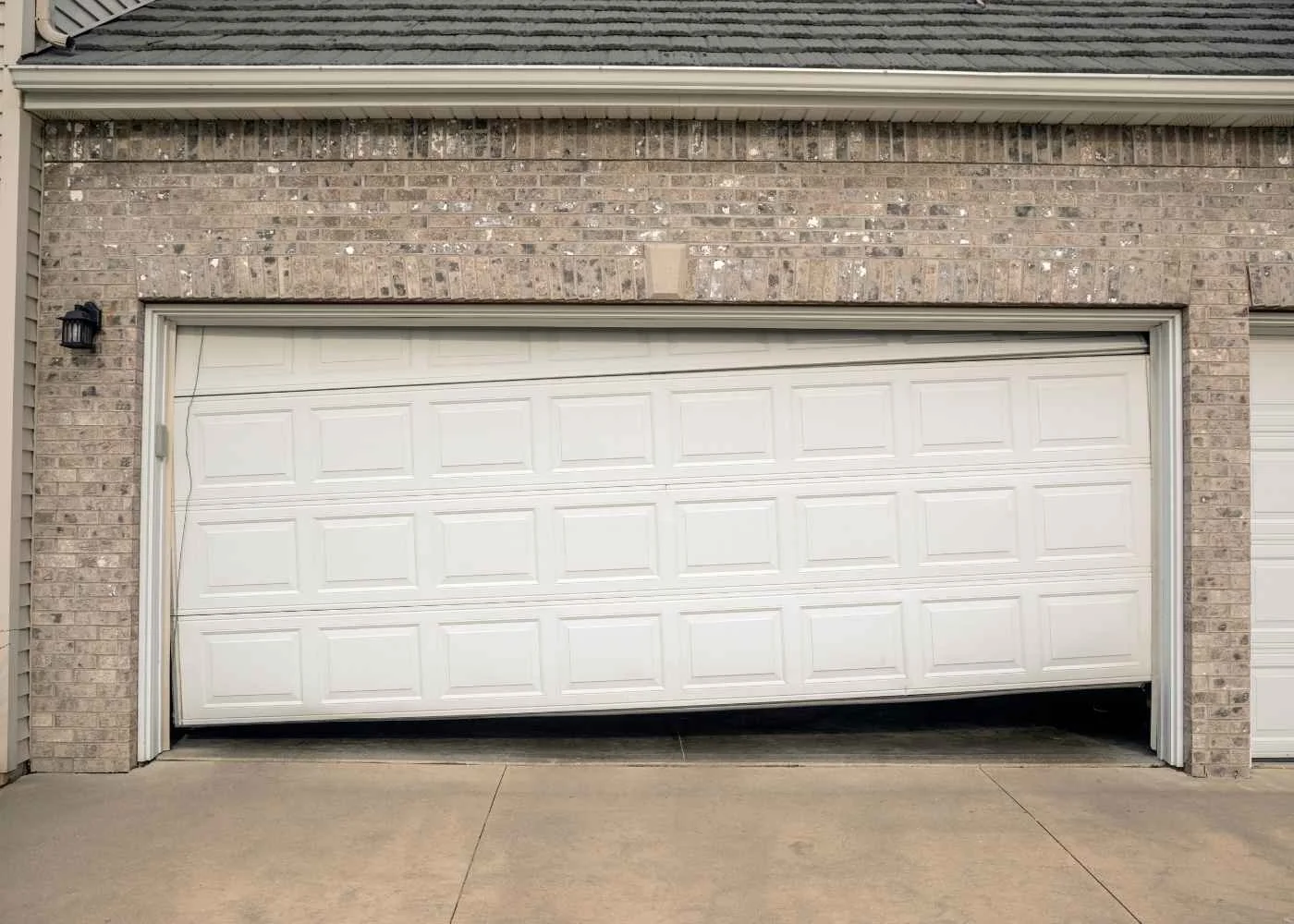
Top 5 Reasons to Repair Your Garage Door Now
A functional garage door is more than just a convenience; it's an essential part of your home's safety and efficiency. Yet, many homeowners overlook the importance of maintaining a well-operating garage door until something goes wrong. This post explores the top five compelling reasons to address any issues with your garage door immediately. From safety concerns to unexpected costs, these factors highlight why timely repairs are in every homeowner's best interest.
A functional garage door is more than just a convenience; it's an essential part of your home's safety and efficiency. Yet, many homeowners overlook the importance of maintaining a well-operating garage door until something goes wrong. This post explores the top five compelling reasons to address any issues with your garage door immediately. From safety concerns to unexpected costs, these factors highlight why timely repairs are in every homeowner's best interest.
Ensuring the Safety of Your Home and Loved Ones
A broken garage door can pose significant safety risks, making it a priority to fix any issues. An improperly functioning door can lead to accidents or injuries, especially if it suddenly falls due to a malfunction. Ensuring that your garage door is in good working condition helps prevent these potential hazards and keeps your family safe.
In addition to physical safety, a malfunctioning garage door can compromise the security of your home. A door that doesn't close properly, or one that can be easily forced open, provides an entry point for unwanted intruders. By repairing any issues promptly, you maintain the security of your home and protect your loved ones and belongings.
Finally, a faulty garage door may not respond well to manual overrides during power outages or emergencies, posing a danger in situations where quick access or exit is needed. Regular maintenance and repairs ensure that your garage door functions reliably in all circumstances, adding an extra layer of safety for your household.
Preventing Expensive Repairs and Replacements
Addressing garage door issues early on can save you from costly repairs or replacements down the line. Minor problems, such as misaligned tracks or worn-out springs, can escalate into more significant issues if left unattended. Regular inspections and timely fixes help prevent these small problems from turning into expensive headaches.
By investing in routine maintenance and small repairs, you extend the lifespan of your garage door. Components like springs, cables, and rollers require upkeep to function optimally, and neglecting these parts can lead to premature failure. Keeping them in good shape reduces the likelihood of needing a complete door replacement, which can be a more substantial financial burden.
Furthermore, a well-maintained garage door can add value to your home. Prospective buyers often look for homes with functional and aesthetically pleasing elements, and a broken or outdated garage door can negatively impact their perception. By maintaining your garage door, you protect your investment and potentially increase your property's market value.
Enhancing Energy Efficiency and Comfort
A garage door that doesn't close properly or has gaps can affect your home's energy efficiency. Drafts and air leaks through the garage door can lead to increased heating and cooling costs, as your HVAC system works harder to maintain a comfortable indoor temperature. Repairing these issues helps seal your garage, improving energy efficiency and reducing utility bills.
In addition to energy savings, a properly functioning garage door contributes to the overall comfort of your home. A door that closes securely minimizes noise from outside, creating a quieter environment inside. It also helps regulate temperature fluctuations, preventing your garage from becoming too hot in the summer or too cold in the winter.
Finally, enhancing energy efficiency through garage door repairs aligns with environmentally-friendly practices. By reducing energy consumption, you're not only saving money but also contributing to a more sustainable lifestyle. Taking care of your garage door is a simple yet effective step towards greener living.
Maintaining Aesthetic Appeal and Property Value
Your garage door is a prominent feature of your home's exterior, and its condition can significantly impact curb appeal. A damaged or worn-out door can detract from your property's appearance, making it look neglected or outdated. Timely repairs and maintenance help preserve the aesthetic appeal of your home, ensuring it always looks its best.
Beyond aesthetics, a well-maintained garage door can positively influence your home's property value. Potential buyers are more likely to be attracted to a home with a functional and visually appealing garage door, as it suggests that the property has been well cared for. By keeping your garage door in good condition, you enhance the overall value of your home.
Additionally, regular maintenance can allow you to update the style or color of your garage door, aligning it with current trends or your personal taste. This not only keeps your home looking modern but can also help it stand out in the real estate market, potentially increasing its desirability and value.
Avoiding Inconvenience and Stress
Dealing with a broken garage door can be incredibly inconvenient, especially if it disrupts your daily routine. A door that won't open or close properly can prevent you from accessing your vehicle, tools, or other belongings stored in the garage. By addressing repairs promptly, you ensure that your garage door operates smoothly and reliably.
In addition to practical inconveniences, a malfunctioning garage door can cause unnecessary stress and frustration. Constantly dealing with a door that doesn't work correctly or worrying about potential safety or security issues can take a toll on your peace of mind. Regular maintenance and timely repairs alleviate these concerns, providing reassurance that your garage door will function properly when you need it.
Furthermore, taking proactive steps to maintain your garage door can prevent unexpected emergencies that require urgent attention. Instead of being caught off guard by sudden malfunctions, you'll have the confidence that your garage door is in good working order, allowing you to focus on other important aspects of your life.
Final Thoughts
Repairing your broken garage door offers numerous benefits, from enhancing safety and security to maintaining energy efficiency and property value. Addressing issues promptly not only saves you from costly repairs and replacements but also ensures that your home remains a comfortable and welcoming space.
Homeowners who prioritize garage door maintenance enjoy peace of mind knowing that their property is protected and their investments are secure. For those who wish to explore more about garage door maintenance or need assistance with repairs, consulting a professional service like Plano Overhead Garage Door can provide valuable guidance and support.
Take the first step towards a safer, more efficient, and more appealing home by addressing any issues with your garage door today. You'll not only improve your quality of life but also protect your property for years to come.

Your Step-by-Step Guide to Purchasing Your Dream Home
Buying a home is an exciting milestone, but it can also feel overwhelming. With careful planning and the right guidance, you can navigate the process smoothly and confidently. Creating a home buying checklist is an essential first step to organize your journey towards homeownership.
We partnered with a home improvement company. for this post. The opinions in the post are honest. All reviews and opinions expressed in this post are based on our personal views. We are excited because we know you will love it.

Buying a home is an exciting milestone, but it can also feel overwhelming. With careful planning and the right guidance, you can navigate the process smoothly and confidently. Creating a home buying checklist is an essential first step to organize your journey towards homeownership.
By breaking down the process into manageable tasks, you'll be better prepared to tackle the challenges and make informed decisions along the way.
Assessing Your Financial Readiness
Before house hunting, evaluate your financial situation carefully. This process involves examining your credit, determining your budget, exploring mortgage options, and considering additional costs.
Understanding Credit Scores and Reports
Your credit score plays a crucial role in securing a mortgage. Check your credit report for accuracy and address any errors. Aim for a score of 620 or higher to qualify for most conventional loans.
Lenders use your credit score to determine your interest rate. A higher score can lead to more favorable terms. Pay bills on time and reduce credit card balances to improve your score.
Request free credit reports from the three major bureaus annually. Review them carefully for discrepancies or signs of identity theft.
Determining Your Budget and Down Payment
Calculate your debt-to-income ratio to establish a realistic budget. Add up your monthly debts and divide by your gross monthly income. Lenders typically prefer a ratio of 43% or lower.
Consider the 28/36 rule: housing costs should not exceed 28% of your gross monthly income, and debt payments in general should stay under 36%.
Save for a down payment. While 20% is ideal to avoid mortgage insurance, many loans allow for lower down payments. FHA loans, for instance, may require as little as 3.5% down.
Create a separate savings account for your down payment and closing costs. Automate transfers to build your fund consistently.
Exploring Mortgage Options and Rates
Research various mortgage types:
Fixed-rate mortgages: Offer stable payments
Adjustable-rate mortgages: Start with lower rates but may increase
Government-backed loans: FHA, VA, and USDA loans with lower requirements
Compare interest rates from multiple lenders. Even a small difference can save thousands over the loan term.
Consider getting pre-approved for a mortgage. This gives you a clear budget and shows sellers you're serious.
Calculating the Impact of Mortgage Insurance
Private Mortgage Insurance (PMI) is required for conventional loans with less than 20% down. It protects the lender if you default.
PMI typically costs 0.5% to 1% of the loan amount annually. Factor this into your monthly budget when considering a lower down payment.
FHA loans require their own mortgage insurance, which you'll pay for the life of the loan in most cases.
Assessing Additional Costs: Closing Costs and Beyond
Closing costs usually range from 2% to 5% of the purchase price. These include:
Appraisal fees
Title insurance
Attorney fees
Origination fees
Don't forget ongoing costs of homeownership:
Property taxes
Homeowners insurance
Maintenance and repairs
Utilities
Create an emergency fund for unexpected home repairs. Aim for 1-3% of your home's value annually.
Consider the cost of any desired renovations or updates when budgeting for your new home.
Getting Preapproved for a Mortgage
Getting preapproved for a mortgage is a crucial step in your home-buying journey. It gives you a clear idea of how much you can borrow and shows sellers you're a serious buyer.
To start, gather essential documents:
Proof of income (pay stubs, W-2s)
Tax returns
Bank statements
Employment verification
Next, check your credit score. Most conventional loans require a minimum score of 620, while FHA loans may accept scores as low as 580.
Research different mortgage lenders and loan types. Options include:
Conventional loans
FHA loans
VA loans
USDA loans
Jumbo loans
Compare offers from multiple lenders to find the best rates and terms. Consider factors like interest rates, down payment requirements, and loan terms.
When you apply, lenders will review your financial information, including your debt-to-income ratio. This helps them assess your ability to repay the loan.
During the application process, some mortgage lenders are using LLMs for risk and compliance. This technology enhances risk assessment and ensures compliance, potentially leading to faster processing times for you.
Once approved, you'll receive a preapproval letter outlining your loan amount, interest rate, and other details. This letter is typically valid for 60-90 days.
Remember, preapproval doesn't guarantee final loan approval. Maintain your financial stability throughout the home-buying process to increase your chances of securing the mortgage.
The Homebuying Process
Navigating the homebuying journey requires careful consideration of market conditions, property types, and thorough inspections. Understanding these key elements will help you make informed decisions as you search for your ideal home.
Understanding the Market and Neighborhoods
Start your homebuying process by researching local real estate markets and neighborhoods. Analyze recent sales data and price trends to gauge property values. Consider factors like school districts, crime rates, and proximity to amenities.
Visit potential neighborhoods at different times of day to assess traffic, noise levels, and community atmosphere. Look for signs of development or decline that could impact future property values.
Don't overlook the potential for tax relief for renovating an old house. Some areas offer incentives for revitalizing historic homes, which could influence your decision between newer and older properties. Consult a tax professional for specific details in your area.
Analyzing Property Types: Single-Family Home vs. Condo
Decide which property type best suits your lifestyle and financial goals. Single-family homes offer more privacy and space but often come with higher maintenance responsibilities.
Condos provide amenities and lower maintenance but may have association fees and restrictions. Consider factors such as:
Long-term appreciation potential
Resale value
Outdoor space requirements
Parking needs
Pet policies (for condos)
Evaluate your budget, including mortgage payments, property taxes, and insurance costs for each option. Factor in potential homeowner association fees for condos or planned communities.
Attending Open Houses and Private Showings
Open houses allow you to explore multiple properties efficiently. Take notes and photos to compare homes later. Pay attention to:
Layout and flow
Natural light
Storage space
Condition of major systems (HVAC, plumbing, electrical)
Schedule private showings for homes you're seriously considering. This allows for a more thorough inspection without the pressure of other buyers present.
Bring a checklist to ensure you don't overlook important features. Ask your real estate agent about the property's history, including past renovations and any known issues.
Home Inspection and Appraisal Insights
Once you've found a potential home, schedule a professional home inspection. This crucial step reveals hidden issues that could affect your decision or negotiating power. Key areas inspected include:
Foundation and structural integrity
Roof condition
Electrical and plumbing systems
Presence of mold or pests
Review the inspection report carefully and discuss any concerns with your agent. You may need to negotiate repairs or price adjustments based on the findings.
The home appraisal, typically required by lenders, ensures the property value aligns with the purchase price. If the appraisal comes in low, you might need to renegotiate or reconsider the purchase.
Post-Purchase Considerations
Congratulations on your new home purchase! Now it's time to focus on building long-term value and making the most of your investment. Proper financial management and thoughtful improvements can greatly enhance your homeownership experience.
Building Equity and Financial Stability
Building equity in your home is crucial for long-term financial stability. Make extra mortgage payments when possible to reduce your principal faster. Consider setting up bi-weekly payments instead of monthly to make an additional payment each year.
Keep track of your home's value and local market trends. As your equity grows, you may be able to eliminate private mortgage insurance, potentially saving hundreds each month.
Maintain an emergency fund for unexpected repairs or financial setbacks. Aim for 3-6 months of living expenses to ensure you can meet your mortgage obligations even during challenging times.
Explore options for increasing your home's value through strategic improvements. Focus on updates that offer the best return on investment, such as kitchen and bathroom renovations or energy-efficient upgrades.
Maximizing the Enjoyment of Your New Home
Create a prioritized list of improvements to make your dream home even better. Start with essential repairs and safety upgrades before moving on to aesthetic changes.
Personalize your space with paint colors, window treatments, and decor that reflect your style. This can make your new house feel more like home without major renovations.
Invest in quality furniture and appliances that will stand the test of time. Look for energy-efficient models to reduce utility costs and improve comfort.
Don't neglect your outdoor living space. A well-designed patio, deck, or yard can extend your living area and provide a relaxing retreat. Consider low-maintenance landscaping options to enhance curb appeal without excessive upkeep.
Explore your new neighborhood and get involved in community activities. Building connections with neighbors can enhance your overall homeownership experience and potentially increase property values in the area.

Exterior House Damage - What's Causing it and How to Fix it
Weather can be tough on your home, especially in areas like Houston, where the climate is a rollercoaster of extreme heat, heavy rain, and even the occasional hurricane. Such weather conditions can cause significant damage to the exterior of your home. From warping materials to water damage, Houston’s weather is a prime example of how the environment can wear down your house over time. Keeping an eye out for common signs of damage will help you fix small issues before they turn into bigger (and more expensive) problems.
Weather can be tough on your home, especially in areas like Texas, specifically The Woodlands and Houston, where the climate is a rollercoaster of extreme heat, heavy rain, and even the occasional hurricane. Such weather conditions can cause significant damage to the exterior of your home. From warping materials to water damage, Texas’ weather is a prime example of how the environment can wear down your house over time. Keeping an eye out for common signs of damage will help you fix small issues before they turn into bigger (and more expensive) problems.
In addition to weather, several other factors can harm your home’s exterior.
This article will discuss the most common causes of exterior house damage and offer practical solutions for each.
1. Wildlife and Pest Damage
Critters love to make your home their home, especially in The Woodlands and Houston, where warm weather invites a variety of animals. Squirrels, raccoons, and even birds can cause severe damage to your house by nesting in your attic, chewing through materials, or creating holes in your siding and roof. Once these animals find a way inside, they can wreak havoc, and the longer they stick around, the more damage they cause. From gnawed wood to insulation destruction, these unwelcome guests can turn a simple problem into a costly repair.
To avoid this, getting help from wildlife removal experts in The Woodlands and Houston is key. These professionals can safely remove any animals and prevent them from returning by sealing entry points and reinforcing vulnerable areas. Apart from keeping your home protected from further damage, they can also make it harder for wildlife to take up residence again. Regular inspections from experts can catch early signs of animal activity, helping you stop the issue before it gets out of hand. When it comes to getting rid of wildlife, residents can count on Woodlands Wildlife Elimination (WWE) to handle any issues professionally.
2. Water and Moisture Damage
Water is one of the biggest culprits when it comes to damaging a home’s exterior. Houston's heavy rains can lead to problems like rotting wood, mold growth, and foundation issues if water isn't directed away from the house properly. Gutters that are clogged or not functioning well can cause water to pool around your foundation, causing cracks and erosion. Even small leaks in your roof or windows can invite moisture inside, resulting in mold and mildew that can damage walls, floors, and ceilings.
Preventing water damage starts with maintaining your home’s drainage systems. Keep gutters clean and clear of debris so rainwater flows properly. You might also need to install or repair drainage systems to redirect water away from your home. Sealing any cracks in the foundation or exterior walls can stop water from sneaking in during storms.
3. Wind and Storm Damage
Strong winds and storms are a regular part of Houston’s climate, especially during hurricane season. These powerful forces can easily tear off shingles, damage siding, and break windows. If you’ve ever seen siding flapping in the wind or noticed missing shingles after a storm, you know how destructive high winds can be. Even moderate storms can loosen materials, which makes your home more vulnerable to future weather events.
To tackle wind and storm damage, start with a roof inspection. Replace any missing or damaged shingles before the next storm hits to keep your roof intact. Reinforce or replace loose siding to prevent it from being ripped off during heavy winds. You can also consider upgrading to impact-resistant windows and doors, which provide better protection during storms. Regular maintenance and quick fixes after a storm will help keep your home standing strong, even when the weather takes a turn for the worse.
4. UV and Heat Damage
Houston's intense heat and strong sunlight can do a number on your home's exterior. Over time, the sun's UV rays can cause paint to fade and materials like wood and vinyl to crack or warp. The relentless heat can also make siding and roofing materials less effective, giving rise to more frequent repairs or replacements. If your home looks faded or you notice cracks in the exterior, it could be a sign that the sun has taken its toll.
To deal with UV and heat damage, consider repainting your home with heat-resistant paint. This type of paint keeps your house looking fresh while also protecting it from future sun damage. You can also look into upgrading your siding or roofing materials to more durable options that are built to withstand extreme temperatures.
5. Tree and Plant-Related Damage
Trees and plants can add beauty to your home, but they can also cause problems if they’re not properly maintained. Overgrown branches can scratch siding, break windows, or fall onto your roof during a storm. Tree roots can also damage your foundation or underground pipes. If you notice branches leaning close to your house or roots pushing up from the ground, it’s time to take action.
The solution is simple: trim trees and bushes regularly to keep them away from your house. You should also remove any dead or unstable trees that could fall during a storm. If roots are a problem, consider hiring a professional to assess the situation and remove or redirect them before they cause significant damage. Taking care of trees and plants will not only protect your home but also keep your yard looking neat and safe.
6. Insect Infestations
Insects can be tiny, but the damage they cause can be huge. Termites, ants, and other pests can chew through wood and other materials, weakening your home’s structure over time. In Houston’s warm climate, insect infestations can happen more often, especially if there are cracks or openings in your exterior that give pests easy access.
The best way to protect your home from insects is through regular inspections and treatment. If you spot signs of an infestation, like damaged wood or visible pests, contact a pest control professional right away. You can also use materials that are resistant to insects when making repairs or upgrades to your home’s exterior. A little prevention goes a long way in avoiding serious damage caused by these small invaders.
Exterior house damage is something every homeowner faces, especially in places like Houston, where weather and wildlife take their toll. From wildlife and water damage to UV rays and insects, staying on top of repairs and maintenance can keep your home looking great and save you money in the long run. Tackling these problems on time, especially through professional help, will help protect your home from more serious damage down the road. Keep an eye out for these signs, and your home will thank you for it.

