

A resource for those seeking information on organizing and transforming spaces.

The Hidden Dangers Of A Damp Home: Health Risks And Structural Concerns
A damp home is more than just a nuisance—it poses significant risks to both health and the structure of your property. From promoting mold growth to weakening building materials, dampness can cause serious issues if left untreated.
A damp home is more than just a nuisance—it poses significant risks to both health and the structure of your property. From promoting mold growth to weakening building materials, dampness can cause serious issues if left untreated.
Health Risks Associated with a Damp Home
One of the most immediate dangers of a damp home is its impact on health. Excess moisture provides an ideal environment for mold and mildew, which release spores into the air. These spores can aggravate respiratory issues, trigger allergies, and even lead to asthma, particularly in children and older adults. Prolonged exposure to mold and damp environments can also weaken the immune system, making residents more susceptible to infections and illnesses.
Structural Damage and Home Integrity
Dampness can gradually damage your home’s structure, especially if moisture seeps into walls, floors, and foundations. Wood and plaster absorb water over time, which can lead to rot and degradation of essential structural components. Left unchecked, dampness may even affect a property’s stability, especially in older homes. To safeguard a property’s structure, it's essential to identify and repair sources of dampness as soon as they arise.
Preventing and Addressing Dampness
Managing dampness effectively requires both prevention and remediation. Regularly inspecting and maintaining plumbing, roofing, and gutters can prevent water from infiltrating the home. When water damage is detected, addressing it promptly is crucial. Concrete construction services, for instance, can provide solutions like waterproofing foundations and repairing structural cracks to help keep moisture out.
Dampness not only diminishes the comfort of a home but also puts residents at risk and can lead to expensive repairs. A proactive approach—inspecting for water leaks, investing in dehumidifiers, and making necessary structural repairs—will help maintain a dry, healthy, and sturdy living space. Protecting your home from dampness is an investment in both its longevity and your well-being. To learn more, check out the resource below.

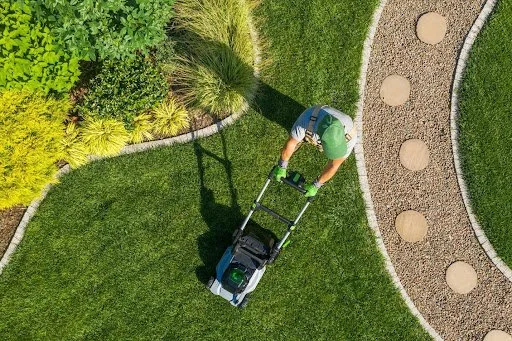
The Art Of Hardscaping And Softscaping: Creating Balanced Outdoor Spaces
Creating a beautiful and functional landscape is both an art and a science. Combining hardscaping and softscaping elements brings depth, texture, and balance to any outdoor area, transforming a simple yard into an inviting, cohesive space. By understanding how to integrate these elements effectively, homeowners can craft landscapes that are visually appealing and sustainable.
Creating a beautiful and functional landscape is both an art and a science. Combining hardscaping and softscaping elements brings depth, texture, and balance to any outdoor area, transforming a simple yard into an inviting, cohesive space. By understanding how to integrate these elements effectively, homeowners can craft landscapes that are visually appealing and sustainable.
What is Hardscaping?
Hardscaping refers to the solid, non-living elements in a landscape. These include pathways, patios, retaining walls, decks, and decorative stone features. Hardscape structures provide functionality, guiding foot traffic, and defining spaces within your yard. Choosing the right materials for hardscaping—whether stone, brick, concrete, or wood—adds durability and character to your outdoor area. Features like fire pits, seating walls, and water fountains can also serve as focal points, drawing attention and enhancing the atmosphere.
The Role of Softscaping in a Landscape
Softscaping involves the living components of a landscape, such as plants, flowers, shrubs, and trees. These elements bring color, movement, and seasonal interest to an outdoor area. Plants not only contribute to the beauty of a yard but also play an essential role in improving air quality and supporting local wildlife. For a well-rounded approach, it’s essential to select plants that are suited to your region’s climate and soil type, ensuring they thrive year-round.
Working with an arborist in Beaverton, for example, can be beneficial if you’re planning to add trees to your landscape. Arborists can advise on native tree species that will flourish in local conditions, adding shade, privacy, and ecological value to your property.
Blending Hardscaping and Softscaping Elements
The key to a harmonious landscape lies in blending hardscaping and softscaping thoughtfully. Hardscape features should complement the natural flow of the garden, while softscape elements should enhance and soften the look of hard structures. For instance, placing flower beds along pathways or surrounding patios with lush greenery helps create a seamless transition between hard and soft elements.
Effective landscaping balances structure with nature, creating a space that’s both functional and inviting. By thoughtfully combining hardscaping and softscaping, homeowners can transform their outdoor areas into beautiful extensions of their homes, ready to be enjoyed in every season. For more information, look over the accompanying resource.


Tips for Making Your Home More Wheelchair-Friendly
Accessibility is crucial in any wheelchair user’s home. Enjoy the independence of everyday life with our tips for making your home more wheelchair-friendly.
Creating an accessible and welcoming home is essential for all wheelchair users. Without this, it becomes extremely difficult to access certain areas of the home or use specific items. Whether you’re adapting your own home or assisting someone in need, the renovation process will be rewarding. Use our six actionable tips for making your home more wheelchair-friendly, ensuring everyone can move around with comfort and ease.
Widen Doorways
First up, widen those doorways! It’s a simple change that makes a world of difference. Standard doors are often too narrow for wheelchairs. Consider widening them by at least a few inches to allow smooth passage. You might need to adjust the frame or even invest in pocket doors, which slide into the wall to free up space.
Install Ramps
Next, let's talk about ramps. They're not just for public spaces! Ramps are different mobility aids for wheelchair users that offer easier access to home entrances and eliminate the hassle of stairs. Choose from portable, threshold, or permanent ramps, depending on your needs and budget. A gentle slope is key—aim for a 1-inch rise for every foot of the ramp to ensure safety and comfort.
Adjust Bathroom Fixtures
Bathrooms can be tricky, but a few adjustments can turn them into accessible havens. Opt for taller toilets or add raised seats, install grab bars near the toilet and shower, and switch to a roll-in shower design. Handheld showerheads and lever faucets are also great for improving accessibility without sacrificing style.
Lower Kitchen Counters
Cooking should be enjoyable for everyone, so let's get those counters to a wheelchair-friendly height! Lowering kitchen counters and sinks can make meal prep a breeze. Look into adjustable countertops if you share your space with others. Don’t forget to position appliances and utensils within easy reach to keep the kitchen functional and inclusive.
Reorganize Furniture Layout
A little furniture shuffle can do wonders for mobility. Arrange furniture to create wide, open pathways—think of it as an obstacle course minus the obstacles. Keep commonly used items within arm’s reach and ensure there's plenty of turning space for wheelchairs. This simple change can greatly enhance day-to-day life.
Smart Home Technology
Finally, let's tech it up a notch! Smart home technology is not just for the tech-savvy; it's a game-changer for accessibility, too. Voice-activated devices like smart lights and thermostats or automated blinds can streamline household tasks, making them manageable from the comfort of a chair. Consider installing video doorbells and smart locks for added convenience and security.
Incorporating these tips to make your home more wheelchair-friendly can transform it into a comfortable, accessible space for everyone. Explore these changes at your own pace and adapt them to fit your needs.

Maximizing Your Home’s Value: Key Upgrades For A High ROI
Increasing your home’s value doesn’t necessarily require major renovations. Strategic, targeted upgrades can make a significant impact on both its market value and its appeal to potential buyers. Whether you’re preparing to sell or simply want to enhance your home’s worth, these high-ROI improvements can help you achieve your goals.
Increasing your home’s value doesn’t necessarily require major renovations. Strategic, targeted upgrades can make a significant impact on both its market value and its appeal to potential buyers. Whether you’re preparing to sell or simply want to enhance your home’s worth, these high-ROI improvements can help you achieve your goals.
Enhance Curb Appeal with Exterior Improvements
First impressions matter and enhancing your home’s exterior is one of the easiest ways to boost its value. Simple changes, such as repainting the front door, adding new house numbers, or updating outdoor lighting, can instantly elevate your home’s look. For homes with brick exteriors, working with tuckpointers in Chicago or your local area can restore the brickwork’s structural integrity and aesthetic appeal. Tuckpointing refreshes the mortar between bricks, ensuring longevity and adding a polished finish that buyers will appreciate.
Kitchen and Bathroom Upgrades
The kitchen and bathroom are two areas where upgrades tend to yield high returns. Simple enhancements like updating cabinets, replacing countertops, or installing energy-efficient appliances can make your kitchen feel more modern without requiring a full remodel. In bathrooms, switching out old fixtures, adding new tiles, or installing low-flow showerheads can also improve functionality and appearance. These upgrades not only boost value but make the home more appealing to buyers who prioritize convenience and sustainability.
Increase Usable Space
Adding functional space to your home increases its value significantly. Converting a basement into a living or entertainment area, adding a deck, or transforming an attic into an office can provide extra square footage, enhancing your home’s utility. With the rise of remote work, many buyers are looking for homes with flexible spaces. By creating more usable areas, you make your home more versatile and valuable in today’s market.
Energy-Efficient Upgrades
Energy efficiency is a major selling point for modern buyers. Simple improvements like adding insulation, upgrading windows, or installing a smart thermostat can make your home more energy-efficient, reducing utility costs and increasing appeal. Solar panels are another high-value investment for long-term savings and sustainability, which can give your property an edge over others on the market.
Targeted upgrades in your home can greatly increase its value, making it more attractive to potential buyers. From exterior improvements like tuckpointing to enhancing interior spaces, each of these improvements offers a unique way to boost your home’s worth and comfort. To learn more, check out the infographic below.


