

A resource for those seeking information on organizing and transforming spaces.

Understanding The Life Cycle Of Water Heaters: What To Expect And When To Replace
Water heaters are essential home appliances, providing hot water for everything from showers to dishwashing. Like most home systems, they have a predictable life cycle, and knowing when to replace or maintain them can save on energy costs and prevent unexpected breakdowns.
Water heaters are essential home appliances, providing hot water for everything from showers to dishwashing. Like most home systems, they have a predictable life cycle, and knowing when to replace or maintain them can save on energy costs and prevent unexpected breakdowns.
Average Lifespan of Water Heaters
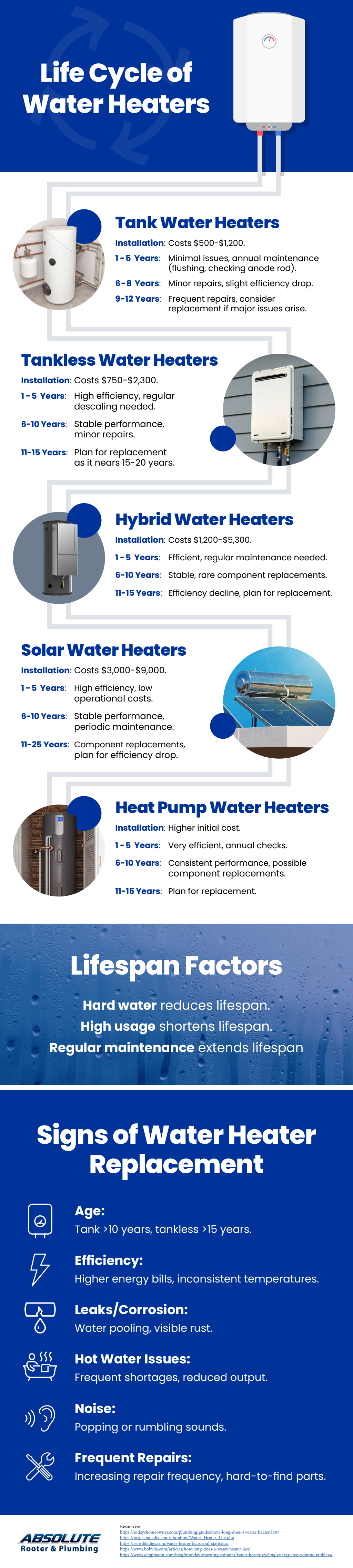
The typical water heater lasts between 8 and 12 years, although various factors can influence this range. Tankless water heaters, for example, tend to last longer—around 20 years—since they heat water on demand rather than storing it. Traditional tank-style water heaters experience wear over time, as minerals and sediment in water can accumulate, impacting efficiency.
Signs of Wear and When to Consider Replacement
As water heaters age, they often show warning signs. Reduced hot water availability, fluctuating temperatures, or rust-colored water could indicate that the tank is deteriorating. Another sign is unusual noises, such as banging or popping sounds, which may point to sediment buildup at the bottom of the tank. These issues often signal that it’s time for maintenance or, in some cases, a full replacement.
Regular inspections by a professional offering plumbing services can help identify early signs of trouble and recommend whether maintenance or replacement is the best option. Routine flushing of the tank to remove sediment can also extend the life of your water heater.
Choosing the Right Replacement
When the time comes to replace your water heater, consider factors like energy efficiency, household water needs, and cost. Tankless models are a good option for energy-conscious homeowners, while traditional tanks remain a reliable and budget-friendly choice for many families. Newer models often come with advanced insulation and heating technology, making them more efficient than older models and potentially lowering utility bills.
Understanding the life cycle of your water heater and knowing when to replace it are key to maintaining a steady supply of hot water and avoiding unexpected repairs. With the help of professional plumbing services, you can keep your system running smoothly and ensure that your home stays comfortable and efficient year-round.

Does Solar Power Boost Your Home's Value?
As more homeowners turn toward eco-friendly solutions, solar energy is at the forefront of sustainable technology. Installing solar panels on your home isn’t just about cutting electricity bills and reducing carbon footprints many real estate experts now see it as a way to boost property value. However, understanding how and to what extent solar power affects home value can help homeowners make informed decisions. Let’s delve into the key factors that influence this potential boost in home value.
We partnered with a real estate company for this post. The opinions in the post are honest. All reviews and opinions expressed in this post are based on our personal views. We are excited because we know you will love it.
As more homeowners turn toward eco-friendly solutions, solar energy is at the forefront of sustainable technology. Installing solar panels on your home isn’t just about cutting electricity bills and reducing carbon footprints many real estate experts now see it as a way to boost property value. However, understanding how and to what extent solar power affects home value can help homeowners make informed decisions. Let’s delve into the key factors that influence this potential boost in home value.
How Solar Power Affects Home Value
Several studies suggest that homes equipped with solar power systems tend to sell for more than homes without them. In regions where renewable energy is a priority, buyers may be willing to pay a premium for the opportunity to save on utility costs and contribute to a cleaner environment. This increased value isn’t just about the solar panels themselves; it also reflects the potential energy savings that come along with them.
For example, a study from the National Renewable Energy Laboratory found that homes with solar panels typically sold for an average of 4% more than homes without solar power. The increase in value, however, depends on factors like the home’s location, the type of solar installation, and the potential electricity savings over time. Prospective buyers are also attracted by incentives and rebates available for solar energy, which can be an added financial incentive to invest in solar-equipped homes.
Solar Power and Monthly Savings
One of the most immediate benefits of installing solar power is the reduction in electricity bills. Homes with solar installations can reduce or even eliminate their monthly electricity costs, which is appealing for many buyers. In regions with high energy costs, this financial relief is particularly valuable. Buyers view solar-powered homes as investments that will save them money long after the home purchase, thereby enhancing the appeal of these properties.
Additionally, net metering programs allow homeowners to earn credits for excess electricity produced by their solar panels. This further adds to the monthly savings, as homeowners can offset their future bills by generating more power than they use. For potential buyers, these savings make the idea of a solar-powered home more attractive and can be a significant selling point that differentiates solar-powered homes from those without energy-saving features.
The Impact of Location on Solar Home Value
The location of a home plays a critical role in determining how much value solar power adds. Solar installations are generally more valuable in states with high energy costs, abundant sunlight, and progressive energy policies. In states like California, Arizona, and Texas, where solar energy has gained considerable traction, the presence of solar panels can significantly boost home value. Buyers in these states are more accustomed to the concept of solar power and understand the long-term financial and environmental benefits.
However, in areas where solar power is less common or where energy costs are lower, the increase in property value may be less pronounced. Despite this, as more regions adopt renewable energy incentives and education on solar benefits grows, the value of solar installations is expected to rise across the country. Homeowners looking to sell in solar-friendly areas can likely expect a faster sale and a higher return on investment due to the appeal of solar technology.
Solar Ownership vs. Leasing
When it comes to the value of a solar-powered home, the type of solar arrangement matters. Solar panels can be either owned outright by the homeowner or leased from a third-party provider. Owned systems typically add more value than leased ones because buyers are often wary of inheriting lease agreements. Owned solar panels allow buyers to reap the full financial benefits of solar energy without ongoing lease payments, making the home more attractive.
Leased solar panels can sometimes complicate the selling process. Buyers may be hesitant to take on an existing lease, and lenders may require additional steps to approve the mortgage. For instance, a potential buyer may need to qualify to take over the lease payments, which could slow down the transaction. To avoid this, homeowners considering solar should weigh the pros and cons of leasing versus buying, as owned systems tend to offer the greatest boost to property value.
Bright Bid Homes can be a helpful resource for homeowners who have invested in solar power and want to sell quickly. A cash home-buying service can streamline the sale, especially for those who may have questions about how their solar installation affects their home’s market appeal.
Solar as a Lifestyle Investment
In addition to the financial perks, solar power appeals to a growing number of buyers who prioritize environmental responsibility. Reducing carbon footprints and minimizing energy waste are important values for eco-conscious consumers, and a solar-powered home is a straightforward way for homeowners to live more sustainably. For environmentally-minded buyers, solar installations may even be the tipping point that drives them to choose a particular property.
This lifestyle investment can further increase a home’s value by drawing in buyers who view renewable energy as a key element of modern, eco-friendly living. As awareness of climate change grows, properties that offer green solutions like solar energy will continue to attract premium buyers who see the technology as both a financial and environmental benefit.
Long-Term Resale Value
Looking beyond immediate savings, solar panels can protect homeowners from rising energy costs over the long term. This stability is another factor that can increase the resale value of a property. Buyers understand that energy prices are likely to continue climbing, and they appreciate the security that comes with owning a solar-powered home that insulates them from fluctuating utility rates. As energy costs become an increasing concern, properties with solar installations are likely to become even more desirable on the market.
Homeowners who install solar panels today are well-positioned to benefit from the future growth of the green real estate market. Given that more states are rolling out renewable energy policies and incentives, a solar-powered home could become an even more lucrative asset in the coming years. Solar-equipped homes aren’t just valuable for the immediate savings they offer; they represent a forward-thinking investment in a future where renewable energy is the norm.
Final Thoughts
Investing in solar power can indeed boost a home's value, particularly in solar-friendly states or high-energy-cost regions. The decision to install solar panels, however, should be based on a combination of personal energy goals, expected energy savings, and plans for homeownership. Homeowners should carefully consider whether they plan to own the system outright or lease it and weigh how much value solar will add to their property in their specific location.
As solar technology continues to evolve and more buyers prioritize eco-friendly homes, solar power may increasingly be seen not only as an energy solution but also as a way to enhance property value. For those considering a sale in the future, the decision to go solar might be the boost that helps their property stand out in a competitive market.

The Hidden Dangers Of A Damp Home: Health Risks And Structural Concerns
A damp home is more than just a nuisance—it poses significant risks to both health and the structure of your property. From promoting mold growth to weakening building materials, dampness can cause serious issues if left untreated.
A damp home is more than just a nuisance—it poses significant risks to both health and the structure of your property. From promoting mold growth to weakening building materials, dampness can cause serious issues if left untreated.
Health Risks Associated with a Damp Home
One of the most immediate dangers of a damp home is its impact on health. Excess moisture provides an ideal environment for mold and mildew, which release spores into the air. These spores can aggravate respiratory issues, trigger allergies, and even lead to asthma, particularly in children and older adults. Prolonged exposure to mold and damp environments can also weaken the immune system, making residents more susceptible to infections and illnesses.
Structural Damage and Home Integrity
Dampness can gradually damage your home’s structure, especially if moisture seeps into walls, floors, and foundations. Wood and plaster absorb water over time, which can lead to rot and degradation of essential structural components. Left unchecked, dampness may even affect a property’s stability, especially in older homes. To safeguard a property’s structure, it's essential to identify and repair sources of dampness as soon as they arise.
Preventing and Addressing Dampness
Managing dampness effectively requires both prevention and remediation. Regularly inspecting and maintaining plumbing, roofing, and gutters can prevent water from infiltrating the home. When water damage is detected, addressing it promptly is crucial. Concrete construction services, for instance, can provide solutions like waterproofing foundations and repairing structural cracks to help keep moisture out.
Dampness not only diminishes the comfort of a home but also puts residents at risk and can lead to expensive repairs. A proactive approach—inspecting for water leaks, investing in dehumidifiers, and making necessary structural repairs—will help maintain a dry, healthy, and sturdy living space. Protecting your home from dampness is an investment in both its longevity and your well-being. To learn more, check out the resource below.


The Art Of Hardscaping And Softscaping: Creating Balanced Outdoor Spaces
Creating a beautiful and functional landscape is both an art and a science. Combining hardscaping and softscaping elements brings depth, texture, and balance to any outdoor area, transforming a simple yard into an inviting, cohesive space. By understanding how to integrate these elements effectively, homeowners can craft landscapes that are visually appealing and sustainable.
Creating a beautiful and functional landscape is both an art and a science. Combining hardscaping and softscaping elements brings depth, texture, and balance to any outdoor area, transforming a simple yard into an inviting, cohesive space. By understanding how to integrate these elements effectively, homeowners can craft landscapes that are visually appealing and sustainable.
What is Hardscaping?
Hardscaping refers to the solid, non-living elements in a landscape. These include pathways, patios, retaining walls, decks, and decorative stone features. Hardscape structures provide functionality, guiding foot traffic, and defining spaces within your yard. Choosing the right materials for hardscaping—whether stone, brick, concrete, or wood—adds durability and character to your outdoor area. Features like fire pits, seating walls, and water fountains can also serve as focal points, drawing attention and enhancing the atmosphere.
The Role of Softscaping in a Landscape
Softscaping involves the living components of a landscape, such as plants, flowers, shrubs, and trees. These elements bring color, movement, and seasonal interest to an outdoor area. Plants not only contribute to the beauty of a yard but also play an essential role in improving air quality and supporting local wildlife. For a well-rounded approach, it’s essential to select plants that are suited to your region’s climate and soil type, ensuring they thrive year-round.
Working with an arborist in Beaverton, for example, can be beneficial if you’re planning to add trees to your landscape. Arborists can advise on native tree species that will flourish in local conditions, adding shade, privacy, and ecological value to your property.
Blending Hardscaping and Softscaping Elements
The key to a harmonious landscape lies in blending hardscaping and softscaping thoughtfully. Hardscape features should complement the natural flow of the garden, while softscape elements should enhance and soften the look of hard structures. For instance, placing flower beds along pathways or surrounding patios with lush greenery helps create a seamless transition between hard and soft elements.
Effective landscaping balances structure with nature, creating a space that’s both functional and inviting. By thoughtfully combining hardscaping and softscaping, homeowners can transform their outdoor areas into beautiful extensions of their homes, ready to be enjoyed in every season. For more information, look over the accompanying resource.


