

A resource for those seeking information on organizing and transforming spaces.

How to Ensure a Safe and Sanitary Workplace
Creating a safe and sanitary workplace is essential for the well-being of employees, clients, and visitors. A clean and organised environment not only boosts morale but also helps prevent illnesses and accidents, reducing downtime and improving overall productivity. In a world where hygiene standards are increasingly prioritised, ensuring that your workplace remains safe, clean, and hygienic is more important than ever.
We partnered with a cleaning company for this post. The opinions in the post are honest. All reviews and opinions expressed in this post are based on our personal views. We are excited because we know you will love it.

Creating a safe and sanitary workplace is essential for the well-being of employees, clients, and visitors. A clean and organised environment not only boosts morale but also helps prevent illnesses and accidents, reducing downtime and improving overall productivity. In a world where hygiene standards are increasingly prioritised, ensuring that your workplace remains safe, clean, and hygienic is more important than ever.
Whether you’re managing an office, a retail store, or a larger industrial facility, establishing effective cleaning protocols and encouraging good habits can make a big difference. If you’re looking to elevate workplace cleanliness, consider partnering with hygiene services to maintain the highest standards of sanitation. Here’s a comprehensive guide on how to create and uphold a safe and sanitary work environment for everyone involved.
1. Start with a Clean Workplace Culture
Creating a culture of cleanliness is the foundation of a safe and sanitary workplace. When everyone understands the importance of maintaining a clean environment, employees are more likely to take responsibility for their work areas and support company hygiene goals.
Promote Cleanliness as a Team Effort
Encourage employees to take an active role in keeping their workspace clean. This can be done through gentle reminders, clear expectations, and regular discussions about the benefits of cleanliness. When cleanliness is embedded in workplace culture, employees are more likely to make it a priority.
Provide Clear Guidelines
Set clear guidelines and expectations around cleanliness and hygiene. A well-documented hygiene policy can help clarify roles and responsibilities, ensuring that all staff members understand how to contribute to a safe workplace. This policy might include daily, weekly, or monthly cleaning tasks and instructions on waste disposal, personal hygiene, and shared space etiquette.
2. Ensure Regular Cleaning and Sanitising
Regular cleaning and sanitising are essential for preventing the spread of germs and maintaining a sanitary workplace. High-touch surfaces, in particular, should be cleaned and sanitised frequently, as they are most likely to harbour bacteria and viruses.
Create a Cleaning Schedule
A cleaning schedule ensures that every area of the workplace is cleaned and sanitised regularly. High-traffic areas like entrances, bathrooms, kitchens, and break rooms should be cleaned daily, while other areas can be cleaned on a weekly or monthly basis. Assign responsibilities to staff or cleaning services to maintain consistency.
Stock Up on Cleaning Supplies
Make sure the workplace is well-stocked with essential cleaning supplies, such as disinfectants, wipes, hand sanitiser, and gloves. Placing these items in accessible areas encourages staff to clean up after themselves and sanitise shared surfaces regularly.
3. Emphasise the Importance of Hand Hygiene
Hand hygiene is one of the most effective ways to reduce the spread of germs and maintain a sanitary workplace. Encouraging proper handwashing habits is crucial, particularly in high-contact environments like kitchens, bathrooms, and workspaces with shared equipment.
Provide Hand Sanitiser Stations
Place hand sanitiser stations at key locations, such as entrances, bathrooms, and communal areas. Alcohol-based hand sanitisers are effective at killing germs, making them a convenient option for when soap and water aren’t readily available. By making hand sanitiser accessible, you’re promoting good hygiene habits and helping to reduce germ transmission.
Educate on Proper Handwashing Techniques
Post visual guides on proper handwashing techniques in bathrooms to remind staff of the importance of thorough handwashing. Employees should wash their hands for at least 20 seconds, especially before and after eating, using the bathroom, and handling shared items. Regular handwashing is an easy but powerful habit that contributes to a sanitary workplace.
4. Maintain Clean and Well-Stocked Bathrooms
Bathroom cleanliness plays a significant role in maintaining a safe and sanitary workplace. A clean, well-stocked bathroom reduces the risk of germ transmission and helps employees feel comfortable in their environment.
Clean Bathrooms Frequently
Bathrooms should be cleaned at least once a day, and more often in high-traffic workplaces. Regular cleaning keeps bathrooms fresh, hygienic, and free from unpleasant odours. Ensuring that toilets, sinks, and other fixtures are sanitised will help reduce the spread of germs.
Keep Essentials Stocked
Make sure bathrooms are stocked with essentials like hand soap, paper towels, and toilet paper. Empty or poorly stocked bathrooms can lead to frustration and may encourage employees to neglect hygiene. Regularly checking and restocking bathroom supplies is a small but important step toward maintaining a sanitary workplace.
5. Provide Clean, Well-Maintained Workstations
Employee workstations are personal spaces, but they can still harbour germs and dust. Keeping these areas clean is important not only for employee health but also for overall morale and productivity.
Encourage a Tidy Desk Policy
A tidy desk policy encourages employees to keep their workspaces organised and free from clutter. This policy might involve clearing desks at the end of each day and wiping down surfaces regularly. By keeping workstations tidy, employees are less likely to spread germs and are more motivated to maintain cleanliness.
Offer Desk Cleaning Supplies
Providing employees with cleaning supplies like wipes or sprays allows them to clean their own desks regularly. A quick wipe-down each day can make a big difference, especially for desks that have high-contact items like keyboards, phones, and mice.
6. Promote Safe Food Handling Practices
If your workplace has a communal kitchen or break area, it’s essential to establish safe food handling practices to prevent cross-contamination and maintain hygiene.
Educate Employees on Food Safety
Encourage employees to store and handle food safely. This includes keeping perishable items in the refrigerator, using separate containers, and not leaving food out for extended periods. Posting reminders on safe food handling can help reduce the risk of bacteria and foodborne illnesses.
Clean Kitchen Appliances and Utensils Regularly
Make sure that kitchen appliances, such as microwaves, fridges, and coffee machines, are cleaned regularly. Dirty appliances can quickly become breeding grounds for bacteria, so it’s essential to include these in the regular cleaning schedule. Ensure that cutlery, dishes, and other utensils are washed after each use to prevent cross-contamination.
7. Ventilation and Air Quality
Good air quality and ventilation are critical for a safe and healthy workplace. Poor ventilation can contribute to respiratory issues and the spread of airborne illnesses.
Ensure Proper Ventilation
Regularly opening windows, using fans, or investing in air purifiers can help improve air circulation and remove impurities from the air. If your workplace uses air conditioning, schedule regular maintenance to ensure that filters are clean and functioning properly. Good ventilation reduces the risk of airborne infections and contributes to a fresher, healthier workplace environment.
Monitor Humidity Levels
Maintaining the right humidity levels can also support air quality. Excess humidity encourages mould and mildew growth, while very low humidity can irritate respiratory passages. Aim for a balanced humidity level between 30% and 50%, which helps create a comfortable and healthy indoor atmosphere.
8. Regular Training and Updates
A safe and sanitary workplace requires ongoing commitment and education. Regular training keeps employees informed about new hygiene protocols, best practices, and any changes in safety regulations.
Conduct Periodic Training Sessions
Hold training sessions to remind employees of workplace hygiene standards and demonstrate proper cleaning techniques. These sessions can cover everything from handwashing to safe food handling, empowering employees to maintain a clean and safe environment.
Update Policies as Needed
Hygiene and safety protocols should be updated regularly to reflect new knowledge, technology, or guidelines from health authorities. Staying current with these updates helps ensure that your workplace remains a safe and sanitary space for everyone.
Final Thoughts: A Healthier, Safer Workplace for All
Ensuring a safe and sanitary workplace is an ongoing effort that involves everyone, from management to employees. By fostering a culture of cleanliness, establishing regular cleaning routines, and providing the necessary tools and training, you can create a work environment that promotes health, safety, and well-being. The positive impact on morale, productivity, and overall satisfaction is well worth the effort, as a clean workplace contributes to a happier, healthier workforce.
When hygiene becomes a shared priority, you’re not only reducing the risk of illness but also demonstrating care for the people who make your business thrive. So, take proactive steps today to build a workplace where everyone feels safe, valued, and motivated to do their best. A clean, safe environment isn’t just good for business—it’s a commitment to everyone’s health and happiness.
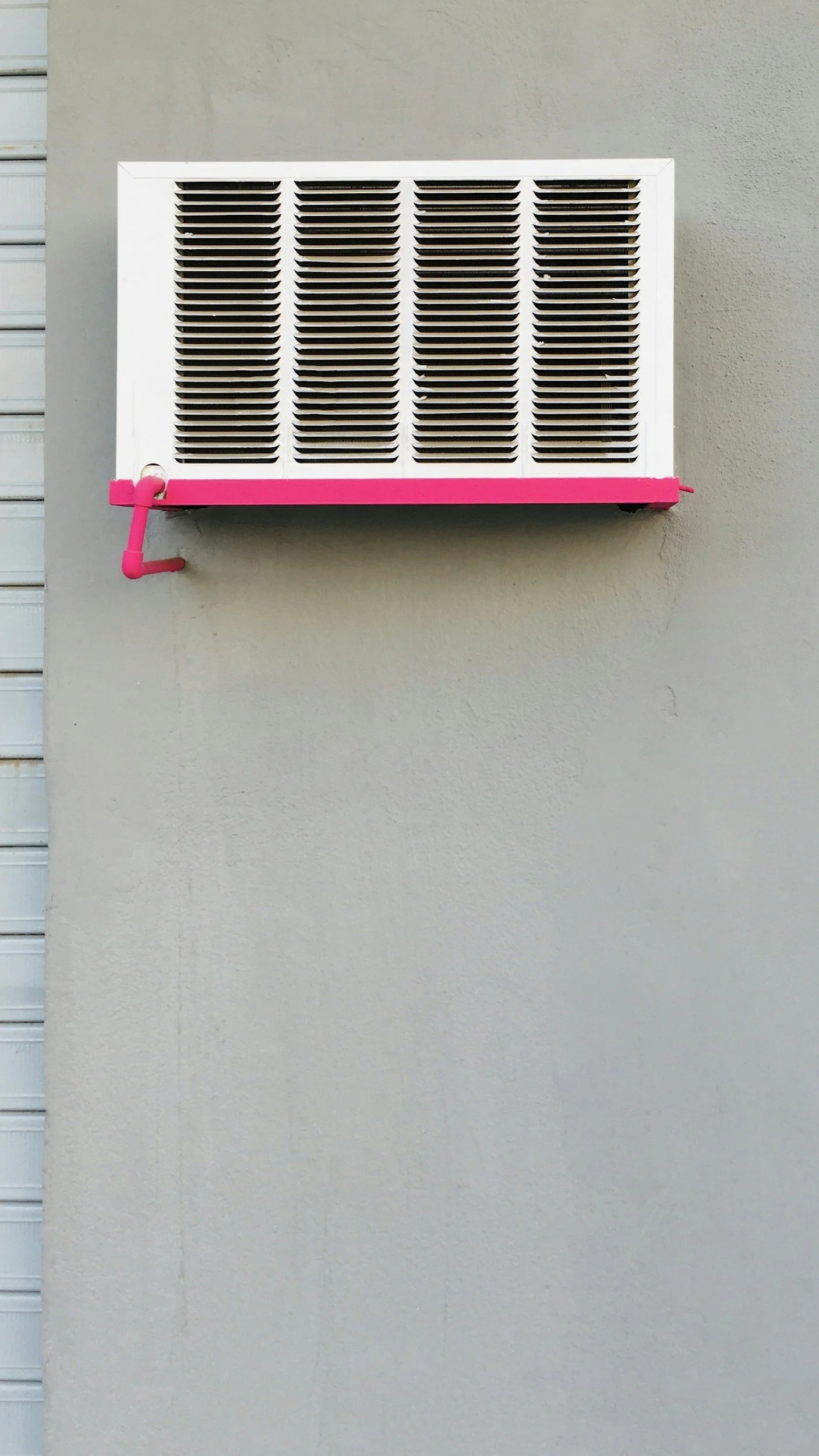
5 Smart Ways to Avoid Overpaying for AC Repairs
Keeping your air conditioning system in good shape is vital for a comfortable home. Yet, many families end up overpaying for repairs due to avoidable mistakes. Whether it’s a sudden breakdown during peak summer or unexpected service bills, overspending on repairs is frustrating.

Keeping your air conditioning system in good shape is vital for a comfortable home. Yet, many families end up overpaying for repairs due to avoidable mistakes. Whether it’s a sudden breakdown during peak summer or unexpected service bills, overspending on repairs is frustrating.
The good news? You can avoid inflated repair costs by being informed and proactive. Below, you'll discover five smart strategies to help you save money and ensure your AC remains in top condition.
Choose a Reliable, Reputable HVAC Company
One of the easiest ways to save money on AC repairs is by picking the right service provider. A trustworthy company isn’t just about affordability; it’s about efficiency, professionalism, and a commitment to helping you understand your repair options.
How do you spot such a provider? Look for HVAC companies with glowing reviews, testimonials that showcase consistent customer satisfaction, and technicians who prioritize educating homeowners. A reliable team will assess your situation accurately, offering solutions without upselling unnecessary services.
Start by doing your research—check online reviews on Google, Yelp, or Better Business Bureau, and don’t hesitate to ask your friends or neighbors for recommendations. A company that values transparency will make all the difference in avoiding hidden costs.
Stay on Top of Routine Maintenance
Regular preventative maintenance is essential for keeping your system efficient and minimizing repair costs. Just like your car needs routine checkups to run smoothly, your AC thrives on periodic inspections.
An annual tune-up can help prevent small issues from snowballing into expensive repairs. During a professional service visit, the technician will clean filters, check refrigerant levels, inspect electrical connections, and ensure all components are functioning properly. These proactive steps help minimize wear and tear, resulting in fewer breakdowns.
Additionally, simple maintenance tasks like changing filters regularly (every 1-3 months, depending on usage) or inspecting the outdoor unit for debris can save you money in the long run.
Compare Prices and Get Multiple Estimates
It’s easy to panic when your AC suddenly stops working during the hottest days of summer. However, your wallet will thank you if you take a moment to compare service quotes. Many families overpay because they go with the first estimate they receive without considering other options.
Reputable HVAC companies will provide clear breakdowns of costs, including labor, parts, and any additional fees. When obtaining multiple estimates, pay attention not only to the quoted price but also to the details. The cheapest option isn’t always the best; prioritize companies that explain their recommendations clearly and that use high-quality parts.
Comparison shopping will give you insight into standard repair pricing in your area, helping you make an informed decision without emptying your wallet.
Don’t Delay Repairs
When you notice your AC making strange noises, blowing warm air, or cycling frequently, it might be tempting to ignore the problem and hope it fixes itself. Unfortunately, delaying repairs often results in bigger, more expensive issues.
For example, a small refrigerant leak can place additional strain on the compressor when left unchecked, ultimately shortening its lifespan. Similarly, clogged filters and neglected coils force the system to work harder, leading to higher energy bills and potential equipment failure.
Addressing minor problems as soon as they arise ensures affordable repair costs while extending the lifespan of your air conditioner. If you’re unsure about a possible issue, contacting an expert early is always a wise move.
Understand Your AC System
Knowledge is power, and the more you know about your AC system, the less likely you are to overpay for repairs. A basic understanding of how your air conditioner works can help you recognize potential problems and ask the right questions when consulting an HVAC professional.
For example, familiarize yourself with common AC components like the compressor, evaporator coils, condenser, and refrigerant lines. If a technician explains a specific repair, understanding the basics of these parts can help you gauge whether their diagnosis makes sense.
Additionally, some HVAC companies are passionate about educating customers as part of their service. Look for providers who guide you through their repair process, explain costs, and offer tips to maintain your system. This approach fosters trust and ensures you’re never paying for unnecessary work.
Final Thoughts
Keeping your air conditioner in top condition doesn’t have to mean overpaying for repairs. By selecting a reputable HVAC company, staying proactive about maintenance, and understanding your system, you’ll save money while maintaining a cool and comfortable home for your family.
If you’re looking for a team that values efficiency, professionalism, and customer education, consider reaching out to a trusted local HVAC provider like Firehouse Heating & Air today.

Buyer's Guide to Residential Roofing Materials
Your roof is the shield of your home and is one of the first things people notice when looking at your house. The market offers so many options in terms of residential roofing materials that it might be hard to encompass them all.
We partnered with A home improvement company for this post. The opinions in the post are honest. All reviews and opinions expressed in this post are based on our personal views. We are excited because we know you will love it.

Your roof is the shield of your home and is one of the first things people notice when looking at your house. The market offers so many options in terms of residential roofing materials that it might be hard to encompass them all.
Purchasing the right one will make your home look lively and increase your energy efficiency! This guide will teach you about the different types of roofing, including what's hot and what never goes out of style.
Understanding Residential Roofing Materials
Without a solid foundation of residential roofing material, even a great home can not withstand the test of time. Not only do they keep you dry from rain, snow, and sun, but they also have a large impact on your home's energy efficiency and look. The right roof material not only adds style to your home - it also can affect the resale value of the property.
Technology has progressed, and there has been much development in new residential roofing materials, which is also contributing to the increased number of these products on the market. With more options available to homeowners than ever before, it is important to know the lay of the land and what best suits your specific needs.
Types of Roofs
There are endless roofing options. There is no one perfect type of roof—each has its unique features and benefits.
Metal Roofs
Metal roofs have become incredibly popular because they are known for their strength and longevity. Stamped metal roofs and stamped steel roofing are two options that have a charming design that mimics traditional materials while providing the strength of metal. They are lightweight, so they cost less to install, and they reflect heat, actually keeping your home cooler in the summer.
Slate Roofs
If the homeowner dreams of adding some elegance, then there may perhaps be no superior selection other than a slate roof. It is one of the most attractive and durable roofs available, being able to last more than 100 years if properly maintained. Natural slate tiles bring a unique appearance to your home and provide high durability against any weather conditions.
Wood Shakes
Wood shakes give a very genuine appearance that may be difficult to reproduce. Its wooden nature makes it create well-built insulation properties. However, they do need more care than other materials, and their susceptibility to rot and fire may make them incompatible with all climates.
Asphalt Shingles
One of the most popular types of materials used for shingles is asphalt, which is generally deemed cost-friendly for homeowners. They are not expensive, come in many different colors and designs, and are easy to put on. They provide moderate protection and have a lifespan of 25 to 30 years, which prompts homeowners to choose them for their dependability.
Architectural Shingles
If you want something sturdier than standard asphalt shingles, architectural shingles are thicker and provide more of a textured look. They also tend to be more wind resistant and can last 30+ years, making them a beautiful choice for homeowners who want style as well as substance.
Concrete Tiles
One other option is concrete tiles. This is a very durable variation and ideally suited for areas that suffer heavy rain or severe weather conditions. They are modeled to look like clay or slate tiles, giving off the charm of contemporary materials.
Innovations in Roofing Products
In addition to traditional materials, the roofing industry continues to evolve with new roofing products that provide enhanced performance and aesthetic appeal. Innovations like stamped metal shingles allow homeowners to achieve the look of more expensive materials without the hefty price tag.
Factors to Consider When Choosing Roofing Materials
When it comes to selecting roofing materials, several factors should guide your decision:
Weather Conditions
The local climate plays a significant role in the longevity and performance of your roof. For instance, homes in areas with heavy rainfall may benefit from durable options like metal roofs or slate roofs that can withstand harsh conditions.
Fire Resistance
Fire resistance is another critical consideration. If you live in a wildfire-prone area, opting for materials like metal roofing or concrete tiles can provide peace of mind. Many modern roofing materials come with enhanced fire ratings, offering added safety for homeowners.
Cost-Effectiveness
Understanding the upfront costs versus long-term benefits is vital. While materials like slate and metal may require a higher initial investment, their durability can lead to lower maintenance costs over time, saving you money in the long run.
Maintenance Needs
All roofing materials require some maintenance, but the extent varies. Asphalt shingles may need regular inspections and occasional replacements, while wood shakes require more frequent upkeep to prevent rot and damage.
Signs of Damage and Maintenance
Once your roof is installed, it's essential to look for signs of damage. Regular inspections can help you catch issues early. Look for missing shingles, leaks, or cracks in the roof deck. Early detection can save you from costly repairs down the line.
Hiring a Roofing Contractor
Choosing the right roofing contractor can make all the difference in your roofing project. It's essential to do your research and select someone with a solid reputation. Ask potential contractors about their experience with specific materials, such as stamped metal shingles or architectural shingles.
A qualified contractor will guide you through the installation process and help ensure that you choose the best materials for your home. Whether it's roofing or door installations near Mankato, make sure to only reach out to reputable and trusted contractors to ensure the job is well done.
Choose the Perfect Roofing Solution for Your Home Today!
Understanding the various residential roofing materials available can empower you to make informed decisions about your home. From the classic beauty of slate roofs to the durability of metal roofs, each option has its advantages and challenges. As you navigate the selection process, consider the specific needs of your home and local climate.
Don't hesitate to consult with a roofing company to explore new residential roofing materials that might be perfect for your property. Investing time in choosing the right roofing solution will pay off in the long run, enhancing your home's beauty and protecting it for years to come.

Garage Door Maintenance Mistakes to Avoid for a Trouble-Free Operation
Your garage door is one of the hardest-working components of your home. It goes up, it goes down—and it does this hundreds, even thousands, of times a year. Yet, for most homeowners, garage door maintenance doesn’t often cross their minds—until something goes wrong. And when it does, the situation quickly escalates from being a small inconvenience to a costly repair.
We partnered with a home improvement company for this post. The opinions in the post are honest. All reviews and opinions expressed in this post are based on our personal views. We are excited because we know you will love it.

Your garage door is one of the hardest-working components of your home. It goes up, it goes down—and it does this hundreds, even thousands, of times a year. Yet, for most homeowners, garage door maintenance doesn’t often cross their minds—until something goes wrong. And when it does, the situation quickly escalates from being a small inconvenience to a costly repair.
To save yourself from unnecessary headaches (and expenses), it’s worth knowing what not to do. Here are the most common garage door maintenance mistakes homeowners make and how avoiding them can keep your door running smoothly.
Why Garage Door Maintenance Matters
Before we get into the mistakes, let’s talk about why maintaining your garage door is so important. First off, it extends the lifespan of your door and its components. Lubricating the parts, testing the balance, and tightening hardware may seem like minor tasks, but they go a long way in preventing wear and tear. More importantly, regular maintenance ensures your garage door operates safely. A malfunctioning door can pose serious risks, especially for households with children and pets.
By taking the time to perform simple upkeep (and avoiding the pitfalls below), you’ll ensure your garage door works hassle-free for years to come.
Garage Door Maintenance Mistakes You Should Steer Clear Of
1. Skipping Regular Inspections
Out of sight, out of mind, right? Wrong. Many homeowners overlook inspecting their garage doors for signs of wear or damage. This often leads to issues going undetected until they’ve compounded into full-blown malfunctions.
What to do instead:
Take a few minutes every couple of months to inspect your garage door. Look for:
Frayed cables
Dents or cracks in the panels
Loose or rusted hardware
Unusual noises during operation
Catch issues early, and you can resolve them before they escalate.
2. Forgetting to Lubricate Moving Parts
Think of lubrication as the lifeblood of your garage door. Without it, the moving parts—rollers, hinges, and tracks—can stiffen, wear out, or even seize entirely. Result? A noisy door (or worse, a broken one).
What to do instead:
Invest in a high-quality garage door lubricant (NOT WD-40—that stuff’s too harsh and more of a degreaser). Apply it to the hinges, tracks, rollers, and springs every six months. You’ll be surprised at how much quieter and smoother your garage door becomes.
3. Using the Wrong Cleaning Products
Here’s an easy one to overlook. Many homeowners use harsh detergents or power washers to clean their garage doors. While this might get rid of grime, it can also strip paint, damage the finish, or corrode metal parts.
What to do instead:
Stick to gentle cleaning! Use a mild soap, warm water, and a soft cloth or sponge. Cleaning your garage door not only keeps it looking great but also prevents buildup that can interfere with its operation.
4. Ignoring the Safety Sensor
Your garage door’s safety sensors are a critical feature, preventing the door from closing on objects, kids, or pets. However, these sensors can become misaligned, obstructed, or even dirty, rendering them ineffective. Some homeowners don’t notice this until it’s too late.
What to do instead:
Test the sensors monthly by placing an object (like a box) in the path of the closing door. The door should stop and reverse immediately. If it doesn’t, you may need to clean, realign, or replace the sensors.
5. Neglecting Spring Tension
Ah, the springs—the unsung heroes of your garage door system. They handle the heavyweight lifting (literally) and are vital for smooth operation. A door that’s off-balance or closes unevenly is often a sign of worn-out or misaligned springs.
What to do instead:
Leave spring adjustments to the pros. Seriously. These high-tension components can be dangerous if mishandled. If you notice issues with your door’s balance or movement, call a qualified garage door technician ASAP.
6. Overlooking the Weather Seal
The weather seal—aka that strip at the bottom of your garage door—is vital for keeping out dirt, debris, and drafts. Many homeowners fail to check (or replace) it, which can result in higher energy bills and a chilly garage in winter.
What to do instead:
Inspect the weather seal regularly. If you notice cracks, gaps, or brittleness, replace it. It’s a quick and inexpensive fix that enhances your garage’s insulation and keeps pests out.
7. DIY Repairs Without Proper Knowledge
YouTube is great for learning how to bake sourdough or fix a squeaky hinge, but some garage door repairs simply aren’t safe to DIY. Tackling jobs like spring replacements or motor repairs without the right tools or expertise is not only risky but could also void your warranty.
What to do instead:
Know your limits. Small tasks like tightening screws or lubricating parts? Go for it. Anything involving electrical components or load-bearing parts? Call in a pro.
8. Neglecting the Tracks
Dust, debris, or even small dents in the tracks can affect your garage door’s operation. Neglecting these can make your door noisy or cause it to jerk during movement.
What to do instead:
Keep those tracks clear! Wipe them down with a damp cloth, and check for any bends or damage that may require repair.
Keeping Your Garage Door in Tip-Top Shape
Your garage door may not be the flashiest part of your home, but it’s definitely one of the most useful. Taking the time to perform regular maintenance—and avoiding the costly mistakes above—not only extends its lifespan but can also save you a fortune in repair bills.
Remember, while some tasks can be easily DIYed, don’t hesitate to call a professional when it comes to complicated repairs or adjustments. Your garage door is an investment in your home’s safety and convenience, so it’s worth giving it the care and attention it deserves.

