

A resource for those seeking information on organizing and transforming spaces.

5 Pests to Remove from Your Home and How to Do It
Your home should be a safe and comfortable space, but pests can quickly disrupt your sense of peace. From rodents and insects to stinging pests, uninvited guests can cause structural damage, spread diseases, and create serious discomfort. Here’s a closer look at five common pests—mice, rats, cockroaches, bees, and wasps—including how to identify them, the problems they cause, and how to get rid of them.
Your home should be a safe and comfortable space, but pests can quickly disrupt your sense of peace. From rodents and insects to stinging pests, uninvited guests can cause structural damage, spread diseases, and create serious discomfort. Here’s a closer look at five common pests—mice, rats, cockroaches, bees, and wasps—including how to identify them, the problems they cause, and how to get rid of them.
Mice
Mice are small yet persistent rodents that can enter your home through the tiniest openings, making them one of the most common household pests. Beyond being a nuisance, they pose serious risks by chewing through wires and increasing the chance of electrical fires, contaminating food with droppings, and spreading diseases like Hantavirus. Common signs of a mouse infestation include small, dark droppings, gnawed materials, and scratching noises in walls or ceilings, particularly at night. To prevent mice, seal all gaps in walls and foundations using steel wool and caulk, store food in airtight containers, and maintain a clean home. For removal, snap traps, bait stations, or humane traps can be used effectively, while natural remedies like peppermint oil or fresh mint placed near entry points can deter them. However, in cases of severe infestations, it’s best to call a professional exterminator to identify access points and establish a long-term pest management plan.
Rats
Rats are larger and more destructive than mice, making them a particularly unwelcome pest in any home. They are known to spread diseases such as leptospirosis and salmonella, and their aggressive chewing can damage wiring, insulation, and furniture. Signs of a rat infestation include larger droppings, greasy rub marks along walls, gnawed materials, and a strong, musky odor. To prevent rats, seal holes larger than a quarter of an inch, keep your home free of food debris, regularly empty trash bins, and secure outdoor food sources like birdseed. For removal, tamper-proof bait stations and snap traps placed near suspected nesting areas are effective, and ultrasonic repellents may help deter them. However, if these methods fail, professional pest control services are recommended, as they can deploy advanced baiting and exclusion tactics to effectively resolve the issue.
Cockroaches
Cockroaches are highly resilient pests that thrive in warm, moist environments like kitchens and bathrooms, making them a common household nuisance. These pests can spread bacteria that cause foodborne illnesses, contaminate food with their droppings, and even trigger asthma and allergy symptoms. Signs of an infestation include small, black droppings, egg casings, shed skins, and a musty, oily odor. You might also catch them scurrying away when the lights are turned on. To prevent cockroaches, maintain a clean home, avoid leaving food or water out, tightly seal trash, and promptly repair any leaks. For removal, gel baits, sticky traps, and insecticide sprays can be effective in targeting hiding spots under sinks and behind appliances, while boric acid serves as a natural alternative in hard-to-reach areas. However, severe infestations often require professional pest control services to eliminate not only the adult insects but also their eggs, ensuring long-term relief.
Bees
Bees are essential to the ecosystem, but their presence in or near your home can pose risks, especially for individuals allergic to their stings. While generally non-aggressive, a large hive can become hazardous if disturbed, and bees nesting in walls or roofs may cause structural damage over time. Signs of infestation include bees flying in and out of a specific area, such as a wall or tree, or faint buzzing sounds inside your home. To prevent bees, seal cracks and gaps where they might establish nests and monitor outdoor areas for early hive formation. For small, manageable hives, contacting local beekeepers for safe relocation is a sustainable option. Avoid using DIY sprays, as these can harm beneficial pollinators. For larger or hard-to-reach hives, it’s best to enlist a professional pest control service, someone like Nelson's Bee Removal, experienced in safe bee removal.
Wasps
Wasps are aggressive pests capable of stinging multiple times, making them a hazardous presence around homes, especially for individuals allergic to their venom. Their nests often appear under eaves, in attics, or on trees, and frequent wasp sightings near your home are a clear sign of infestation. To prevent wasps, keep food and drinks covered while dining outdoors, avoid wearing strong perfumes that attract them, and use natural deterrents like peppermint oil. For small nests, commercial wasp sprays can be used at dawn or dusk when wasps are less active, or you can create a natural trap with sugar water and a plastic bottle. However, large or hard-to-reach nests should always be handled by professional pest control services to ensure safe and effective removal.
Managing pests at home requires vigilance, routine maintenance, and actionable strategies. While prevention is key, effective methods for removal—whether DIY or professional—can restore peace in your living space. Addressing pest infestations early ensures your home remains secure, clean, and pest-free.

9 Essential House and Yard Tasks for Every Australian Homeowner
Life down under is a dream for many of us, but being a homeowner in Australia comes with its own set of responsibilities. From keeping your house clean and well-maintained to maintaining the health and beauty of your yard, there are many tasks that should be on every Australian homeowner's to-do list. In this article, we'll go over nine essential tasks that every homeowner should prioritize for a comfortable and worry-free living experience.
Life down under is a dream for many of us, but being a homeowner in Australia comes with its own set of responsibilities. From keeping your house clean and well-maintained to maintaining the health and beauty of your yard, there are many tasks that should be on every Australian homeowner's to-do list. In this article, we'll go over nine essential tasks that every homeowner should prioritize for a comfortable and worry-free living experience.
Regular Cleaning and Maintenance
Keeping your home clean and well-maintained is not only important for aesthetic reasons, but also for the health and safety of you and your family. Regular cleaning not only keeps your house looking good, but it also helps prevent the build-up of dirt, dust, and allergens that can cause health issues. Additionally, regular maintenance tasks such as checking and changing air filters, cleaning gutters, and inspecting for any potential repairs can help protect your home from damage and save you money in the long run.
Pest Control
Australia is known for its diverse wildlife, including some unwanted visitors that can make their way into our homes. As a homeowner, it's vital to stay on top of pest control to prevent infestations and minimize potential damage to your property. This could include regularly checking for signs of termites or rodents, setting up traps or baits, and sealing any entry points around your house.
If a dangerous animal, such as a snake or spider, wanders onto your property, do your best to remain calm and call the appropriate authorities. In Australia, most areas have dedicated wildlife rescue organizations that can safely remove and relocate the animal. Don't forget to educate yourself and your family on how to handle encounters with these types of animals and take precautions to prevent them from entering your property in the future.
As an additional precaution, consider installing a durable fence. A good fence not only adds to the aesthetic appeal of your property, but also serves as an important security feature. With Australia's hot and sometimes unpredictable weather conditions, you'll want to invest in a fence that can withstand harsh winds, heavy rain, and extreme temperatures. Additionally, a sturdy fence, such as one from Sureline Fencing, can help keep unwanted animals out of your yard and protect your privacy. When choosing a fence for your property, consider materials such as steel or aluminum that are known for their durability and longevity.
Fire Safety Precautions
With Australia's hot and dry climate, bushfires are a common occurrence and can pose a serious threat to homes. As a homeowner, you'll want to take fire safety precautions seriously by keeping your property clear of flammable materials, having an evacuation plan in place, and regularly maintaining smoke alarms and fire extinguishers.
Energy Efficiency
Not only is being energy-efficient good for the environment, but it can also save you money on utility bills. Simple tasks such as switching to energy-efficient light bulbs and appliances, installing insulation, and sealing any drafts around windows and doors can make a big difference in reducing your home's energy consumption.
According to the Australian government's YourEnergySavings website, homeowners can save up to $130 per year just by switching from regular light bulbs to energy-efficient ones. Additionally, proper insulation and weather sealing can save up to 20% on your heating and cooling costs. With energy prices constantly on the rise, being mindful of your energy usage not only benefits your wallet but also helps reduce Australia's overall carbon footprint.
Lawn Care
The yard is often an extension of our homes, so you'll want to maintain its health and appearance. Regular mowing, watering, fertilizing, and weeding can help keep your lawn looking lush and green. Don't forget to regularly inspect for any pest or disease infestations and address them promptly to prevent further damage.
Garden Maintenance
If you have a garden, it requires regular maintenance as well. This could include pruning plants, pulling weeds, mulching, and fertilizing. Not only does this help keep your garden looking beautiful, but it also promotes plant growth and helps prevent diseases.
In addition to regular lawn care and garden maintenance, it's important for homeowners to keep junk out of their yards to prevent pest infestations and maintain curb appeal. Piles of debris or clutter can attract pests such as rodents, ants, and cockroaches, which can damage your property and create health hazards. Not only does a clean and well-maintained yard look more appealing, but it also shows that you take pride in your home and care about its overall upkeep.
Roof Inspection
Your roof is the first line of defense against the elements, so you'll want to make sure it's in good condition. Performing regular inspections can help identify any potential issues such as leaks, cracks, or damaged shingles. Don't neglect to clean your gutters regularly to prevent clogs and water damage.
Air Conditioner Maintenance
In Australia's hot climate, air conditioning is a must for many homeowners. To ensure it continues to work efficiently and avoid costly repairs, try to have regular maintenance performed on your air conditioner. This could include cleaning or replacing filters, checking for refrigerant leaks, and inspecting the unit for any signs of wear and tear.
Tree Trimming
If you have trees on your property, be sure to regularly trim them to maintain their health and prevent potential hazards. Overgrown branches can pose a threat to your home and power lines, and diseased or dead trees can also pose safety risks. Consider hiring a professional for larger trees or if you are unsure of how to properly trim them yourself.
As an Australian homeowner, it's important to stay on top of these essential tasks in order to maintain the beauty, health, and safety of your home. By prioritizing regular cleaning and maintenance, pest control, fire safety precautions, energy efficiency measures, lawn and garden care, roof inspections, air conditioner maintenance, and tree trimming, you can ensure that your home remains a comfortable and worry-free haven for you and your family.

Open vs. Closed Floor Plan: Which Is Best for Your Home?
Explore the pros and cons of open versus closed floor plans to determine which layout best suits your lifestyle and enhances your home's functionality.
Choosing the right floor plan is a fundamental decision when designing or remodeling a home. Open floor plans, known for their spacious, interconnected living areas, are favored for their ability to facilitate social interaction and create a sense of flow. On the other hand, closed floor plans offer the possibility of distinct, separated spaces that can enhance privacy and focus. Check out this guide to open and closed floor plans to determine which option is best for your home.
The Benefits of an Open Floor Plan
An open floor plan is a layout concept where two or more traditional spaces, such as the kitchen, dining room, and living room, are combined into a single, contiguous area. This design removes barriers and walls, creating a large, multifunctional space that encourages a more seamless flow within the home. The open floor plan has become increasingly popular in modern homes for its ability to unite family members and guests in a communal setting, enhancing opportunities for interaction without the obstruction of walls.
The benefits of an open floor plan are numerous and appealing to many homeowners. Firstly, it maximizes natural light, as the absence of interior walls allows sunlight to permeate the entire space, creating a bright and inviting atmosphere. Additionally, an open floor plan facilitates socialization and engagement, making it ideal for hosting gatherings or spending time with family. You can further optimize your open floor plan with thoughtful interior design to customize the space with furniture and decor arrangements that best suit your lifestyle.
The Advantages of Closed Floor Plans
Closed floor plans refer to architectural layouts where distinct rooms are separated by walls and doors, creating defined, private spaces within a home. This traditional approach to home design offers a clear division between areas such as the kitchen, living room, dining room, and bedrooms. By maintaining separate rooms, closed floor plans provide a structured environment that many homeowners appreciate for the sense of order and organization it brings. Each room serves a specific purpose, and the defined boundaries help manage the flow and function of the household.
One of the primary benefits of a closed floor plan is the enhancement of privacy. With individual rooms soundproofed by walls, homeowners can enjoy private conversations or activities without disturbing others in the house. This is particularly advantageous for family homes or shared living arrangements, where personal space is valued. Closed floor plans also allow for better control over heating and cooling, as separate rooms can be individually climate-controlled, contributing to energy efficiency. Additionally, these layouts offer a cozy and intimate ambiance in each room.
Which Is Right for Your Home?
When deciding between an open or closed floor plan, consider both your lifestyle and the specific needs of your household. If you prioritize communal living and enjoy entertaining, an open floor plan might be ideal, offering a seamless flow and abundant natural light. However, if privacy and distinct spaces are important to you—perhaps due to remote work, study requirements, or simply personal preference—a closed floor plan could better suit your needs with its structured and organized layout.
Knowing these differences between open and closed floor plan styles can help you better determine which is best for you and your home. Ultimately, the decision should be based on your personal preferences and how you envision using your space.

How To Style Your Bedroom With Trendy Quilt Covers
A well-decorated bedroom can turn your space into a relaxing retreat. Quilt covers are an important part of bedroom decor and can enhance the look of your room. Choosing the right styles, colors, and patterns helps you create a space that feels trendy and personal. Whether you are updating your decor or setting up a new bedroom, quilt covers are worth considering.
We partnered with a home design company for this post. The opinions in the post are honest. All reviews and opinions expressed in this post are based on our personal views. We are excited because we know you will love it.
A well-decorated bedroom can turn your space into a relaxing retreat. Quilt covers are an important part of bedroom decor and can enhance the look of your room. Choosing the right styles, colors, and patterns helps you create a space that feels trendy and personal. Whether you are updating your decor or setting up a new bedroom, quilt covers are worth considering.
This guide provides practical tips to style your bedroom with fashionable quilt cover sets.
Choose Colors That Set the Mood
The color of your quilt cover can change the entire feel of your bedroom. Pick colors that match or complement your existing decor. Neutral shades like beige, gray, or white create a clean and modern look, while bold colors like navy blue, emerald green, or mustard yellow add character and depth.
For a trendy touch, earthy tones such as terracotta, olive green, or sandy beige are great choices. These colors bring warmth and work well with natural materials like wooden furniture or woven rugs. Pastel shades like blush pink, mint green, or baby blue are fun and bright options for a cheerful vibe. Think about how these colors fit your bedroom theme and personal style.
Add Patterns for Personality
Patterns can give your bedroom a unique and lively look. Geometric prints, floral designs, and abstract shapes are popular choices for cosy and stylish quilt covers. If your bedroom has a simple style, a quilt cover with bold patterns can be a focal point. If your room already has decorative elements, choose subtle patterns that balance the overall design.
Stripes and checks are classic options that work in many settings. For a modern twist, try quilt covers with ombre effects or watercolor designs. These patterns make your bedding more interesting and stylish without feeling overwhelming.
Pick Comfortable and Stylish Fabrics
The fabric of your quilt cover matters as much as its look. Common fabrics like cotton, linen, and bamboo are comfortable and long-lasting. Cotton is soft and breathable, making it suitable for any season. Linen has a textured, casual style that feels both relaxed and elegant. Bamboo is an eco-friendly option that is gentle on sensitive skin.
For a luxurious feel, silk or velvet quilt cover sets are great choices. These fabrics make your bedroom look sophisticated and provide warmth in colder months. Choose fabrics that match your needs while keeping your quilt cover practical and stylish.
Layer Bedding for Depth and Warmth
Layering your bedding creates a cozy and polished look. Start with a fitted sheet, then add a flat sheet before placing your quilt cover on top. Add throws, blankets, or decorative pillows for extra comfort and style.
Mixing textures and materials makes your bed more visually appealing. For example, pair a smooth cotton quilt cover with a chunky knit throw or velvet cushions. This combination adds dimension to your bedding and lets you easily refresh the look by swapping out accessories.
Refresh With Seasonal Updates
Keeping your bedroom decor fresh doesn’t require big changes. Update your quilt covers to match the season. For spring and summer, light fabrics in bright or pastel colors work best. For autumn and winter, choose rich tones and thicker materials to create a cozy feel.
Seasonal patterns also add charm to your bedroom. Florals and tropical designs are great for warmer months, while plaid or snowflake prints suit winter. Changing quilt covers regularly not only keeps your room looking stylish but also helps your bedding last longer by reducing wear.
Match Accessories for a Cohesive Look
Coordinate your quilt cover with other bedroom items like curtains, rugs, and pillows to create a unified design. For example, if your quilt cover has a bold floral print, use solid-colored accessories that match one of the colors in the pattern.
Lighting can also enhance your bedroom’s style. Soft lighting highlights the colors and textures of your quilt cover, making your space feel warm and inviting. Small decorative items like vases, candles, or framed art can tie everything together and make your room feel complete.
Make It Personal
Your bedroom should reflect your style and preferences. Choose quilt covers that match your favorite decor style, whether it’s minimalist, bohemian, or modern. Adding small personal touches, such as monogrammed pillows or custom quilt covers, makes your room feel unique.
If you share your bedroom, reversible quilt covers can be a practical choice. They let each person pick a side they prefer while keeping the overall design cohesive. Even small details like this can make your bedroom feel more personal and special.
Take Care of Your Quilt Covers
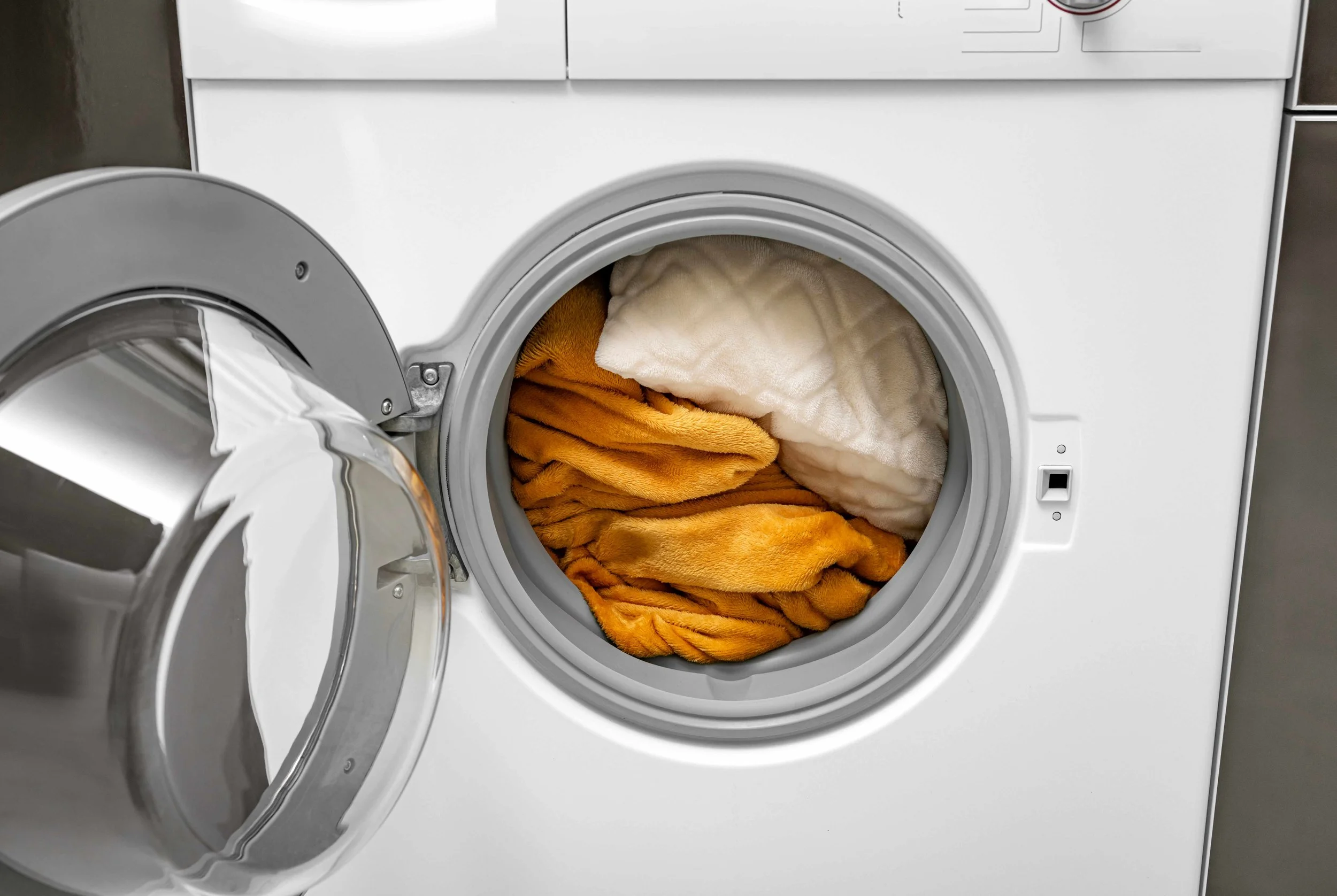
To keep your quilt covers looking their best, follow proper care instructions. Wash them regularly with mild detergent to preserve the fabric and colors. Avoid overloading the washing machine, as this can cause wrinkles and shorten the life of your bedding.
Delicate fabrics like silk or velvet may require hand washing or dry cleaning. Store seasonal quilt covers in a cool, dry place to protect them from damage. Caring for your quilt covers properly helps them stay stylish and functional for a long time.
Conclusion
Using trendy quilt covers is an easy way to update your bedroom and make it more inviting. Choosing the right colors, patterns, and fabrics lets you create a space that feels stylish and personal. Adding layers, coordinating accessories, and including personal touches ensures your bedroom looks polished and cozy. Proper care keeps your quilt covers in good condition, so your decor stays fresh and appealing. With these simple tips, you can turn your bedroom into a comfortable and trendy retreat.

