

A resource for those seeking information on organizing and transforming spaces.

Designing A Home That Grows With Your Family
A well-designed home should evolve alongside your family, adapting to changing needs and lifestyles. As families expand, children grow, or priorities shift, creating a space that remains functional and comfortable can save both time and money in the long run. Thoughtful planning and smart design choices ensure your home remains a sanctuary for years to come.
A well-designed home should evolve alongside your family, adapting to changing needs and lifestyles. As families expand, children grow, or priorities shift, creating a space that remains functional and comfortable can save both time and money in the long run. Thoughtful planning and smart design choices ensure your home remains a sanctuary for years to come.
Flexible Spaces for Every Stage
Incorporating flexible, multi-purpose spaces is key to future-proofing your home. Rooms that can serve as nurseries, playrooms, or home offices provide adaptability as your family’s needs change. Open floor plans allow for easy reconfiguration of furniture and usage, accommodating everything from family gatherings to quiet study areas.
Investing in modular furniture or built-in storage also maximizes space without sacrificing style. Convertible furniture, such as sofa beds or extendable dining tables, offers versatility while keeping rooms clutter-free.
Prioritizing Storage and Organization
Growing families accumulate belongings, making storage an essential component of home design. Built-in shelving, under-stair storage, and custom closets help keep your home organized while maximizing available space. Designing areas with ample storage ensures toys, school supplies, and seasonal items have designated spots, reducing household stress.
Mudrooms or entryway cubbies create organized drop zones for shoes, backpacks, and coats, preventing clutter from spreading into shared living areas.
Investing in Long-Term Upgrades
Strategic home renovations can significantly enhance both functionality and value. Projects like expanding kitchens, updating bathrooms, or finishing basements provide additional living space and cater to the evolving needs of a growing household. For instance, families considering home renovation in Salt Lake City often focus on creating open, airy layouts that foster togetherness while maintaining individual privacy.
Outdoor Spaces for Family Enjoyment
Outdoor areas are often overlooked but can greatly contribute to a family-friendly home. Creating patios, decks, or play areas extends living space beyond the walls of your house, providing places for relaxation and recreation. Incorporating gardens or shaded areas adds comfort and charm to outdoor environments.
A home that grows with your family is one that balances flexibility, practicality, and aesthetic appeal. Designing with the future in mind allows you to create a space that not only meets your family’s current needs but also adapts effortlessly to whatever lies ahead. With the right planning, your home can continue to be a place of comfort, connection, and cherished memories. For more information, check out the infographic below.


Living Alone: Key Apartment Factors To Consider For Comfort And Safety
Living alone offers a sense of freedom and independence, but it also comes with important decisions that can impact your comfort and security. Choosing the right apartment plays a significant role in shaping your living experience, and there are several factors to keep in mind before signing a lease.
Living alone offers a sense of freedom and independence, but it also comes with important decisions that can impact your comfort and security. Choosing the right apartment plays a significant role in shaping your living experience, and there are several factors to keep in mind before signing a lease.
Location and Accessibility
Where you choose to live can greatly influence your daily life. Proximity to work, grocery stores, and public transportation can make solo living more convenient. If you’re eyeing urban areas, consider how location affects cost. For instance, the average rent in downtown Chicago tends to reflect the demand for accessibility and amenities, often coming at a premium. Balancing location with affordability ensures you find an apartment that fits both your lifestyle and budget.
Safety and Security Features
Security is a top concern when living alone. Look for apartments with secure entry points, surveillance cameras, and well-lit parking areas. Features like deadbolts, peepholes, and intercom systems add another layer of protection. When touring a potential unit, pay attention to the neighborhood and ask about any safety measures in place to ensure peace of mind.
Size and Layout
Living alone means you can focus on creating a space that suits your needs. Studio and one-bedroom apartments are popular choices, offering manageable square footage without compromising comfort. Consider the layout—open floor plans can make smaller spaces feel more spacious, while defined rooms might provide a sense of separation between work and relaxation areas.
Utilities and Maintenance
Understanding what utilities are included in the rent can help manage monthly expenses. Apartments that cover water, gas, or internet can simplify budgeting. Additionally, check the landlord’s responsiveness to maintenance requests, as timely repairs are crucial when you’re the only one managing the space.
Community and Amenities
While living alone, having a sense of community can make a difference. Look for apartments that offer shared amenities such as lounges, fitness centers, or community events. These spaces provide opportunities to meet neighbors and create social connections, which can help reduce feelings of isolation.
Living alone can be an enriching experience when the right apartment is chosen. Focusing on safety, location, and amenities allows you to create a comfortable, secure environment that complements your lifestyle. Check out the infographic below to learn more.


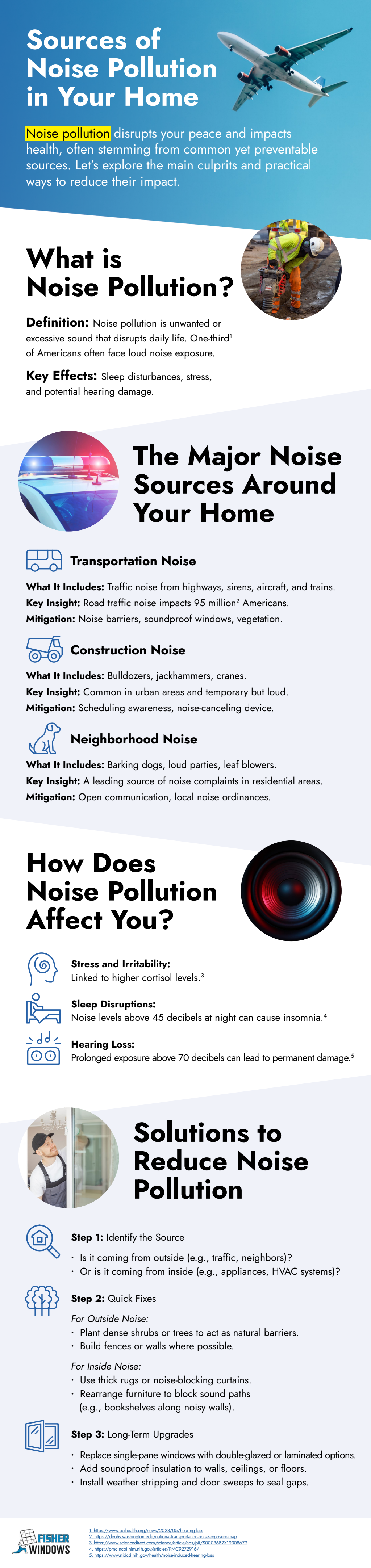
How To Reduce Outside Noise In Your Home For A Peaceful Environment
A quiet home offers a sanctuary from the hustle and bustle of daily life, but outside noise can often disturb that tranquility. Whether it's traffic, construction, or noisy neighbors, excessive sound can disrupt relaxation and even impact your well-being. Fortunately, there are several effective ways to reduce noise pollution and create a more peaceful living space.
A quiet home offers a sanctuary from the hustle and bustle of daily life, but outside noise can often disturb that tranquility. Whether it's traffic, construction, or noisy neighbors, excessive sound can disrupt relaxation and even impact your well-being. Fortunately, there are several effective ways to reduce noise pollution and create a more peaceful living space.
Install Heavy Curtains or Blinds
Thick, heavy curtains or soundproof blinds add an extra layer of defense against external noise. By absorbing sound waves, these window treatments help reduce the amount of noise that filters into your home. Opt for floor-length, dense fabrics to maximize their sound-dampening effect, especially in rooms facing busy streets or loud areas.
Upgrade to Noise-Reducing Windows
Windows are one of the most common entry points for outside noise. Upgrading to high-quality, noise-reducing models can make a significant difference. Options like Andersen 400 Series Woodwright windows provide excellent insulation, helping to block out unwanted sounds while enhancing the overall energy efficiency of your home. Their solid construction and advanced design make them an attractive and practical solution for noise control.
Use Weatherstripping and Seal Gaps
Small gaps around doors and windows allow noise to seep into your home. Sealing these gaps with weatherstripping or acoustic caulk can drastically minimize sound transmission. Focus on entry doors, window frames, and any other openings where sound may enter. This simple and affordable solution not only reduces noise but also improves your home's energy efficiency by preventing drafts.
Add Soft Furnishings and Rugs
Hard surfaces reflect sound, amplifying noise within your home. Incorporating soft furnishings like area rugs, upholstered furniture, and wall hangings can absorb sound and reduce echo. The more soft materials you introduce, the quieter your space will feel.
Create a Barrier with Landscaping
Outdoor landscaping can also help block noise from entering your home. Planting dense shrubs, hedges, or trees around the perimeter of your property creates a natural sound barrier. Installing fences or garden walls further enhances this effect, providing both privacy and peace.
Reducing outside noise takes a combination of structural upgrades and thoughtful interior design. By investing in quality windows, sealing gaps, and incorporating sound-absorbing materials, you can transform your home into a quieter, more comfortable space for you and your family. To learn more, check out the infographic below.

Beyond Filling Tires: Creative Uses for an Air Compressor
Air compressors are often thought of as a tool that is solely used for filling tires. However, these versatile machines have many other practical and creative uses that can make life easier in various situations. Whether you're a homeowner, DIY enthusiast, or professional contractor, an air compressor can be a valuable addition to your toolbox, no matter how big or small. In this article, we'll explore some unique and innovative ways to use an air compressor beyond just filling tires. Ready to make use of your tools? Let's get started!
Air compressors are often thought of as a tool that is solely used for filling tires. However, these versatile machines have many other practical and creative uses that can make life easier in various situations. Whether you're a homeowner, DIY enthusiast, or professional contractor, an air compressor can be a valuable addition to your toolbox, no matter how big or small. In this article, we'll explore some unique and innovative ways to use an air compressor beyond just filling tires. Ready to make use of your tools? Let's get started!
Inflating Sports Equipment
One of the most common alternative uses for an air compressor is inflating sports equipment such as footballs, basketballs, soccer balls, and more. With the right attachment, you can easily fill up any type of ball to the desired pressure. This can save you time and energy compared to manually pumping air into each ball. Plus, using an air compressor ensures a more consistent and accurate inflation, which is crucial for optimal performance in sports.
To determine if a ball is adequately filled, you can use the "thumb test." Simply press your thumb into the ball and see how much give it has. If it feels too soft or mushy, then it needs more air. If it feels hard or doesn't give at all, then it may be overinflated. With an air compressor, you can easily adjust the pressure until the ball reaches the desired level of firmness. This not only ensures that your sports equipment is ready for action but also helps to prolong its lifespan by preventing under or over-inflation.
Powering Pneumatic Tools
Another practical use for an air compressor is powering pneumatic tools. These tools, also known as air-powered or compressed-air tools, rely on compressed air to function. They are commonly used in construction, automotive repair, and other industries where heavy-duty tools are necessary. With the right-sized air compressor and proper attachments, you can power various types of pneumatic tools such as impact wrenches, nail guns, sanders, and more. This not only saves you from having to purchase individual power tools, but it also allows for more flexibility and convenience in your projects.
Removing Debris and Dust
An air compressor can also be a useful tool for cleaning up debris and dust. With the help of an air gun or blowgun attachment, you can easily remove debris from hard-to-reach areas such as corners, crevices, and tight spaces. This is especially handy for cleaning up sawdust after woodworking projects or blowing away leaves and grass clippings in your yard. Plus, using compressed air is a safer alternative to using a broom or other manual methods that may stir up allergens into the air.
If you're looking to find a good air compressor, there are several options available to you. One option is to visit your local hardware store or home improvement center, where you can physically see and test different models. This allows you to get a feel for the size, power, and features of various air compressors. Another option is to shop online from reputable retailers that specialize in tools and equipment; don't forget to ask as many questions as you can to learn more. Here, you can often find a wider selection at competitive prices and read reviews from other customers.
Painting
Painting can be a messy and time-consuming task, but an air compressor can make the process much more efficient and precise. With a paint sprayer attachment, you can evenly apply paint to surfaces in less time compared to using traditional brushes or rollers. This is great for larger painting projects such as painting a fence or an entire room. Plus, since compressed air helps to atomize the paint particles, the finish is smoother and more professional-looking.
When looking for a good paint sprayer, you can often find them at the same places where you would purchase an air compressor—hardware stores, home improvement centers, or online retailers. When choosing a paint sprayer, make sure to consider factors such as the type of paint it can handle (latex or oil-based), nozzle size options for different types of projects, and adjustable pressure settings.
Winterizing Equipment
If you live in an area with harsh winters, you know how important it is to properly winterize your equipment before storing it away for the season. An air compressor can help with this task by quickly and effectively blowing out any remaining water in pipes, hoses, and other equipment. This prevents freezing and potential damage to your tools or machines. Plus, using an air compressor saves you from having to manually drain water or use expensive antifreeze products.
Knowing when to winterize your equipment is vital for maintaining its functionality and longevity. As a general rule, you should begin the winterization process before the first freeze or when temperatures consistently drop below freezing. This will ensure that all water is removed from your equipment before it has a chance to freeze and cause damage. Don't forget to regularly check and maintain your tools throughout the season to prevent any potential issues.
Whether you're tackling a DIY project or just need to re-inflate that basketball for a pickup game, there are so many practical and creative uses for an air compressor beyond just filling tires. With the right attachments and techniques, you can save time, energy, and money while getting professional results in your various tasks. So next time you think of your trusty air compressor as just a tire filler, remember these alternative uses and put it to work in new ways! Your toolbox will thank you!

