

A resource for those seeking information on organizing and transforming spaces.

The Ultimate Guide to Organizing Your Kitchen for Maximum Efficiency
A well-organized kitchen is one of the most important aspects of a functional home. Not only does it make meal preparation quicker and more enjoyable, but it also helps create a stress-free environment while reducing waste. Whether you are a busy parent or a home chef, achieving maximum efficiency in your kitchen starts with small changes to enhance organization and functionality.
We partnered with a home improvement company for this post. The opinions in the post are honest. All reviews and opinions expressed in this post are based on our personal views. We are excited because we know you will love it.
A well-organized kitchen is one of the most important aspects of a functional home. Not only does it make meal preparation quicker and more enjoyable, but it also helps create a stress-free environment while reducing waste. Whether you are a busy parent or a home chef, achieving maximum efficiency in your kitchen starts with small changes to enhance organization and functionality.
Let’s look at some ways to organize your kitchen for maximum efficiency:
Start with Decluttering
The first step to an efficient kitchen is removing items that you don’t use or need. Declutter your countertops, cabinets, and drawers to make space for essential items. Donate or recycle any duplicates, expired products, and unused cookware. Decluttering not only provides extra space but also makes it easier to find what you need while cooking.
Organize by Zones
Divide your kitchen into functional zones based on activities such as cooking, prepping, baking, and cleaning. This zoning system will help you keep everything in its rightful place within arm's reach. For example, in the prep zone, keep knives, cutting boards, and mixing bowls; in the cooking zone, have pots, pans, and cooking utensils near the stove; and in the cleaning zone, store sponges, dish soap, and towels. As a result, you'll have a more intuitive and efficient workspace.
Maximize Storage Space
Smart storage solutions are key to maintaining a well-organized kitchen. Use shelf risers, cabinet organizers, and drawer dividers to make the most of your storage areas. It's also a good idea to install hooks or magnetic strips for utensils and knives and use clear bins or labels for pantry items so you can quickly identify the ingredients you need.
Keep Your Refrigerator in Top Shape
An organized and well-functioning refrigerator is an important part of a productive kitchen. It ensures that your fresh ingredients stay fresh and reduces the stress of dealing with rotten food or unexpected repairs. Regularly clean and organize your fridge, remove any expired items, and group similar foods together. Adjust the shelves to fit your items properly, like bottles and meal prep containers. Make sure your fridge operates efficiently by maintaining the right temperature. If your fridge doesn’t get cold or is making strange noises, troubleshoot common issues to keep it in optimal condition.
Create a Maintenance System
Consistency is key to maintaining an organized kitchen. Spend a few minutes each day cleaning countertops, putting away unused items, and checking the fridge for leftovers or items that are about to expire. It doesn’t take long and can easily involve all household members. You could choose to rotate this task around all the people living in the household. A great way to make sure that your kitchen is kept clean is to share the responsibility.
Conclusion
Organizing your kitchen for maximum efficiency doesn’t have to be a challenging or overwhelming task. By decluttering, sectioning your kitchen, and maximizing storage space, you can create a functional and enjoyable space. Take the steps today by addressing simple issues, like appliance problems, that may be holding you back from having an optimal kitchen.

7 Signs Your AC Needs Repair
When summer temperatures start climbing, your air conditioner becomes a lifeline. A properly functioning AC not only keeps your home cool but also maintains air quality and energy efficiency. However, air conditioners can develop small issues over time that, if ignored, turn into costly problems or even total breakdowns. Below are some identifiers of the early warning signs that your AC needs repair, allowing you to take swift action and prevent more serious problems down the line.
When summer temperatures start climbing, your air conditioner becomes a lifeline. A properly functioning AC not only keeps your home cool but also maintains air quality and energy efficiency. However, air conditioners can develop small issues over time that, if ignored, turn into costly problems or even total breakdowns. Below are some identifiers of the early warning signs that your AC needs repair, allowing you to take swift action and prevent more serious problems down the line.
Insufficient Cooling
If your air conditioner is struggling to cool your home or is blowing warm air, it’s a clear sign that something may be wrong. Uneven room temperatures or the inability to reach the set thermostat level often point to issues like low refrigerant levels or a failing compressor. Ignoring insufficient cooling can put extra strain on your system, leading to costly repairs or even early replacement. To protect your AC and avoid unnecessary expenses, address this problem promptly. Before calling a technician, check your thermostat settings to ensure the issue isn’t due to user error. Taking quick action can help extend your system’s lifespan and maintain optimal comfort in your home.
Strange Noises
Strange noises coming from your air conditioner should never be ignored, as they often signal mechanical problems that require immediate attention. Grinding sounds may indicate worn-out bearings, while rattling could suggest loose components, and high-pitched squealing is often linked to motor or belt issues. These noises not only disrupt the comfort of your home but can also lead to more significant damage if left unaddressed. To protect your system, turn off your AC as soon as you notice any unusual sounds and call a professional technician to diagnose and fix the problem promptly. Taking swift action ensures your AC remains efficient and avoids costly repairs down the line.
Weak Airflow
Weak airflow from your AC vents can indicate underlying problems that need attention. A common cause is a clogged air filter, which restricts air circulation and hinders your system’s performance. However, it could also point to more serious issues, such as a failing blower motor or problems within the ductwork. While replacing a clogged air filter is a simple fix you can handle yourself, persistent airflow issues should be evaluated by a professional technician, such as someone from Texas Comfort Systems, to identify and resolve the root cause effectively. To keep your system running smoothly, make it a habit to replace your air filter every 1–3 months for optimal performance.
Frequent Cycling
Frequent cycling, or short cycling, occurs when your AC repeatedly turns on and off in quick bursts, putting unnecessary strain on the system and significantly reducing its lifespan. Common causes include a faulty thermostat, dirty filters, or an undersized unit that struggles to cool your home efficiently. This constant cycling forces the system to work harder, leading to energy loss and higher utility bills if not addressed. To prevent this, make sure your thermostat is clean and installed away from direct sunlight, as excessive heat exposure can cause inaccurate readings that disrupt your AC’s performance. Prompt action can help maintain efficiency and prevent further damage to your system.
Unpleasant Odors
Unpleasant odors coming from your AC are often a warning sign that something is wrong and should not be ignored. A musty or moldy smell could indicate mold growth within the ducts or system, while a burning odor may point to overheating electrical components that require immediate attention. These smells can compromise indoor air quality, potentially leading to health risks for your household. If you detect a burning smell, it’s crucial to shut off your AC right away and contact a professional to prevent safety hazards. Acting quickly ensures the issue is addressed before it causes further damage or discomfort.
Rising Energy Bills
Rising energy bills can be a strong indicator that your AC is struggling to work efficiently, often having to overcompensate to maintain your desired indoor temperature. Issues like a failing compressor, dirty coils, or clogged filters are common culprits that force your system to consume more energy than necessary. Comparing your current energy bills with those from previous months or the same period last year can help identify unexplained increases and signal the need for an inspection. To keep your AC running smoothly and reduce energy costs, scheduling regular maintenance is a smart preventative step that ensures your system stays clean and efficient.
Leaks or Moisture Around the Unit
Leaks or moisture around your AC unit should never be ignored, as they can signal significant issues like a blocked drain line or a refrigerant leak. Refrigerant leaks, in particular, are a major concern, as they not only reduce your system's efficiency but can also pose serious health risks if left unaddressed. Prompt attention to moisture can prevent water damage to your home and help resolve any underlying mechanical problems before they escalate. It’s important to avoid handling refrigerant leaks on your own, instead always consult a certified HVAC professional to ensure safe, effective repairs while staying compliant with regulations.
Your air conditioner is a critical part of maintaining comfort in your home, especially during the heat of summer. Addressing small issues as soon as they arise can save you money, prevent system failure, and keep your home running smoothly year-round. If you’ve noticed any of these signs, it’s time to act.
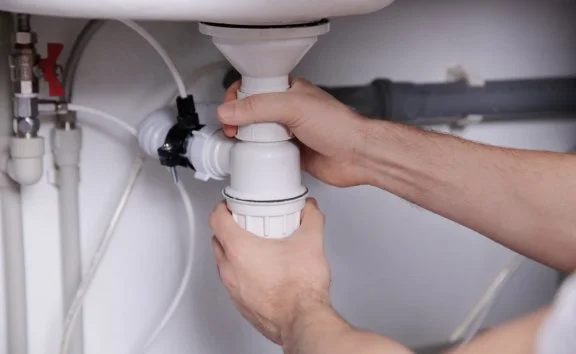
Call a Pro for These 5 Plumbing Fixes
Taking on home repair projects yourself can be a great way to save money while enjoying the satisfaction of improving your space. With the abundance of DIY tutorials online, it can feel tempting to tackle even challenging repairs on your own. However, there are certain cases where it's best to leave the tools to the professionals, and plumbing is a prime example. While some minor fixes may be manageable, attempting complex replacements without the right expertise can lead to significant damage, create safety hazards, and result in costly repairs down the line. When it comes to the following plumbing tasks, calling an expert is the safest, most efficient solution to protect your home and family.
Taking on home repair projects yourself can be a great way to save money while enjoying the satisfaction of improving your space. With the abundance of DIY tutorials online, it can feel tempting to tackle even challenging repairs on your own. However, there are certain cases where it's best to leave the tools to the professionals, and plumbing is a prime example. While some minor fixes may be manageable, attempting complex replacements without the right expertise can lead to significant damage, create safety hazards, and result in costly repairs down the line. When it comes to the following plumbing tasks, calling an expert is the safest, most efficient solution to protect your home and family.
Water Heater Replacement
At a glance, replacing a water heater can look like a manageable task, but this is one job that can quickly spiral into dangerous territory if mishandled. Improper installation can result in serious problems, such as water leaks, electrical failures, or even carbon monoxide poisoning—hazards that could jeopardize both your home and your loved ones. Water heaters involve a mix of gas, electricity, and pressurized systems, which makes careful installation critical.
Licensed plumbers, such as those at Quality Plumbing, ensure that all connections, whether gas or electric, meet local building codes and are installed with complete safety in mind. They also obtain the necessary permits and test the system after installation to confirm everything is working correctly. This isn’t just about efficiency; it’s about providing you with the peace of mind that your water heater is running smoothly and safely, with no hidden risks of future breakdowns or hazards.
Pipe Replacement
Replacing pipes sounds simple on the surface—cut out the damaged pipe and replace it with a new one. But in reality, this task requires detailed planning, precise calculations, and advanced technical skills. It involves selecting the correct materials based on water pressure, temperature, and compatibility, not to mention techniques like soldering, threading, or properly sealing the connections. For DIY enthusiasts lacking this experience, mistakes can easily lead to ongoing leaks, weakened connections, or even burst pipes, all of which can result in expensive water damage and repeated repairs.
Professional plumbers don’t just quickly swap out pipes—they investigate the root causes of the issue, whether it’s corrosion, freezing, shifting foundations, or natural wear. By accurately diagnosing the problem and applying the right solutions, they ensure that the fix is durable and prevents further inconveniences. Hiring a pro not only saves you money over time but also spares you the frustration of recurring plumbing problems.
Sewer Line Replacement
Few plumbing issues are as daunting or complex as replacing a sewer line. This job doesn’t just involve removing old pipes, it often requires specialized machinery like trenchers, pipe-bursting systems, and video inspection cameras. Mistakes here can have serious consequences, including contamination of your water supply, damage to surrounding property, or even environmental hazards.
A licensed plumber is trained to handle a sewer repair job with precision and care. Whether they’re navigating excavation work or safely disposing of old pipes, they adhere to strict regulations to avoid fines or structural damage. Plumbing professionals also have the tools needed to minimize disruption to your yard and ensure the new sewer line functions flawlessly for years to come. Taking this on yourself without access to the right equipment and expertise simply isn’t worth the risk.
Toilet Replacement
Swapping out a toilet might seem like one of the more straightforward plumbing projects, but even here, poor installation can lead to significant headaches. A poorly installed toilet can cause water leaks around the base, rocking or unstable fixtures, and hidden water damage to floors and subfloors—issues that are not only frustrating but expensive to repair.
A professional plumber ensures that the toilet is properly aligned with the drain, securely anchored to prevent movement, and sealed with a quality wax ring to avoid leaks. They will also test plumbing connections to ensure everything flows as it should. While replacing a toilet might seem like a simple DIY task, even small mistakes in alignment or sealing can lead to wasted water and unnecessary repair bills. Trusting a licensed plumber ensures the job is done right the first time.
Gas Line Replacement
Among all plumbing-related tasks, gas line work is perhaps the riskiest as they’re a serious safety concern due to the flammable and volatile nature of the material. Replacing or repairing gas lines without proper tools and expertise can lead to leaks, explosions, or even carbon monoxide poisoning. Mishaps here can have dire consequences not just for your home, but for your neighbors as well.
Licensed plumbers are specially trained to handle gas line repairs and installations with the highest safety precautions. They use advanced tools and follow stringent protocols to ensure every connection is secure and compliant with regulations. Whether updating aging gas lines or installing new ones, professionals provide the reassurance that your system is both safe and efficient while keeping your home in line with local codes.
Hiring a trusted plumber goes far beyond simply fixing the immediate issue, it provides peace of mind that the work is done safely, professionally, and designed to last. Plumbing repairs often involve complex systems, where even a small mistake can lead to costly damages, recurring problems, or safety hazards like leaks and property damage. Attempting these tasks on your own, without the right knowledge or tools, puts both your home and your well-being at risk. By choosing a skilled plumber, you avoid the stress of trial-and-error fixes, costly future repairs, and potential safety issues.

Designing A Home That Grows With Your Family
A well-designed home should evolve alongside your family, adapting to changing needs and lifestyles. As families expand, children grow, or priorities shift, creating a space that remains functional and comfortable can save both time and money in the long run. Thoughtful planning and smart design choices ensure your home remains a sanctuary for years to come.
A well-designed home should evolve alongside your family, adapting to changing needs and lifestyles. As families expand, children grow, or priorities shift, creating a space that remains functional and comfortable can save both time and money in the long run. Thoughtful planning and smart design choices ensure your home remains a sanctuary for years to come.
Flexible Spaces for Every Stage
Incorporating flexible, multi-purpose spaces is key to future-proofing your home. Rooms that can serve as nurseries, playrooms, or home offices provide adaptability as your family’s needs change. Open floor plans allow for easy reconfiguration of furniture and usage, accommodating everything from family gatherings to quiet study areas.
Investing in modular furniture or built-in storage also maximizes space without sacrificing style. Convertible furniture, such as sofa beds or extendable dining tables, offers versatility while keeping rooms clutter-free.
Prioritizing Storage and Organization
Growing families accumulate belongings, making storage an essential component of home design. Built-in shelving, under-stair storage, and custom closets help keep your home organized while maximizing available space. Designing areas with ample storage ensures toys, school supplies, and seasonal items have designated spots, reducing household stress.
Mudrooms or entryway cubbies create organized drop zones for shoes, backpacks, and coats, preventing clutter from spreading into shared living areas.
Investing in Long-Term Upgrades
Strategic home renovations can significantly enhance both functionality and value. Projects like expanding kitchens, updating bathrooms, or finishing basements provide additional living space and cater to the evolving needs of a growing household. For instance, families considering home renovation in Salt Lake City often focus on creating open, airy layouts that foster togetherness while maintaining individual privacy.
Outdoor Spaces for Family Enjoyment
Outdoor areas are often overlooked but can greatly contribute to a family-friendly home. Creating patios, decks, or play areas extends living space beyond the walls of your house, providing places for relaxation and recreation. Incorporating gardens or shaded areas adds comfort and charm to outdoor environments.
A home that grows with your family is one that balances flexibility, practicality, and aesthetic appeal. Designing with the future in mind allows you to create a space that not only meets your family’s current needs but also adapts effortlessly to whatever lies ahead. With the right planning, your home can continue to be a place of comfort, connection, and cherished memories. For more information, check out the infographic below.


