

A resource for those seeking information on organizing and transforming spaces.

Trendsetting Retaining Walls in the Landscape of Modern Home Design
Have you ever glanced around your home and found yourself longing for an innovative aesthetic upgrade? Or maybe you're considering an architectural project that requires both functionality and visual appeal? Retaining walls, traditionally viewed as merely structural and protective elements, can be a surprising contender for such a project. In this blog, we'll delve deep into the transformative magic of retaining walls - shifting the perspective from mere functionality to a beacon of modern design.
Have you ever glanced around your home and found yourself longing for an innovative aesthetic upgrade? Or maybe you're considering an architectural project that requires both functionality and visual appeal? Retaining walls, traditionally viewed as merely structural and protective elements, can be a surprising contender for such a project. In this blog, we'll delve deep into the transformative magic of retaining walls - shifting the perspective from mere functionality to a beacon of modern design.
While most of us know retaining walls for their practical use of holding back soil to prevent landslide, erosion, or simply to create a demographic barrier, they have quickly become featured players in the home improvement arena. With an array of materials at your disposal - from natural stone to concrete to timber - an innovative retaining wall design can present an unanticipated focal point for your home exterior, providing both functional value and aesthetic influence.
To delve deeper, we'll explore the innovative designs and aesthetics of retaining walls in modern homes. We'll untangle the web of choices, installation options, and maintenance aspects, helping you scale the heights of thoughtful, organized, and contemporary home design.
Retaining Wall Styles for the Modern Aesthetic
Integrating a retaining wall into your home design journey is like welcoming an architectural chameleon. It can adopt multiple skins, textures, and hues - becoming anything from a timeless asset to a modern marvel.
Concrete retaining walls, with their durability and sheer flexibility, are able to adopt any shape and design — it's a canvas for your home improvement visions. For a fully contemporary twist, consider a cantilevered design, embodying some mid-century charm.
Similarly, consider natural stone when opting for retaining walls. From stacked stone to veneer stone, the selection promises both rustic allure and modern magnetism. Interlocking block walls offer yet another plethora of design possibilities - allowing a range of customizations to suit your exact home style.
Optimizing Functionality with Design
The notion of retaining walls as mostly functional features in a home has been largely debunked in the modern design landscape. Today’s retaining walls go beyond being just practical - they emerge as defining elements of our homes.
For spaces with a significant slope, walls can be sculpted to create terraces for added green space or outdoor seating areas. A well-constructed wall could set the stage for cosy alfresco gatherings. In contemporary designs, they often feature in-built seating, flower boxes and grill areas, transforming a simple boundary into a lifestyle statement.
Border walls, meanwhile, can define property edges while levelling out the terrain—creating landscaped gardens that bear no sign of a once uneven yard. You're not just confining soil anymore; you're creating a multi-function marquee for your garden landscape.
The Practical Aesthetics of Maintenance
The allure of your retaining walls, apart from their aesthetics and functional capabilities, lies in their maintenance quotient. It's a fact worth embracing - the material you choose for your retaining wall will significantly dictate the maintenance it requires.
Natural stone retaining walls, while creating an evergreen appeal, demand a more meticulous maintenance routine to ensure their longevity. Conversely, options like interlocking block walls present a lower maintenance feature with a modern character—the bricks are effortlessly replaceable in case of damage.
Weighing the Pros and Cons: Making an Informed Decision
Evaluating the pros and cons of a retaining wall is an oft overlooked but crucial aspect of the selection journey. While the aesthetic advantage of a well-designed wall is apparent, we must delve into other factors with equivalent gravity.
A well-engineered retaining wall provides structural security to your home, preventing soil erosion and maintaining landscape integrity. From an aesthetic standpoint, they offer an opportunity for innovative design, enhancing the value of your property.
However, considerations such as cost, material availability, and maintenance burden can heavily influence the final choice. Furthermore, retaining wall constructions often require permits and can involve complexities that necessitate professional help. Therefore, a retaining wall decision is a careful juggle between form, function and practicality considerations.
A Panorama of Possibility
Embarking on the design journey of your retaining wall presents an array of choices — from materials and design aspects to functionality and maintenance ones. The endless possibilities invite an opportunity for in-depth exploration.
Whether you prefer the rustic charm of natural stone or the modern sleekness of concrete, the choice of your retaining wall can be an architectural statement, a garden delight, and an emblem of your design persona. Retaining walls have evolved into much more than just structural elements - they are vital components of our design ecosystem.
Conclusion: Design Beyond the Wall
To sum up, a retaining wall isn't limited to being a mere structural requisite in a modern home. It presents an opportunity for innovative design, functional utility, and landscape transformation that can enhance the aesthetic appeal of your home.
The journey of designing your retaining wall begins with understanding your needs and home’s style, and then taking a balanced approach, considering the pros and cons of each factor-- from functionality and maintenance to the aesthetics and cost. With a well-considered plan, your retaining wall can become a testament to a modern design ethos, interpreting it as more of a feature than a necessity.
Embrace the concept of retaining walls as an ingenious design element. It's an unexpected canvas at your disposal, one that can significantly elevate your home's aesthetic and create an inviting, dreamy outdoor space. Unleash your creativity and let the retaining wall be a masterpiece in your modern home story.

Can Simple Repairs Make Your Home More Energy Efficient?
Reducing energy waste at home is not just about saving on utility bills—it’s about creating a more comfortable, eco-friendly living space while contributing to long-term sustainability. Rising energy costs and growing environmental concerns have made it increasingly important for homeowners to find practical ways to improve energy efficiency. Simple, targeted repairs can make a significant difference, helping to lower expenses and minimize environmental impact without the need for costly renovations. This guide highlights eight straightforward and effective repairs that can enhance a home's energy performance, offering both immediate and long-term benefits.

Reducing energy waste at home is not just about saving on utility bills—it’s about creating a more comfortable, eco-friendly living space while contributing to long-term sustainability. Rising energy costs and growing environmental concerns have made it increasingly important for homeowners to find practical ways to improve energy efficiency. Simple, targeted repairs can make a significant difference, helping to lower expenses and minimize environmental impact without the need for costly renovations. This guide highlights eight straightforward and effective repairs that can enhance a home's energy performance, offering both immediate and long-term benefits.
HVAC System Repair
An inefficient HVAC system is one of the most significant culprits behind high energy bills. Common issues such as dirty filters, poorly maintained ducts, or faulty components can lead to excessive energy consumption. Addressing these problems through regular maintenance and repairs ensures that the system operates efficiently, preventing wasted energy. For example, sealing leaks in ductwork can improve airflow and reduce energy loss.
Air conditioner repairs play a specific role in energy-saving efforts. Wear and tear, refrigerant leaks, or malfunctioning parts often cause AC units to work harder than necessary. Consulting an AC repair specialist such as Carl's Air Conditioning is crucial to determine which areas need attention. Items like cleaning the coils, checking the thermostat calibration, or inspecting for leaks can make a significant difference in performance and energy use.
Window Sealing
Drafty windows are among the most common sources of energy loss in homes. Cracks or gaps around windows allow air to escape, making heating or cooling systems work harder. Sealing these imperfections with caulk or weatherstripping creates a tighter barrier and improves indoor temperature regulation.
Regular inspections can identify areas where air leaks might occur, and simple fixes can often resolve these problems. For older windows that may lack proper insulation, adding a transparent film or considering double-pane glazing can also help improve energy efficiency without the need for replacement.
Insulation Upgrades
Insufficient or damaged insulation leads to heat escaping in the winter and infiltrating in the summer. Repairing or upgrading insulation in key areas such as attics, walls, and crawl spaces keeps energy levels in balance and stabilizes interior temperatures. Adding fiberglass batts or spray foam to uninsulated spaces can make a noticeable difference.
Small fixes are often enough to restore insulation's effectiveness. Checking for compression, moisture damage, or gaps, and addressing these issues promptly, eliminates unnecessary energy waste. It’s an often-overlooked repair that can have long-term benefits for energy savings.
Roof Maintenance
A well-maintained roof protects the home from weather elements while contributing to energy efficiency. Damaged shingles, leaks, or insufficient ventilation disrupt both roof integrity and energy management. These problems allow unwanted air to enter or escape, driving up heating and cooling demands.
Regular roof inspections and small repairs go a long way in preserving energy efficiency. Fixing leaks, replacing damaged flashing, or ensuring proper insulation under the roof helps maintain a stable indoor environment without undue energy loss. Proper attention to these areas strengthens the home's overall energy barrier.
Plumbing Fixes
Leaks in plumbing systems not only waste water but can also make hot water systems less efficient. Small drips or faulty fixtures force water heaters to work harder, consuming more energy than necessary. Fixing these issues promptly ensures that energy is used effectively to heat water.
Another common problem is poorly insulated pipes, particularly in colder climates. Adding insulation to hot water pipes minimizes heat loss during water transfer, making the system more efficient while reducing energy demand. These simple fixes enhance both plumbing performance and energy savings.
Lighting Updates
Inefficient lighting fixtures make a home’s energy costs unnecessarily high. Older incandescent bulbs, for instance, consume significantly more power compared to modern alternatives. Replacing these bulbs with energy-efficient LEDs or compact fluorescent lights (CFLs) lowers electricity usage immediately.
Consider repairing or upgrading outdated light fixtures as well. Faulty wiring or dim switches can limit efficiency and safety. Addressing these issues ensures optimal energy performance while maintaining proper illumination throughout the home.
Garage Door Repair
A poorly functioning garage door can compromise your home’s energy efficiency. Gaps in garage doors allow drafts, reducing indoor temperature control and increasing heating and cooling costs. Repairing these gaps with proper weatherstripping or alignment of the door ensures better insulation and limits energy waste.
Garage door mechanics that are not working smoothly can also lead to energy loss by preventing proper sealing. Consulting a garage door repair specialist like Edgemont Garage Door Service can help identify misaligned tracks, faulty sensors, or warped panels that detract from efficiency. Ensuring the garage door operates as it should is a small but impactful way to save energy.
Appliance Maintenance
Worn or damaged appliances are some of the biggest contributors to excessive energy consumption. For example, refrigerators with damaged door seals or dryers with clogged vents require more energy to function properly. Repairing these components ensures that appliances run at peak performance levels.
Another concern is outdated appliances that no longer meet modern energy efficiency standards. While repairs can extend their lifespan, it’s also worth considering tune-ups or minor upgrades to improve efficiency. Paying attention to appliance maintenance not only extends their usability but also reduces overall energy waste.
Conclusion
By addressing common energy inefficiencies in the home, such as HVAC system issues, poor insulation, drafty windows, and outdated or poorly maintained appliances, homeowners can achieve significant energy savings and lower utility bills. Simple yet effective solutions, like sealing leaks, scheduling system repairs, and upgrading to energy-efficient components, can maximize a home’s performance while reducing unnecessary energy waste. These practical measures not only enhance comfort and sustainability but also deliver measurable financial benefits, making them a worthwhile investment for long-term value.
5 Key Benefits of AC Tune-Ups for Homeowners
Your home’s air conditioning system works tirelessly to ensure comfort during hot summers, making it an essential part of any well-functioning home. However, many new homeowners often overlook the importance of regularly scheduled tune-ups for their AC systems. Just like cars require routine maintenance to run smoothly, your air conditioning system needs regular attention to operate efficiently.
Your home’s air conditioning system works tirelessly to ensure comfort during hot summers, making it an essential part of any well-functioning home. However, many new homeowners often overlook the importance of regularly scheduled tune-ups for their AC systems. Just like cars require routine maintenance to run smoothly, your air conditioning system needs regular attention to operate efficiently.
This post will explore the top five advantages of scheduling an AC tune-up, revealing how it can save you money, improve air quality, and prolong the life of your system.
Boosting Energy Efficiency
One of the most significant advantages of regular AC tune-ups is the boost in energy efficiency. Over time, dust and grime can accumulate in your system, forcing it to work harder to cool your home. This extra strain not only increases your energy bills but also diminishes the overall performance of your unit.
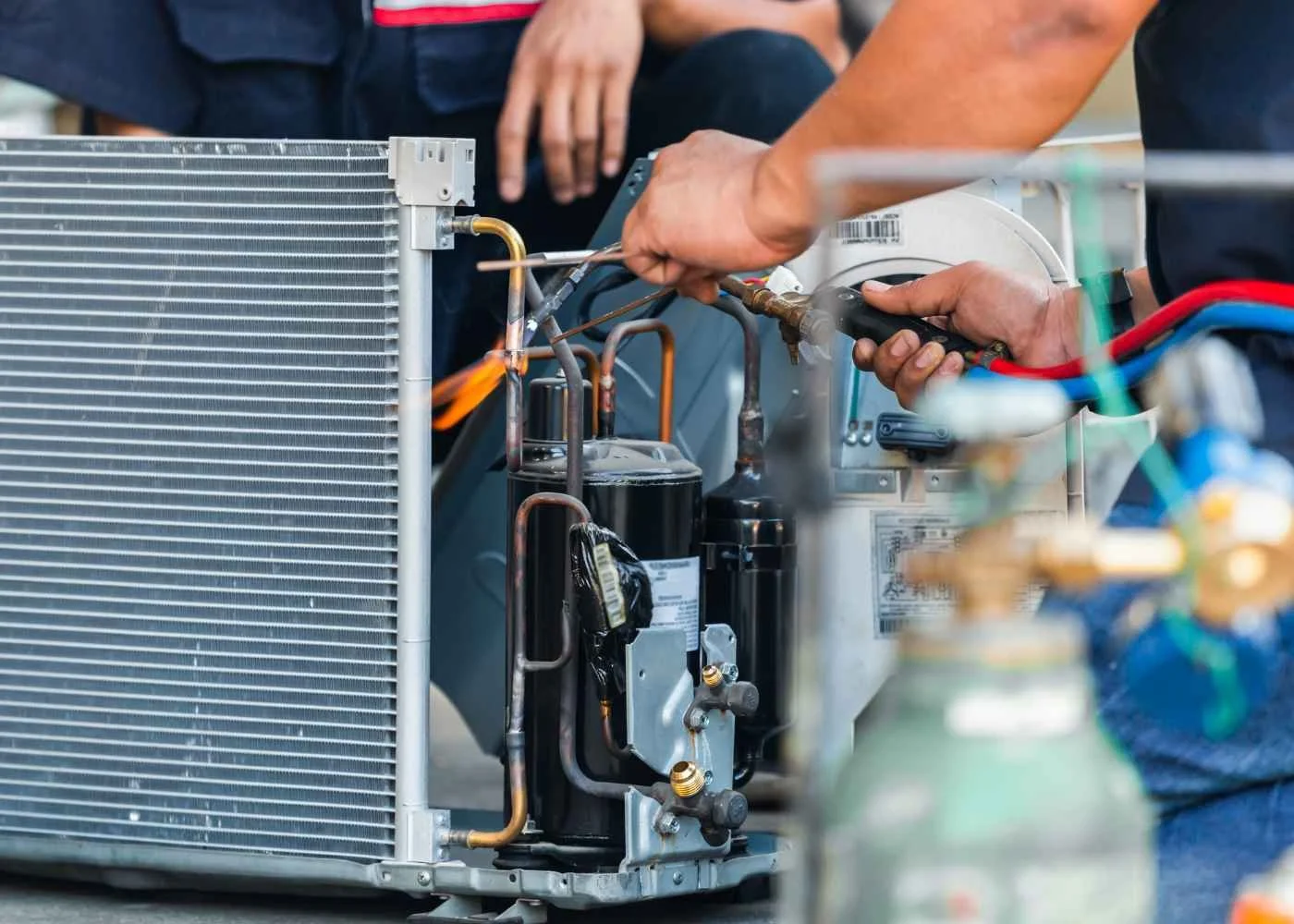
During a tune-up, technicians clean the condenser coils, lubricate moving parts, and optimize system functions, ensuring your AC works as efficiently as possible. A more efficient system translates to lower utility bills and a reduced carbon footprint, both of which are major wins for homeowners.
Preventing Costly Breakdowns
Imagine the frustration of your air conditioner failing on the hottest day of the year. Regular maintenance significantly reduces the likelihood of unexpected breakdowns by addressing potential issues before they escalate.
During a tune-up, technicians inspect critical components like capacitors, belts, and fans, identifying areas of wear and tear. Addressing these minor problems early can help you avoid more substantial, costly repairs down the line.
Investing in routine tune-ups is a proactive approach that saves money in the long run while offering peace of mind knowing your AC system is in excellent condition.
Prolonging System Lifespan
Air conditioning systems are a significant investment, and safeguarding that investment should be a priority for any homeowner. Routine tune-ups can extend the lifespan of your AC unit by reducing wear and tear on vital components.
When your system operates efficiently, it experiences less strain during daily use. This optimized performance minimizes the chance of severe mechanical failures and ensures you get the most out of your system for years to come. By prioritizing tune-ups, new homeowners can delay the need for a costly replacement.
Improving Indoor Air Quality
Air conditioning systems do more than regulate temperature—they also play a critical role in maintaining indoor air quality. Over time, dust, pollen, and other allergens can accumulate within your system, circulating through your home if not addressed.
During a tune-up, technicians replace air filters, clean internal components, and check for mold or mildew growth that could affect air quality. Cleaner air contributes to a healthier living environment, which is particularly important for households with children, pets, or respiratory sensitivities.
By improving air quality, regular tune-ups enhance both comfort and health, making your home an even more inviting space.
Ensuring Compliance with Warranty Requirements
Many AC manufacturers require proof of regular maintenance to uphold warranty agreements. Neglecting recommended tune-ups can void your warranty, leaving you responsible for repair costs should something go wrong.
Scheduling routine maintenance ensures compliance with manufacturer requirements and keeps your warranty intact. For new homeowners, understanding and adhering to these terms is vital to protecting your investment.
Final Thoughts
Regular air conditioning tune-ups are more than just a maintenance task—they’re an opportunity to protect your investment, lower your energy bills, and enhance the comfort of your home. By taking a proactive approach to AC care, you can enjoy peace of mind while ensuring your system operates at its best.
If it’s been a while since your last AC tune-up, consider scheduling one with trusted professionals from reputable companies like Trane South today. Your system—and your wallet—will thank you!

The Ultimate Guide to Organizing Your Kitchen for Maximum Efficiency
A well-organized kitchen is one of the most important aspects of a functional home. Not only does it make meal preparation quicker and more enjoyable, but it also helps create a stress-free environment while reducing waste. Whether you are a busy parent or a home chef, achieving maximum efficiency in your kitchen starts with small changes to enhance organization and functionality.
We partnered with a home improvement company for this post. The opinions in the post are honest. All reviews and opinions expressed in this post are based on our personal views. We are excited because we know you will love it.
A well-organized kitchen is one of the most important aspects of a functional home. Not only does it make meal preparation quicker and more enjoyable, but it also helps create a stress-free environment while reducing waste. Whether you are a busy parent or a home chef, achieving maximum efficiency in your kitchen starts with small changes to enhance organization and functionality.
Let’s look at some ways to organize your kitchen for maximum efficiency:
Start with Decluttering
The first step to an efficient kitchen is removing items that you don’t use or need. Declutter your countertops, cabinets, and drawers to make space for essential items. Donate or recycle any duplicates, expired products, and unused cookware. Decluttering not only provides extra space but also makes it easier to find what you need while cooking.
Organize by Zones
Divide your kitchen into functional zones based on activities such as cooking, prepping, baking, and cleaning. This zoning system will help you keep everything in its rightful place within arm's reach. For example, in the prep zone, keep knives, cutting boards, and mixing bowls; in the cooking zone, have pots, pans, and cooking utensils near the stove; and in the cleaning zone, store sponges, dish soap, and towels. As a result, you'll have a more intuitive and efficient workspace.
Maximize Storage Space
Smart storage solutions are key to maintaining a well-organized kitchen. Use shelf risers, cabinet organizers, and drawer dividers to make the most of your storage areas. It's also a good idea to install hooks or magnetic strips for utensils and knives and use clear bins or labels for pantry items so you can quickly identify the ingredients you need.
Keep Your Refrigerator in Top Shape
An organized and well-functioning refrigerator is an important part of a productive kitchen. It ensures that your fresh ingredients stay fresh and reduces the stress of dealing with rotten food or unexpected repairs. Regularly clean and organize your fridge, remove any expired items, and group similar foods together. Adjust the shelves to fit your items properly, like bottles and meal prep containers. Make sure your fridge operates efficiently by maintaining the right temperature. If your fridge doesn’t get cold or is making strange noises, troubleshoot common issues to keep it in optimal condition.
Create a Maintenance System
Consistency is key to maintaining an organized kitchen. Spend a few minutes each day cleaning countertops, putting away unused items, and checking the fridge for leftovers or items that are about to expire. It doesn’t take long and can easily involve all household members. You could choose to rotate this task around all the people living in the household. A great way to make sure that your kitchen is kept clean is to share the responsibility.
Conclusion
Organizing your kitchen for maximum efficiency doesn’t have to be a challenging or overwhelming task. By decluttering, sectioning your kitchen, and maximizing storage space, you can create a functional and enjoyable space. Take the steps today by addressing simple issues, like appliance problems, that may be holding you back from having an optimal kitchen.

