

A resource for those seeking information on organizing and transforming spaces.

5 Reasons to Address Freon Leaks Immediately
New homeowners often face many maintenance challenges, and HVAC systems are no exception. One critical issue that often flies under the radar is a Freon leak. Freon, a common refrigerant used in air conditioning systems, plays a vital role in keeping your home comfortable. However, when leaks occur, the consequences can be far-reaching and expensive.
New homeowners often face many maintenance challenges, and HVAC systems are no exception. One critical issue that often flies under the radar is a Freon leak. Freon, a common refrigerant used in air conditioning systems, plays a vital role in keeping your home comfortable. However, when leaks occur, the consequences can be far-reaching and expensive.
Freon, also known as refrigerant, is a chemical compound that helps regulate temperature in HVAC systems. It works by absorbing heat from your home and releasing it outside, creating a cooler indoor environment. Freon leaks compromise this process, leading to decreased efficiency, higher costs, and various health and environmental concerns. For homeowners, understanding the significance of Freon is the first step in ensuring the efficiency and safety of their HVAC system.
Addressing a Freon leak immediately ensures your home remains comfortable, energy-efficient, and safe for you and your family.
This post will outline five critical reasons why addressing Freon leaks promptly is essential. By the end, you'll understand the importance of proactive maintenance, how leaks impact your home and health, and steps to protect your investment.
Decreased Energy Efficiency
One of the primary signs of a Freon leak is a sudden spike in energy consumption. A refrigerant leak hampers the air conditioner's ability to absorb and release heat effectively, making it work harder than normal to keep your indoor space cool.Over time, this strain on the system not only increases your energy bills but also accelerates wear and tear on critical HVAC components.
An inefficient air conditioning system can also make it harder to achieve desired temperatures, leaving some rooms warmer than others. Addressing Freon leaks early ensures your system operates efficiently, saving energy and reducing unnecessary expenses.
Escalating Repair Costs
Ignoring a Freon leak often leads to more serious and costly problems. When refrigerant levels drop too low, the compressor—the heart of your HVAC system—is forced to work under increased stress. If the compressor fails, repairs or replacements can cost several thousand dollars.
Additionally, leaking Freon may damage other parts of the air conditioning system, such as evaporator coils and condenser units. These cascading issues can quickly turn a minor repair into a significant financial burden. Repairing a Freon leak promptly helps you avoid expensive HVAC repairs down the line.
Health and Safety Risks
Freon leaks present serious health and safety hazards. Prolonged exposure to leaking refrigerant can release harmful chemicals into your home, leading to symptoms like nausea, headaches, and breathing difficulties. The dangers are even more pronounced for households with young children, elderly individuals, or those with respiratory conditions.
Freon exposure is also hazardous if inhaled directly. While the risk of Freon poisoning is relatively low, any suspected leak should be treated as a priority to maintain a safe living environment. A trusted HVAC technician can help identify and resolve leaks to ensure your home's air quality remains healthy and pollutant-free.
Environmental Consequences
Freon is an ozone-depleting substance that harms the environment when released into the atmosphere. It accelerates the degradation of the ozone layer, which shields the Earth from harmful ultraviolet radiation. Due to its significant environmental impact, laws and regulations have been enacted to phase out Freon and promote the use of more eco-friendly refrigerants.
New homeowners should be particularly mindful of their HVAC system's refrigerant type and maintenance needs. Proactively addressing Freon leaks not only safeguards your home and wallet but also minimizes your environmental footprint. Upgrading to a more environmentally friendly refrigerant, if possible, is an investment that benefits both your home and the planet.
Reduced Lifespan of Your HVAC System
Freon leaks that go unnoticed or untreated can significantly shorten the lifespan of your HVAC system. Over time, the additional strain on components caused by insufficient refrigerant leads to frequent breakdowns and reduced performance.
Replacing an HVAC system is a costly and disruptive process. Routine inspections and prompt repairs for Freon leaks help ensure your system runs efficiently and reliably for its expected lifespan. Protecting your HVAC investment starts with proactive care and addressing issues like refrigerant leaks as soon as they arise.
Final Thoughts
Promptly addressing Freon leaks is a critical aspect of responsible homeownership. From improved energy efficiency and lower repair costs to safeguarding your health and the environment, taking action quickly can save you from unnecessary stress and expenses.
To ensure your HVAC system remains in top shape, schedule regular maintenance checks with a certified technician from companies like Texas Comfort Systems. If you suspect a leak, take action right away to safeguard your home, health, and the environment. By staying informed and proactive, you can enjoy a comfortable and worry-free home for years to come.
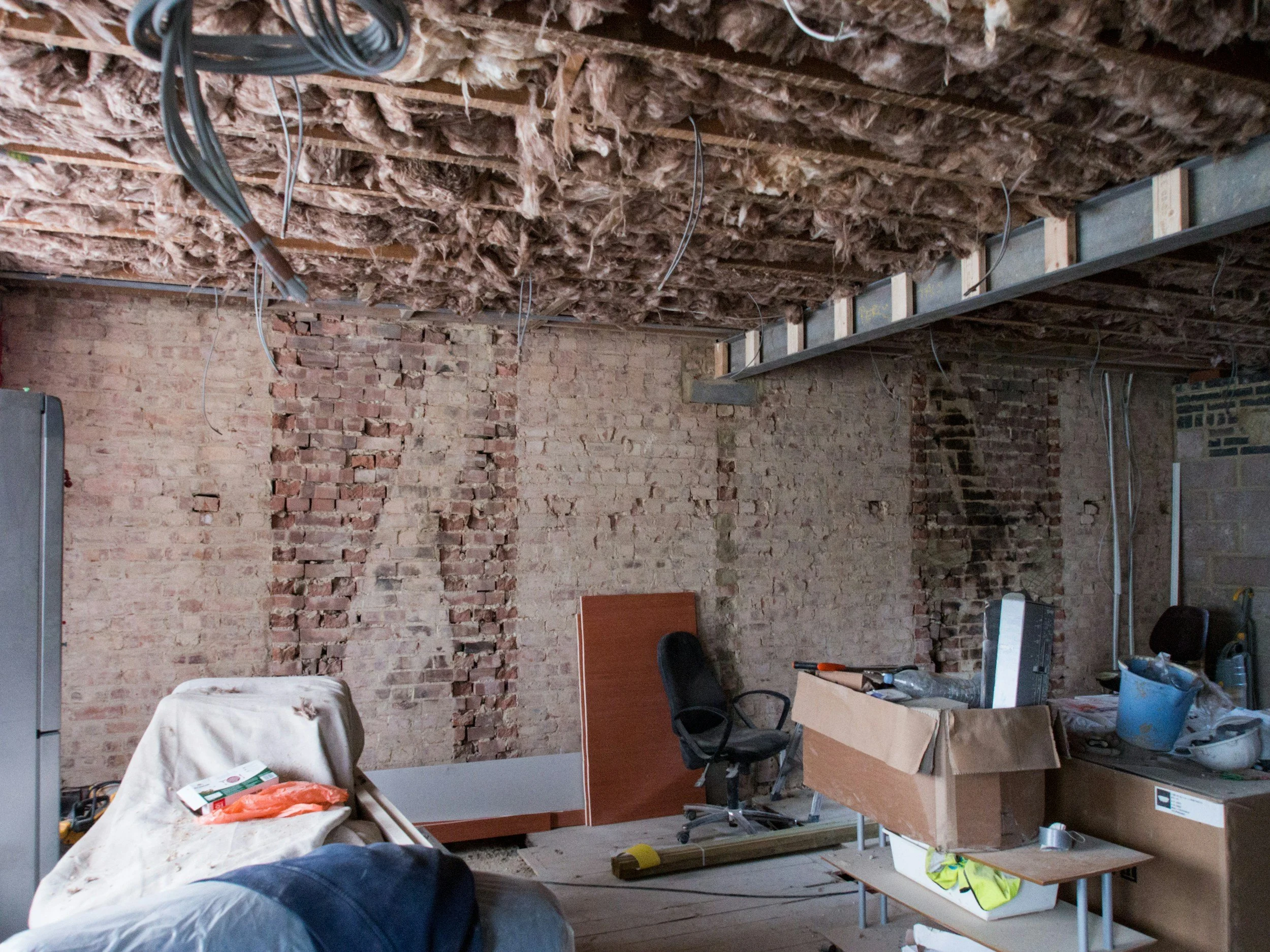
8 Simple Renovation Ideas to Boost Your Rental's Appeal
Attracting quality tenants often hinges on a property’s appeal, and thoughtful renovations can make all the difference in standing out in a competitive rental market. Whether the goal is to reduce vacancies, justify higher rental rates, or simply enhance the property's overall value, strategic updates offer a practical solution. This guide focuses on simple, cost-effective ideas designed to maximize impact without requiring extensive renovations. By prioritizing upgrades that resonate with potential tenants, property owners can boost desirability and create a space that tenants are eager to call home.
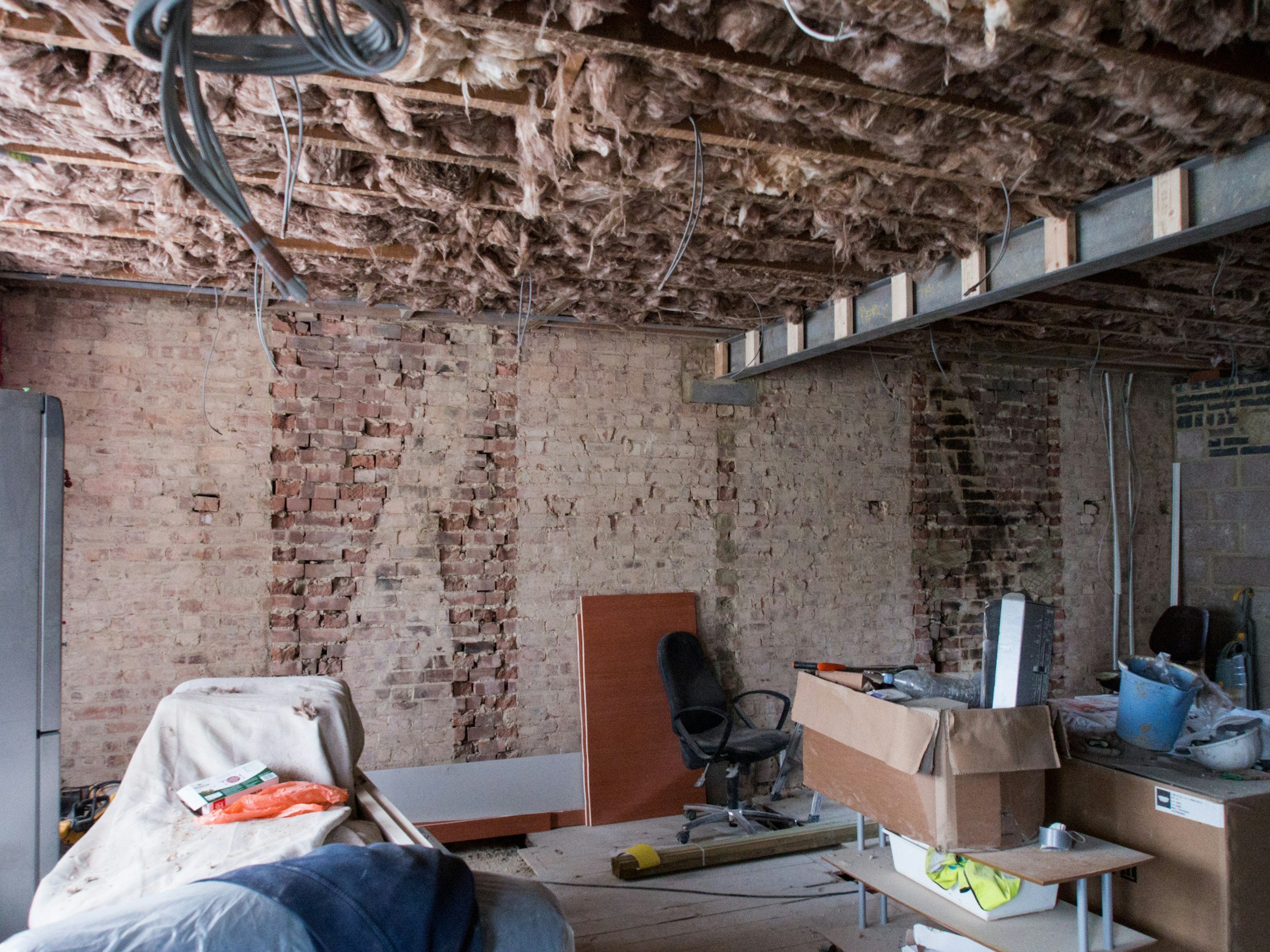
Attracting quality tenants often hinges on a property’s appeal, and thoughtful renovations can make all the difference in standing out in a competitive rental market. Whether the goal is to reduce vacancies, justify higher rental rates, or simply enhance the property's overall value, strategic updates offer a practical solution. This guide focuses on simple, cost-effective ideas designed to maximize impact without requiring extensive renovations. By prioritizing upgrades that resonate with potential tenants, property owners can boost desirability and create a space that tenants are eager to call home.
Revamp the Kitchen for a Modern Look
Updating the kitchen can elevate a rental property's appeal and help future tenants envision themselves at home. Consider replacing outdated countertops with durable materials such as quartz or butcher block, which offer both style and longevity. Installing new hardware on cabinets, like sleek handles or knobs, is an inexpensive way to modernize the space.
Adding a fresh coat of paint is another effective option. Neutral colors, such as soft grays or warm whites, tend to appeal to a wide range of potential tenants. If the kitchen lighting feels dated, switching to modern pendant lights or LEDs can create a welcoming atmosphere and enhance functionality.
Refresh Walls with Neutral Tones
A freshly painted rental feels clean and inviting. Neutral wall colors are a classic choice because they work with various furniture styles and personal aesthetics tenants might bring in. Focus on tones such as beige, gray, or off-white to keep the space adaptable.
It’s also important to choose high-quality, durable paint, as rental properties endure more wear and tear over time. Accent walls could be a subtle way to add color and character without overwhelming the space. Paint with washable finishes, such as eggshell or satin, is particularly practical in high-traffic areas.
Upgrade the Bathroom with Simple Fixes
Small changes in the bathroom can create a big impact. Replacing dated fixtures, such as faucets, showerheads, and even cabinet hardware, is a simple way to infuse a more modern feel. Look for contemporary finishes in brushed nickel or matte black to make the space appear fresh and stylish.
Adding new caulk and grout around sinks and tubs can make a bathroom look cleaner and better maintained. If the bathroom feels dull, consider installing a large mirror to enhance natural light. For rentals with smaller bathrooms, modern space-saving storage solutions, like wall-mounted shelves, can also be a welcomed addition for tenants.
Enhance the Exterior with New Siding
Curb appeal plays a critical role in drawing potential renters. New siding can instantly transform a property’s exterior, making it more attractive and better protected from the elements. Vinyl siding is a practical choice due to its durability, affordability, and range of styles and colors. It resists moisture and requires minimal maintenance, which adds value for both property owners and tenants.
If the property already has vinyl siding, regular power washing can restore its appearance without the need for replacement. For a customizable upgrade, explore siding options that mimic natural materials like wood or stone, offering a refined aesthetic without the associated upkeep.
Install Custom Window Shutters for Character
Adding window shutters gives a property a distinctive and polished look. Options include various materials, such as wood, composite, or vinyl, which can suit different properties and design preferences. Functional shutters can also provide practical benefits like added privacy or light control, offering tenants more versatility.
Custom window shutters also help enhance the property’s overall charm and provide small design features that prospective tenants notice. Choose neutral colors or wood tones to create understated yet impactful accents that pair well with the exterior’s overall color scheme.
Upgrade to Modern Windows and Doors
Window & door replacement can dramatically improve both the look and efficiency of a rental property. Single-pane windows or aging doors not only weaken security but also drive up energy costs. Opting for energy-efficient, double-pane windows can improve insulation and attract eco-conscious tenants looking for lower utility bills.
A front door upgrade is equally important since it creates the first impression. Modern steel or fiberglass doors blend functionality with aesthetics and offer added security. A well-chosen door color, such as navy or slate gray, can enhance the property's curb appeal without compromising a neutral palette.
Spruce Up the Outdoor Space
Whether it’s a small patio or a large backyard, an inviting outdoor space can be a significant draw for tenants. Adding simple upgrades like a clean, paved walkway or fresh mulch around garden beds contributes to an organized and appealing outdoor area. For properties with more space, plant low-maintenance shrubs or flowers that require minimal attention but create visual interest.
Functional additions like weather-resistant patio furniture or a small fire pit can further elevate the appeal. Focusing on durability is key, as outdoor spaces need to withstand different weather conditions while staying attractive and safe.
Add Energy-Efficient Lighting Throughout
Lighting is often overlooked, but it has a major impact on how a space feels. Swapping outdated fixtures for energy-efficient LED options helps reduce energy expenses for both property owners and tenants. Consider adding dimmable lighting in living rooms or bedrooms, which allows tenants to adjust settings to match their preferences.
Exterior lighting is another area to address. Installing motion-sensor lights near entrances and pathways can improve security and convenience. Smaller additions, like solar-powered lights along walkways, are an eco-friendly way to keep the property well-lit and visually appealing.
Final Thoughts
Thoughtfully selected renovations can significantly enhance both the functionality and visual appeal of a rental property, ultimately increasing its value and marketability. Updates to key areas such as kitchens, bathrooms, and outdoor spaces can make a lasting impression on tenants, reflecting an emphasis on quality and attention to detail. Incorporating solutions like modern appliances, efficient LED lighting, and well-placed exterior features can create a more inviting and practical living space without the need for extensive overhauls. These strategic upgrades not only attract discerning tenants but also ensure the property remains competitive in a dynamic rental market.

Must-Know Storage and Organizing Hacks for Those Who Move Often
Discover the best storage and organizing hacks for those who move often. Save time, reduce stress, and keep your belongings in order.
Moving often can feel overwhelming, especially when packing, unpacking, and organizing become routine. Without a good system, frequent relocations lead to misplaced items, cluttered spaces, and unnecessary stress. Having efficient strategies in place will save time and effort during each transition. Whether relocating for work, school, or personal reasons, these storage and organizing hacks for those who move often will make the process easier and more manageable.
Declutter Before Every Move
Every move is an opportunity to reassess what you own. Decluttering reduces the number of items to pack and unpack, making the process smoother. Start by sorting items into four categories: keep, donate, sell, and discard.
Be honest about what you truly need. If you haven’t used something in the last year, consider letting it go. Clothing, old electronics, and unused kitchen gadgets take up space and add weight to moving boxes. Selling or donating these items frees up room and simplifies packing.
A good rule of thumb is to declutter at least a few weeks before moving. This gives you enough time to sell unwanted items online or drop off donations at a local charity. Reducing clutter before each move makes unpacking and organizing in your new space much easier.
Creating Clutter-Free Homes for Better Accessibility
Maintaining an organized living space is essential for everyone, but it is especially important for individuals with mobility challenges or sensory sensitivities. Creating clutter-free homes for people with disabilities improves accessibility, enhances safety, and promotes independence. Thoughtful storage solutions, such as easy-to-reach shelves, labeled containers, and clear walkways, can make daily routines more manageable. If you or a loved one need tips on optimizing your home for accessibility, consider strategies that reduce clutter while maintaining a functional and comfortable environment.
Use Clear Bins for Easy Packing and Unpacking
Using clear plastic bins instead of cardboard boxes makes packing and unpacking much easier. With transparent bins, you can see the contents without opening them, reducing the time spent searching for items. This is especially helpful for essentials like kitchen tools, toiletries, and electronics.
To stay even more organized, label each bin clearly. Use permanent markers or adhesive labels to list what’s inside. For added efficiency, color-code bins by room. For example, use blue labels for bathroom supplies, green for kitchen items, and red for bedroom essentials.
Stackable bins also help maximize space, whether in a moving truck, a storage unit, or your new home. Unlike cardboard boxes, plastic bins are reusable, water-resistant, and more durable. If you move often, investing in clear bins will make a big difference in keeping your belongings safe and accessible.
Smart Storage and Organizing Hacks for Those Who Move Often
Frequent movers benefit from strategic storage solutions. One of the best storage and organizing hacks for those who move often is using furniture with built-in storage. Beds with drawers, ottomans with compartments, and foldable desks maximize space and reduce clutter. Another great tip is to use vacuum-sealed bags for seasonal clothes and bedding. These bags compress bulky items, saving space in suitcases, closets, and moving boxes. Label each bag with its contents to make unpacking easier.
A well-organized storage unit is also helpful for frequent movers. Use labeled bins and shelves to create a structured layout. Keeping non-essential items in storage reduces the time spent packing and unpacking during every move. If you aren't sure how to store a specific item properly, professional service providers can provide useful insight. For example, Columbine Moving and Storage has helpful tips on storing your belongings on their website, columbinemoving.com. Whether relocating across town or across the country, their team ensures a smooth and stress-free relocation, but they can also help with their expert opinion based on years of experience in the industry.
Keep a Moving Essentials Bag

Packing a moving essentials bag ensures you have everything you need during the transition. This bag should include:
Important documents (passport, ID, lease agreements, medical records)
Toiletries (toothbrush, toothpaste, soap, deodorant)
A change of clothes
Medications
Phone chargers and power banks
Snacks and a water bottle
Having these items in one place prevents unnecessary stress. Instead of searching through boxes for your toothbrush or phone charger, you’ll have immediate access to your most needed belongings. A backpack or small suitcase works best for this purpose. Keep this bag with you at all times so it doesn’t get lost during the move.
Pack Room by Room to Stay Organized

Packing room by room helps maintain order and prevents items from getting mixed up. Focus on one area at a time, starting with rooms you use the least, such as guest bedrooms or storage closets. Save everyday essentials for last.
Label each box with the room name and a short description of the contents. For example, instead of writing “kitchen,” label the box “kitchen – pots and pans.” This makes it easier to find what you need when unpacking.
Color-coding labels also speed up the process. Assign a different color to each room and use matching tape or stickers on boxes. This helps movers place boxes in the correct areas without confusion.
Stylish and Functional Living Room Storage Solutions

An organized living space should be both practical and visually appealing. Finding ways to make your living room storage solutions stylish can help reduce clutter while enhancing the overall design of your home. Consider multifunctional furniture, such as coffee tables with hidden compartments, decorative baskets, and floating shelves, to keep essentials neatly stored without sacrificing aesthetics. Choosing the right storage options allows you to maintain a clean, inviting space that reflects your personal style while maximizing functionality.
Store Small Items in Labeled Zip Bags
Small items like screws, jewelry, and cables are easy to lose during a move. Use resealable plastic bags to keep them together and label each bag accordingly. For electronics, store cables with their corresponding devices.
For furniture, place screws, bolts, and small parts in a labeled bag and tape it securely to the furniture piece. This prevents missing parts when reassembling. If taping isn’t an option, store these small bags in a designated “hardware” box for easy access.
Understanding the Truth About Portable Storage
Many people hesitate to use portable storage due to common misunderstandings. There are several misconceptions about portable storage that can prevent individuals from taking advantage of its benefits. Some believe these units are not secure or that they are only useful for long-term storage. In reality, portable storage solutions offer convenience, flexibility, and security for both short-term and long-term needs. Whether you are in the middle of a move or need extra space for seasonal items, portable storage can be a practical and efficient option.
Disassemble Large Furniture and Keep Hardware Together
Disassembling furniture before a move saves space and prevents damage. Beds, tables, and shelving units take up less room when broken down. Remove legs from tables, take apart bed frames, and disassemble shelves when possible.
To avoid losing parts, store all screws, bolts, and small pieces in labeled plastic bags. Tape these bags to the furniture or place them in a designated box labeled “furniture hardware.” Keeping everything together makes reassembly much easier.
For complex furniture, take pictures before disassembling. This will serve as a reference when putting pieces back together in your new home.
Create a Digital Inventory of Your Belongings
Keeping a digital inventory of your belongings helps track what you own and makes unpacking easier. Use a spreadsheet or a moving app to list items in each box. Take photos of valuables and their corresponding boxes for quick identification.
A digital inventory is also useful for insurance purposes. If anything gets lost or damaged during the move, having documentation can help with claims. Store a copy of your inventory on your phone or in cloud storage for easy access. Additionally, it is important to manage paperwork and important documents when moving to ensure essential records, such as leases, insurance policies, and identification, remain safe and accessible throughout the transition.
Label Cords and Electronics Before Packing
Electronics and their accessories can be difficult to sort out after a move. To avoid confusion, label each cord with the device to which it belongs. Use colored tape or small labels for easy identification.
Bundle cables neatly using twist ties or cable organizers. Store them in resealable bags and tape them to the corresponding device or place them in a dedicated “electronics” box. This method ensures that you can set up your devices quickly in your new home.
Take Advantage of Storage and Organizing Hacks for Those Who Move Often
Moving doesn’t have to be stressful. Using the right strategies can simplify the process and make each relocation easier. By decluttering before every move, using clear bins, labeling everything, and keeping a digital inventory, you can stay organized and save time. Storage and organizing hacks for those who move often help make frequent relocations more manageable and efficient.

How Much Does It Cost to Upgrade Your Home Heating System?
Replacing your home heating system with a more efficient option could add comfort to your home, cut down energy bills, and reduce your footprint. However, the considerations, costs, and options may cause you to break into an anxiety sweat. Let’s break down the average cost of the best heating system options and how to save when selecting what’s best for your house.
We partnered with a home improvement company for this post. The opinions in the post are honest. All reviews and opinions expressed in this post are based on our personal views. We are excited because we know you will love it.
Replacing your home heating system with a more efficient option could add comfort to your home, cut down energy bills, and reduce your footprint. However, the considerations, costs, and options may cause you to break into an anxiety sweat. Let’s break down the average cost of the best heating system options and how to save when selecting what’s best for your house.
Understanding Heating System Costs
The best heating system for your house is determined by your home size, budget, and energy efficiency goals. These are the most common options and their average cost:
1. Furnaces
Furnaces are a popular choice for their reliability and efficiency. Gas furnaces are the most common heating system, sometimes found in colder climates. Average installation prices fall between $2,800 and $6,800 (about $4,700). They have an average efficiency rating of 80-98%, with the modern models upping the value on the higher end of that average.
2. Heat Pumps
Heat pumps can heat and cool your home and the two main types include:
Air source heat pumps: Uses outside air. Average installation prices fall in the range of $4,000 - $8,000, depending on size of the household and the make and model.
Ground source heat pumps (Geothermal): Draws heat from the ground. This will save a good bit on the heat bill, as the average runs between $18,000 -$45,000. Average price covers installation, dealer replacement, new construction, and house style.
3. Boilers

Boilers, paired with radiant heating, heat water that’s circulated through radiators and floor heating systems. Gas boilers can cost between $2,500 - $10,000. The average boiler costs between $3,500 - $7,700. Your costs will be increased due to the type of installation and model choices.
4. Ductless Mini-Split Systems
They’re good options for houses without ductwork, providing necessary heating and air conditioning. Because the heating is zoned, you can regulate the temperature as you want. The price is about $3,000 and $5,000 per zone and these systems are good options for one-story houses, additions, and garages or basements.
Factors Affecting Heating System Costs
The final price of your heating system depends on a number of contributing factors, including:
Home Size: Larger homes require more powerful systems, which increases costs. If you have large home check this WhatCost.co.uk guide on the best boiler for a large 5 bedroom house
Energy efficiency: Options rated as highly efficient cost more but pay off with fewer service calls and electricity saving, which means lower bills.
A Sound-Off Upgrading Your Heating System
Clearly, installing a new heating system is an expensive endeavor. However, there are ways to save money on your heating system installation. At various levels, many governments provide incentives, rebates, or grants to get you to install energy-efficient systems.
For example, an individual homeowner can receive up to $7,500 with a heat pump-type energy technology and heating equipment. Also, installations are more affordable during slow season periods, such as the spring or early fall. The best part is that you can bask in these benefits for years to come.

