

A resource for those seeking information on organizing and transforming spaces.

5 Benefits of Prioritizing Indoor Air Quality Services
Maintaining a healthy home is about more than just keeping it clean and organized—it’s about creating an environment where you can truly thrive. One essential yet often overlooked aspect of a healthy home is indoor air quality. New homeowners, in particular, might be unaware of the significant advantages of investing in indoor air quality services. These services are designed to purify, enhance, and maintain the air you and your family breathe every day, positively impacting well-being and comfort.
This guide outlines the top five benefits of prioritizing indoor air quality services and why they should be a key component of your home care plan.
Improved Respiratory Health
The air inside your home can harbor various pollutants, including dust, pet dander, mold spores, and volatile organic compounds (VOCs). Without proper ventilation and filtration, these contaminants accumulate, potentially leading to respiratory issues like allergies, asthma, and sinus problems.
Professional indoor air quality services help remove these pollutants through advanced filtration systems and air purifiers. Clean air reduces the strain on your lungs and the risk of respiratory conditions. Everyone benefits, from young children and elderly family members to those with sensitivities or pre-existing conditions.
To complement professional services, consider adding houseplants like spider plants or peace lilies. They can enhance air quality naturally by reducing VOCs and increasing oxygen levels.
Enhanced Energy Efficiency
One major hidden benefit of indoor air quality services is their impact on your home’s energy efficiency. HVAC systems need to work harder when dirt, allergens, and debris clog vents and filters. This can lead to higher energy bills and strain on the system over time.
Professional services not only clean air ducts and vents but also ensure proper airflow throughout your home, allowing air conditioning and heating systems to work efficiently. Over time, this results in reduced energy consumption and lower utility costs.
A Fresher, Cleaner Environment
Have you ever walked into a room and sensed stale or musty air? Poor indoor air quality can cause unpleasant odors to linger due to trapped moisture, cooking smells, pet odors, or other contaminants. Air that isn’t properly ventilated or filtered exacerbates these issues.
Indoor air quality services are equipped with tools to improve air circulation and eliminate these lingering smells. The result is a fresher, cleaner atmosphere throughout your living spaces—one you’ll notice immediately when you step through the door.
Regularly changing your air filters, ventilating your home by opening windows, and using a dehumidifier can help maintain that fresh atmosphere between professional cleanings.
Reduced Allergies and Irritations
For individuals allergic to dust, pollen, or mold, everyday life can feel like a struggle, especially during seasonal changes. Poor air quality heightens symptoms such as sneezing, itching, and watery eyes, making it hard to find relief even in your home.
Investing in indoor air quality services minimizes these allergens at the source. Advanced HEPA filters and modern technologies remove even the smallest particles from the air you breathe. With fewer triggers in your environment, you'll enjoy fewer flare-ups and a more comfortable living space.
Long-Term Protection for Your Investment
A home is often one of the most significant investments a person can make. Protecting it means looking beyond the aesthetics and structural elements. Poor air quality can lead to long-term issues such as mold growth, which damages walls, ceilings, and furniture over time.
Indoor air quality services provide preventive measures to protect your home. By addressing underlying causes like excessive humidity or ventilation problems, these services ensure your home remains a healthy and durable space for years to come.
Final Thoughts
Indoor air quality may not be as visible as the cleanliness of your floors or countertops, but its impact on your health, comfort, and long-term savings cannot be overstated. Each breath you take in your home should contribute to your wellness, not detract from it.
For new homeowners, prioritizing indoor air quality services establishes a strong foundation for a safe and enjoyable living environment. By improving respiratory health, boosting energy efficiency, removing odors, reducing allergies, and protecting your home, these services provide a multi-faceted approach to better living.
Looking to make the air in your home as fresh and clean as possible? Contact indoor air quality experts from companies like A/C Control to schedule an assessment and discover solutions tailored to your home’s needs.

Clever Bathroom Organization And Storage Ideas For A Stylish, Functional Space
Creating a clutter-free bathroom is essential for both style and functionality. A well-organized space not only looks better but also makes daily routines more efficient and enjoyable. With thoughtful planning and creative solutions, even the smallest bathrooms can feel spacious and orderly.
Creating a clutter-free bathroom is essential for both style and functionality. A well-organized space not only looks better but also makes daily routines more efficient and enjoyable. With thoughtful planning and creative solutions, even the smallest bathrooms can feel spacious and orderly.
Maximize Vertical Space
One of the most effective ways to boost bathroom storage is by utilizing vertical areas. Floating shelves above the toilet or near the shower provide a perfect spot for neatly folded towels, decorative baskets, and essential toiletries. Cabinets that extend to the ceiling also help make the most of unused wall space, keeping less frequently used items within reach but out of sight.
Choose Multi-Functional Furniture
In compact spaces, every piece of furniture should serve more than one purpose. Opting for a bathroom vanity with built-in drawers or cabinets offers valuable hidden storage for items like grooming tools, cleaning supplies, and cosmetics. Vanities with sliding organizers or pull-out trays can help compartmentalize items, reducing the risk of clutter buildup and making your daily routine seamless.
Creative Solutions for Small Spaces
When square footage is limited, unconventional storage ideas can make a big difference. Magnetic strips inside cabinet doors are great for keeping small metal tools, such as tweezers and nail clippers, in place. Over-the-door organizers are perfect for stashing everything from hair products to washcloths, freeing up countertop space while maintaining easy access.
Keep It Visually Appealing
Beyond functionality, maintaining a visually pleasing aesthetic in your bathroom is just as important. Matching storage containers, woven baskets, and glass jars can elevate the overall look of the space while keeping clutter at bay. Adding labels to containers not only looks chic but also ensures everything stays in its designated spot.
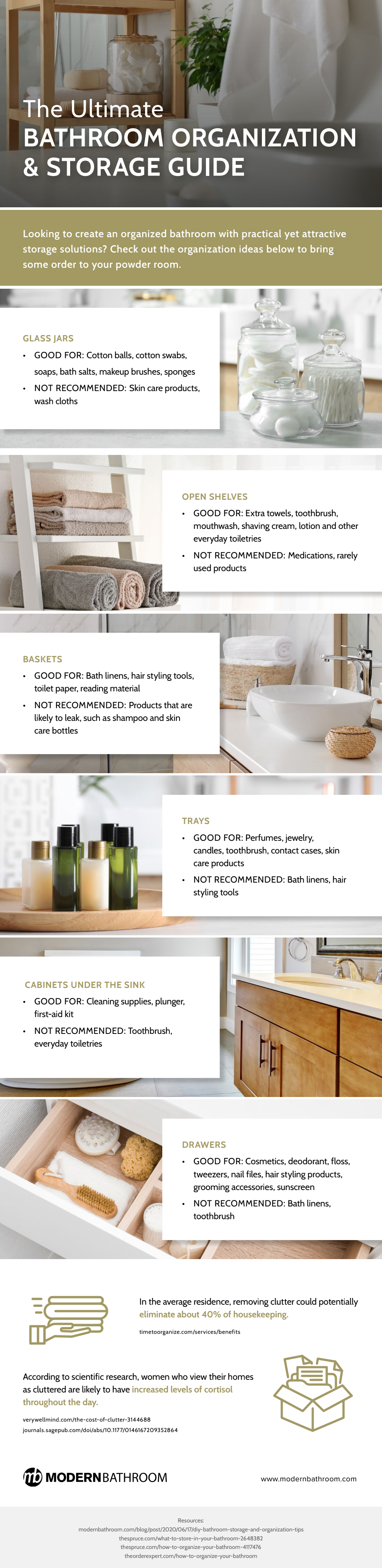
A well-organized bathroom provides both peace of mind and practical convenience. With smart storage solutions and functional design choices, it’s possible to transform even the most chaotic space into a serene, orderly retreat. Making thoughtful choices—like selecting a versatile vanity or maximizing wall space—can have a lasting impact on the beauty and efficiency of your home. Check out the infographic below to learn more.

Hidden Hazards In Your Home's Air: What You Can't See Could Be Dangerous
Your home may seem like a safe haven, but the air inside could be harboring hidden hazards that put your health at risk. While you may focus on visible threats like mold or dust, there are less obvious dangers that could affect you and your loved ones. Understanding these hazards and knowing how to address them can improve your home's air quality and your overall well-being.
Your home may seem like a safe haven, but the air inside could be harboring hidden hazards that put your health at risk. While you may focus on visible threats like mold or dust, there are less obvious dangers that could affect you and your loved ones. Understanding these hazards and knowing how to address them can improve your home's air quality and your overall well-being.
The Silent Threat of Radon
Radon is an odorless, colorless gas that seeps into homes from the ground, often without detection. Long-term exposure to radon can lead to serious health issues, including lung cancer. It is important to regularly monitor radon levels, especially in areas where the gas is more prevalent. A continuous radon monitor is a reliable tool for detecting fluctuating radon levels, helping you keep your home safe. By installing one of these devices, you can proactively manage your indoor air quality and prevent radon exposure.
The Danger of Volatile Organic Compounds (VOCs)
Volatile Organic Compounds (VOCs) are chemicals found in many common household products such as paints, cleaning agents, and air fresheners. These compounds release gases that can irritate the eyes, nose, and throat, and long-term exposure may lead to more severe health problems like headaches or liver damage. To reduce VOCs, it’s essential to choose low-VOC or VOC-free products and ensure your home is well-ventilated. Investing in an air purifier can also help remove harmful particles from the air, making your living environment safer.
Mold and Moisture Issues
Excess moisture in your home can lead to mold growth, which thrives in damp, dark areas like bathrooms and basements. Mold spores can trigger allergies, asthma, and respiratory issues, making it a hidden danger for many families. Keep an eye out for any signs of water leaks or humidity buildup and address them promptly. Proper ventilation, dehumidifiers, and maintaining your home’s structural integrity can prevent mold from becoming a serious health hazard.
Taking steps to address the hidden hazards in your home’s air can significantly improve your indoor environment. Regularly checking for radon, controlling VOC levels, and preventing mold growth are essential in creating a healthier home. With the right tools and knowledge, you can ensure that your home is not just a place of comfort but a safe haven for you and your family. For more information, check out the infographic below.


Balancing Hardscape And Softscape For Stunning Outdoor Spaces
Creating a harmonious outdoor space involves more than just selecting plants or outdoor furniture. The key to a truly beautiful landscape lies in achieving the right balance between hardscape and softscape elements. Hardscape refers to the permanent, non-living features like patios, pathways, and retaining walls, while softscape involves the living elements, such as plants, trees, and grass. A well-designed balance between these two can transform any yard into a serene and functional space.
Creating a harmonious outdoor space involves more than just selecting plants or outdoor furniture. The key to a truly beautiful landscape lies in achieving the right balance between hardscape and softscape elements. Hardscape refers to the permanent, non-living features like patios, pathways, and retaining walls, while softscape involves the living elements, such as plants, trees, and grass. A well-designed balance between these two can transform any yard into a serene and functional space.
Understanding Hardscape and Softscape
Hardscaping plays a crucial role in defining the structure and functionality of your outdoor space. Materials like stone, brick, concrete, and wood create pathways, patios, and garden borders, offering a solid foundation for the entire layout. Softscaping, on the other hand, brings life and color to the environment. From vibrant flowers to towering trees, these natural elements soften the rigid structure of hardscape features, adding texture and depth.
Achieving the Right Balance
The goal when designing your outdoor area is to create a flow between the hardscape and softscape that feels cohesive and inviting. Too much hardscaping can make the space feel cold or sterile, while an overabundance of plants may cause the space to feel crowded or disorganized. It’s essential to find a middle ground, allowing the hardscape elements to provide structure while the softscape adds warmth and visual interest.
Strategically placing plants around hardscape features can create a seamless transition between the two. For example, planting low-growing shrubs along the edge of a patio or walkway softens the transition between the two areas. Similarly, large trees placed strategically can offer shade, creating a natural balance with the man-made elements around them.
Maintaining Your Outdoor Space
Once you’ve found the perfect balance, keeping your outdoor space looking its best is essential. Regular maintenance, such as raking leaves or clearing debris, helps maintain both hardscape and softscape features. For those with larger lawns, a lawn sweeper rental can make lawn care easier, especially in the fall when leaves tend to accumulate quickly. Regular attention to both aspects of your landscape ensures it remains both beautiful and functional year-round.
Balancing hardscape and softscape is about creating a space that is both visually appealing and practical. With careful planning and design, your outdoor area can become a perfect blend of nature and architecture that enhances your home’s curb appeal. To learn more, look over the resource below.


