

A resource for those seeking information on organizing and transforming spaces.

Decluttering Before Baby: Creating Space For Your New Arrival
Bringing a baby into your home is an exciting and transformative experience, but it also comes with new challenges – especially when it comes to space. Whether you live in a small apartment or a spacious home, preparing for your little one means making room for baby essentials while maintaining a sense of order.

Bringing a baby into your home is an exciting and transformative experience, but it also comes with new challenges – especially when it comes to space. Whether you live in a small apartment or a spacious home, preparing for your little one means making room for baby essentials while maintaining a sense of order.
Why Decluttering Matters Before Baby Arrives
Babies may be small, but they require a surprising amount of space. From cribs and changing tables to diaper supplies and baby clothes, new parents quickly realize how much room is needed to accommodate their child’s needs.
By eliminating unnecessary items, parents can create a calm and peaceful environment that fosters relaxation for both them and their newborn. A clutter-free home can also improve mental clarity, allowing parents to focus on bonding with their baby rather than managing household chaos.
No matter if you’re welcoming a baby through traditional pregnancy or a surrogacy process, creating a well-organized space supports a smooth and joyful transition for both parents and child.
Step 1: Clear Out the Non-Essentials
First things first, start by evaluating each room and identifying items you no longer need. This could include outdated clothing, unused kitchen gadgets or excess furniture that takes up valuable space. The goal is to simplify your surroundings to make room for baby gear without feeling cramped.
Consider sorting items into four categories: keep, donate, recycle and discard. If something hasn’t been used in a year, chances are you don’t need it.
Step 2: Create Safe and Functional Spaces
A clutter-free home is a safer home. With a newborn in the house, safety should be a top priority. Decluttering allows you to eliminate potential hazards, such as loose cords, unstable furniture or breakable decor. As you prepare your baby’s nursery, keep essentials within arm’s reach while maintaining an uncluttered, soothing environment. Make sure you also avoid overcrowding shelves and surfaces.
Step 3: Optimize Storage for Baby Essentials
Once you’ve cleared out unnecessary items, it’s time to maximize storage for baby supplies. Consider investing in smart storage solutions such as:
Under-crib storage bins – Perfect for extra diapers, blankets or clothing.
Hanging organizers – Ideal for keeping small essentials like pacifiers, burp cloths and socks within reach.
Multi-functional furniture – Look for pieces like changing tables with built-in drawers or ottomans with hidden storage.
Having a designated place for everything helps streamline daily routines, making it easier to find what you need when caring for your baby.
Step 4: Designate Baby-Friendly Zones
Keep things organized by setting up designated areas for baby care. You should have a feeding station with all your nursing supplies in one spot and a diaper-changing area with wipes, diapers and creams ready to go in another. If you have older kids, consider creating a play zone to keep toys contained and your home tidy. Setting these zones up ahead of time can make day-to-day tasks easier and keep everything in its place in times of chaos.
Step 5: Establish a System for Managing Clutter
Of course, decluttering before baby arrives is just the first step – maintaining an organized home requires ongoing effort. A few habits can help keep your space clutter-free:
Adopt a “one in, one out” rule – For every new item that enters your home, find something to donate or discard.
Do small daily tidy-ups – A few minutes each day can prevent clutter from piling up.
Rotate baby clothes and toys – Babies grow quickly, so regularly sorting through outgrown items can prevent overflow.
A Smooth Transition for a Growing Family
Welcoming a baby is a beautiful yet demanding transition and an organized home can make all the difference. Taking the time to declutter now sets the stage for a calm, comfortable and loving home – the perfect environment for your new arrival!
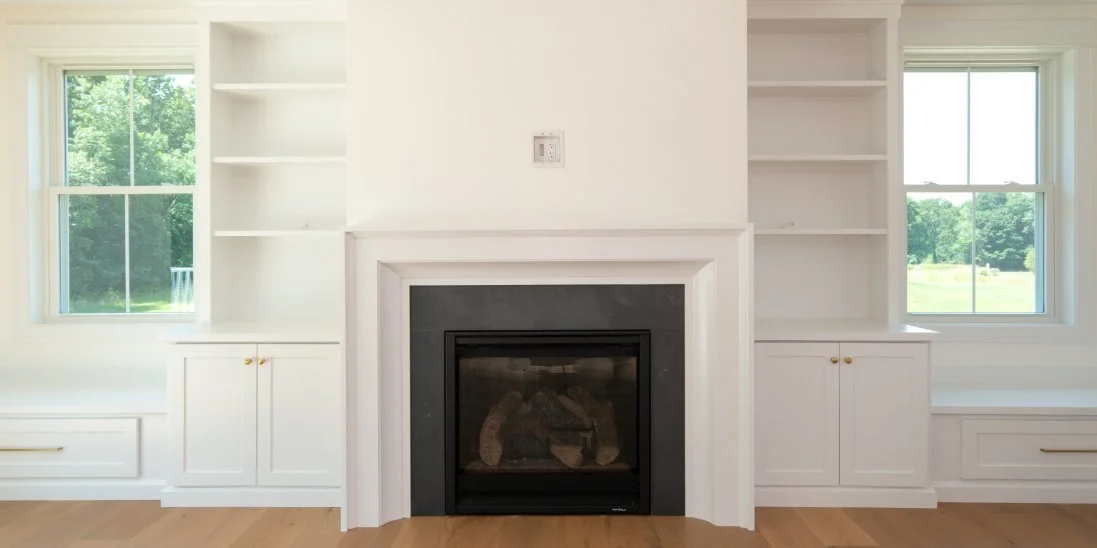
4 Space-Saving Benefits of Built-In Storage
Homeowners wanting to maximize storage space should highly consider built-in options. Discover the space-saving benefits of built-ins and more.
Built-in storage has become a game changer for homeowners looking to maximize their living spaces. Seamlessly integrating storage solutions into walls and underutilized areas combines functionality with style to create a clutter-free environment. This list will uncover the incredible space-saving benefits of built-in storage and how it can transform your home.
Free Up Floor Space
One of the most immediate benefits of built-in storage is the ability to free up valuable floor space. Unlike bulky standalone storage options, such as cabinets or dressers, built-ins are seamlessly integrated into walls, alcoves, or other unused spaces. This creates a clean, open feel, allowing you to utilize your square footage more efficiently. Built-in units can help you use every part of your home without sacrificing style or functionality.
Endless Customization Options
Built-in storage offers an unmatched level of customization that fits your exact needs, style, and space. You can choose from a variety of styles and materials to create a look that complements your home’s aesthetic. For example, modern architectural styles might benefit from clean lines and minimalist designs, while more traditional homes can integrate wood paneling for a classic touch.
When considering storage solutions for your home remodel, design built-ins to blend seamlessly with your existing decor. Select a color scheme and finish that harmonize with the rest of your home so your storage space is both functional and visually-appealing.
Enhance Organization
An organized home is a happy home, and built-in storage can play a vital role in reducing clutter and messes. Homeowners can better maintain order by designing specific spaces for their belongings so that every item has a designated space.
When paired with storage solutions such as baskets, trays, and magazine holders, built-in bookshelves or entertainment centers become a focal point of a stunning common area. Organizing items kept in built-in storage allows you to decorate the space with other personal or ornate pieces for a touch of charm.
Add Value To Your Home
Integrating built-in storage can also increase the value of your property. Potential buyers often view built-in storage as a desirable feature because of its practicality and space-saving benefits.
Features such as a built-in mudroom storage unit or a custom pantry can set your property apart from others on the market. Even if you’re not planning on selling your home anytime soon, the long-term value built-ins provide makes them a wise investment.
Built-in storage can transform your home into a more organized, stylish, and functional space. From clearing floor space to enhancing your home’s overall value, the benefits are undeniable. If you’re ready to upgrade your living spaces and make every square foot count, explore built-in storage options.

The Truth About Replacing Your Bed Pillows
When was the last time you replaced your bed pillows? If you don’t know the answer to that question, this one is for you—here’s the truth about replacing them.
Your pillows play an important role in ensuring you wake up feeling refreshed and ready to take on the day. Yet, many people overlook the importance of replacing them regularly—feeling busted? Here, we’re diving into the truth about replacing your bed pillows, highlighting the importance of doing so and the direct link this has with your health.
Recognize the Signs To Replace Your Pillows
How do you know it’s time to swap out your old pillow for a new one? The signs are often more obvious than you think. Flattened pillows with lumps, stains, or lingering odors are clear indicators.
If you find yourself fluffing your pillow multiple times a night or waking up with neck stiffness or allergies, your pillow might not be offering the support or cleanliness you need. Pay attention—your body often gives the clearest hints.
Understand Ideal Pillow Lifespan
Not all pillows are equal. While experts generally recommend replacing pillows every one to two years, factors like pillow material play a substantial role. Memory foam tends to last longer, while synthetic pillows may need replacement sooner.
Testing your pillow’s resilience is simple—fold it. If it doesn’t spring back to its original shape, it’s time for a replacement. Believing a pillow will last indefinitely is a common myth that can compromise your sleep and health.
The Link Between Pillow Replacement and Your Health
Old pillows can harbor allergens, such as dust mites, mold, and bacteria, leading to allergies, respiratory problems, and skin irritation. Beyond cleanliness, an unsupportive pillow can misalign your spine and cause chronic discomfort or poor sleep quality. Replacing your pillows regularly keeps allergens at bay and ensures proper alignment, ultimately letting you wake up energized instead of achy or restless.
Finding the Perfect Pillow for You
Choosing the right pillow involves understanding your sleep style. Side sleepers benefit from firmer pillows to support the neck, while back sleepers often need medium firmness, and stomach sleepers typically require softer options.
Beyond firmness, materials like latex or down alternatives cater to specific sensitivities or preferences. Investing in high-quality pillows can make your bedroom exude the comfort of a luxury hotel. Pairing fresh pillows with quality bedding transforms your space into a personal retreat.
The simple act of replacing your pillows can transform your sleep and well-being. Don’t wait for discomfort or allergies to creep in before making the change. Treat your bedroom as you would a high-end hotel—crisp, clean, and inviting. Now that you know the truth about replacing your bed pillows, go ahead and buy new ones today—it’s time.

Selling Your Home During a Recession: Survival Tips for Sellers
A recession can send ripples through the housing market, leading to reduced buyer demand, lower home values, and longer selling timelines. Homeowners looking to sell during an economic downturn must contend with cautious buyers, tightened lending standards, and an overall sense of financial uncertainty. While some may feel trapped, the key to success lies in strategic pricing, home presentation, and leveraging alternative selling methods. Sellers who comprehend the market dynamics can navigate the complexities of a downturn with confidence. Understanding how recessions influence real estate trends allows you to position your home effectively, avoiding prolonged listing times and drastic price reductions.
We partnered with a real estate company for this post. The opinions in the post are honest. All reviews and opinions expressed in this post are based on our personal views. We are excited because we know you will love it.
A recession can send ripples through the housing market, leading to reduced buyer demand, lower home values, and longer selling timelines. Homeowners looking to sell during an economic downturn must contend with cautious buyers, tightened lending standards, and an overall sense of financial uncertainty. While some may feel trapped, the key to success lies in strategic pricing, home presentation, and leveraging alternative selling methods. Sellers who comprehend the market dynamics can navigate the complexities of a downturn with confidence. Understanding how recessions influence real estate trends allows you to position your home effectively, avoiding prolonged listing times and drastic price reductions.
The most noticeable impact of a recession is the shift from a seller’s market to a buyer’s market. When the economy slows, job security weakens, interest rates fluctuate, and many potential buyers hesitate to make significant financial commitments. This hesitancy leads to reduced competition among buyers, forcing sellers to work harder to make their homes stand out. Whether it’s through competitive pricing, strategic marketing, or improving curb appeal, taking proactive steps is critical. Sellers who anticipate and address buyer concerns head-on are more likely to close a successful deal despite economic headwinds.
The Key to Attracting Buyers is Pricing It Right
One of the most significant mistakes sellers make during a recession is overpricing their homes in the hope of securing a high return. While it’s natural to want top dollar for your property, setting an unrealistic asking price can deter potential buyers and prolong the selling process. Pricing your home competitively based on market conditions ensures it receives the right attention. Conducting a comparative market analysis (CMA) helps sellers determine a fair price by analyzing recent sales of similar properties in the area.
During a recession, buyers tend to be more cautious and highly sensitive to price. Small incentives, like contributing to closing costs or including a home warranty, can make a listing more attractive and help it stand out in a competitive market. Adaptability is key being willing to negotiate or adjust pricing slightly can prevent a property from lingering unsold. For those looking to sell without delays or complications, working with Coastal NC Cash Offer provides a streamlined alternative, allowing sellers to skip the traditional market's uncertainties and secure a hassle-free transaction.
Enhancing Your Home’s Appeal Without Overspending
In a sluggish housing market, first impressions matter more than ever. Buyers want to see homes that are move-in ready, and even small improvements can make a significant impact. While major renovations may not yield a strong return on investment, minor upgrades such as fresh paint, updated fixtures, and enhanced landscaping can make a home more appealing. Staging the home properly arranging furniture to maximize space, ensuring ample lighting, and decluttering can help potential buyers envision themselves living there.
A recession often means buyers are looking for the best value, so emphasizing energy-efficient features, smart home technology, or low-maintenance elements can make a listing more attractive. Highlighting features that reduce future costs, such as energy-efficient appliances or newly replaced roofing, can sway budget-conscious buyers. Additionally, professional photography and compelling listing descriptions can make all the difference in drawing interest to your property in a competitive market.
Marketing Strategies That Maximize Exposure
Traditional selling methods may not be enough during a recession. Expanding marketing efforts ensures your home reaches the right audience. High-quality online listings with professional photos, video tours, and virtual walkthroughs can generate interest from remote buyers who may be hesitant to attend open houses. Leveraging social media platforms, real estate forums, and targeted digital advertising can expand your property’s visibility beyond the usual pool of local buyers.
Partnering with an experienced real estate agent who understands recession-era selling strategies is also invaluable. Agents with a strong grasp of current market trends can advise on competitive pricing, negotiation tactics, and effective marketing approaches. In addition to online efforts, sellers should consider unconventional methods such as hosting private viewings or offering limited-time buyer incentives to encourage quicker decision-making.
Navigating Offers and Closing Deals Efficiently
Receiving an offer during a recession is an accomplishment, but closing the deal requires careful negotiation. Buyers may attempt to negotiate aggressively, citing market uncertainty and future depreciation concerns. Sellers should be prepared to counteroffer strategically without alienating serious buyers. Understanding buyer motivations whether they are investors looking for a deal or families in need of immediate relocation can help tailor responses to secure a win-win transaction.
To expedite the selling process, ensure all necessary paperwork is in order before listing the property. Preemptively addressing potential issues like necessary repairs, zoning discrepancies, or incomplete permits can prevent last-minute delays. Streamlining the closing process by working with efficient real estate attorneys, mortgage brokers, and title companies minimizes the risk of deals falling through.
Selling Successfully Despite Economic Challenges
Selling a home during a recession may feel daunting, but with the right strategies, sellers can still achieve favorable outcomes. Understanding market trends, pricing competitively, making cost-effective improvements, and employing creative marketing techniques are essential to standing out in a challenging market. Flexibility and adaptability remain the keys to successfully navigating a downturn. By embracing alternative selling options, enhancing property appeal, and being prepared for negotiations, sellers can maximize their chances of securing a fair deal despite economic uncertainties.

