

A resource for those seeking information on organizing and transforming spaces.

6 Small Kitchen Design Changes That Make a Big Impact
Breathe new life into even the smallest kitchens with practical, game-changing design updates to improve functionality and style in surprising ways.
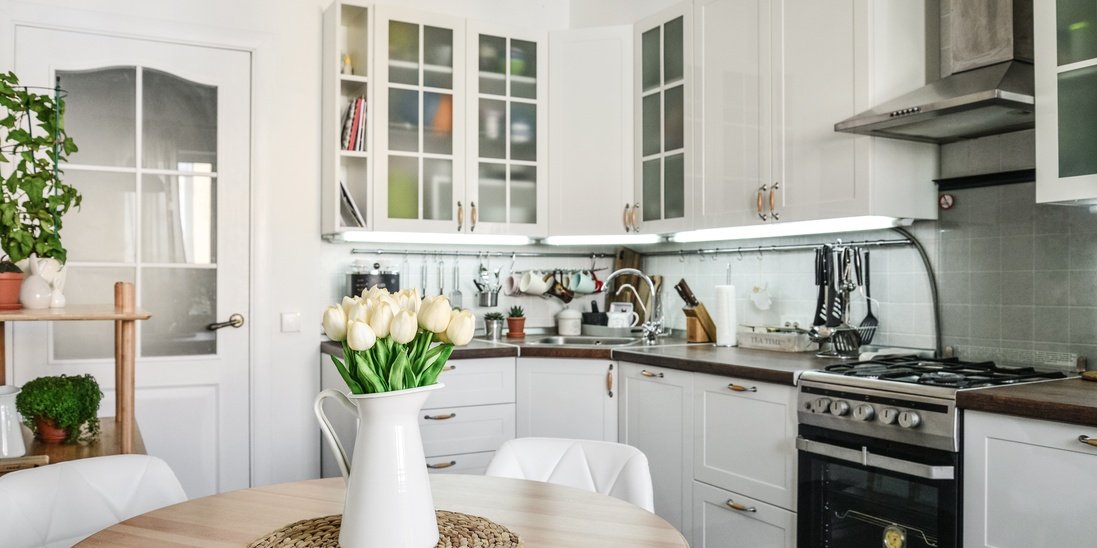
Does your small kitchen feel cramped, cluttered, or uninspiring? With the right approach, you can create a space that's both stylish and functional without a complete renovation. Here are six small kitchen design changes that make a big impact, allowing you to enjoy a more efficient and inviting kitchen.
1. Maximize Vertical Storage
If your cabinetry doesn't reach the ceiling, you are overlooking valuable storage potential. Consider installing extra shelving above or inside the cabinets to organize and store items that you use less frequently in a neat manner.
Pegboards or wall-mounted racks for pots, pans, utensils, and spices not only help declutter your counters but also create a visually appealing display in your kitchen. This approach maximizes your vertical space, allowing for easier access to cooking essentials while enhancing the overall aesthetic of your kitchen.
2. Upgrade Your Lighting
Lighting transforms a space, adding warmth. Replace dull ceiling lights with layered solutions, including task lights under cabinets and elegant pendant fixtures over countertops.
This thoughtful approach will not only illuminate your kitchen but also cultivate a welcoming atmosphere that invites you to enjoy cooking and relaxation alike.
3. Use Multi-Functional Furniture
For kitchens with tight layouts, furniture with multiple uses is invaluable. For instance, consider an island equipped with built-in storage that maximizes every inch of available space. Foldable tables and chairs can be easily tucked away when not in use, ensuring the kitchen maintains an open and airy feel.
These thoughtful adjustments provide remarkable versatility, enhancing the usability of the area while maintaining its streamlined and functional design.
4. Invest in a Central Statement Piece
A standout kitchen feature like a stylish backsplash with intricate tile patterns and open shelving showcasing colorful dishware and curated decor items that reflect your taste style, or a charming farmhouse sink adorned with vintage fixtures that serve both function and aesthetics, will significantly enhance your overall design.
These central statement pieces not only serve practical purposes but also create visual focal points that foster a cohesive and inviting look throughout the space, making it more enjoyable for both cooking and entertaining.
5. Optimize Drawer Storage
Deep drawers can sometimes become unmanageable, leading to frustration in the kitchen. To maximize efficiency, use dividers or stackable organizers that help make the most of every inch.
This approach is effective for organizing silverware, cutting boards, or even bulk spices. By maintaining this hidden order, you not only keep your counters clutter-free but also streamline your cooking workflow, ultimately enhancing your kitchen experience.
6. Choose a Cohesive Color Scheme
Light and neutral colors can make small spaces feel larger by reflecting natural light and creating an airy atmosphere. To add personality, incorporate bold accents with decorative items such as vibrant cushions, artwork, or a statement rug.
Ensure appliances, cabinetry, and hardware are color and style coordinated for a cohesive, polished look. This balance enhances functionality and aesthetics, creating an inviting, well-designed space.
Transform Your Kitchen Today
Making these small kitchen design changes can significantly enhance functionality and create a space that brings joy to cooking. These adjustments not only improve the efficiency of your kitchen but also foster an inviting atmosphere that inspires culinary creativity.
Embracing intentional design enables you to transform your kitchen into a space where cooking is truly enjoyable, thereby enhancing both your daily life and culinary experiences.

When Should You Replace Vs. Repair A Storm-Damaged Roof?
Storms don’t usually give a warning. One moment, the skies are clear; the next, you’re hearing heavy wind, hail pounding the roof, and rain lashing at the windows.
We partnered with a home improvement company for this post. The opinions in the post are honest. All reviews and opinions expressed in this post are based on our personal views. We are excited because we know you will love it.

Storms don’t usually give a warning. One moment, the skies are clear; the next, you’re hearing heavy wind, hail pounding the roof, and rain lashing at the windows.
And once the storm has passed, the real question begins—did the roof take damage? And if it did, should it be repaired… or fully replaced? Well, it’s a question many homeowners face, and the answer isn’t always simple. Some damage can be patched. But in other cases, a full replacement may be the smarter move.
Let’s take a closer look at how to figure it out—one step at a time.
Types of Storm Damage and What They Mean
Storm damage comes in different forms. Some signs show up immediately. Others hide beneath the surface.
Hail Damage
Hail might seem harmless, but even small stones can leave marks. When hail hits, it can bruise shingles, knock off protective granules, and weaken the layers beneath. Over time, that leads to leaks or faster wear and tear.
Wind Damage
Strong gusts can lift, curl, or completely tear off shingles. If the wind sneaks under the roof covering, it can even pull parts of the roof deck loose. That makes it easier for rain to get inside the home.
Water Damage
The water is sneaky. It can seep in through cracks, broken flashing, or areas around vents and skylights. Sometimes, you won’t see water damage until stains appear on ceilings or mold starts forming inside walls.
The tricky part? Not all damage shows up right away. Some issues develop over time. That’s why getting a professional inspection soon after a storm is a smart move.
When a Repair Might Be Enough
Repairing storm damage can be quick and cost-effective—if the conditions are right.
It’s a Small Area
If just a few shingles are missing or cracked and the rest of the roof looks good, a repair might be all that’s needed. Small patches can often fix the problem without major work.
The Roof Is Still in Good Shape
Is the roof under 10 or 12 years old? Has it been maintained well? In that case, damage from a recent storm might not require a full replacement.
There Are No Inside Leaks
If the attic or top floor looks dry and there’s no sign of water damage inside the home, chances are the damage hasn’t spread deep. That’s a good sign for repair being a valid option.
You’re Not Ready for Full Costs
Let’s be honest—replacing a roof is a big investment. A quality repair can buy time and keep the home protected while plans for replacement are made down the road.
Still unsure? Call of the pros. Expert Roof Repair & Replacement teams can spot hidden issues, assess the full scope of damage, and help you decide what steps to take next. They may also offer guidance on materials, timelines, and how to prevent future issues from recurring.
Signs That a Full Replacement Is the Better Option
In some situations, repairing isn’t the best fix. Here are a few red flags that may point to a full replacement being the better route.
The Roof Is at the End of Its Lifespan
Asphalt shingles usually last 20 to 25 years. If your roof is in that range, a storm may be the final push toward replacing it. Even small damage becomes riskier when the roof is older.
Recurring Issues After Repairs
Are you fixing the same area again and again? That could mean hidden damage beneath the surface. In this case, patch jobs won’t hold for long.
Insurance or Pros Recommend It
If a qualified roofer or your insurance adjuster advises replacement, it’s worth serious thought. Often, a full replacement makes more financial sense in the long run.
Final Considerations: Think Long-Term, Act Fast
Making the right choice means balancing cost, safety, and future risk. Storm damage doesn’t fix itself—and the longer it’s ignored, the more it can grow.
Repairs Can Save Now, But Think Ahead
Fixing one part might solve today’s problem. But if more damage shows up later, you might end up spending more than if you’d replaced it earlier.
Don’t Wait Too Long
A small leak can grow fast. Wet insulation, mold growth, and water damage can cause serious problems inside the home. Getting ahead of it saves money and stress.
Consider the Climate
If you live in a storm-heavy area, it may be smart to choose stronger materials. Metal roofing or impact-resistant shingles are built to last longer through hail and wind.
Conclusion
Choosing whether to repair or replace a storm-damaged roof isn’t always simple. But looking at the signs can help. Is the damage widespread? Is your roof older? Have you had the same issues more than once? If yes, it may be time to start fresh.
Getting the right help and acting quickly can save a lot of trouble down the road. And more importantly—it keeps your home and everything inside it safe.

4 Important Items You Should Keep in a Home Safe
Learn how to protect your valuables and important documents with a home safe. Ensure security, accessibility, and peace of mind with a single, secure solution.
Keeping your most valuable possessions and documents secure at home is always a wise decision. A home safe provides peace of mind, offering protection from theft, fire, or accidental loss. You can organize and store essential items in a home safe to safeguard them and keep them easily accessible when you need them most. Here are four important items you should keep in a home safe.
Vital Documents
Vital documents should be at the top of your list. Passports, birth certificates, and social security cards are critical for identification purposes and can also take significant time and effort to replace if lost or damaged. Storing these essential papers in a secure place ensures they remain intact and accessible whenever required, including during emergencies, such as international travel or identity verification processes.
Financial Records
Safeguarding financial records is another critical function of a home safe. Insurance policies, bank statements, and investment documents hold crucial personal and financial information. These directly impact your financial stability and often support claim processes or tax season. Placing them in your home safe ensures they stay secure yet within easy reach whenever needed.
USB Drives
Another important item you should keep in a home safe is a USB drive containing scanned copies of your essential documents and photos. This simple precaution serves as a reliable backup in the event of an emergency. You can lose physical documents, but having digital copies ensures that you can quickly access the information, whether it’s to verify your details or provide proof of ownership. Additionally, including irreplaceable photos in digital format helps preserve cherished memories for the long term.
Irreplaceable Keepsakes
Your home safe is the perfect place for storing irreplaceable keepsakes. Family heirlooms, sentimental jewelry, or valuable coin collections often carry both financial and emotional significance. These items hold unique memories and are prone to theft or accidental damage if left unsecured. Safeguarding them in a home safe allows you to enjoy these treasures without worry.
Best Place To Keep Your Safe
While the contents are important, knowing where to install a security safe in your house is equally crucial. Select a discreet yet accessible location that is well-protected from potential threats, such as fire or flooding. Popular spots include closets, basements, or even securely bolted safes hidden within furniture.
A home safe is a simple yet invaluable tool for protecting what matters most to you. By organizing these key items in your safe, you can rest assured that they are secure and easily accessible whenever you need them. Take the first step toward peace of mind today and invest in both security and convenience.

Cleveland Real Estate Listings Translation Guide (What They Really Mean)
Browsing real estate listings in Cleveland can feel like deciphering a new language. Between the glowing descriptions and strategic phrasing, it's easy to be misled by what a listing offers. Whether you're a first-time buyer or just casually house hunting, knowing what common listing terms mean can save time, energy, and disappointment. This guide is here to help you decode those cleverly crafted descriptions so you can spot the gems and sidestep the letdowns.
We partnered with a real estate company for this post. The opinions in the post are honest. All reviews and opinions expressed in this post are based on our personal views. We are excited because we know you will love it.
Browsing real estate listings in Cleveland can feel like deciphering a new language. Between the glowing descriptions and strategic phrasing, it's easy to be misled by what a listing offers. Whether you're a first-time buyer or just casually house hunting, knowing what common listing terms mean can save time, energy, and disappointment. This guide is here to help you decode those cleverly crafted descriptions so you can spot the gems and sidestep the letdowns.
Cozy Could Mean Cramped
Cozy sounds warm and inviting, but it usually means small in listening language. There’s nothing wrong with a snug space. if that’s what you're after but it's important to know what you’re walking into.
Listings rarely say tiny, but cozy is the go-to euphemism when square footage is limited. If you see this word paired with phrases like efficient use of space or perfect for minimalists, expect compact bedrooms, a small kitchen, or fewer closets.
Needs TLC Is Your Cue for Renovation Work
When a home is described as needing TLC (tender loving care), it’s not just about a little cosmetic refresh. It typically implies repairs, updates, or full remodels.
From outdated plumbing to worn-out flooring or even code violations, TLC could range from minor improvements to major structural overhauls. If you’re handy or open to fixer-uppers, this can be a chance to score a deal. Otherwise, be ready for extra expenses.
Charming Might Mean Quirky or Outdated
Charming is one of those feel-good terms that makes a property sound like it has character and it often does. But not all charm is created equal.
In Cleveland, especially in older neighborhoods, charming can point to original details like leaded glass windows, hardwood floors, or unique architecture. However, it may also mean strange layouts, old wiring, or fewer modern conveniences. Always check how recent the last updates were before falling for charm.
Up-and-Coming Area = Gentrification in Progress
A listing that boasts about being in an up-and-coming area is essentially saying the neighborhood is in transition. This could mean you're getting in early in a place that will appreciate over time, but it also could mean the area lacks amenities right now.
These neighborhoods often have construction nearby, a mix of well-maintained and rundown properties, and growing community involvement. It can be a great investment but you should do your homework and visit at different times of the day.
Move-In Ready Isn’t Always Turnkey
While move-in ready suggests a home is ready for immediate occupancy, the term can be somewhat subjective. Some sellers use it loosely to mean everything is functional, even if it’s not updated.
So if you’re picturing a place with granite counters and fresh paint, but you tour a home with dated cabinets and shag carpet, that’s why. Look for clarification like recently renovated or updated kitchen and bath for more peace of mind.
Low Maintenance Yard = Small or No Yard at All
A low-maintenance yard might sound like a blessing if you don’t enjoy yard work. But this term is often code for little to no green space.
Think of small patios, minimal landscaping, or concrete slabs. Perfect for urban dwellers or those looking to avoid the lawnmower, but not ideal if you’ve got kids or pets who need space to roam.
Unique Layout Could Be a Head-Scratcher
The unique layout is the listing agent’s polite way of saying the floor plan is unconventional. Maybe the master bedroom is downstairs while the rest are up, or the kitchen leads directly into a bedroom.
Sometimes unique translates into impractical depending on your lifestyle. On the flip side, some buyers love out-of-the-box designs. Just don’t assume unique means better go see it in person.
Priced to Sell Might Signal an Issue
Priced to sell can mean the seller is motivated and you're getting a deal or it can be a red flag that something is wrong.
Maybe the house has been sitting on the market too long or it’s priced low to offset repairs. Either way, it’s a cue to ask why it’s priced that way. This is when working with a local Cleveland Real Estate Agent can be valuable, they’ll know if the price reflects a bargain or a burden.
Freshly Painted May Be Covering More Than Style
A new coat of paint is a common staging tactic, but sometimes it’s more than just a style update. It might be covering stains, water damage, or patched walls.
Pay attention to fresh paint paired with vague descriptions and few photos. If only certain rooms are shown or only close-up shots are used, dig deeper.
A Flood of Natural Light Doesn’t Always Shine Through
Everyone loves a bright home, but being flooded with natural light is often used even when it’s not accurate. Maybe there’s one big window in the living room or maybe the photo was taken at the one time of day the sun hits.
Check window placement, orientation, and whether neighboring buildings might block the sun. Especially in Cleveland, where cloudy days are common, true natural light can be a big selling point or a big letdown.
Pictures Can Mislead Always Tour in Person
Professional photography is designed to showcase a home at its absolute best. Wide-angle lenses, strategic lighting, and perfect staging can make even modest homes look luxurious.
Before you make any decisions, tour the home. Smells, sounds, neighborhood vibe none of that comes through a photo. And what looks like hardwood floors might just be laminate.
Summary: Read Between the Lines Before You Fall in Love
Real estate listings are meant to attract attention, so every word is chosen with care even if it’s not entirely transparent. Learning to translate the language helps you house hunt smarter and avoid disappointment.
Take notes when browsing listings, jot down any unclear terms, and always follow up with questions. When in doubt, bring your agent’s expertise into the mix. They’ve seen it all and can quickly interpret what’s being said (and not said).
Happy house hunting!

