

A resource for those seeking information on organizing and transforming spaces.
Best Surfaces for Every Part of Your Bathroom
Explore the best materials for every part of your bathroom and learn how to choose surfaces that perform well in moisture-rich environments.
If you're renovating your bathroom, choosing the right materials is critical. From flooring to walls, vanities to ceilings, each area faces exposure to moisture, temperature changes, and daily wear. To ensure durability and design, you need to match every surface to its use. Let's explore the best surfaces for every part of your bathroom to help you build or renovate with confidence.
Flooring That Stands Up to Water
Your bathroom floor must be able to withstand splashes, spills, and steam without damage. Porcelain and ceramic tiles remain top choices because they're waterproof and easy to clean. Available in numerous colors and textures, they also mimic the appearance of natural stone or wood without the associated maintenance issues. For a softer touch underfoot, consider luxury vinyl tile (LVT). It's affordable and quick to install.
Moisture-Resistant Walls
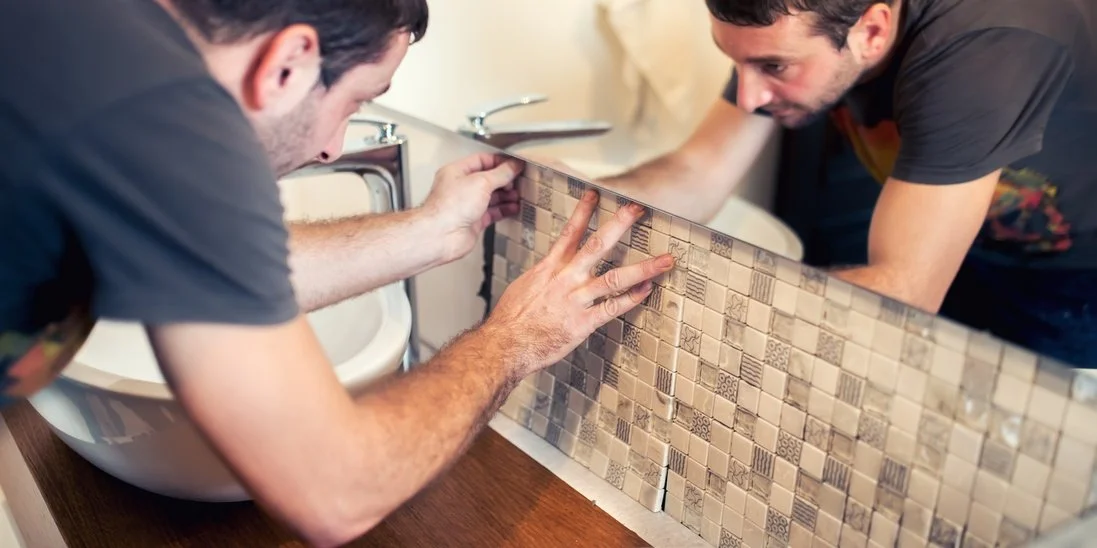
Wall surfaces need to resist humidity while offering visual appeal. Ceramic tile offers a timeless solution, while acrylic wall panels or glass panels provide a sleek, low-maintenance alternative. High-quality paint rated for bathrooms can also do the job. Use satin or semi-gloss finishes for better mildew resistance.
Stylish Vanity Surfaces
The vanity countertop sees frequent use and should be both attractive and durable. Quartz is a top contender—it resists stains and water damage, and doesn't require sealing. Solid surface materials like Corian also offer water resistance and a smooth, modern look. For a touch of luxury, consider using natural stones like granite or marble; however, these options require sealing and additional maintenance.
Showers and Bathtubs
In wet areas like showers and bathtubs, materials act as a barrier against water, helping to prevent the buildup of mold or mildew. One popular choice for these high-moisture areas is fiberglass. The benefits of fiberglass for showers and tubs include affordability, lightweight construction, and aesthetic versatility. It also repairs easily if scratched or chipped. Acrylic is another strong option, offering similar benefits with a slightly more polished finish.
Don't Forget the Details
Beyond the major surfaces, think about backsplash materials, shower niches, and shelving. Glass tiles, for example, add shine and color while resisting water. Open wood shelving should be sealed properly or swapped for powder-coated metal or composite materials that won't warp.
Ultimately, the best surfaces for every part of your bathroom combine aesthetics with moisture resistance and longevity. By choosing purpose-built materials for each zone, you'll enjoy a space that looks fresh and performs well for years.
Specialty Window Styles That Transform Your Home's Character
Windows are more than just functional elements that let in light and air—they're architectural features that define your home's personality and curb appeal. While standard rectangular windows serve their purpose, specialty window styles can dramatically transform your living space, creating visual interest and enhancing your home's unique character. Whether you're building new or renovating, exploring distinctive window options can elevate your home from ordinary to extraordinary.
Windows are more than just functional elements that let in light and air—they're architectural features that define your home's personality and curb appeal. While standard rectangular windows serve their purpose, specialty window styles can dramatically transform your living space, creating visual interest and enhancing your home's unique character. Whether you're building new or renovating, exploring distinctive window options can elevate your home from ordinary to extraordinary.
Bay and Bow Windows: Creating Dimensional Drama
Bay and bow windows are among the most impactful specialty styles for transforming interior and exterior spaces. These protruding window configurations extend beyond the wall plane, creating additional interior space while adding architectural depth to your home's facade. Bay windows typically feature three panels arranged at angles, while bow windows curve gracefully with multiple panels forming a gentle arc.
Inside your home, these windows create cozy nooks perfect for reading corners, breakfast seating, or display areas for plants and decorative items. The extended sill space provides valuable real estate for storage or decoration, while the angled glass maximizes natural light from multiple directions. From the outside, these windows add substantial visual weight and elegance, making even modest homes appear more grand and architecturally sophisticated.
Picture Windows: Framing Nature's Artwork
Picture windows serve as living artwork, offering unobstructed views of your outdoor landscape. These large, fixed panes of glass don't open, but they excel at bringing the outdoors inside and making rooms feel more spacious and connected to nature. They're particularly effective in rooms with stunning views—whether overlooking gardens, water features, or scenic vistas.
The key to successful picture window placement lies in considering both interior and exterior perspectives. Inside, they create focal points and can make smaller rooms feel dramatically larger. Outside, they break up large wall expanses and can be combined with other window styles to create compelling compositions. When positioned strategically, picture windows can capture specific views while maintaining privacy from neighboring properties.
Arched and Round Windows: Adding Graceful Curves
Curved windows introduce organic shapes that soften the angular lines typical in most home designs. Arched windows, with their classical appeal, work beautifully in traditional and transitional styles, while circular or oval windows can complement both contemporary and historic aesthetics. These shapes create visual interest and can serve as stunning architectural accents.
Arched windows are particularly effective above doorways, paired with rectangular windows, or used in gable ends where they follow the roofline naturally. Round windows work well as accent features, often highlighting specific interior spaces like stairway landings or creating interesting focal points in otherwise plain wall areas. The curved glass also creates unique light patterns throughout the day, adding dynamic visual elements to interior spaces.
Specialty Glass Options: Beyond Clear Views
The glass itself offers numerous opportunities for customization and character enhancement. Textured glass provides privacy while maintaining light transmission, making it ideal for bathrooms or street-facing windows. Stained glass, whether in traditional or contemporary patterns, adds color and artistic flair while creating beautiful light displays.
Frosted and etched glass options offer varying degrees of opacity and can incorporate custom designs or patterns. These treatments work particularly well in transitional spaces like entryways or interior windows between rooms.
Transom and Side Light Windows: Maximizing Light and Style
Transom windows positioned above doors or other windows add height and grandeur to openings while increasing natural light. These horizontal windows work particularly well in homes with high ceilings, drawing the eye upward and creating more dramatic proportions. Side light windows flanking doors or larger windows create balanced compositions while providing additional light.
These supplementary windows are excellent for maintaining privacy in main living areas while still allowing light penetration. They can also provide ventilation opportunities in areas where larger operable windows might not be practical or desired.
Choosing the Right Style for Your Home
Selecting specialty windows requires considering your home's architectural style, your lifestyle needs, and your budget. Traditional homes often benefit from classical shapes like arches and bays, while contemporary designs might favor clean-lined picture windows or geometric configurations. Consider how each window will function both as an interior feature and an exterior design element.
The investment in specialty windows pays dividends in both daily enjoyment and long-term home value. These distinctive features become signature elements that set your home apart, creating spaces that are both more beautiful and more functional than standard window configurations could achieve. Click here for info about specialty window options that can transform your living space.
5 Proven Multifamily Marketing Tactics to Boost Occupancy Rates
Renters often choose the property they notice first, even if it’s not the largest or most updated option. That’s because what they see first often shapes their impression, and many don’t take the time to compare every detail. In a fast-moving rental market, it’s not enough to just have a nice building or a clean unit. Renters now explore listings online, read reviews, check photos, and decide in minutes.
We partnered with a real estate company for this post. The opinions in the post are honest. All reviews and opinions expressed in this post are based on our personal views. We are excited because we know you will love it.
Renters often choose the property they notice first, even if it’s not the largest or most updated option. That’s because what they see first often shapes their impression, and many don’t take the time to compare every detail. In a fast-moving rental market, it’s not enough to just have a nice building or a clean unit. Renters now explore listings online, read reviews, check photos, and decide in minutes.
If your property doesn’t appear where they’re looking, you miss the chance. That’s why having a smart, simple marketing strategy is no longer optional. Whether you manage one location or several, your outreach plan must match how today’s renters think and act.
In this article, you’ll learn five practical tactics to reach more renters, earn their trust, and improve lease conversions. They are easy to implement and are designed to keep your property visible, attractive, and full.
1. Strengthen Your Website and SEO
Your website is often the first thing people see about your property. If it's slow, hard to read, or not built for mobile, visitors might leave before learning anything. A mobile-friendly website design, simple layout, and fast speed help people stay longer.
It’s also important to include the words people search for. Think about how renters type things into search—“2-bedroom near the city” or “pet-friendly apartments.” Using these phrases helps your site appear more frequently. Add floor plans, photos, short videos, and answers to common questions. A solid website works all day without needing a person behind it.
2. Run Targeted Paid Ad Campaigns
Ads can help your property appear in front of people who are ready to rent. Platforms like Google, Meta, and YouTube allow you to target by location, age, or interest. This means your message reaches those most likely to take action.
Some agencies focus entirely on the multifamily sector, helping apartment communities improve lease conversions through platform-specific ads, audience targeting, and creative updates. If you're searching for expert support tailored to this space, click here to explore a solution built specifically for multifamily marketing. These platforms offer account-level access, housing-compliant targeting, and real-time performance tracking.
They also provide fresh ad designs, regular reports, and direct support to help you save time and lower your cost per lead.
3. Promote Community on Social Media
People want more than just four walls—they want to feel part of something. Social platforms like Instagram and Meta are perfect for showing daily life at your property. Post about events, updates, new features, or even small wins like a new pool chair setup.
Simple clips, stories, and photos give a real look into what living there feels like. You don’t need a big budget. Just keep things honest, active, and warm. When people see a happy, active place, they feel more ready to say yes. Even current renters may help spread the word by sharing posts with friends. Adding a short resident spotlight once a week can also build more trust and engagement.
4. Build Trust and Retain Residents
Keeping a current renter is often easier than getting a new one. One way to do this is by showing people that their opinion matters. Ask for reviews from happy tenants and make sure to respond to both good and bad feedback.
Simple thank-you notes, small rewards for referrals, or discounts on lease renewals can make a big difference. Offering flexible lease options can also help residents who might be unsure about long stays. When people feel valued, they stay longer, complain less, and speak well of your property to others. It also reduces the cost and time spent on frequent turnovers.
5. Track Metrics and Refine Strategy
If you’re not tracking what’s working, you’re guessing. Use simple tools to measure how many people visit your website, how many click your ads, and how many become renters. This helps you know which part of your marketing is bringing results.
If one ad or post isn’t helping, you can stop it and test something else. Keep an eye on cost per lead and conversion rates. Look for trends over time. Making small changes based on real numbers will save money and lead to better results without needing more budget.
Final Thoughts
There’s no need to try everything at once. Start small, keep it steady, and build on what works. These five tactics help your property stay in front of the right renters, with less guesswork and more results. The more clearly you show what you offer, and the more places you show up, the easier it becomes to fill units and keep residents happy. Small efforts, done right, can lead to big changes. It’s not about doing more, but doing the right things well. Clear plans and regular actions bring steady, lasting growth.

Signs Your Home Is Wasting Energy (And What to Do About It)
Ever wonder why your energy bills keep creeping up even though you haven’t changed a thing? You’re not alone. Many homes lose energy every day without their owners even realizing it. Sometimes it’s a small draft. Other times, it’s a bigger issue, like outdated equipment or poor insulation. The good news? There’s usually a simple fix.
We partnered with a home improvement company for this post. The opinions in the post are honest. All reviews and opinions expressed in this post are based on our personal views. We are excited because we know you will love it.
Ever wonder why your energy bills keep creeping up even though you haven’t changed a thing? You’re not alone. Many homes lose energy every day without their owners even realizing it. Sometimes it’s a small draft. Other times, it’s a bigger issue, like outdated equipment or poor insulation. The good news? There’s usually a simple fix.
This guide will help you spot signs that your home is wasting energy—and give you practical ideas for what to do next.
1. Uneven Temperatures Between Rooms
If you notice one room in your home feels much warmer or colder than the others, something’s not right. Uneven temperatures usually point to air circulation problems or poor insulation in that part of the house. It could also mean your heating or cooling system isn’t reaching that area effectively.
You can start with easy fixes like checking for drafts around windows and doors. Adding thermal curtains or sealing gaps might help balance the temperature.
If the problem keeps coming back, consider using ductless heaters. These systems give you better control over the temperature in each room without needing ductwork. Ductless heaters can help solve this by letting you manage heat in each space individually. That way, you’re not wasting energy trying to heat rooms you’re not using.
2. Drafts You Can Feel (Even When the Windows Are Closed)
Feel a breeze even when all the windows are shut? That’s a clear sign of an air leak. Drafts are one of the most common energy-wasters in older homes. They let warm air escape in the winter and let hot air in during the summer.
Start by walking around with your hand near window edges, baseboards, and door frames. If you feel airflow, it’s time to act. Add weather stripping around doors. Use caulk to seal cracks near windows. You can also install door draft blockers or use thicker curtains during colder months.
These small upgrades can make your home feel more comfortable and reduce your energy bill at the same time.
3. Rising Energy Bills Without Any Lifestyle Changes
If your power bill is rising but you haven’t been using more electricity, that’s a red flag. It’s possible your home is using more energy than it should due to hidden issues.
Start by comparing your monthly bills. Look for trends—are they higher in specific months? Use an energy monitor to see which devices are using the most power. If you’re still unsure, schedule a home energy audit. A professional can inspect your home and spot things you might miss.
Once you know what’s causing the problem, you can fix it before your next bill shows up.
4. HVAC System Running Constantly
Your heating or cooling system should turn on and off throughout the day. If it seems like it’s running nonstop, something’s wrong.
This often happens when air filters are clogged or the system hasn’t been cleaned in a while. Dirty filters make your HVAC unit work harder, which uses more energy. In some cases, your system might be too small for your space, so it never stops running.
To fix this, change your air filters every 1–3 months. Schedule regular HVAC maintenance to keep everything working properly. If your unit is old or undersized, upgrading to a newer model could save you money in the long run.
5. Hot Water Runs Out Too Fast
Running out of hot water quickly might seem like a minor annoyance, but it’s also a sign of energy waste. Older water heaters often struggle to keep up, especially if they’re set too high or not insulated well.
Start by lowering the water heater temperature to 120°F. This is warm enough for daily use and safer, too. If your unit is older than 10 years, you might want to upgrade to a tankless model. Tankless water heaters heat water on demand and don’t waste energy storing hot water all day.
Adding an insulating blanket around your water heater can also help it hold heat longer.
6. Lights and Appliances Left On Too Often
We’ve all done it—walked out of a room and forgot to turn the light off. It might not seem like a big deal, but those little moments add up over time.
Start by building habits, like turning off lights when you leave a room or unplugging devices you’re not using. If that’s tricky, try adding smart switches or motion-sensor lights. These can turn off automatically when no one’s around.
Smart plugs are also a good option. They let you cut power to devices like TVs or gaming consoles when they’re not in use.
7. Old Appliances Still in Use
Appliances made 10 or 15 years ago weren’t designed with energy efficiency in mind. That fridge that’s still running fine? It could be costing you more than you think.
When you’re ready to replace an appliance, check for the Energy Star label. These products meet energy-saving standards and can cut your power use without changing your routine.
If buying all new appliances at once isn’t realistic, start with the ones you use most—like your washer, fridge, or dishwasher.
8. Poor Attic or Wall Insulation
Your home’s insulation plays a huge role in keeping energy in. If your attic, walls, or crawl spaces aren’t insulated well, heated or cooled air can escape.
One way to check is to touch your walls on a cold day. If they feel very cold, you might have poor insulation. You can also check your attic—if you can see the joists, you probably need more insulation.
Adding insulation is one of the most effective ways to improve energy efficiency. It doesn’t have to be expensive either. You can use spray foam, fiberglass rolls, or blown-in insulation, depending on your space.
Fixing energy waste doesn’t have to mean remodeling your entire home. Most of the issues on this list can be solved with small steps. Whether it’s sealing up a drafty window or upgrading to energy-smart tools, these changes can help lower your bills and make your home more comfortable. Start with just one improvement and you’ll likely see—and feel—the difference.

