

A resource for those seeking information on organizing and transforming spaces.

Common Mold Types Found in Singapore Homes
In Singapore, the humid climate is a common cause of mold growth in domestic homes. The warm temperature and the presence of dense moisture levels ensure favorable conditions for the development of mold. Not many homeowners know that the various forms of mold could impact their property in several ways. Some molds are the causative agents of mild allergies; others cause grave respiratory diseases. Thus, you should know the kinds of molds that can appear in the home setting. This guide provides insight into the prevalent types of molds that may be present in Singaporean homes, their impacts, and why prompt mold removal must be prioritized.
We partnered with a home improvement company for this post. The opinions in the post are honest. All reviews and opinions expressed in this post are based on our personal views. We are excited because we know you will love it.
In Singapore, the humid climate is a common cause of mold growth in domestic homes. The warm temperature and the presence of dense moisture levels ensure favorable conditions for the development of mold. Not many homeowners know that the various forms of mold could impact their property in several ways. Some molds are the causative agents of mild allergies; others cause grave respiratory diseases. Thus, you should know the kinds of molds that can appear in the home setting. This guide provides insight into the prevalent types of molds that may be present in Singaporean homes, their impacts, and why prompt mold removal must be prioritized.
1. Aspergillus
A typical mold found in Singapore is Aspergillus. It grows on wet walls, air conditioners, and food. This mould grows rapidly within warm, moist conditions, so homes in the tropics are very susceptible.
Key facts:
Found frequently in bathrooms and the kitchen.
It is capable of causing allergies.
Sometimes resulting in respiratory infections.
Exposure to Aspergillus can result in cough, wheezing, and skin irritation. The risks are higher in the case of individuals whose immunity is low. Thus, it should be eliminated as soon as possible, and the humidity inside the home should be low.
2. Cladosporium
Cladosporium can develop in warm and cool locations, hence it is very adaptable. It is frequently present in Singapore dwellings, where it is present in textiles, wood, and on windows.
Key facts:
Looks like black or olive-green spots.
It can provoke asthma.
Frequent in curtains and air ducts.
This mold sheds its spores into the air, which are easy to inhale. Nasal congestion, itchiness of the eyes, and a sore throat are seen in susceptible people. Its spread can be prevented by regularly cleaning the household fabrics and wooden furniture.
3. Penicillium
Penicillium feeds off the carpets, wallpaper, and insulation in which water-damaged materials are present. Although it is applied in the production of antibiotics, some of its species are poisonous to ingest.
Key facts:
Is it blue or green in velvet texture?
Generates powerful musty odors.
Associated with allergies and asthma attacks.
Penicillium is transferred rapidly by spores in the air. Consequently, early diagnosis is essential. When you can smell mustiness in your home, inspect dark, moist areas and check for hidden mold.
4. Stachybotrys (Black Mold)
One of the highly toxic types of mold that can occur in Singapore houses is Stachybotrys, or toxic black mold. It favors water-damaged materials and cellulose-rich materials like wood and paper.
Key facts:
Looks black or dark green.
Forms toxic mycotoxins.
Related to severe respiratory problems.
Acute cases lead to chronic coughing, headaches, and fatigue when exposed to on a long-term basis. It may also, in certain situations, impact the nervous system. Thus, it is highly recommended that professionals remove Stachybotrys.
5. Alternaria
Alternaria is a rapidly growing mold that tends to grow in the shower, under the sink, and also around the window. It may also manifest itself in highly exposed moisture in walls and tiles.
Key facts:
Dark green or brown in a fuzzy texture.
Gives allergic rhinitis and asthma attacks.
Grows rapidly in wet locations.
Alternaria grows fast to cover a big area in a few days. Its growth can be prevented by controlling the inside humidity and enhancing indoor ventilation.
6. Mucor
Mucor tends to be white or grey and thickly abundant. It is usually present in Singapore households' air conditioning systems, wet carpets, and moisture-prone walls.
Key facts:
Grows fast under wet conditions.
May result in respiratory infection.
Seen frequently in proximity to HVAC systems.
In isolated instances, Mucor may lead to mucormycosis, a fatal fungus. It should be prevented by regularly cleaning air conditioners and maintaining adequate moisture control.
7. Fusarium
Fusarium grows better in cooler and wet locations and can even survive in low temperatures. It tends to attach to carpets, fabrics, and wallpapers.
Key facts:
Looks pink, white, or reddish.
Gives skin rashes and respiratory irritation.
It can produce detrimental toxins.
Since Fusarium propagates not only through the surfaces but also with the help of the air, then leaks and the situation with moisture should be promptly resolved. Otherwise, it is capable of contaminating several locations at home.
8. Trichoderma
Trichoderma grows in wet wood, paper, and carpet materials. Although there are harmless species, others will destroy construction materials and give rise to allergies.
Key facts:
White or green in colour.
Makes enzymes that degrade wood.
It can bring on a cough and be irritating to the skin.
Besides the health hazards, Trichoderma may also destroy the wooden structures in your house. An immediate removal would keep the air quality and safety at an acceptable level.
9. Aureobasidium
Aureobasidium commonly occurs on painted walls, wood surfaces, and window frames. It may begin as pink or brown and thereafter acquire a black color.
Key facts:
Usual in damp, moist areas.
Irritates the skin and eyes.
Grows wallpaper and furniture.
Due to its ability to stain woods or painted surfaces, Aureobasidium might not be noticed for a long time. Inspections can help detect it early.
10. Chaetomium
Chaetomium is common in building structures damaged by water and has a strong musty odor. It develops on wooden buildings, wallpaper, and drywall.
Key facts:
The texture is cotton-like with a white start.
Blacks or darkens to green.
May result in breathing problems and skin complications.
It is a type of mold that can live in high humidity for quite a long time. The most suitable way to prevent them is to fix water leaks immediately.
Conclusion
The humid weather in Singapore exposes houses to molds, each causing various health and building hazards. Whether it is inconvenient common Aspergillus or deadly Stachybotrys, early detection and mold remediation can save your home and your health. It is essential to maintain good ventilation, keep the house dry by managing humidity, and repair water leaks to prevent this.
In severe cases, hiring a mold removal company in Singapore ensures safe and thorough elimination. Identifying these types of molds and their risks can help you achieve a healthier, safer, and cleaner living area where your family can reside. Even though mold can be found in humidity, this does not necessarily have to be the case in your house as long as proper caution is taken.
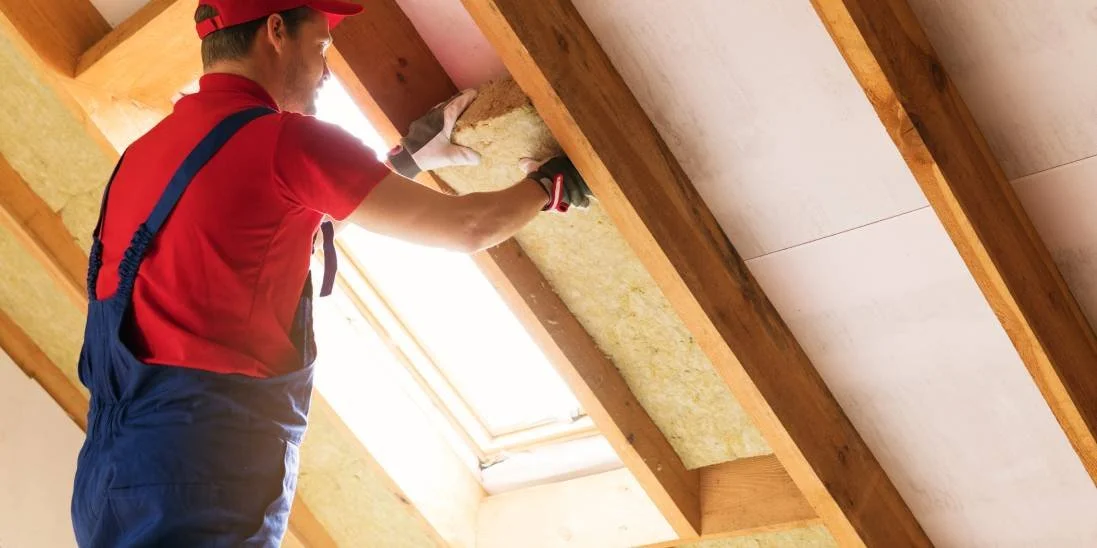
Best Practices To Reduce Humidity in Your Attic
If you notice signs of water damage in your attic, find out how to properly insulate and regulate humidity levels in your home with these maintenance tips.
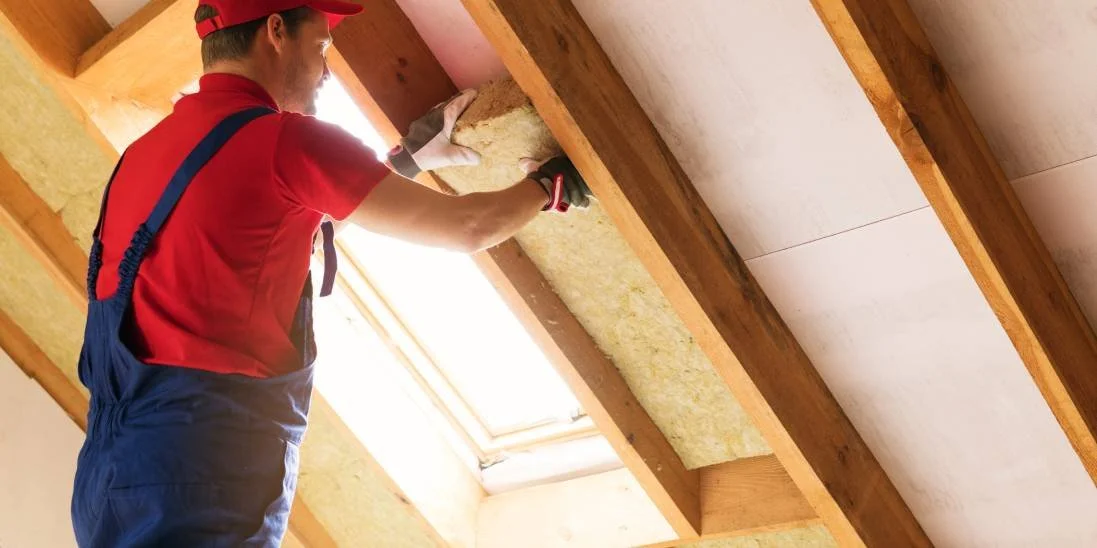
A hot, humid climate can take a toll on your home, especially your attic. High humidity levels can lead to mold growth, warped wood, and damage to your walls and ceilings.
By managing attic humidity, you can protect your home’s structure, keep the air inside healthier, and prevent the need for expensive repairs down the line. Follow these best practices to reduce the humidity in your attic and insulate and regulate your home’s temperature.
Ensure Proper Ventilation
Good air circulation effectively removes excess moisture in your attic. Install ridge vents and soffit vents if your attic needs ventilation support. These installments allow for continuous airflow that pushes out warm, moist air and brings in fresh air. Using attic fans can also improve ventilation so that the space stays cool even during hot summer months.
Seal Gaps and Leaks
Tiny openings in your roof, walls, or attic floor can allow moist air to seep in. Check for cracks, gaps, or unsealed ducts, particularly around plumbing vents, chimney openings, and light fixtures. Use caulk or weatherstripping to seal these areas and prevent excess moisture from entering and accumulating in your attic.
Insulate Your Attic
Invest in high-quality insulation to regulate the temperature in your attic and prevent warm, humid air from condensing on cool surfaces. Focus on areas such as the attic floor and roof deck, and consider adding a radiant barrier to reflect heat and reduce moisture buildup.
Control Moisture Sources
Humidity in other parts of your house often rises and accumulates in the attic. Minimize moisture buildup by keeping an eye on common sources throughout your home. Fix plumbing leaks, use exhaust fans in your kitchen and bathrooms, and avoid drying clothes indoors.
Additionally, incorporating preventative measures around your roof can mitigate rainwater-related moisture problems in your attic. Use flat roof drainage techniques if applicable, and check that your gutters and roof drainage systems are working properly.
Use a Dehumidifier
Dehumidifiers are effective if you live in a particularly humid climate or experience frequent rain. If excess moisture persists after insulating and checking the structure for damage, a dehumidifier will reduce the humidity in your attic for long-term support.
Consult With Professionals
If you’ve tried these best practices but continue to notice damp conditions, mold growth, or persistent water damage in your attic, it’s time to seek professional help. A licensed contractor or roofing expert can assess the situation, identify underlying issues, and provide tailored solutions to keep your attic dry and safe.

Taming The Medicine Cabinet: What To Keep, Toss, And Restock
Medicine cabinets are deceptively easy to ignore. Once you shut that door, all the clutter is nicely tucked away behind the mirror, never to be seen again — until next time. The fact is, having to face that clutter every single day doesn’t only make your life harder; it makes it more likely that you’ll run out of necessities, accidentally ingest expired products or actually become ill due to one of the above.

Medicine cabinets are deceptively easy to ignore. Once you shut that door, all the clutter is nicely tucked away behind the mirror, never to be seen again — until next time. The fact is, having to face that clutter every single day doesn’t only make your life harder; it makes it more likely that you’ll run out of necessities, accidentally ingest expired products or actually become ill due to one of the above.
No part of these scenarios needs to happen. Whether you’re doing a whole house decluttering or just trying to make a small little oasis in your bathroom, the medicine cabinet is an ideal place to begin. It’s small enough to be manageable and important enough to take priority over other organizing tasks. Let’s begin.
Start by Seeing What’s What
First, you need to get the big picture. Clear off a table, pull everything out of the medicine cabinet and lay it out. One by one, examine each item. If you’re like a lot of people, you’ll likely come across items you forgot about, duplicates, and things that expired years ago. That’s OK. That’s why you’re taking care of it now.
Now that the medicine cabinet is clear, it’s time to give it a thorough cleaning. Sticky spills and old residue tend to build up over time. You’ll be surprised how little spots accumulate. Get it as close to looking new as possible. If it’s worse for wear, consider treating yourself to a brand new medicine cabinet.
Check Dates and Let Go of What’s Expired
Medication doesn’t last forever. Expired pills and liquids can lose their effectiveness, or in some cases, even become unsafe. If the date is missing or the label is unreadable, lean toward caution and put it in a discard pile.
Wait, though: don’t flush medicine down the toilet unless the packaging specifically says it’s safe to do so. Instead, ask your local pharmacy or urgent care clinic if they participate in a medication disposal program, or follow FDA guidelines for sealing and tossing medications in household trash.
Sort What Stays by Function and Use
Now that you’ve cleared out what doesn’t belong, look at what’s left. Daily-use items such as pain relievers, allergy meds, and first-aid supplies should be stored within easy reach. If you have children in the home, make sure everything is stored out of reach or in a locked cabinet, depending on the items.
Group like items together so they’re easy to find when you need them. Think in categories: stomach relief, cold and flu care, wound care, and so on. Simple dividers or small bins can help without adding visual clutter.
Restock With Essentials, But Don’t Overbuy
Now’s the time to fill in gaps. Think about what your household has needed over the past year, especially during cold season or after minor injuries. It’s helpful to keep a digital or written list of essentials to check off as you restock.
Stick to basics that support common needs: pain relievers, bandages, thermometers, antiseptic cream, allergy medication, and fever reducers for kids if needed. Avoid the temptation to buy “just in case” items that you rarely use. That’s a fast path to cluttering things up again. A well-curated cabinet works better than a stuffed one full of things for some future situation that may never happen.
Plan for Easy Maintenance Year-Round
Once your medicine cabinet’s clean and organized, the goal is to keep it that way. Every three to four months, do a quick sweep for expired products or nearly empty packages. A seasonal reset — before cold and allergy seasons, for example — can keep your household better prepared and reduce those last-minute pharmacy runs.
A Small Habit That Pays Off Big
A clean medicine cabinet may seem like a small thing, considering all the organizing you may have planned, but it can save time, prevent waste, and make stressful moments easier to handle. Whether it’s a fever in the middle of the night or a scraped knee after school, having what you need, and where you expect to find it, makes a world of difference.
Take the time to get your medicine cabinet tidy now, and you’ll thank yourself over and over, every time you open the door.
AUTHOR BIO: Dr. Mark Durcan is Chief Medical Officer at ClearChoiceMD, which provides immediate care for adults, children, and infants at 21 convenient urgent care centers across New Hampshire, Maine, Massachusetts, and Vermont. Durcan has been a physician with ClearChoiceMD for over 10 years and has been Regional Medical Director since 2023 and Chief Medical Officer since 2024.
Sources:
https://homemadelovely.com/how-to-organize-a-medicine-cabinet-safely/
https://www.scripps.org/news_items/3037-6-tips-to-clean-out-your-medicine-cabinet
https://www.fda.gov/consumers/consumer-updates/where-and-how-dispose-unused-medicines

Sliding Doors vs Hinged Doors: Which Works Best for Small Spaces
Ever had to squeeze past a half-open bathroom door or strategically arrange furniture to accommodate a closet door's swing? You're not alone. In a small space, every square inch counts, and the wrong door can be a major space thief, quietly stealing precious floor area you didn't even realize you were losing.
We partnered with a home improvement company for this post. The opinions in the post are honest. All reviews and opinions expressed in this post are based on our personal views. We are excited because we know you will love it.

Ever had to squeeze past a half-open bathroom door or strategically arrange furniture to accommodate a closet door's swing? You're not alone. In a small space, every square inch counts, and the wrong door can be a major space thief, quietly stealing precious floor area you didn't even realize you were losing.
Picture this: you've finally found the perfect spot for that bookshelf, only to realize it blocks your bedroom door from opening fully. Or maybe you're doing the "door dance" every morning, carefully choreographing your movements around a swinging bathroom door just to reach the sink. These everyday frustrations highlight a truth that many homeowners overlook—the choice between sliding and hinged doors isn't just about style; it's about reclaiming your living space.
When space is at a premium, the battle between the traditional hinged door and the space-saving sliding door becomes critical. This decision can fundamentally transform how your room functions, flows, and feels. Making the right choice isn't just about aesthetics; it's about unlocking your home's hidden potential and turning cramped quarters into cleverly optimized spaces that work harder for you.
Let's dive into this tale of two doors and discover which one deserves a place in your small-space strategy.
The Familiar Friend: The Traditional Hinged Door
How It Works
The hinged door is the old reliable of the door world. Its mechanism couldn't be simpler: a door slab attached by two or three hinges to a sturdy frame, swinging gracefully into or out of a room. It's the door equivalent of a trusty friend—dependable, familiar, and always there when you need it.
The Pros: Why We Stick With It
Excellent Seal: When a hinged door closes, it settles snugly into its frame like a puzzle piece finding its perfect fit. This creates an almost airtight barrier that's your best defense against sound, light, and drafts. Whether you're trying to block out street noise or keep bathroom odors contained, nothing beats the sealing power of a properly fitted hinged door. For privacy-seekers, this is pure gold.
Ease of Installation: There's a reason hinged doors have been the standard for centuries—they're refreshingly straightforward to install. Most handymen can hang one in a few hours, and the hardware is readily available at any home improvement store. This translates to lower installation costs and fewer headaches, especially when you're working within a tight budget.
Wall Space Efficiency: Here's something that often gets overlooked—hinged doors are surprisingly kind to your wall real estate. They only claim a narrow strip of wall space for their frame, leaving the rest available for light switches, artwork, or that floating shelf you've been wanting to install.
The Major Con: The "Door Swing" Dilemma
But here's where our faithful friend shows its biggest weakness in small spaces. That graceful swing we mentioned? It creates what professionals call the "door swing zone"—an invisible arc of unusable floor space that extends into your room like a no-go zone for furniture.
Think of it as a slice of pie carved out of your floor plan. This area typically measures 6 to 9 square feet, and absolutely nothing can live there permanently. No chairs, no plants, no storage baskets. It's space held hostage by the door's movement, which in a small room can feel like losing a significant chunk of your precious real estate.
The Space-Saving Challenger: The Sliding Door
Different Ways to Slide
Sliding doors aren't a one-size-fits-all solution. Like a Swiss Army knife, they come in different configurations, each designed for specific challenges. Understanding these options is key to finding the right doors for pros and homeowners alike.
Sliding Styles: • Barn Door: Slides on an external track mounted above the opening, wearing its hardware like jewelry. It's both functional and fashionable, adding rustic charm while saving space. • Pocket Door: The Houdini of doors—it disappears completely into a cavity built within the adjacent wall. When open, it's as if the door never existed. • Bypass Doors: Two or more panels that slide past each other on parallel tracks, like a horizontal accordion. Perfect for wide closet openings where you need access to the entire space.
The Clear Advantage: Reclaiming Your Room
Here's where sliding doors shine like stars in a small-space constellation. The magic lies in two simple words: No door swing.
Instead of commandeering a chunk of your floor with its opening arc, a sliding door glides parallel to the wall, moving like a quiet ghost that doesn't disturb your furniture arrangement. This liberates an average of 9-10 square feet of floor space—space that was previously held prisoner by the door's swing pattern.
Imagine what you could do with that reclaimed territory. A reading chair could finally fit in that corner. Your dresser could move away from the wall, creating better flow around your bed. Suddenly, your small bedroom doesn't feel quite so small anymore.
The Trade-Offs to Consider
Of course, every hero has its kryptonite, and sliding doors come with their own set of considerations.
The Seal Isn't Perfect: Unlike their hinged cousins, sliding doors don't nestle snugly into a frame. They hover slightly away from their opening, creating small gaps that sound and light can sneak through. If you're hoping to block out your roommate's late-night TV watching or early morning coffee grinding, you might be disappointed.
Wall Space Requirement: Barn doors need a clear stretch of adjacent wall to call home—typically equal to the door's full width. That beautiful gallery wall you planned? It might need to relocate. This requirement can be a deal-breaker in rooms where every wall surface is already spoken for.
Installation Complexity: Here's where things get more involved, especially with pocket doors. Creating a wall cavity requires serious carpentry skills, often involving a contractor, drywall work, and potentially relocating electrical wiring. It's an investment that goes well beyond hanging a simple hinged door.
The Verdict: Which Door Wins Where?
Now comes the moment of truth. After weighing the pros and cons, how do you choose? The answer lies in understanding your space's specific needs and priorities. For doors for pros and savvy homeowners, the decision often comes down to a simple question: What matters most—privacy or space?
Choose a HINGED Door when...
Privacy is Paramount: In spaces where sound control matters—think master bedrooms, main bathrooms, or home offices where you take important calls—the superior sealing ability of hinged doors is non-negotiable. That extra sound barrier can mean the difference between peaceful sleep and restless nights.
Wall Space is Limited: If your room is surrounded by windows, built-ins, or other fixtures that leave no clear wall space for a slider to travel, a hinged door becomes your only viable option. Sometimes the space simply dictates the choice.
Choose a SLIDING Door when...
Every Inch of Floor Space is Critical: This is the deciding factor that tips the scales. In powder rooms where a swinging door would collide with the toilet, or in tiny closets where the door swing prevents you from accessing stored items, sliding doors become space-saving heroes. They're also perfect for laundry rooms where every square foot needs to accommodate appliances and storage.
You Want to Create a Flexible Space: Large sliding doors excel at creating adaptable environments. They can temporarily separate a small home office from a living area without permanently chopping up your open floor plan. It's like having a moveable wall that gives you the best of both worlds—openness when you want it, separation when you need it.
It's a Choice Between Space and Seclusion
The great door debate ultimately boils down to a fundamental trade-off: hinged doors offer superior privacy and sealing capabilities, while sliding doors deliver invaluable extra floor space that can transform how a small room functions.
Neither choice is inherently right or wrong—they're simply different tools for different challenges. The hinged door excels when you need that fortress-like barrier between spaces, while the sliding door shines when every square foot matters more than perfect sound isolation.
But here's the empowering truth: the right door does far more than simply open and close a room. It can redefine boundaries, unlock hidden potential, and transform cramped quarters into spaces that feel surprisingly generous and perfectly orchestrated. By choosing wisely, you're not just installing hardware—you're redesigning how your space works, flows, and welcomes you home each day. In the world of small spaces, that's nothing short of transformational.

