

A resource for those seeking information on organizing and transforming spaces.
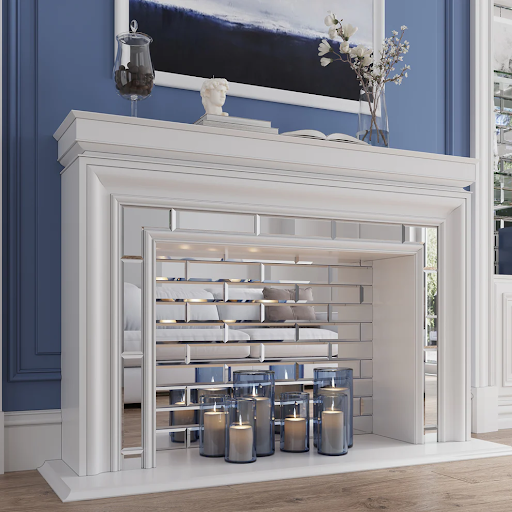
Transform a Boring Wall into a Center Piece With Mirror Tile
Are you ready to change a dull, boring space into a dazzling masterpiece? Mirror tiles are the perfect solution. Sometimes, paint feels too basic, and you want to add a personal touch to the space; here, mirror tiles come into the picture. These luxurious and reflective design pieces have the power to enhance any residential or commercial space. They are a classy and affordable choice.
We partnered with a home design company for this post. The opinions in the post are honest. All reviews and opinions expressed in this post are based on our personal views. We are excited because we know you will love it.
Are you ready to change a dull, boring space into a dazzling masterpiece? Mirror tiles are the perfect solution. Sometimes, paint feels too basic, and you want to add a personal touch to the space; here, mirror tiles come into the picture. These luxurious and reflective design pieces have the power to enhance any residential or commercial space. They are a classy and affordable choice.
Mirror tiles, along with a reflective surface, play with light, space, and texture beautifully. They bring shine to any small room, making it brighter and open. Along with appeal, these mirror tiles are robust, stain-resistant, and scratch-proof, excellent for any indoor walls. Add a shimmering beauty to the kitchen backsplash or highlight the shower walls. They are meticulously crafted and can upscale any room.
Whether it’s a kitchen, bathroom, living room, or bedroom, mirror tiles merge seamlessly into different spaces. They’re useful in narrow hallways, entryways, basements, home gyms, and smaller rooms that crave brightness.
This guide will discuss how this flexible tile can turn the atmosphere of your home decor.
Why Mirror Tiles Are a Design Secret?
Let us understand in detail the benefits of installing mirror tiles.
Bring Light:
Mirror tiles are a natural light booster. Install them opposite a window or light source; they bring an ample amount of light to the overall room. This makes space open and spacious. This simple way of adding the tiles can completely transform the rooms that struggle with darkness, such as hallways, entryways, or basements. Mirror tiles make the space expansive and airy.
Create Open Space:
Mirror tiles are a classic design trick to help small areas feel larger. Their reflective surfaces double the surrounding space, and they visually extend the space. This design trick is ideal for small spaces such as a small living room, a narrow hallway, and bathrooms, where every inch matters.
Offer a Texture and Dimension:
A plane wall can feel one-dimensional, and mirror tiles create an awe-inspiring play of light and shadow. It gives your surface a multifaceted texture. This shimmery look radiates luxury and dynamic character, evolving a simple wall into a living, breathing design element.
Flexible Choice:
One of the benefits is its flexibility. They come in a wide range of sizes and finishes, offering a sleek, modern look. The mirror tiles give a confident, bold, and magnificent look to indoor commercial and residential walls. They complement minimalist, bohemian, and bring a touch of glamorous style. It flawlessly blends in or stands out as a captivating design feature.
Where to begin with Mirror Tile?
Mirror wall tile can completely redesign your room with its glowing surface and stylish look. They work well in any kitchen, shower, bathroom, fireplace, or living room, etc, spaces. Their unmatched reflective property brings modern flair, open space, and breathtaking appearance. Along with looking good, these wall tiles are durable, flexible, and designed to deal with everyday use. They are a smart choice for home decor that enhances any space.
You can accentuate the look of the spaces below with Mirror Tiles:
Fireplace Surround:
Mirror tiles are an exceptional choice to decorate a fireplace surround. They transform the entire interior decor and create a unique, striking design element in the living room. This mirror tile brings the mesmerizing combination of light and fire, and upscale traditional fireplace into a modern and sleek space.
Feature Wall:
Use Mirror tiles to create a captivating feature wall in the living room or as an accent wall in the bedroom. Complement them with creative paintings or photo frames, which design the space and offer a vivid backdrop. The mirror tiles look innovative, fresh, and peaceful.
Dining Room:
In the dining room, mirror tiles bring an aura of class. Imagine them on the walls, reflecting light gracefully, creating a gorgeous look, along with style, durability, and flexibility. These tiles are a low-maintenance option and are built to last.
How To Clean Mirror Tiles?
Mirror tiles are not just a tile; they are a piece of design statement bringing undeniable luxury, glamour, and practicality. But like other tiles, they also need proper care and maintenance to keep their pristine condition. With the appropriate cleaning methods, you can maintain the flawless appearance of your tiles.
A Gentle Cleaner Solution is Ideal:
To clean the mirror tiles, choose ammonia-free glass cleaner or dish soap. Any rough or strong chemical cleaner will damage the finish of the tile. So it is better to avoid such products.
Choose Proper Cloth:
Make sure to choose the right cloth to avoid any watermarks on the surface of the mirror tiles. A microfiber or soft sponge is suitable for cleaning. Avoid the use of paper towels, rough fabrics, or pads, as they can scratch the surface of the tiles.
Clean the Spills Immediately:
Mirror tiles are an excellent choice for a bathroom or kitchen backsplash. They are the busiest spaces in the house, where water is constant. If there are any spills, oil, or grease on the surface, clean them quickly.
Protect Grout Lines:
Clean grout lines with mild tile cleaner and water. Don't scrub near the edges, as it can damage the grout. Using a soft sponge or cloth dipped in water helps to prevent any damage caused to the mirror tiles. Remember to dry the area immediately after cleaning.
Final Thoughts
A mirror tile’s focal wall is a beautiful way to bring luster and individuality into your home. With the proper positioning and design, mirror tiles can change the look and feel of a room. It turns a plain wall into a standout element. Careful installation ensures a clean finish that not only enhances your décor but also creates a relaxed atmosphere.
The best part? A mirror tile wall is simple to plan yet delivers impressive results. It's a perfect choice for those who desire an appealing look with low maintenance.

The Box You Never Unpack: Why Some Things Follow You From Move to Move Without a Place
Discover why the box you never unpack follows you through every relocation and what it reveals about memory, value, and habit.
Every move has its routines, its stresses, and its surprises. Yet in many households, one thing never changes—the box you never unpack. It sits quietly in a corner, travels from one home to another, but never fully opens. Some call it clutter. Others see it as a time capsule. Whatever the view, this box raises important questions about memory, value, and the attachments we hold onto without realizing it.
The Role of the Unpacking Checklist
A move feels incomplete without a clear plan. That is where an unpacking checklist comes in. It organizes priorities, places essentials in order, and helps you start fresh. The first few days after a relocation often run on structure: set up the bed, plug in the Wi-Fi, unpack the kitchen basics.
Yet even with the best unpacking checklist, there always seems to be one container that does not get addressed. It gets pushed aside while you focus on urgent tasks. Weeks later, it remains taped up, silently resisting the order you worked so hard to create. The presence of that box challenges the very purpose of the list, reminding us that some possessions resist organization.
Chasing a Clean Finish After a Move
Everyone dreams of a clean finish after a move, but reality often proves different. There are stray cables, old magazines, or childhood trophies that never quite find a home. The energy that drives unpacking fades after a few days. Every day routines take over, and small boxes are left in closets or basements.
When you wonder how to dispose of moving boxes after a relocation, this forgotten one is often left aside. Its contents sit unresolved, too sentimental to discard but too impractical to use. That contradiction makes it harder to fully close the chapter on one address before starting the next.
Why Sentimental Items Linger
Objects carry weight beyond their material form. A birthday card, a faded photo, or a souvenir from a forgotten trip stirs emotion. These items hold meaning that defies practicality. They may not match your décor or daily needs, yet they remain untouchable.
Think of the childhood drawing your mother saved, or the ticket stub from a concert that changed your teenage years. Those objects feel too small to frame yet too valuable to toss. They become permanent residents of the unending box, whispering reminders of who you once were.
The Cycle of Packing And Unpacking
The cycle of packing and unpacking reinforces attachment. Each move gives you another chance to decide, but the decision never comes. The simple act of wrapping, lifting, and transporting repeats the same story. Instead of breaking the chain, the process validates it.
Some people even begin to identify with the cycle itself. The box becomes part of their moving story. Friends joke about the “mystery container,” and family members recognize it as part of the household. Over time, the box stops being about its contents and starts being about tradition.
The Illusion of Future Use
Many people convince themselves they will use the items later. A box of craft supplies or old electronics feels too useful to throw away. This illusion of potential gives the items a strange kind of power. They represent possibility more than reality.
The longer they sit, the more the idea of use fades, yet the harder it becomes to let them go. A stack of CDs might sit untouched because “one day” you will buy a player again. That day rarely arrives, but the thought of it justifies keeping them. This mindset builds a cycle where boxes travel from move to move without ever offering practical value.
Procrastination in Disguise
The untouched box also represents avoidance. It is easier to slide it into storage than face decisions about what to keep or toss. This small act of procrastination feels harmless, but it accumulates over time. Each move reinforces the habit, turning one forgotten box into a symbol of delayed choices.
Sometimes the avoidance is emotional. Sorting through old letters or personal items can feel heavy. People avoid unpacking because they do not want to face feelings of regret, loss, or nostalgia. The longer those items stay hidden, the larger the emotional weight becomes.
Strategies That Make Unpacking Easier
You can break the cycle with strategies that make unpacking easier. Start by giving yourself deadlines. Assign each box a clear purpose before setting it down. If something lacks a defined space, ask yourself why.
Another helpful strategy is the “one-year rule.” If you have not used or even thought about an item for twelve months, it probably does not deserve another relocation. Instead of hiding them in a closet, face the items with intention. Sometimes the act of opening the forgotten container is enough to spark action.
Passing Boxes Across Generations
Sometimes, the Box You Never Unpack even survives beyond one person. Families inherit containers from parents or grandparents, filled with relics of another era. These boxes turn into inherited mysteries, where the meaning of each item is less about function and more about preserving a link to the past.
Opening them feels intrusive, leaving many untouched for decades. A stack of wartime letters or black-and-white photos may feel too important to handle, yet too distant to use. These inherited boxes often take on a sacred quality. They become symbols of family history, preserved more by silence than by deliberate care.
The Freedom of Letting Go
Breaking free from the cycle means permitting yourself to release. Donate what no longer serves you. Recycle papers or photographs by digitizing them. Pass heirlooms to someone who values them more.
The act of letting go does not erase memories. It creates space for new ones, and it clears the weight of objects that quietly tie you to past addresses. Many people describe an almost physical relief after clearing their forgotten boxes. The space feels lighter, and so does the mind.
The Story of the Box You Never Unpack
In every move, there is one constant—the box you never unpack. It may hold sentiment, procrastination, or a simple habit. It represents the human struggle to balance memory with practicality. While some boxes can and should stay sealed, most deserve to be opened, reviewed, and resolved.
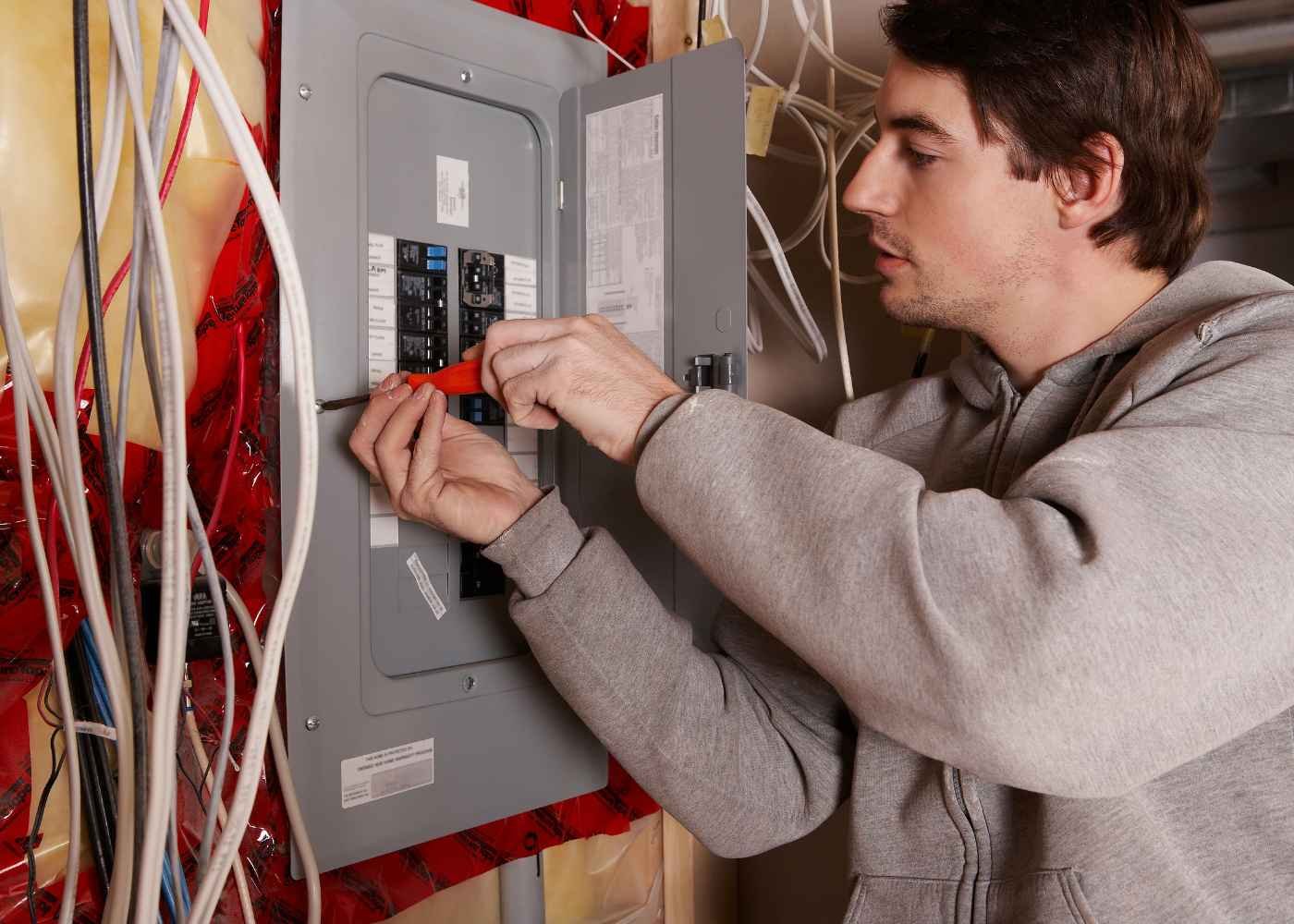
Why Your Home Needs an Electrical System Upgrade
Modern homes demand more from their electrical systems than ever before. From smartphones and laptops to electric vehicles and smart home devices, our daily lives depend on reliable electrical power. Many older homes struggle to meet these increased demands with outdated wiring and insufficient electrical panels.
Modern homes demand more from their electrical systems than ever before. From smartphones and laptops to electric vehicles and smart home devices, our daily lives depend on reliable electrical power. Many older homes struggle to meet these increased demands with outdated wiring and insufficient electrical panels.
An electrical system upgrade isn't just about convenience—it's about safety, efficiency, and preparing your home for the future. If your home is more than 20 years old, chances are your electrical system could benefit from modernization to handle today's power requirements safely and effectively.
Ensuring Family Safety and Fire Prevention
Outdated electrical systems pose serious safety risks that can endanger your family and property. Old wiring, overloaded circuits, and aging components significantly increase the risk of electrical fires and dangerous shock hazards.
Aluminum wiring, common in homes built between 1965 and 1973, can become loose over time and create dangerous hot spots. These connections can spark and ignite surrounding materials, leading to house fires that could have been prevented with proper upgrades.
Older electrical panels may lack modern safety features like arc fault circuit interrupters (AFCIs) and ground fault circuit interrupters (GFCIs). These protective devices detect dangerous electrical conditions and shut off power automatically, preventing fires and electrocution.
Upgrading your electrical system brings all components up to current safety codes. Modern wiring, grounded outlets, and advanced circuit protection provide multiple layers of safety that older systems simply cannot match.
Meeting Modern Power Demands
Today's households use significantly more electricity than homes from previous decades. Multiple computers, large-screen televisions, kitchen appliances, and charging stations for various devices create power demands that older electrical systems weren't designed to handle.
Older homes typically have 60 or 100-amp electrical service, which is insufficient for modern needs. Today's standard is 200-amp service, providing adequate power for all your devices without overloading circuits or causing frequent breaker trips.
Insufficient electrical capacity forces homeowners to daisy-chain extension cords and power strips, creating additional safety hazards. Proper electrical upgrades offered by companies like Gosling Electrical Service provide enough outlets and circuits to power your devices safely from dedicated electrical sources.
Air conditioning systems, electric water heaters, and other high-demand appliances require dedicated circuits to operate safely and efficiently. Upgrading your electrical system ensures these essential systems have the power they need without affecting other household circuits.
Increasing Property Value and Marketability
Electrical system upgrades represent one of the best investments you can make in your home's value. Updated electrical systems are major selling points that appeal to potential buyers and can significantly impact your home's market price.
Home inspections often reveal electrical deficiencies that can derail sales or require expensive negotiations. Proactive electrical upgrades eliminate these issues and demonstrate that your home has been properly maintained and modernized.
Insurance companies increasingly require electrical upgrades for older homes, and some refuse coverage entirely for homes with outdated systems. Modern electrical systems can lead to lower insurance premiums and ensure continued coverage availability.
Real estate professionals consistently rank electrical upgrades among the top improvements that add value to homes. The investment typically returns 70-80% of its cost when you sell, making it both a practical and financial smart choice.
Supporting Energy Efficiency Goals
Modern electrical systems operate more efficiently than older installations, reducing energy waste and lowering utility bills. Upgraded wiring and components minimize power loss and improve overall system performance.
LED lighting systems and energy-efficient appliances require modern electrical infrastructure to operate at peak efficiency. Older electrical systems may not provide the clean, stable power these devices need to deliver maximum energy savings.
Smart home technology and programmable devices help optimize energy usage throughout your home. These systems require adequate electrical capacity and proper wiring to function effectively and deliver promised energy savings.
Electric vehicle charging stations require 240-volt outlets and dedicated circuits that most older homes lack. Electrical upgrades prepare your home for electric vehicle ownership, an increasingly important consideration for modern homeowners.
Reducing Maintenance and Repair Costs
Older electrical systems require frequent repairs and maintenance as components age and fail. Upgrading to modern systems reduces these ongoing costs while improving reliability and performance.
Modern electrical components last longer and require less maintenance than older alternatives. Quality materials and improved manufacturing standards mean fewer service calls and unexpected electrical problems.
Proper electrical capacity prevents the wear and tear that occurs when systems operate at or beyond their limits. Adequate power distribution extends the life of appliances and devices throughout your home.
Professional electrical upgrades often come with warranties that protect your investment and provide peace of mind. This coverage can save thousands in repair costs if problems develop with your upgraded system.
Making the Smart Choice
Electrical system upgrades represent an investment in your family's safety, your home's value, and your daily quality of life. While the upfront cost may seem significant, the long-term benefits far outweigh the initial expense.
Modern electrical systems provide the foundation for safe, efficient, and comfortable living in today's connected world.
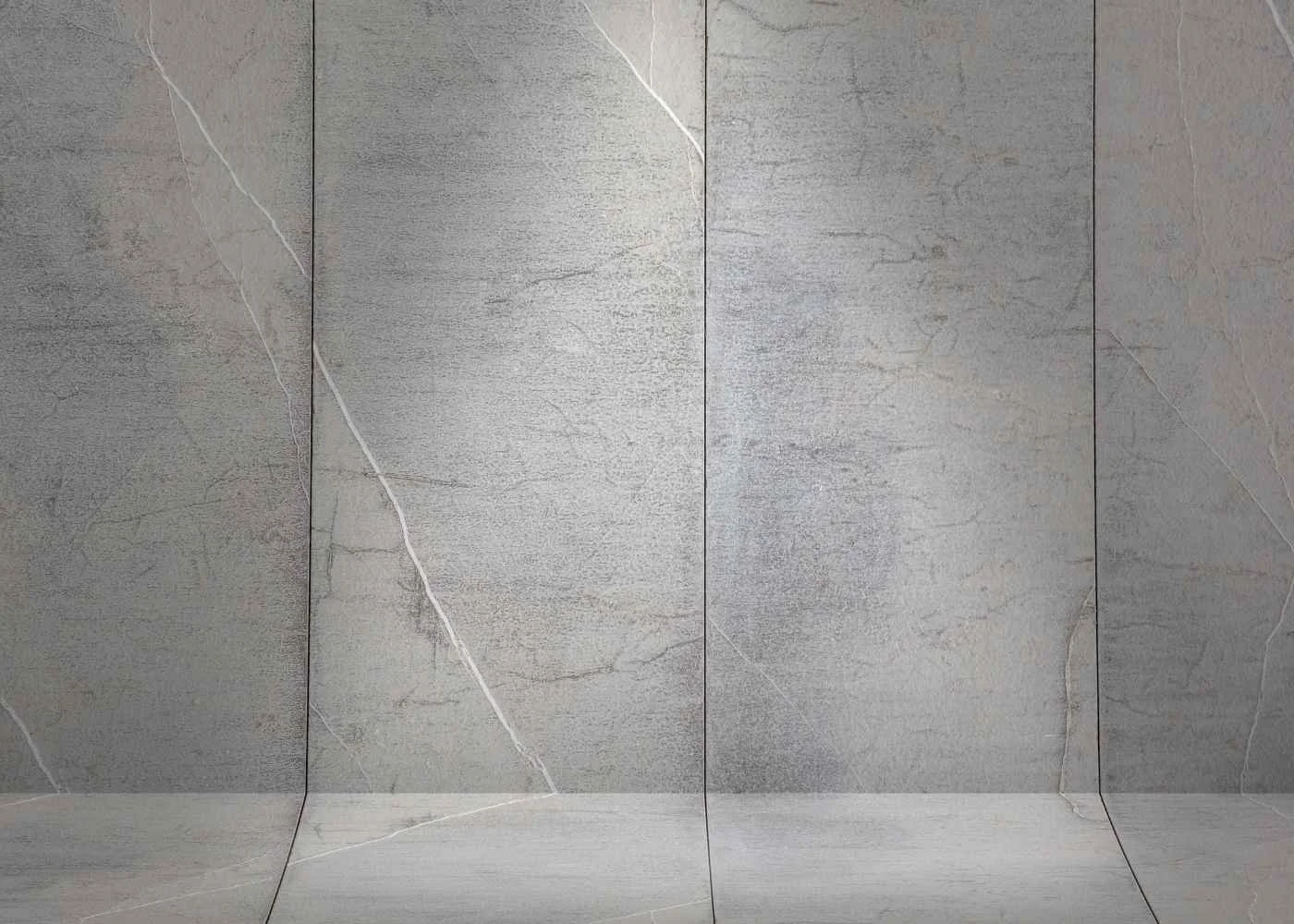
How Natural Stone Integration Enhances Your Home's Beauty and Value
Natural stone has graced the world's most beautiful buildings for thousands of years, from ancient temples to modern luxury homes. Today, homeowners can bring this timeless elegance into their own spaces through thoughtful stone integration. Whether used for countertops, flooring, or accent walls, natural stone transforms ordinary rooms into extraordinary spaces while adding lasting value to your property.
Natural stone has graced the world's most beautiful buildings for thousands of years, from ancient temples to modern luxury homes. Today, homeowners can bring this timeless elegance into their own spaces through thoughtful stone integration. Whether used for countertops, flooring, or accent walls, natural stone transforms ordinary rooms into extraordinary spaces while adding lasting value to your property.
The beauty of natural stone lies in its unique character—no two pieces are exactly alike. This individuality, combined with stone's durability and versatility, makes it an investment that pays dividends in both daily enjoyment and long-term home value.
Creating Timeless Visual Appeal
Natural stone from companies like Maestro Surfaces (Allied Group) brings an unmatched sense of luxury and sophistication to any space. Unlike manufactured materials that can look dated within a few years, stone maintains its beauty across decades and design trends.
Each type of stone offers distinct visual characteristics. Marble provides elegant veining and luminous surfaces that catch and reflect light beautifully. Granite delivers bold patterns and rich colors that create stunning focal points in kitchens and bathrooms.
Travertine and limestone offer subtle, neutral tones that complement both traditional and contemporary design styles. These stones create calming, spa-like atmospheres that never go out of style.
The natural variations in color, texture, and pattern mean your stone installation will be completely unique. This exclusivity adds character and personality that manufactured materials simply cannot replicate.
Increasing Long-term Property Value
Real estate professionals consistently rank natural stone among the top features that boost home values. Stone installations typically return 70-80% of their investment cost when you sell your home.
Kitchen countertops made from granite or quartz command premium prices in today's market. Buyers specifically seek out homes with stone surfaces, viewing them as signs of quality construction and luxury finishes.
Bathroom renovations featuring natural stone consistently rank among the highest value-adding improvements. Stone shower surrounds, vanity tops, and flooring create spa-like retreats that appeal to discerning buyers.
Stone installations also signal to potential buyers that the home has been well-maintained and upgraded with quality materials. This perception can lead to faster sales and higher offers when you decide to move.
Providing Exceptional Durability
Natural stone's longevity makes it one of the most cost-effective home improvement materials over time. Properly installed stone can last centuries with minimal maintenance, unlike other materials that require regular replacement.
Granite and quartzite resist scratches, heat, and stains better than most synthetic alternatives. These properties make stone ideal for high-use areas like kitchen countertops where durability matters most.
Stone flooring withstands heavy foot traffic without showing wear patterns. Unlike carpeting or vinyl that requires replacement every 5-10 years, stone floors can look beautiful for generations with basic care.
Weather resistance makes stone perfect for both interior and exterior applications. Stone patios, walkways, and facades maintain their appearance through all seasons without fading, cracking, or deteriorating.
Enhancing Design Versatility
Natural stone adapts to virtually any design style, from rustic farmhouse to sleek contemporary. This versatility allows you to update your décor without replacing stone elements, protecting your investment over time.
Large-format stone slabs create clean, modern looks with minimal grout lines. These installations work perfectly in contemporary kitchens and bathrooms where simplicity and elegance are priorities.
Smaller stone tiles and mosaics add texture and visual interest to accent walls, backsplashes, and shower surrounds. These applications allow you to incorporate stone into your design without major renovation costs.
Stone can be finished in multiple ways to achieve different looks. Polished surfaces reflect light and create formal elegance, while honed or tumbled finishes provide subtle texture and casual sophistication.
Supporting Sustainable Living
Natural stone represents one of the most environmentally responsible building material choices available. Stone quarrying and processing require minimal chemical treatments compared to manufactured alternatives.
Local stone sourcing reduces transportation environmental impact while supporting regional economies. Many areas offer beautiful native stones that complement local architectural styles perfectly.
Stone's longevity means fewer replacements over your home's lifetime, reducing waste and resource consumption. A stone installation today can serve multiple generations of homeowners without replacement.
Indoor air quality benefits from stone's natural composition. Unlike some synthetic materials, stone doesn't emit volatile organic compounds (VOCs) or other chemicals into your home's air.
Requiring Minimal Maintenance
Despite its luxurious appearance, natural stone requires surprisingly little ongoing maintenance. Simple daily care keeps stone looking beautiful for decades.
Regular cleaning with mild soap and water maintains most stone surfaces perfectly. Unlike other materials that require special cleaners or treatments, stone care is straightforward and inexpensive.
Annual sealing protects porous stones like marble and limestone from stains and moisture damage. This simple preventive step ensures your stone investment maintains its beauty and performance.
Professional restoration can refresh stone surfaces if needed, but properly maintained stone rarely requires major intervention. This low-maintenance characteristic adds to stone's long-term value proposition.
Making the Investment
Natural stone integration represents a smart investment in your home's beauty, functionality, and value. While initial costs may be higher than alternatives, the combination of durability, timeless appeal, and strong resale value makes stone an excellent long-term choice for discerning homeowners who want to enhance their living spaces with materials that truly stand the test of time.

