

A resource for those seeking information on organizing and transforming spaces.

Renting vs. Buying a Luxury Apartment: Which Offers Better Financial Flexibility?
Deciding where, and how, to live is one of the most important financial choices you’ll ever make. For those considering luxury apartments, the question becomes even bigger: should you commit to ownership or keep things flexible by renting?
We partnered with a real estate company for this post. The opinions in the post are honest. All reviews and opinions expressed in this post are based on our personal views. We are excited because we know you will love it.

Deciding where, and how, to live is one of the most important financial choices you’ll ever make. For those considering luxury apartments, the question becomes even bigger: should you commit to ownership or keep things flexible by renting?
Buying a home may feel like the traditional “grown-up” move, but tying up a large portion of your wealth in one property isn’t always the smartest play — especially in a market where interest rates, job opportunities, and lifestyles change fast. Renting, on the other hand, can free up cash flow and keep your options open — but you won’t build equity.
So which choice makes sense for 2025? Let’s break it down step by step, comparing upfront costs, monthly commitments, and long-term flexibility so you can choose the option that supports your financial goals.
Upfront Costs: Down Payment vs. Security Deposit
Buying a luxury apartment requires a serious upfront investment — often 20% down plus closing costs, inspection fees, property taxes, and homeowner association dues. That’s money that becomes tied up in one asset for years.
Renting significantly lowers the entry barrier. Most luxury communities ask for a first month’s rent and a refundable security deposit. Some even offer incentives like waived application fees or move-in specials.
Communities like daltonapartmentsmckinney.com make it easier for residents to access upscale living without the financial strain of a six-figure down payment. Their apartments don’t just save you money up front — they deliver a resort-level experience with features like:
Resort-style swimming pool and rooftop lounge for relaxation
Golf and sports simulator for unique on-site recreation
State-of-the-art fitness center and business conference spaces
Modern interiors with quartz countertops, wine racks, and stainless-steel appliances
These perks turn renting into a lifestyle choice rather than just a financial one.
Monthly Commitment: Predictable vs. Variable Expenses
Mortgages lock you into a payment schedule for decades — and that’s before you factor in rising property taxes, insurance premiums, and surprise maintenance costs. A sudden roof repair or HOA assessment can easily throw off your budget.
Renters, on the other hand, enjoy a single predictable payment each month, often covering not just the apartment but also amenities and some utilities. This keeps your cash flow more consistent and makes budgeting easier, freeing you to spend on experiences, investments, or savings goals.
Long-Term Value: Equity vs. Opportunity Cost
Buying does build equity, but it also ties up a large amount of capital in one asset. That money becomes harder to access unless you refinance or sell — both of which take time and can be market-dependent.
Buying means:
Equity growth as you pay down your mortgage
Potential appreciation if the market rises
Risk of property value dips, reducing your net worth
Renting means:
Cash remains liquid and easy to redirect into other investments
No risk of being “house poor” or over-leveraged
Flexibility to adjust your housing budget as life changes
Lifestyle Flexibility: Stay or Go
Luxury apartment leases usually run 12–18 months, giving renters the ability to upgrade, downsize, or move for work without long-term consequences.
Renting offers:
Quick transitions between neighborhoods or cities
Ability to test-drive an area before committing long-term
No stress of listing, staging, and waiting for a sale
Buying requires:
Time and effort to list, sell, or rent out your home
Potential overlap of mortgage payments and new housing costs
Longer timelines that make relocation less spontaneous
Maintenance and Responsibility: Hands-On vs. Hands-Free
Owning property puts you in charge of every repair and upkeep task, from leaky faucets to full appliance replacements.
Owners handle:
Maintenance scheduling and costs
Seasonal tasks like landscaping or pest control
Emergency repairs that can disrupt budgets
Renters enjoy:
On-site maintenance teams that fix issues quickly
No surprise expenses for major repairs
The ability to focus on lifestyle instead of property upkeep
When Buying Still Wins
While renting offers flexibility, there are clear scenarios where buying is the smarter long-term move. Ownership can be financially rewarding if:
You plan to stay put for at least 5–7 years. This allows enough time for equity growth to offset closing costs and market fluctuations.
You want full creative control. Owning lets you renovate, customize, and design your space without landlord restrictions.
You value long-term stability. A fixed-rate mortgage locks in predictable housing costs, shielding you from rising rents.
You’re focused on wealth-building. Property appreciation, mortgage interest deductions, and the ability to leverage your home’s equity can all contribute to growing your net worth.
For some, the emotional satisfaction of ownership and the sense of permanence it provides outweighs the extra responsibility and cost.
Wrap-Up
Renting and buying both have their strengths, but the right answer depends on your financial goals and life stage. Renting gives you liquidity, predictability, and freedom, while buying gives you equity, control, and long-term stability.
In many cases, renting a luxury apartment provides the best balance of comfort and financial flexibility — especially if you value mobility and want to keep cash free for investments or future opportunities. The key is choosing the option that supports where you are now — and where you want to be next.

How Vehicle Shipping Quotes Are Calculated by Experts
Planning the transport logistics and determining the cost of moving a vehicle should be straightforward with us. Vehicle shipping quotes also differ from one shipping company to another based on many factors. These factors will guide consumers in choosing what to look for when searching for transport services.
We partnered with a moving company for this post. The opinions in the post are honest. All reviews and opinions expressed in this post are based on our personal views. We are excited because we know you will love it.

Planning the transport logistics and determining the cost of moving a vehicle should be straightforward with us. Vehicle shipping quotes also differ from one shipping company to another based on many factors. These factors will guide consumers in choosing what to look for when searching for transport services.
Distance and Location
One of the most prominent elements in a vehicle shipping quote is the distance between the pickup and delivery locations. Travelling longer distances typically raises prices, as they are based on fuel and how much time a driver has to travel to a business. We often see more competitive rates in the city limits, with higher demand and better access. On the other end of the spectrum, expenses for hard-to-reach places may significantly increase because there are only so many routes, and it may get tricky to reach these areas.
Type of Vehicle
Vehicle characteristics such as essential weight play an important role. Larger and heavier vehicles cost more to ship than smaller compact cars, such as trucks or SUVs. High-end and vintage cars may need special handling, affecting the price. Those interested in transporting a fancy car will also have to consider the need for enclosed transport, thus raising the cost even further.
Transport Method
The type of shipping method depends and usually revolves around open and enclosed transport. Open transport is often cheaper when a vehicle is not covered but exposed to the elements. While enclosed transport is the safest way to ship vehicles, it also comes with a price tag. The choice is according to the car value and the person's preference.
Season and Timing
Some seasons cost more for vehicle shipping. Some seasons, like summer or the holidays, can increase demand, raising prices. While some may still be required to pay the night fees, shipping orders off-peak can save funds. Also, booking at the last minute can be costly, as those who book it will be charged a higher fee.
Fuel Prices
Changes in fuel prices lead to alterations in shipping rates. Transport companies are adjusting their rates to account for the extra costs when the gas prices go up. Being aware of the latest trends in fuel may allow consumers to anticipate when shipping quotes will be affected.
Carrier Availability
Carrier availability in an area can also affect costs. An increase in available carriers could result in lower rates. On the flip side, scarcity might raise prices. Consumers love to know more about different carriers for the best rate.
Insurance and Liability
A key part of vehicle shipping is insurance coverage. Most offer basic coverage; some may require extra insurance (e.g., high-value cars). The total quote directly correlates with the sum insured. Knowing the terms of the liability assists consumers in choosing the right kind of insurance coverage according to their needs.
Delivery Speed
The faster you want your order, the more it costs. When companies are racing to meet deadlines, faster delivery options are chosen, which increases the rates. Standard shipping is better for more budget-conscious people who are willing to wait for their goods. The best choice largely depends on urgency versus budget.
Condition of the Vehicle
Operational status affects transport logistics. If the vehicle is not operational, special loading and unloading equipment must be used, and some shippers may charge you extra for this. Keeping the care operational prevents additional charges and eases vehicle shipping.
Additional Services
Not all consumers demand the same service. Some need a door-to-door service or real-time tracking. However, all these conveniences also extract their pound of flesh. This can help with budgeting by assessing whether those services are really needed.
Conclusion
Every car consumer in the market for shipping their vehicle should know how vehicle shipping quotes are calculated, and they can do that by reading this article. By taking distance, the type of vehicle, and the transport method into consideration, individuals can better prepare for expenses. Awareness of seasonal trends, fuel prices, and carrier availability can help further inform planning. A reliable vehicle transport company will guarantee a seamless vehicle delivery process, ensuring no extra costs.

Top 12 Best Pest Control Companies in Toronto (2025 Guide)
Pest problems in Toronto are on the rise—from summer ants and wasps to fall mice and cluster flies, and even winter wildlife intrusions. With demand higher than ever, choosing the right pest control company is critical for fast, effective, and humane solutions.
Pest problems in Toronto are on the rise—from summer ants and wasps to fall mice and cluster flies, and even winter wildlife intrusions. With demand higher than ever, choosing the right pest control company is critical for fast, effective, and humane solutions.
We’ve reviewed ratings, seasonal performance, and customer feedback to create a list of the top pest control companies in Toronto for 2025—complete with pros and cons to help you pick the best fit.
Icon Pest Control Toronto
⭐ 4.9 (500+ reviews)
Pros:
Strong local presence across the GTA with specialized wildlife removal
Popular for seasonal treatments (e.g., cluster flies in fall, ants in summer)
Residential and commercial expertise
Humane methods for raccoons, squirrels, and skunks
Competitive pricing and frequent promotions
Cons:
High demand during peak pest seasons can mean longer wait times
Focused mainly on GTA (not nationwide)
☎ +1 647-325-9060
Pestend Pest Control Toronto
⭐ 4.9 (1,351 reviews)
Pros:
One of the most reviewed pest control companies in Toronto
24/7 service availability
Licensed, insured technicians with humane solutions
Wildlife + general pest expertise
100% money-back guarantee
Cons:
Some feedback about service thoroughness
Trap replacement may require repeat visits (extra cost)
☎ +1 416-319-5880
Pestigo Pest Control Toronto
⭐ 5.0 (451 reviews)
Pros:
5-star average rating with strong customer trust
Affordable pricing with a 6-month guarantee
Friendly, professional staff praised for thoroughness
Reliable and punctual service
Cons:
Newer company compared to national chains
Limited strictly to the GTA
☎ +1 416-417-2242
Promax Pest Control Toronto
⭐ 5.0 (105 reviews)
Pros:
Perfect 5-star rating
Quick response and professional service
LGBTQ+ and trans-friendly business
Offers wildlife and residential services
Cons:
Lower review volume
Primarily focused on residential/wildlife
☎ +1 647-239-0762
Abell Pest Control Toronto
⭐ 4.9 (437 reviews)
Pros:
Nationally recognized pest control brand
Over 90 years in business
Handles residential, commercial, and industrial accounts
Cons:
Premium pricing
Service can feel less personalized
☎ +1 416-299-6400
Advantage Pest Control Toronto
⭐ 4.4 (129 reviews)
Pros:
20+ years of local experience
Competitive pricing
Online estimates available
Cons:
Slightly lower rating than competitors
Closed on Sundays
☎ +1 416-297-8010
Provincial Pest Control Toronto
⭐ 4.9 (285 reviews)
Pros:
24/7 service with high ratings
Multilingual support
LGBTQ+ friendly
Quick online quotes
Cons:
Less recognized brand than large chains
Fewer specialty services
☎ +1 647-224-7378
GTA Toronto Pest Control
⭐ 4.9 (359 reviews)
Pros:
Trusted across Etobicoke & GTA West
Wildlife and insect control specialists
Fast response
Cons:
West Toronto focus
Appointment only
☎ +1 416-907-4270
TSR Pest Control & Wildlife Removal Toronto
⭐ 4.9 (599 reviews)
Pros:
Excellent reputation with hundreds of positive reviews
24/7 availability and online estimates
Wildlife removal expertise
Cons:
Newer compared to legacy companies
More focused on wildlife
☎ +1 416-268-3408
Acme Pest Solutions Toronto
⭐ 5.0 (137 reviews)
Pros:
5-star rating
Bird, animal, and wildlife control
24/7 emergency service
Cons:
Smaller team
Limited specialized insect treatments
☎ +1 416-453-2444
Bed Bug Exterminator Toronto
⭐ 4.8 (36 reviews)
Pros:
Bed bug specialist company
Effective inspection and removal services
Cons:
Only treats bed bugs (not general pests)
Closed weekends
☎ +1 647-492-5119
AAA Gates’ Wildlife Control Toronto
⭐ 5.0 (203 reviews)
Pros:
Highly rated for humane wildlife removal
Strong customer testimonials
Non-lethal animal control
Cons:
Wildlife-focused, not general pest control
Higher pricing for specialized services
☎ +1 416-750-9453
✅ Choosing the Right Pest Control Company in Toronto
For seasonal, humane, and wildlife services: Icon Pest, AAA Gates’, or GTA Toronto Pest Control
For bed bugs: Bed Bug Exterminator Toronto
For comprehensive pest control + strong guarantees: Pestend or Pestigo
For trusted national coverage: Abell Pest Control
For budget-friendly & personalized services: Provincial, Advantage, or Promax
📌 Final Thoughts
With Toronto’s shifting pest patterns each season, the best pest control company for you depends on whether you need general pest elimination, wildlife removal, or targeted services like bed bug extermination. For pest control companies, having a strong online presence is key to attracting local clients — agencies like Zigma Internet Marketing specialized in pest control SEO can help improve SEO, run targeted campaigns, and grow visibility in the competitive Toronto market.
👉 Tip: Always check current promotions (many companies like Icon Pest run seasonal discounts) and confirm guarantees before booking.

4 Must-Have Features That Make Modern Apartments Feel Like Home
Think about the last time you walked into a space that instantly felt “right.” Maybe it was the natural light, the thoughtful layout, or the way everything just worked. That’s what makes an apartment feel like home. For a fact, it is not just the walls and furniture but the details that support your routine and make daily living more comfortable.
We partnered with a home improvement company for this post. The opinions in the post are honest. All reviews and opinions expressed in this post are based on our personal views. We are excited because we know you will love it.
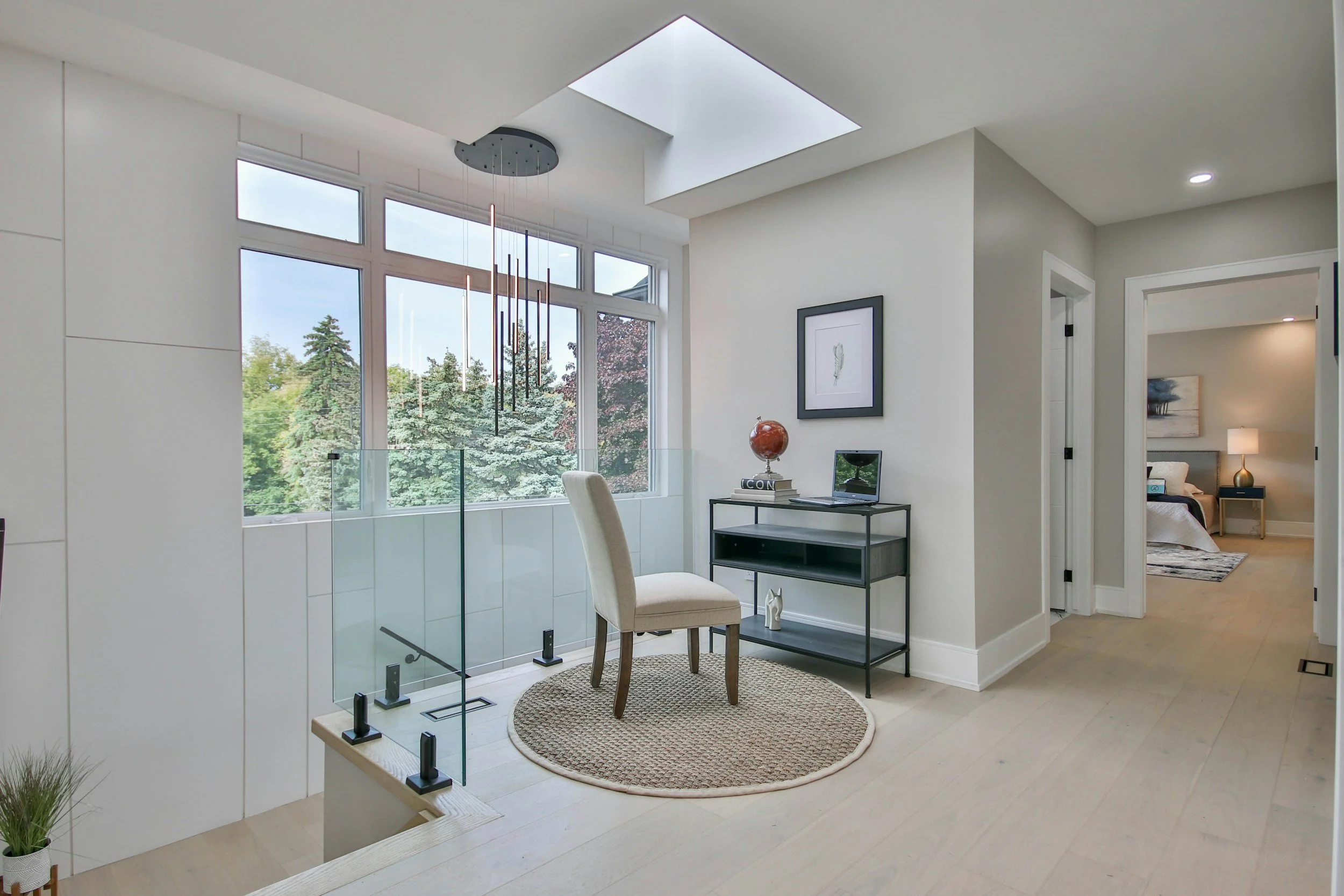
Think about the last time you walked into a space that instantly felt “right.” Maybe it was the natural light, the thoughtful layout, or the way everything just worked. That’s what makes an apartment feel like home. For a fact, it is not just the walls and furniture but the details that support your routine and make daily living more comfortable.
Well, modern apartments are being designed with this in mind, be it in Kissimmee or any other place. Their right features can transform a rental into a space that feels personal and welcoming. Having said that, here are four essentials that make the difference.
Dive into the article!
1. Floor Plans That Adapt to Real Life
The floor plan is more than just a blueprint. It dictates how you’ll live day to day. A poorly designed layout can make even a large apartment feel cramped. On the other hand, a well-planned one ensures every square foot is used efficiently.
Modern communities now offer a variety of layouts tailored to different lifestyles. For example, one-bedroom apartments may suit professionals who want cozy, manageable spaces. Two- or three-bedroom layouts are ideal for families or roommates.
Then there are carriage-style homes. They combine the privacy of a townhouse with the convenience of apartment living, often including private garages and two levels of living space.
Trusted communities like Solaris in Kissimmee showcase these kinds of thoughtful designs, giving residents flexible spaces that match their everyday routines. You can learn more about it on their page in detail, including what well-planned layouts look like, supporting different lifestyles. In fact, their blueprints make it easier to entertain friends, create a work-from-home corner, or simply enjoy the freedom of moving through a space that feels open and practical.
2. Kitchens That Combine Style and Practicality
The kitchen has evolved into a central hub of the home. It’s where family meals are made, late-night snacks are found, and friends gather during parties. For a fact, a well-designed kitchen not only looks appealing but also makes daily tasks easier.
Today’s modern kitchens often feature quartz countertops, which are durable, easy to clean, and resistant to scratches. Turns out, they are perfect for both amateur cooks and seasoned foodies. Stainless-steel appliances bring a sleek, contemporary touch while also offering reliability. Custom cabinetry provides plenty of storage so your counters stay uncluttered.
And in some layouts, large kitchen islands serve multiple roles:
Breakfast bar in the morning,
Workspace in the afternoon, and
Social gathering spot in the evening.
This balance of aesthetics and utility ensures your kitchen doesn’t just impress at first glance. Besides, it continues to deliver long after you’ve moved in.
3. Smart Features That Simplify Daily Living
Technology has become an essential part of modern life, and apartments are keeping up. Features like smart thermostats, keyless entry systems, and USB charging ports may seem like small details. However, they make a big difference in everyday convenience.
Imagine adjusting your thermostat from your phone before you leave work, so you arrive home to the perfect temperature. Or using keyless access so you never have to fumble with a ring of keys again. Built-in internet wiring ensures faster, more reliable connections for remote work or streaming. Even simple additions like USB outlets make it easier to stay connected without hunting for adapters.
These upgrades add comfort and save you time and energy. In a world where people are juggling work, family, and personal commitments, smart features provide a seamless way to keep everything under control.
4. Amenities That Nurture Wellness and Connection
An apartment community is more than the unit you live in. Simply put, it’s the environment around it. Modern apartments are increasingly focusing on wellness-driven amenities that encourage both activity and relaxation. For example:
A resort-style pool offers a space to unwind under the sun,
Fitness centers save residents time and money on gym memberships.
Walking trails provide a peaceful way to get fresh air, exercise, and clear your mind.
Pet-friendly features like dog parks make life easier for animal lovers while also creating opportunities to meet neighbors.
But amenities aren’t only about health — they also bring people together. Lounges, co-working spaces, coffee bars, and grilling stations create natural opportunities for interaction. Whether you’re working remotely and need a change of scenery, these shared spaces help build a sense of community that makes apartment living feel richer.
Extra Insight: Research consistently shows that people who have access to green spaces report lower stress levels and higher overall life satisfaction. Amenities like trails and landscaped outdoor areas don’t just look nice — they actively improve quality of life.
Conclusion to Draw!
Modern apartments are no longer just places to live. Rather, they’ve become environments designed to enhance every part of daily life. From floor plans that flow naturally to wellness amenities and a sense of community, these elements redefine what home means today.
When all these features come together, an apartment transforms from a temporary living space into a true sanctuary. In short, they become the one that supports your lifestyle and feels uniquely yours.

