

A resource for those seeking information on organizing and transforming spaces.
How To Clean and Reorganize Your Home After a Storm
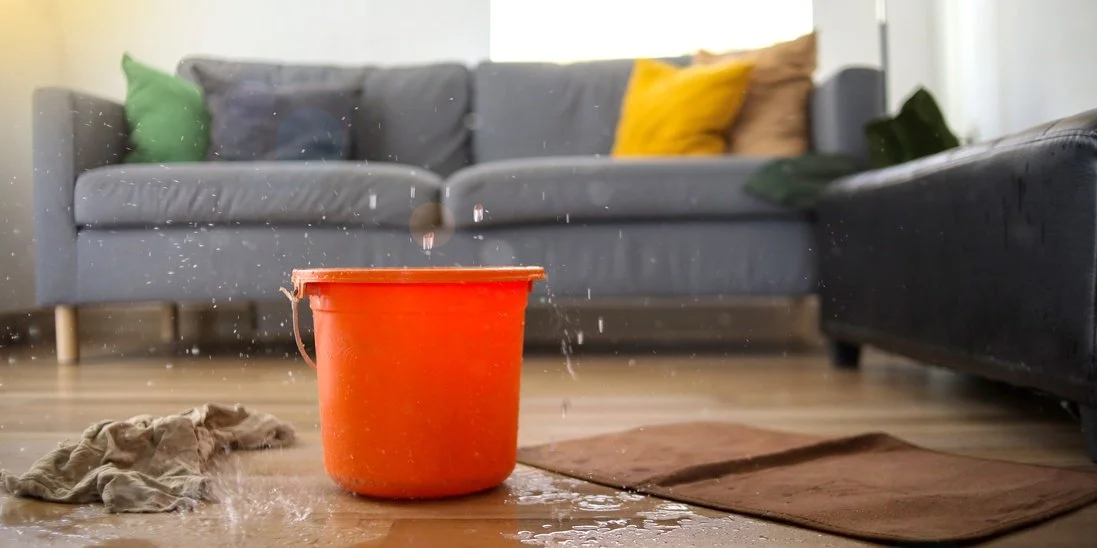
When a storm leaves a mess, where do you even start cleaning it up? Learn how to clean and reorganize your home with these tips that will help restore order.
Sometimes storms breeze through without much fuss, leaving behind nothing more than a few puddles and scattered leaves. Other times, they can wreak havoc on your property—tree limbs scattered across your yard, shingles peeled off your roof, or worse yet, damage that finds its way inside your home through leaks, broken windows, or structural issues.
When Mother Nature decides to redecorate your space, you're left wondering where to start picking up the pieces. Cleaning and reorganizing your home after a storm doesn't have to be another storm you have to weather. Let's explore some practical tips to help you bring back the calm after the chaos.
Start With a Safety Check
The first step after any storm is to check your property for safety issues. Look for downed power lines, which can be very dangerous. Keep a safe distance and report them immediately. Inside, check for structural damage like cracks in the walls or ceiling. A professional inspection can give you peace of mind and identify problems that might not be obvious at first glance.
Tidy Up the Exterior
Once you know the area is safe, you can begin the outdoor cleanup. Start by gathering fallen branches and other debris from your yard. Check your roof for missing or loose shingles. You should also take a look at your gutters and downspouts for any blockages. Clearing these areas will help prevent future water damage the next time it rains.
Address Damaged Windows
A storm can cause minor or major window damage. You can often fix minor damage, such as small cracks or loose seals, yourself with a simple window repair kit. For more serious issues like a broken window, a few steps are necessary to handle the emergency like a pro.
First and foremost, wear protective gloves to pick up any large pieces of glass. For smaller shards, a vacuum will work well. You can then cover the opening with a heavy-duty plastic sheet or a piece of plywood and secure it with tape to keep the elements out until a professional can replace the window.
Dry Out Wet Areas
Water has a way of getting into the most unexpected places. If you find leaks or puddles, address them quickly to prevent mold growth. You can use towels to soak up excess water. Fans and dehumidifiers are excellent tools to help dry out carpets, furniture, and walls. The faster you can get everything dry, the better.
Tackle Indoor Clutter
With the immediate issues handled, you can turn your attention to organizing the inside of your home. A storm can leave rooms in disarray. Go through each room, put items back in their proper place, and clear any clutter that might have accumulated. This is also a good opportunity to sort through belongings and decide what to keep, donate, or discard.
Moving Forward After the Storm
Cleaning up your home after a storm can feel like a marathon, but these steps can help you tackle the job systematically. Some tasks are best left to professionals, especially those involving electrical work, major structural damage, or hazardous materials. Take breaks when you need them, and don't hesitate to ask friends and family for help—many hands really do make light work. With patience and persistence, you'll have your peaceful sanctuary restored before you know it.
Tips for Updating the Exterior of Your Home
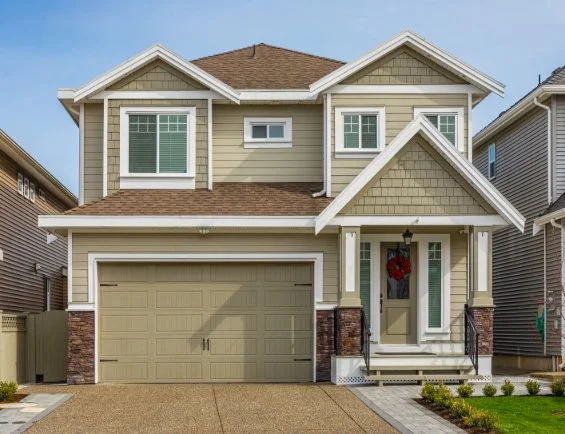
Your home's exterior is more than just a pretty face—it's the first line of defense against the elements and the first impression visitors and potential buyers will have of your property. Thoughtful exterior updates can dramatically boost curb appeal, increase property value, improve energy efficiency, and extend the long-term durability of your investment. Whether you're preparing to sell or simply want to refresh your home's appearance, partnering with licensed professionals ensures that every improvement meets safety standards, complies with local codes, and delivers results that stand the test of time.
Your home's exterior is more than just a pretty face—it's the first line of defense against the elements and the first impression visitors and potential buyers will have of your property. Thoughtful exterior updates can dramatically boost curb appeal, increase property value, improve energy efficiency, and extend the long-term durability of your investment. Whether you're preparing to sell or simply want to refresh your home's appearance, partnering with licensed professionals ensures that every improvement meets safety standards, complies with local codes, and delivers results that stand the test of time.
Assess Before You Invest
Before diving into any renovation project, start with a thorough visual inspection of your home's exterior. Walk around your property and examine the condition of your siding, roofing, windows, doors, and landscaping. Look for obvious signs of wear, but also pay attention to functional issues that might not be immediately apparent—poor drainage patterns, foundation cracks, water stains, or weather damage that could indicate deeper problems.
While homeowners can spot many surface-level concerns, knowing when to bring in a contractor or certified inspector is crucial. A professional evaluation can uncover hidden issues that might otherwise escalate into costly repairs. Additionally, consider your local climate conditions, zoning regulations, and any homeowners association or municipal guidelines that might affect your project scope. This preliminary research will help you budget accurately and avoid compliance headaches down the road.
Prioritize Structural and Safety Upgrades
When planning exterior improvements, always address structural and safety concerns first. Your roof is your home's primary protection against weather, so don't ignore signs of wear like missing shingles, granule loss, or water stains in your attic. A qualified roofing specialist can assess whether you need targeted repairs or a complete replacement, and they'll ensure proper ventilation and flashing installation.
Gutter maintenance and drainage improvements often go hand-in-hand with roofing work. Clogged or damaged gutters can lead to foundation problems, basement flooding, and landscape erosion. Consider coordinating with landscape or waterproofing professionals to create comprehensive drainage solutions that direct water safely away from your home's foundation.
Foundation issues require immediate attention. Cracks, settling, or moisture intrusion might necessitate consultation with a structural engineer who can recommend appropriate remediation strategies. Similarly, exterior sealing around windows, doors, and penetrations should be inspected regularly. Don't overlook your HVAC system either—proper exterior ventilation and functioning equipment are essential for comfort and efficiency. Licensed HVAC technicians can ensure your systems operate safely and effectively.
Refresh the Façade
Once structural concerns are addressed, you can focus on aesthetic improvements that transform your home's appearance.
Painting and Siding
Repainting or re-siding offers one of the most dramatic impacts on curb appeal. When selecting materials, consider durability, maintenance requirements, and climate suitability. Certified painters bring expertise in surface preparation, color selection, and application techniques that protect and enhance your home's exterior.
For siding projects, partnering with professional siding contractors like aluminum and vinyl building products is equally crucial. These specialists can help you navigate options like vinyl, fiber cement, wood, or metal siding, recommending materials best suited to your climate, budget, and lifestyle. Experienced siding professionals ensure proper installation with correct flashing, weatherproofing, and ventilation systems that prevent moisture damage. They handle complex details like window and door transitions, corner treatments, and trim integration that give your home a seamless, high-quality finish. Quality siding installation also improves energy efficiency through proper insulation techniques, delivering both aesthetic and functional benefits that last for years.
Architectural Details
Updating trim, shutters, and architectural accents can add character and visual interest without breaking the budget. Design consultants can help you choose complementary colors and styles, while skilled installers ensure precise fitting and secure mounting. Your front door serves as a focal point and security feature, so investing in replacement or refinishing pays dividends in both aesthetics and function. Door specialists can recommend options that balance insulation, security, and style.
Finishing Touches
Don't underestimate the impact of small details. Upgraded house numbers, a new mailbox, and strategically placed exterior lighting create a polished, welcoming entrance. Licensed electricians can install low-voltage landscape lighting or motion-sensor fixtures that enhance both beauty and security.
Windows and Doors
Energy-efficient window replacements represent a significant investment that pays off through reduced utility bills and improved comfort. Modern windows feature advanced glazing, improved seals, and better insulation than older models. Coordinate with experienced window installers who can properly measure, fit, and seal units to prevent air leakage and water intrusion. Click here for more info about professional window installation services and the latest energy-efficient options available for your home.
Storm doors and screen upgrades extend the life of your primary doors while providing additional insulation and ventilation options. Professional installation ensures proper fit and weatherproofing. While some caulking and sealing projects are suitable for DIY enthusiasts, complex applications or hard-to-reach areas benefit from professional attention that guarantees long-term performance.
Landscaping and Hardscaping
Beautiful landscaping frames your home and creates an inviting atmosphere. Regular lawn care, strategic tree trimming, and seasonal planting keep your property looking fresh and well-maintained. Landscape designers and certified arborists can develop plans that balance aesthetics with practical considerations like drainage, sun exposure, and local growing conditions.
Hardscaping elements—walkways, driveways, and patios—provide functional beauty and can dramatically enhance outdoor living spaces. Resurfacing worn concrete or installing new pavers requires expertise from masonry or concrete professionals who understand proper grading, base preparation, and finishing techniques. Fencing, retaining walls, and outdoor structures often require permits and should be coordinated with qualified contractors who understand local building codes and structural requirements.
Outdoor Living Enhancements
Expanding your living space outdoors adds tremendous value and enjoyment. Adding or updating porches, decks, or pergolas requires careful structural planning and licensed builders who can ensure safe construction and code compliance. For more elaborate projects like outdoor kitchens or built-in seating areas with fire pits, specialty contractors familiar with safety codes, gas lines, and electrical requirements are essential.
Accessibility and safety features shouldn't be afterthoughts. Properly installed railings, ramps, and lighting not only meet ADA compliance standards but also make your home safer and more comfortable for everyone. Certified installers understand the specifications needed for secure, reliable installations.
Maintenance and Long-Term Planning
Successful exterior upkeep requires consistent attention. Develop seasonal checklists and schedule professional inspections annually to catch small problems before they become major expenses. When budgeting for improvements, consider phasing projects over time with input from contractors who can help you prioritize based on urgency and impact.
Before hiring any professional, verify their insurance, licensing, and references. Building relationships with a trusted network of service providers ensures you have reliable support for both emergencies and planned improvements.
Updating your home's exterior delivers multiple benefits—enhanced comfort, increased property value, and the pride that comes with a well-maintained home. By starting with a prioritized plan and consulting qualified professionals, you'll make informed decisions that protect your investment and achieve your vision. Take the first step today: schedule an exterior audit or request quotes from licensed providers. Your home—and your peace of mind—will thank you.

The New Essentials: Rethinking Comfort and Safety In Your New Home
It has been said that home is where the heart is, but in today’s world, the definition of what it means for a home to feel comfortable and secure has changed. Of course, creating a comfortable home is tied to making the space feel inviting and hospitable. However, it goes beyond mere trends and moves toward investing in how your home feels in other aspects to create a comfortable, secure home, which is of the utmost importance today. Read on for insight on the new essentials for homeowners who are rethinking comfort and safety:

It has been said that home is where the heart is, but in today’s world, the definition of what it means for a home to feel comfortable and secure has changed. Of course, creating a comfortable home is tied to making the space feel inviting and hospitable. However, it goes beyond mere trends and moves toward investing in how your home feels in other aspects to create a comfortable, secure home, which is of the utmost importance today. Read on for insight on the new essentials for homeowners who are rethinking comfort and safety:
The Indoor Air Has to Be Comfortable
Decades ago, the way a home “felt” inside would likely not have been that big of an issue. After all, air conditioning hasn’t even been mainstream for many generations, and there are still some parts of the country that don’t utilize it as much. However, a home should feel comfortable, not stuffy or humid, to offer the best and most hospitable atmosphere. Ideally, according to experts, a home’s humidity levels should be between 30 and 40 percent. Of course, this isn’t the only factor that contributes to the comfort level, but humidity levels that are too high can make a space feel sticky and stuffy. An HVAC system can work properly, but if the humidity levels in a home aren’t kept at ideal ranges, then it can be uncomfortable inside.
Home is Personal Expression, So Express Yourself
Another way to rethink comfort and safety in a home includes using the space for self-expression. While trends are fun to experiment with and obviously, smart technology can enhance many aspects of your home, having your home reflect you is even more important. It doesn’t matter if your home is spacious or cozy, and it includes the desired“white picket fence” or is instead situated in an apartment building without a yard at all; it can be the perfect space for you if you express yourself when it comes to furnishings. Choose patterns, colors, art, and more that make you smile. Don’t worry so much if it matches or is in trend. Instead, consider how these items make you feel. If you love it, it works, so just go with it and make the space your own.
Embrace The Natural Features of Your Home
Your home has some great things going for it. This is almost a certainty. Therefore, instead of looking at what you could improve in your home, contemplate how you could embrace and even enhance its natural features. This could include showcasing interesting architectural features or allowing natural light to shine through from beautiful windows. Natural light does increase the temperature in your home, so keep that in mind during the summer, especially if your city or town has rolling blackouts. Look at your home from an outsider's perspective and consider what makes it stand out from other homes. When you discover this hidden gem, embrace it and highlight it if possible.
Add Comfortable Fabrics and Fixtures
Another way to make your home comfortable is by adding comfortable items like blankets and comfortable furnishings with snug fabrics. It can also include altering the lighting in your home, upgrading what you have to offer to include dimming options, or changing harsh lighting to warm lighting. Adding curtains can also help, not only to highlight beautiful windows, but they can also aid in covering them up in the summer when you are trying to keep the hot air outside. Adding rugs to hardwood or upgrading carpeting to a more plush variety can also instantly make the space feel much more inviting and comfortable. Consider adding fabrics and comforting fixtures to your space to make it feel more welcoming.
Make Your Home Secure
In today’s uncertain world, a great deal of making a space feel comfortable is to make it feel protected and secure. This might look different for each homeowner. However, in general, adding motion-activated lighting, cameras, video doorbells, smart locks, and more can make you feel more secure when you are in your home. Many of these systems allow you to check your home even when you are away and ensure that you have locked everything up properly. Don’t think of installing a security system as something that means your home is unsafe. Instead, consider all the ways it can help you and protect all you love. Ideally, you will never have to use these features for security, but instead use them as a way to make life more convenient. These smart locks and cameras can allow you to open your home up for visitors, kids, or even deliveries, which can make life much easier. Some systems may even offer insurance discounts or tax incentives, adding an extra layer of value to your investment in security.
Declutter and Get Rid of What Doesn’t Make You Happy
Another way to make your home more comfortable and even secure is to get rid of excessive clutter. Clutter increases fall risks and can increase the risk of fire damage and even lead to loss of life. In addition, why have items on hand that don’t make you happy or add value to your life? Instead, spend some time going room-to-room and reducing clutter. Have a yard sale or donate unwanted gear to local charities or missions. You will be doing good for your community, helping others, and making your home more comfortable and secure, all at the same time. Having less clutter will also mean you have less to maintain and less dust accumulating in your home, leading to better air quality.
Bring The Outside In
Last but not least, to rethink comfort and security, consider bringing some of the outside inside by incorporating plants and flowers into your decor. Live plants, along with fresh-cut flowers, can help make your space feel more comfortable. They also enhance the indoor air quality and look amazing. You can change out fresh-cut flowers based on what is blooming to bring the outdoors in and brighten up even the most dreary indoor environment.
The New Essentials
Improving comfort and security for your home might look different today than in years past. Keep the elements listed above in mind to transform your home into a space that better represents your preferences, your style, and your overall personality. There are no wrong additions if they bring you joy, but keep comfort and security in mind when determining what changes you want to make. After all, that is the essence of making a space serene, truly embracing the idea of home. The essentials are no longer trends, but instead aimed at improving the comfort levels and functionality of homes, including making them more secure in an ever-changing and more uncertain world.
Megan Isola
Megan Isola holds a Bachelor of Science in Hospitality and a minor in Business Marketing from Cal State University Chico. She enjoys going to concerts, trying new restaurants, and hanging out with friends.
How to Dry Out Your Home Faster After a Flood
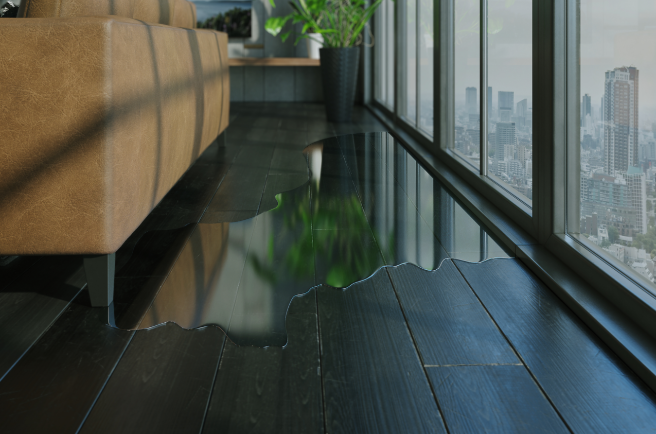
Flooding can turn your home upside down in a matter of hours. Whether it’s from a burst pipe, a storm, or a rising river, the aftermath is overwhelming. But once the water recedes, the real work begins. Drying out your home quickly is essential—not just for comfort, but to prevent mold, structural damage, and long-term health risks. Here’s how to speed up the drying process and get your home back on track.
Flooding can turn your home upside down in a matter of hours. Whether it’s from a burst pipe, a storm, or a rising river, the aftermath is overwhelming. But once the water recedes, the real work begins. Drying out your home quickly is essential—not just for comfort, but to prevent mold, structural damage, and long-term health risks. Here’s how to speed up the drying process and get your home back on track.
Start by Removing Standing Water Immediately
The first step is to get rid of any standing water. The longer it sits, the more damage it causes. If the flooding is minor, you can use wet vacs, buckets, or mops to remove water manually. For deeper flooding, consider renting a sump pump or calling in professionals. Time is critical here. Every hour counts when it comes to preventing mold growth and wood rot. Once the bulk of the water is gone, you’ll be able to assess the damage and move on to drying out surfaces.
Improve Airflow Throughout the House
Airflow is your best friend during the drying process. Open all windows and doors to let fresh air circulate. Use fans—especially high-powered ones—to push moist air out and bring dry air in. Position fans strategically to create cross-ventilation. If your HVAC system is safe to use, turn it on to help regulate humidity. Ceiling fans, box fans, and even bathroom exhaust fans can help move air around. The goal is to keep air moving constantly so moisture doesn’t settle into walls, floors, or furniture.
Use Dehumidifiers to Pull Moisture from the Air
Even after the visible water is gone, moisture lingers in the air and inside materials. Dehumidifiers are essential for drawing out this hidden dampness. Place them in the most affected rooms and let them run continuously. If possible, use commercial-grade dehumidifiers—they’re more powerful and can handle larger spaces. Keep doors closed in rooms with dehumidifiers to concentrate their effect. Monitor humidity levels with a hygrometer and aim to keep them below 50%. This helps prevent mold and speeds up drying.
Remove Wet Materials and Damaged Items Quickly
Wet carpets, rugs, insulation, and drywall act like sponges. They hold moisture and slow down the drying process. Remove and discard anything that can’t be salvaged. This includes soaked furniture, mattresses, and paper goods. If you’re unsure whether something is worth saving, err on the side of caution. Mold can start growing within 24 to 48 hours. The sooner you clear out wet materials, the faster the space can dry. Be sure to wear protective gear when handling contaminated items.
Clean and Disinfect All Surfaces Thoroughly
Floodwater often contains bacteria, chemicals, and other contaminants. Once the area is dry, cleaning and disinfecting are a must. Use a mixture of water and bleach or commercial disinfectants to scrub walls, floors, and hard surfaces. Pay special attention to kitchens, bathrooms, and any areas where children or pets spend time. Disinfecting not only removes germs but also helps eliminate odors. After cleaning, continue to ventilate the space to help surfaces dry completely.
Call in Professionals When Needed
Sometimes, the damage is too extensive to handle alone. That’s when water damage mitigation services from professionals, like Disaster Recovery Pros, become invaluable. Experts have specialized equipment and training to dry out homes quickly and safely. They can assess structural damage, detect hidden moisture, and prevent mold before it starts. Hiring experts can also help with insurance claims and documentation. Their experience can save you time, reduce stress, and ensure your home is restored properly from the start.
Monitor for Mold and Moisture After Drying
Even after your home feels dry, moisture can linger in hidden places. Keep an eye out for signs of mold—musty smells, discoloration, or peeling paint. Use moisture meters to check behind walls and under floors. If you spot mold early, you can treat it before it spreads. Continue using dehumidifiers and fans for several days after the initial drying. It’s better to over-dry than to risk lingering dampness. Staying vigilant helps protect your home and your health.
Stay Positive and Take it One Step at a Time
Recovering from a flood is never easy, but it’s possible. Focus on one task at a time and celebrate small wins—like clearing a room or restoring power. Lean on friends, neighbors, and professionals when you need support. Your home may look different now, but with time and care, it can feel like home again. Drying out is just the beginning of the recovery process, and every step forward matters.
Final Thoughts
Floods are stressful, but fast action makes a big difference. By removing water quickly, improving airflow, and using the right tools, you can dry out your home faster and prevent long-term damage. Whether you tackle it yourself or call in experts, the key is to stay proactive and hopeful. Your home can recover—and so can you.

