

A resource for those seeking information on organizing and transforming spaces.

3 Ways To Make Your Home Feel More Comfortable
Transform your house into a cozy retreat with these simple comfort upgrades. From lighting fixes to new decor, you can change your space with no renovations.

Your home should be your sanctuary—a place where you can unwind, recharge, and feel completely at ease. Yet many homeowners struggle to create the perfect balance of comfort and functionality.
The good news? Making your home more comfortable doesn't require a complete renovation or a massive budget. Small, thoughtful changes can transform your living space into the cozy retreat you've always wanted.
Create Warm, Welcoming Lighting
Harsh overhead lighting can make even the most beautifully decorated space feel cold and uninviting. Replace bright white bulbs with warm-toned LED lights (look for a color temperature of 2700K to 3000K) to create a cozy ambience that's easier on the eyes.
Layer your lighting by incorporating table lamps, floor lamps, and even string lights. This approach enables you to adjust the brightness throughout the day and create distinct moods for various activities. Dimmer switches are another excellent investment—they give you complete control over your lighting environment.
Don't forget about natural light. Keep windows clean and consider swapping heavy curtains for lighter fabrics that still provide privacy while allowing sunlight to brighten your rooms during the day.
Incorporate the Right Decor
Your home is a blank canvas; you can decorate it however you want, but certain oversized items or flashy decor can be overwhelming and make the space feel like a showroom instead of a house. Personal touches, such as family photos, artwork, or sentimental objects, bring warmth and create a space that reflects your personality.
Incorporating gifted pieces adds character and makes your space feel cozier. Home decor gifts can add heart to your space and show much you value these token from your friends and family. By combining these thoughtful decor pieces with your style and space, you can create an inviting environment that feels uniquely yours.
Reduce Noise and Create Calm Spaces
A comfortable home should provide refuge from outside noise and chaos. Identify the noisiest areas of your home and address them with sound-absorbing materials like thick curtains, area rugs, or upholstered furniture.
Weather stripping around doors and windows doesn't just help with temperature control—it also reduces noise from outside. For rooms where you need extra quiet, consider adding bookshelves filled with books, which naturally absorb sound.
Create designated quiet zones in your home where family members can retreat for reading, meditation, or simply unwinding. Even a small corner with a comfortable chair and good lighting can become a peaceful sanctuary.
Start Small, Think Long-Term
Making your home more comfortable doesn't have to happen overnight. Start with one or two changes that address your biggest comfort concerns, then gradually implement others as time and budget allow. The goal is to create a space that supports your daily life and showcases who you are, allowing you to relax and look forward to each day in your home.

How to Divide Moving Tasks Between Family Members
Learn how to divide moving tasks between family members with easy steps, teamwork tips, and smart planning for a smooth, happy move.
Moving can be stressful, but it doesn’t have to feel impossible when everyone helps. The key is knowing how to divide moving tasks between family members so each person contributes fairly. When every family member understands their role, the move becomes smoother, quicker, and less chaotic. Whether you live with adults, teenagers, or young children, everyone can play a part in making moving day a success.
Start With a Family Meeting
Before you begin packing, prepare the whole family for the move in advance. Gather everyone for a quick discussion. Talk about the moving date, what needs to be done, and who’s best at certain tasks. Encourage open conversation and allow each person to share their ideas. This step avoids confusion later and builds a sense of teamwork. A shared list or digital calendar can help you stay on track. Use bright colors or stickers to make it fun, especially for kids. When everyone feels heard, they’re more likely to stay motivated.
Create a Moving Task List That Works
To divide moving tasks effectively, write everything down. A written list helps you see the full picture and makes planning easier. Break large chores into smaller, manageable steps. Instead of writing “pack kitchen,” list “wrap glassware,” “box dishes,” and “label pantry items.” Assign tasks based on each person’s strengths. Adults can handle logistics and heavy lifting, while teens organize clothes or electronics. Younger children can sort toys or choose which books to donate. This approach keeps everyone busy, builds responsibility, and speeds things up.
Assign Tasks Based on Age and Strengths
Give everyone a role that fits their abilities. Kids can handle lightweight jobs, teens can manage moderate ones, and adults take on complex or heavier responsibilities. This keeps things safe and fair. If your kids are old enough, they can help you unpack small boxes in their rooms once you move in. That way, they take ownership of their new space and feel proud of helping. Teens might be great at setting up devices or handling pets during the move. When everyone contributes, you’ll be surprised how quickly progress happens.
Keep the Momentum Going With Smart Planning

Long moves can drag on, but visual progress helps maintain your relocation organized. Hang a chart or checklist on the wall. Each time a task is finished, check it off. It’s simple but satisfying. Reward progress with small treats—a snack break, takeout night, or a short movie. These moments keep energy up and spirits high. Also, plan rest times. Fatigue can make mistakes more likely, so schedule pauses for water and food. When everyone stays energized, the process flows better.
Label and Organize Like a Pro
Labeling is an underrated lifesaver. Use color-coded boxes—blue for bedrooms, red for kitchen, green for living room. Write what’s inside each box clearly. This way, everyone knows where to put items without asking. Label boxes by room instead of person, which saves confusion later. You can even number them and keep a quick reference list on your phone. If you need the coffee maker on day one, you’ll know exactly where it is. The organization reduces frustration and keeps things moving smoothly.
Make It Fun for Everyone
When you divide moving tasks, remember that attitude matters. Turn packing into a game. Set a timer and see who can wrap items fastest (without breaking anything). Play music while packing—it keeps the energy light. Create small challenges like “find five items to donate” or “label five boxes in ten minutes.” Kids love games, and it turns chores into fun. Staying positive helps everyone stay calm, even when the to-do list feels long. Moving is emotional, but it’s also exciting. Treat it as the beginning of something new rather than just a big job.
Tackle Moving Day With Confidence
When moving day arrives, have a plan. Assign one person to coordinate—someone who can answer quick questions and make final calls. This avoids confusion about what’s loaded or left behind. Keep the house organized by stages: packed rooms, half-packed rooms, and done rooms. Give children small, safe tasks so they feel involved. Make sure everyone knows the safety plan, especially when movers or trucks are around. Prepare easy snacks, water bottles, and a few portable chargers. These simple things can prevent last-minute stress.
Stay Calm and Handle the Unexpected
Even the best plan can hit bumps. A box might break, a storm might start, or traffic might slow everything down. Try to stay calm and adjust. Pack a “moving essentials” bag with important items to ensure a smooth transition—medications, phone chargers, documents, and a change of clothes. That way, you’re covered no matter what happens. Encourage family members to help each other when small problems arise. A calm, cooperative attitude keeps things moving forward. Remember, no move is perfect, but flexibility makes a big difference.
Unpack Together for a Smooth Start
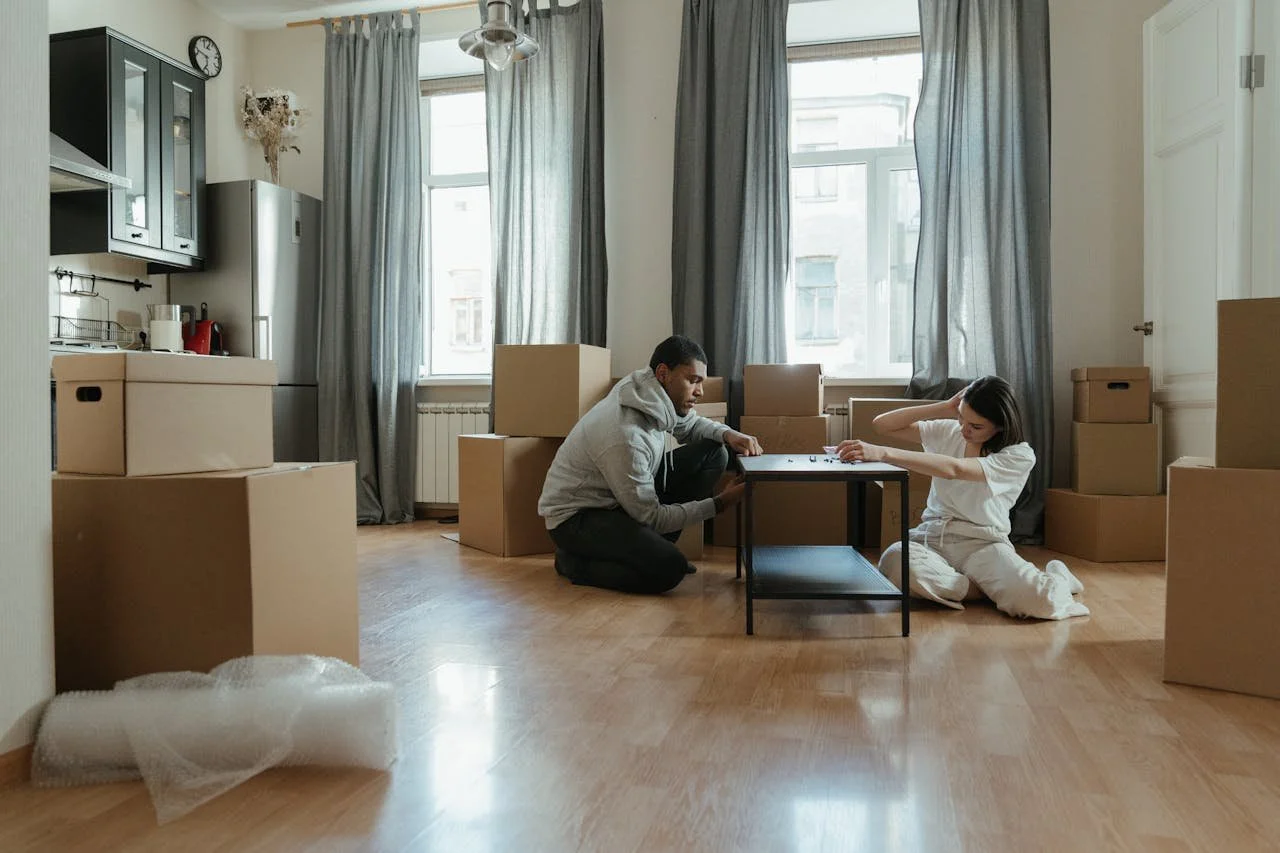
Once you arrive, unpacking can seem endless. Don’t rush; focus on the most used spaces first—the kitchen, bedrooms, and bathrooms. Assign one person to each space and keep the teamwork going. Adults can handle fragile items, while kids organize their toys or books. Working together keeps energy high and makes the new house feel like home faster. Turn on some music, open the windows, and keep boxes moving until everything finds its place. A few days of teamwork will make your new space feel settled quickly.
Conclusion: Divide Moving Tasks to Move Happily
When you divide moving tasks between family members, you turn a challenging event into a family project. Everyone contributes something valuable. Adults guide, teens organize, and kids participate proudly. It’s more than just efficiency—it’s teamwork in action. By planning, labeling, organizing, and keeping a positive attitude, your family can turn a stressful move into an enjoyable shared experience. Moving teaches patience, cooperation, and flexibility. You’ll not only end up in a new home but also create memories of working together. In the end, every box packed and unpacked with shared effort makes your new start brighter. With balance, laughter, and teamwork, you’ll move forward smoothly—and happily.

5 Reasons Family-Owned Builders Are the Smart Choice for Home Construction
Building or renovating a home represents one of life's most significant financial and emotional investments. The contractor you choose profoundly impacts not just the final result, but your entire experience throughout the construction process. While large corporate builders and national franchises dominate advertising and market presence, family-owned construction companies offer distinct advantages that often deliver superior outcomes for homeowners. These locally-rooted businesses bring personal accountability, generational expertise, and genuine commitment that differentiate them from impersonal corporate alternatives. Understanding these benefits can help you make an informed decision that ensures your construction project succeeds on every level.
Building or renovating a home represents one of life's most significant financial and emotional investments. The contractor you choose profoundly impacts not just the final result, but your entire experience throughout the construction process. While large corporate builders and national franchises dominate advertising and market presence, family-owned construction companies offer distinct advantages that often deliver superior outcomes for homeowners. These locally-rooted businesses bring personal accountability, generational expertise, and genuine commitment that differentiate them from impersonal corporate alternatives. Understanding these benefits can help you make an informed decision that ensures your construction project succeeds on every level.
Personal Accountability Through Direct Owner Involvement
When you hire a family-owned builder like Thayer’s, you typically work directly with the owners rather than layers of project managers and subcontractors who answer to distant corporate offices. This direct relationship creates a level of accountability that larger companies simply cannot match.
Family business owners stake their personal reputation on every project. Their name appears on your contract, and they understand that satisfied clients generate referrals within the community while disappointed customers damage the family legacy. This personal investment motivates exceptional attention to detail and responsiveness. When issues arise—and they inevitably do during construction—you can speak directly with decision-makers who have authority to resolve problems immediately rather than navigating bureaucratic approval processes.
Generational Expertise Through Decades of Experience
Many family-owned construction companies represent multiple generations working in the trade, accumulating knowledge and refining techniques over decades. This depth of experience provides invaluable advantages throughout your project.
Seasoned builders have encountered virtually every construction challenge imaginable and developed proven solutions. They understand local building codes intimately, know which materials perform best in your climate, and maintain relationships with reliable subcontractors and suppliers. This accumulated wisdom helps them anticipate potential problems before they occur and make informed recommendations that save you time and money. Younger family members often bring fresh perspectives on modern techniques and technologies while respecting time-tested approaches that deliver lasting quality.
Strong Relationships Through Community Connections
Family-owned builders typically operate within specific geographic areas for years or decades, developing deep roots and extensive networks that benefit their clients significantly.
These established relationships with local suppliers often yield better pricing on materials, which they can pass along to you. Their long-standing connections with skilled subcontractors—electricians, plumbers, finish carpenters—mean they work with trusted professionals rather than whoever bids lowest. They understand local permitting processes and know building department staff personally, often streamlining approval timelines. Their community reputation matters profoundly because they live, work, and raise families in the same area where they build, creating powerful incentives to maintain excellent standards.
Flexible Service Through Customized Attention
Large construction companies often operate with standardized processes, limited design options, and rigid schedules that prioritize efficiency over individual client needs. Family-owned builders typically offer far greater flexibility and personalization.
These smaller operations can adapt to your specific requirements, accommodate design changes more easily, and provide the individualized attention your project deserves. They're generally more willing to source unique materials, incorporate custom features, and adjust timelines to match your circumstances. This flexibility extends to communication styles as well—you can typically reach your builder directly via phone or text rather than submitting requests through customer service portals. This responsive, personalized approach makes the construction process less stressful and more collaborative.
Long-Term Support Through Ongoing Relationships
Family-owned builders view clients as long-term relationships rather than single transactions. This perspective shapes how they approach your project and their commitment to standing behind their work.
These companies depend on referrals and repeat business for survival, motivating them to ensure complete satisfaction long after construction concludes. They're typically more responsive to warranty issues and more invested in resolving any concerns that emerge after completion. Many homeowners develop lasting relationships with family builders who become their trusted advisors for future renovations, maintenance questions, and home improvement projects over the years.
Building with Confidence
Choosing a family-owned builder connects you with professionals whose personal integrity, generational expertise, and community reputation ensure your home construction project receives the dedicated attention and quality craftsmanship it deserves.

Restoring Your Home After Fire: 5 Reasons to Choose Professional Services
Experiencing a house fire ranks among life's most traumatic events. Beyond the immediate danger and emotional devastation, you face the overwhelming challenge of restoring your home to its pre-fire condition. The aftermath reveals smoke-stained walls, water damage from firefighting efforts, pervasive odors, and structural concerns that aren't always visible. While the temptation to tackle restoration yourself might seem like a way to save money or regain control, fire damage restoration requires specialized knowledge, equipment, and techniques that only trained professionals possess. Understanding why professional services matter can help you make decisions that protect both your property and your family's wellbeing during this difficult time.
Experiencing a house fire ranks among life's most traumatic events. Beyond the immediate danger and emotional devastation, you face the overwhelming challenge of restoring your home to its pre-fire condition. The aftermath reveals smoke-stained walls, water damage from firefighting efforts, pervasive odors, and structural concerns that aren't always visible. While the temptation to tackle restoration yourself might seem like a way to save money or regain control, fire damage restoration requires specialized knowledge, equipment, and techniques that only trained professionals possess. Understanding why professional services matter can help you make decisions that protect both your property and your family's wellbeing during this difficult time.
Comprehensive Assessment Through Expert Evaluation
Fire damage extends far beyond what's visible to the untrained eye. Smoke penetrates deep into porous materials, heat weakens structural components, and water from firefighting creates hidden moisture problems that lead to mold growth if not properly addressed.
Professional fire damage restoration specialists conduct thorough assessments using advanced tools like thermal imaging cameras and moisture meters to identify all affected areas. They understand how different materials react to fire, smoke, and water, allowing them to determine what can be salvaged and what requires replacement. This expertise prevents costly mistakes like overlooking hidden damage that worsens over time or discarding items that could have been restored. Their detailed evaluation forms the foundation for an effective restoration plan.
Rapid Response Through Immediate Action
Time is critical after a fire. Every hour of delay allows smoke residue to permanently stain surfaces, odors to penetrate deeper into materials, and water damage to spread throughout your structure. Secondary damage often exceeds the initial fire damage when restoration is delayed.
Professional fire damage restoration companies operate 24/7 emergency response teams that can arrive within hours of your call. They immediately secure your property, extract standing water, begin drying processes, and stabilize the structure to prevent further deterioration. This swift action minimizes total damage and reduces overall restoration costs. Their experience with insurance requirements also means they document everything properly from the start, streamlining your claims process.
Specialized Equipment Through Advanced Technology
Effective fire damage restoration requires far more than household cleaning supplies and fans. Professionals use industrial-grade equipment specifically designed for fire and smoke remediation that most homeowners cannot access.
This includes powerful air scrubbers that remove microscopic smoke particles from the air, thermal foggers that neutralize odors at the molecular level, commercial dehumidifiers that prevent mold growth, and specialized cleaning agents formulated for different types of smoke residue. They also employ ozone generators, hydroxyl generators, and HEPA filtration systems that eliminate contaminants you cannot see or smell. Investing in these tools yourself would cost tens of thousands of dollars, making professional services far more economical.
Safety Protocols Through Professional Training
Fire-damaged structures present numerous hazards—compromised structural integrity, toxic residues, electrical dangers, and potential asbestos or lead exposure in older homes. Without proper training and protective equipment, you risk serious injury or illness.
Fire damage restoration professionals receive extensive training in safety protocols and wear appropriate personal protective equipment. They understand which areas are structurally sound, how to handle hazardous materials safely, and when to involve structural engineers or other specialists. They also know proper ventilation techniques that prevent harmful fumes from spreading. This expertise protects both the restoration workers and your family from preventable harm during the recovery process.
Complete Restoration Through Coordinated Services
Fire damage restoration involves multiple specialized trades—structural repairs, electrical work, plumbing, HVAC cleaning, content restoration, and final reconstruction. Coordinating these various professionals while ensuring quality work proves overwhelming for most homeowners.
Professional restoration companies like Gallagher Restoration manage this entire process, serving as your single point of contact throughout the project. They coordinate inspections, schedule contractors, ensure work meets building codes, and verify that each phase completes properly before moving forward. Many also handle content cleaning and storage, document restoration, and even assist with temporary housing arrangements. This comprehensive approach delivers a fully restored home without requiring you to become a project manager during an already stressful time.
Moving Forward with Confidence
Fire damage restoration is too complex and consequential to approach casually. Professional services provide the expertise, equipment, and comprehensive support necessary to restore your home properly while protecting your health, safety, and financial interests throughout the recovery journey.

