

A resource for those seeking information on organizing and transforming spaces.
The Best Places To Install Mini Splits for Maximum Comfort
Find the best places to install mini splits for maximum comfort in your home. Enjoy customized heating and cooling in living rooms, bedrooms, and more.
Looking to beat the heat or stay cozy with bulky ductwork or noisy window units? Mini split systems are a game-changer for any busy household seeking flexible comfort. The best places to install mini splits for maximum comfort make all the difference for a happier, more comfortable home. With the right placement, you can enjoy perfect temperatures in every room, season after season.
High on an Interior Wall
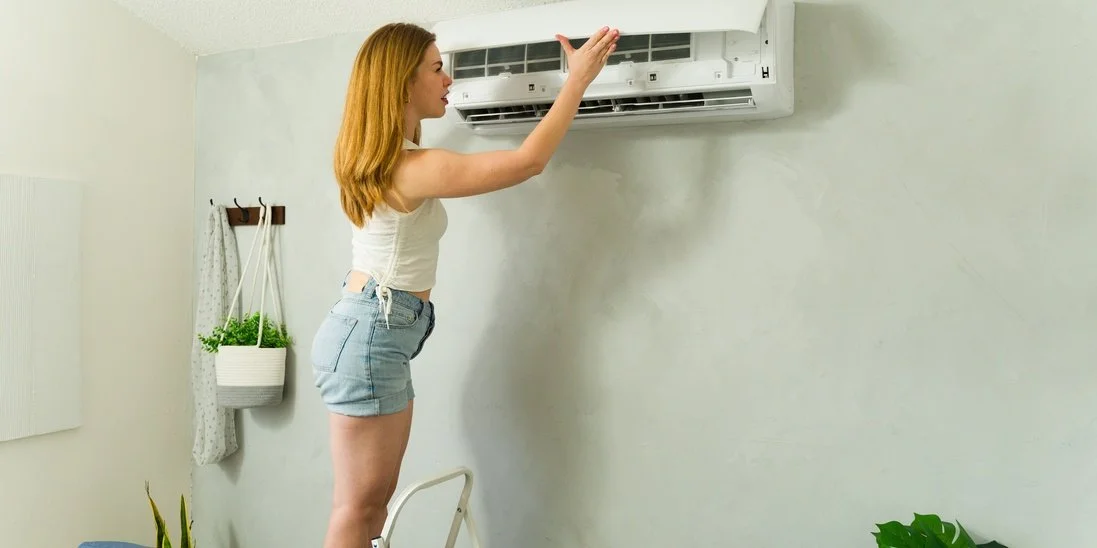
The ideal spot for an indoor unit is high on an interior wall, about six to eight inches below the ceiling. This position allows the unit to distribute conditioned air throughout the room effectively. Cool air will naturally fall, and warm air will circulate downward as it cools, creating an even temperature. Avoid placing the unit directly above a heat source, such as a stove or a large television, as this can interfere with its temperature sensor.
Bedrooms and Home Offices
Bedrooms and home offices are perfect candidates for mini splits. In these smaller spaces, you can easily achieve personalized comfort. Place the indoor unit where it won't blow air directly onto your bed or desk. A spot above the doorway or on an adjacent wall often works well. This setup provides quiet, efficient heating and cooling right where you need it most.
Living Rooms and Kitchens
For larger, high-traffic areas like living rooms and kitchens, placement is key. You'll want to position the unit so it can circulate air freely without obstructions. Avoid placing it behind large furniture or in a tight corner. A central location on a long wall is often the best choice for broad coverage.
Open-Concept and Larger Areas
In homes with open floor plans, a single mini split unit might be sufficient. Consider how the return air will flow back to the unit. You might wonder how mini-split systems handle large open spaces, and proper placement is a big part of the answer. You might need a more powerful unit, or multiple units, to serve a very large combined area. A professional can help you determine the right size and placement for your layout.
A little planning goes a long way toward optimizing your mini-split system. By considering room layout and airflow, you can identify the best places to install mini splits for maximum comfort. A professional installer can assess your home's unique needs and recommend the perfect setup.
The Most Overlooked Parts of a Roof Repair
Get a longer-lasting roof with smart, targeted fixes. Understand the most overlooked parts of a roof repair and stop leaks before they spread.
When tackling a roof repair, most people focus on fixing the visible problems like leaks or missing shingles. However, to truly protect your home, it’s important to pay attention to the most overlooked parts of a roof repair. Ignoring those critical areas will leave your home vulnerable to future leaks, water damage, or costly structural repairs. Taking a closer look now can help you avoid those hassles and expenses later.
Checking the Underlayment
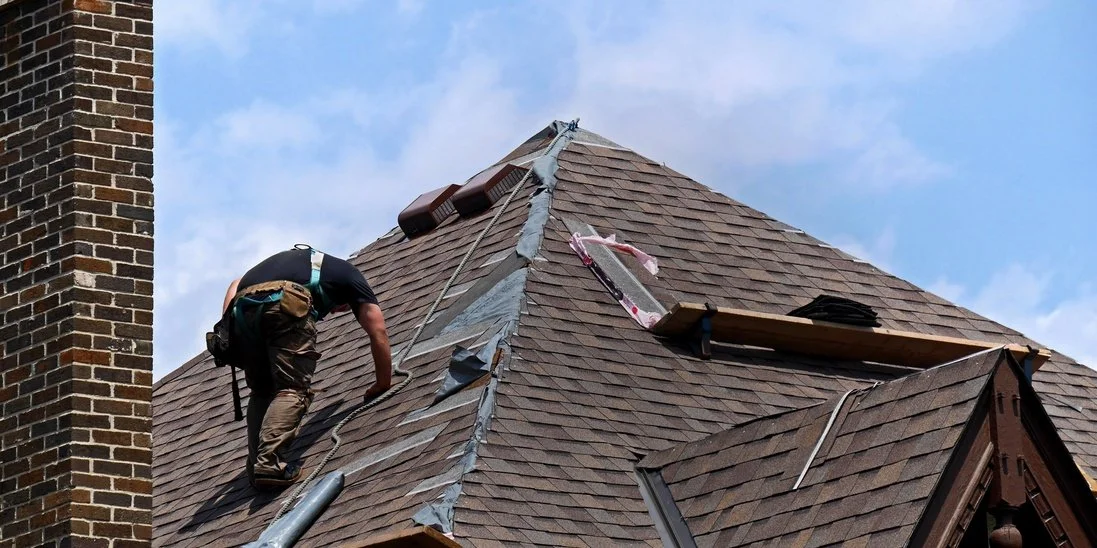
Beneath your shingles lies a layer of material called underlayment. This sheet acts as a secondary water barrier that protects the wooden roof deck from moisture that seeps past the shingles. During a repair, it’s crucial to inspect the underlayment around the damaged area. If it’s torn, brittle, or water-stained, it needs to be replaced to maintain that vital layer of protection.
Inspecting the Roof Decking
The roof deck is the wooden foundation of your entire roofing system. When professionals remove shingles for a repair, it's the perfect time to check the decking for signs of rot, softness, or water damage. Simply placing new shingles over a compromised deck is a temporary fix at best. Damaged sections should be cut out and replaced with solid wood to provide a stable base for the new materials.
Assessing Your Roof Flashing
Flashing consists of thin metal strips placed around chimneys, vents, and skylights to direct water away from these vulnerable joints. Damaged or improperly installed flashing is a common source of leaks. A thorough repair includes examining this metal for rust, cracks, or gaps. Understanding the role of roof flashing in roof repair is key to preventing future water intrusion.
Clearing Debris From Gutters and Valleys
Your roof's valleys are the channels that guide rainwater into the gutters. Both can become clogged with leaves, twigs, and other debris. This buildup can cause water to back up under your shingles, leading to rot and leaks. After a repair, a good contractor will clear any debris from these areas to allow for proper water flow.
To the average person, a roof repair seems like replacing a few shingles. In actuality, the job consists on so much more to ensure the integrity and functionality of your roof. Focusing on the most overlooked parts of a roof repair will help protect your home and extend its lifespan.

Organize to Maximize: Boost Your Home’s Value
When a home looks too clean, it feels like nobody lives there. This standard of cleanliness is unrealistic. Yet, when it’s time to sell, that’s exactly what buyers fall for. The illusion of order helps tick all the boxes. Now, the key to perfect organisation is about finding a way to make rooms look bigger, calmer, and more expensive than they really are. The secret is not owning less, but showing less, and if you don’t know how to do it, here are some ways to get started.
When a home looks too clean, it feels like nobody lives there. This standard of cleanliness is unrealistic. Yet, when it’s time to sell, that’s exactly what buyers fall for. The illusion of order helps tick all the boxes. Now, the key to perfect organisation is about finding a way to make rooms look bigger, calmer, and more expensive than they really are. The secret is not owning less, but showing less, and if you don’t know how to do it, here are some ways to get started.
The First Impression
The first ten seconds matter a lot because they can tell potential buyers a lot about your Aussie home. First, you have to make the entryway visually appealing. You should vacuum everything and make sure there are no signs of mud or dust layers on the flooring.
You should also mop the floor with warm water and eucalyptus oil instead of harsh cleaning chemicals. Eucalyptus makes the air smell clean. And keep one neutral scent that lingers. You don’t want the buyers to smell stale air. Opening the windows and sweeping the floors before potential buyers arrive would be a smart move.
The Storage Secret No One Talks About
Attics, sheds, and garages are goldmines. If you have either one of them, you’re lucky because these are the secret chapters of a home’s story. Most owners throw things in there thinking buyers won’t care, but when people look for family homes for sale in Mildura, or any other booming regional spot, they absolutely do.
Transparent bins are a good idea because they reveal contents without opening anything. And if you can create walking space between stored items, it changes everything. Suddenly, it’s not storage, it’s potential. People like to think that the rest of the house reflects this neatness, so they’re immediately more invested.
Kitchen Glow and Flow
A greasy kitchen is an immediate no. It tells buyers that you didn’t take good care of this part of the house, and it also kills the illusion of a perfect home.
So, scrub the stovetop with a paste of baking soda and warm water. But here’s the trick: wipe it off with a microfibre cloth soaked in vinegar and a drop of peppermint oil. The mint cuts through any residual cooking smell. And check your grout. White grout sells. Grey grout does not.
Remember that every detail matters, so rearrange the dishes and the mug collection. Even the fridge handle matters. You should wipe it with disinfectant and olive oil because it makes plastic look brand new and metallic ones catch the light just right.
Bathroom Is The Silent Judge
Bathrooms sell houses, but only if they look immaculate. And only if they smell like nothing. Limescale around taps is a value killer, so when you organize your home, make sure to put this on a to-do list. Soak a paper towel in vinegar, wrap it around the tap base, and leave it for ten minutes. The fizzing you’ll hear is your equity coming back to life.
Bathroom furniture plays a huge role here. Arranging for more storage space is not only a smart move, but a visual one, too. When everything has a place, the bathroom looks more intentional and somehow larger.
Windows, Light, and Illusion

Any real estate agent will tell you that people buy light more than they buy rooms. That’s why windows need to vanish. They need to be so clean that they look almost non-existent. Clean them with one part vinegar to one part water, wipe in vertical strokes inside, horizontal outside.
Don’t forget to wipe window sills, especially if you own some plants. Dust and soil marks just look unprofessional. And wash your curtains properly. Musty curtains dull the entire room, like fog. If you want to cheat brightness, use mirrors directly opposite windows. But clean those too because fingerprints kill the illusion.
Conclusion
A valuable home is the one that feels clean down to the air. Truth be told, buyers don’t always consciously know why they like a house; they just feel it’s fresh. That’s the scent of properly dried towels, clean door handles, and invisible fingerprints. Cleaning for value is important. So, if your house smells faintly of lemon oil and is calm, don’t be surprised when people start picturing themselves there. That’s not luck. That’s the power of proper polishing.

How Senior Moving Services Differ Between The U.S. and Canada
Relocating during the golden years is more than just packing and moving boxes. It is an emotional transition that deserves patience, care, and the right support. Many seniors move to downsize, live closer to family, or settle into a retirement community. But what many families don’t realize is that senior moving services differ significantly between the United States and Canada.
We partnered with a relocation company for this post. The opinions in the post are honest. All reviews and opinions expressed in this post are based on our personal views. We are excited because we know you will love it.

Relocating during the golden years is more than just packing and moving boxes. It is an emotional transition that deserves patience, care, and the right support. Many seniors move to downsize, live closer to family, or settle into a retirement community. But what many families don’t realize is that senior moving services differ significantly between the United States and Canada.
From how moves are organized to the kind of support offered, both countries have their own systems designed to help older adults relocate comfortably. Let’s explore how these differences shape the moving experience for seniors on both sides of the border.
How Senior Moves Are Managed In Each Country
In both nations, senior movers share the same goal — helping older adults move safely and with dignity. Yet, their approach differs in structure and service model.
In the United States, most companies follow the Senior Move Management system. Certified professionals plan every detail, from sorting and packing to arranging estate sales and setting up the new home. These specialists often belong to professional associations like NASMM (National Association of Senior Move Managers), which ensures they follow strict training and care standards.
In Canada, the concept is more community-oriented. Many full-service movers include senior relocation as part of their broader offerings. Instead of relying on independent move managers, senior movers Ottawa and other Canadian cities provide complete solutions that combine packing, junk removal, furniture setup, and storage under one coordinated plan. The focus is on trust, affordability, and building long-term relationships within the community.
Regulations and Safety Standards You Should Know
The difference between the two countries also appears in their moving regulations.
In the United States, interstate senior moves are regulated by the Federal Motor Carrier Safety Administration (FMCSA). Movers must meet federal guidelines for licensing, insurance, and cargo protection. This gives seniors added peace of mind when moving between states.
In Canada, moving services are governed provincially rather than nationally. For example, Ontario and British Columbia have their own consumer protection rules. While this system allows flexibility, it also means that standards may vary between provinces. However, Canadian movers often make up for this with stronger personal attention and local accountability that seniors appreciate.
Emotional and Family Support During The Move
A senior move is not just physical work it’s an emotional journey. Both countries recognize this but handle it differently.
In the U.S., senior move managers often work with caregivers, therapists, and senior living advisors. They aim to reduce emotional stress by involving family members in the process and helping seniors feel settled in their new space.
In Canada, family plays a more active role. Relatives often take the lead, with movers assisting wherever needed. Some moving companies collaborate with local retirement homes or real estate agents to provide comprehensive support. The result is a move that feels personal, respectful, and community-driven.
Comparing Costs and Flexibility
Pricing also differs between the two systems.
In the United States, hiring a certified senior move manager can cost between $1,500 and $5,000, depending on the scope of work. Additional costs may apply for transportation, storage, or furniture assembly.
In Canada, the approach is more bundled and transparent. Senior moving packages typically range from $1,000 to $3,000 for local relocations, often including packing, transport, and setup. Many of the top movers in Ottawa even offer flexible payment options or senior discounts to make the process smoother for retirees on fixed incomes.
Final Thoughts: Choosing The Right Approach
Whether you are in the U.S. or Canada, moving for seniors is about comfort, safety, and compassion. Understanding how each country’s system works can help families plan better and make informed decisions.
The U.S. approach offers a structured process led by certified managers, ideal for families wanting professional oversight. The Canadian approach focuses more on community, trust, and family involvement, which creates a warmer and more personal moving experience.
In the end, what matters most is ensuring that every senior feels supported, respected, and at peace as they begin a new chapter in life.

