

A resource for those seeking information on organizing and transforming spaces.

5 Home Upgrades That Boost Peace of Mind for Your Family
Creating a safe and comfortable home is one of the most important investments you can make for your family. Homeowners and property managers alike know that peace of mind comes from knowing your loved ones and property are protected. With a few strategic upgrades, you can strengthen security, improve comfort, and create a reassuring environment for everyone.
Creating a safe and comfortable home is one of the most important investments you can make for your family. Homeowners and property managers alike know that peace of mind comes from knowing your loved ones and property are protected. With a few strategic upgrades, you can strengthen security, improve comfort, and create a reassuring environment for everyone.
In this article, we’ll share five practical home improvements you can consider for lasting security. Let’s start!
Strengthening Entry Points With Smart Locks
Doors and windows are the first line of defense in any home. Upgrading to smart locks ensures that your entry points are more secure and easier to manage. Unlike traditional locks, smart locks allow you to control access remotely, set unique codes for family members, and receive alerts if someone tries to tamper with them. This technology not only prevents unauthorized entry but also eliminates the worry of lost keys.
For families with children, smart locks provide added convenience by allowing parents to monitor when kids arrive home safely. Property managers also benefit from the ability to grant or revoke access quickly without replacing hardware. By reinforcing these critical areas, you create a stronger barrier against intruders while enjoying modern convenience.
Enhancing Safety With Home Security Cameras
Few upgrades provide as much reassurance as a reliable camera system. Home security cameras allow you to monitor activity around your property in real time, whether you are at home or away. Modern systems offer high-definition video, night vision, and mobile alerts, making it easier to stay informed. For maximum reliability, it’s best to have home security cameras installed by professionals like JPM Lock & Security. Professional installation ensures proper placement, secure wiring, and integration with your existing systems.
Families gain peace of mind knowing that every corner of the property is covered, while property managers can deter vandalism and unauthorized access. Cameras also serve as valuable evidence in cases of disputes or incidents, adding another layer of protection. With this upgrade, you can rest easier knowing your home is always under watchful eyes. A well-designed camera system transforms your property into a safer and more confident space for everyone.
Securing Boundaries With Residential Fencing
A strong perimeter is essential for both privacy and safety. Installing durable fencing around your property helps define boundaries, keep children and pets safe, and discourage trespassers. Residential security fencing contractors can design and build fences that balance strength with aesthetic appeal, ensuring your home remains welcoming while protected. Options range from steel and aluminum to wood and composite materials, each offering unique benefits.
For families, fencing creates a safe outdoor space where kids can play without worry. Property managers appreciate fencing as a way to control access and reduce liability. Beyond security, fencing also enhances curb appeal and property value, making it a smart investment that delivers both peace of mind and long-term returns. Ultimately, a well-planned fence provides lasting reassurance that your property is both secure and inviting.
Improving Comfort With Smart Lighting Systems
Lighting plays a bigger role in home security than many realize. A well-lit property discourages intruders and makes outdoor spaces safer for family use. Smart lighting systems allow you to automate schedules, control lights remotely, and even integrate with motion sensors. This means pathways, driveways, and entryways can be illuminated whenever needed, reducing risks of accidents and unwanted activity.
Families benefit from the convenience of lights that adjust automatically, while property managers can reduce energy costs by using efficient LED fixtures. Smart lighting also adds ambiance, creating a warm and welcoming environment that feels secure. By combining safety with comfort, this upgrade helps you enjoy your home more fully while protecting those who matter most.
Protecting Your Home With Fire and Carbon Monoxide Detectors
Safety is not only about preventing intrusions but also about protecting against environmental hazards. Installing modern fire alarms and carbon monoxide detectors is a critical step in safeguarding your family. These devices provide early warnings that can save lives, giving you time to act before danger escalates. Newer models connect to smart home systems, sending alerts directly to your phone if an emergency occurs.
For families, this means added reassurance that children and elderly relatives are protected even when you are not at home. Property managers can rely on these systems to meet safety regulations and reduce liability. By investing in reliable detectors, you create a safer living environment and ensure that your home remains a place of comfort and security.
Conclusion
Peace of mind at home comes from knowing you have taken steps to protect your family and property. From smart locks and cameras to fencing, lighting, and detectors, each upgrade strengthens your home’s safety and comfort.
These improvements not only deter threats but also create a more welcoming environment where families can thrive. Whether you are a homeowner or a property manager, investing in these upgrades is a powerful way to secure your future and enjoy greater confidence every day.

When Moves Are Forced: An Organizer’s Crisis Framework
When moves are forced, this organizer framework helps you regain control through structure, clear priorities, and steady decisions.
Some relocations give you time to prepare. Others happen fast, with no warning and no room to choose what comes next. Whether caused by eviction, family emergencies, health issues, or work disruptions, forced moves demand mental effort at a time when you're likely overwhelmed. In these moments, you don't need perfection; you need structure. That’s where a professional organizer’s approach becomes useful. When moves are forced, the best protection isn’t speed; it’s control over what you focus on, when, and why.
Know the Difference Between Crisis Moves and Voluntary Relocations
Not all moves feel the same, even if the distance is identical. A voluntary move allows time to process, evaluate, and change direction. A crisis move gives you very little of that. You may feel like everything has to happen immediately, which makes the smallest mistake feel impossible to fix.
In a voluntary situation, you might tour apartments, coordinate with friends, or test different routes to work. In a forced move, most of that vanishes. You act to stop loss or prevent disruption, not to improve the quality of life. That shift rewires how your brain prioritizes tasks. It also explains why emotions stay high throughout.
Moving during winter adds extra tension. Roads freeze. Days are shorter. People have less physical energy, and supplies are often harder to find at the last minute. But even with weather stress, a cold moving day can feel manageable when you apply tight routines and limit big decisions. Delaying non-critical choices makes the move safer and more functional.
The First 72 Hours: Stabilize Before You Sort
The first three days after a move starts—or after it becomes clear that you're going to have to relocate—are not for sorting or packing. They are for stabilizing your environment so you can think clearly again. Many people rush into action too early. That creates confusion, overlap, and rework that drains time and energy.
Organizers focus first on needs: shelter, medications, sleep, food, and communication. Everything else can wait. No one needs to sort childhood keepsakes the night after being told their lease is canceled. You need power outlets, a clean bathroom, and access to what you use daily.
Once that is set, you can start creating a system for everything else. But skipping over stabilization usually backfires. People forget important items, lose documents, or miss deadlines—not because they’re careless, but because they never give their brain a chance to reset. A calm space and a working phone charger are better than an alphabetized closet.
Triage Over Sentiment: Sorting Under Pressure
Emotions are part of any move, but they become more intense when time runs out. People often try to make long-term decisions under short-term stress. That almost always leads to regret. Organizers use triage, not sentiment, as the default mode during crisis packing.
Triage means making fast calls based on what you need right now, what you can delay, and what doesn’t require any action at all. Items that support daily function—documents, clothes, chargers, medications—get top priority. Sentimental items move into a temporary “decide later” zone.
This process works even if you're dealing with a full household. The more you try to weigh emotion during a crisis, the more overwhelmed you become. You're not dishonoring your history by delaying non-essential decisions. You're protecting your capacity to function. During this stage, many people realize that moves are forced into urgency, but they don’t have to be driven by panic.
When Moves Are Forced: Controlling Chaos Through Structure
Structure does not mean color-coded bins or perfection. It means creating temporary systems that prevent breakdowns in communication, energy, and focus. Containers, zones, and schedules allow you to group tasks without overthinking each item. You’re not organizing forever—you’re organizing to survive the week.
The simplest system often works best. Bags labeled “immediate,” “delayed,” or “unsure” take less time than debating every drawer. A bin for “daily use” prevents digging through six boxes to find a toothbrush. Structure limits how often you have to re-handle the same item.
Above all, limit the number of containers in use at any one time. That keeps your attention from scattering. The goal is not to make everything perfect, but to reduce the number of choices you face in each moment. That protects your decision-making power, which is the first thing to break down under stress.
Use Time Anchors to Stay Mentally Steady
When your schedule disappears, so does your ability to pace yourself. Most people respond to a crisis by working nonstop until they crash. Organizers use time anchors to keep that from happening. These are repeatable time blocks that guide when and how you act, even when your surroundings are unstable.
Instead of massive to-do lists, time anchors give you 15–30-minute work blocks with built-in pauses. That structure helps you regulate your body and stay grounded. You may pack one room per hour or sort only one bin per round. That repetition adds predictability without locking you into unrealistic goals.
Meals and sleep also become time anchors. Skipping them may feel efficient, but it’s counterproductive. People who stay hydrated and rested during crisis moves make better decisions. They're also better at remembering where things are and staying patient with others. Anchors don’t slow you down—they prevent you from burning out halfway through.
Letting Go Without Losing Yourself
Letting go is the hardest part of a forced move. It feels rushed and permanent. The fear of regret stops people from releasing things they haven’t used in years. But keeping everything isn't a solution—it’s another burden to carry through a time when you're already overloaded.
Organizers use “replacement logic” to guide these moments. Ask yourself: can this item be replaced for under $30 in under 30 minutes? If yes, it doesn’t belong in your arms while you’re exhausted and worried about housing. When something feels emotionally loaded, set it aside in a temporary zone marked for review. This simple rule lets you stay productive without forcing closure on every decision.
Stability First, Decisions Second
Crisis moves push people past their limits. They test how well you can function when control slips away. But smart structure restores some of that control. Stabilization comes first. Then comes a system that reduces decisions, protects your attention, and slows emotional overload. When moves are forced, function matters more than perfection. You don’t need to solve everything at once. You just need to decide what matters most today—and start there.
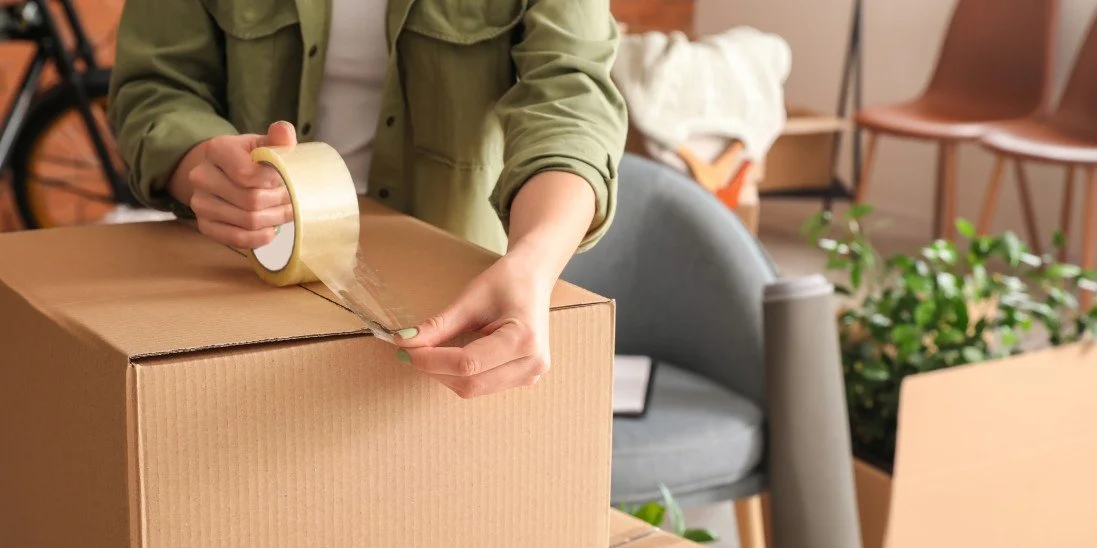
The Easiest Way to Declutter Before Moving
Feeling overwhelmed? Master the easiest and most practical way to declutter before moving with our simple, step-by-step guide. Start fresh in your new home!
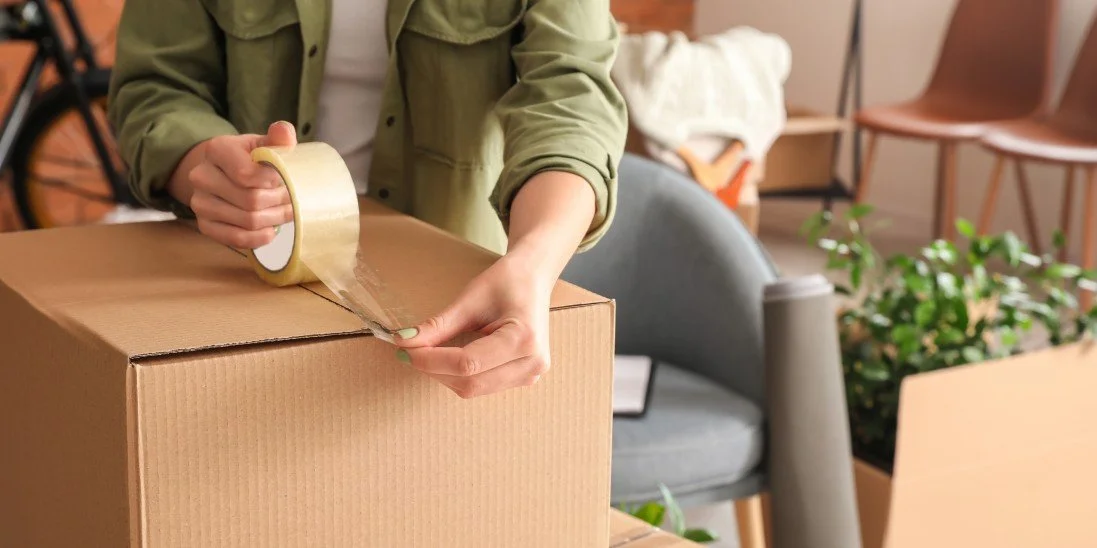
Moving is already a huge task without having to pack up years of accumulated belongings. Sorting through everything you own can feel overwhelming, but it doesn’t have to be. We’ll show you the easiest way to declutter before moving, turning a stressful job into a manageable one. We will help you lighten your load so that you can start fresh in your new home!
Start Small and Stay Focused
The thought of decluttering an entire house at once is enough to make anyone want to give up. The trick is to break the process down into smaller, more digestible parts. Instead of tackling a whole room, start with a single drawer or a small section of your closet. This approach prevents you from feeling overwhelmed and gives you a sense of accomplishment early on.
Once you’ve cleared a small area, you can move on to the next. For instance, after organizing your junk drawer, you might tackle the kitchen counter. These small victories build momentum and make the entire process feel less daunting. Remember, you’re not trying to do everything in one day; consistency is what matters most.
Use a Simple Sorting System
To keep your decluttering organized, create a simple sorting system. You’ll need four distinct piles or boxes: Keep, Donate, Sell, and Toss. As you go through your items, decide which category each one belongs to. Being decisive is crucial here; try not to overthink every little thing.
The “Keep” pile should only contain items you genuinely use, love, or need. The “Donate” pile is for items in good condition that you no longer want. For higher-value items you’re ready to part with, the “Sell” pile can help you make a little extra cash for your move. Finally, the “Toss” pile is for anything that is broken, expired, or no longer usable.
Consider Professional Help
Sometimes, the amount of stuff you need to get rid of is just too much to handle on your own. This is where professional help can be a lifesaver. A junk removal service can quickly and efficiently haul away all the items you’ve decided to toss, from old furniture to bags of miscellaneous clutter. This saves you from making multiple trips to the dump or recycling center.
Hiring professionals streamlines the final decluttering step and frees up your time to focus on packing and other moving preparations. Just be sure to do your research to avoid mistakes when hiring a junk removal service and find a reliable company that fits your needs. It’s a great way to clear out the last of the clutter with minimal effort.
A Fresh Start Awaits
By breaking down the process and staying organized, you’ll find that using the easiest way to declutter before moving is entirely achievable. You’ll save money on moving costs by having fewer things to transport, and walk into your new home feeling lighter and more organized. Embrace the opportunity for a clean slate and enjoy the peace that comes with a clutter-free space.
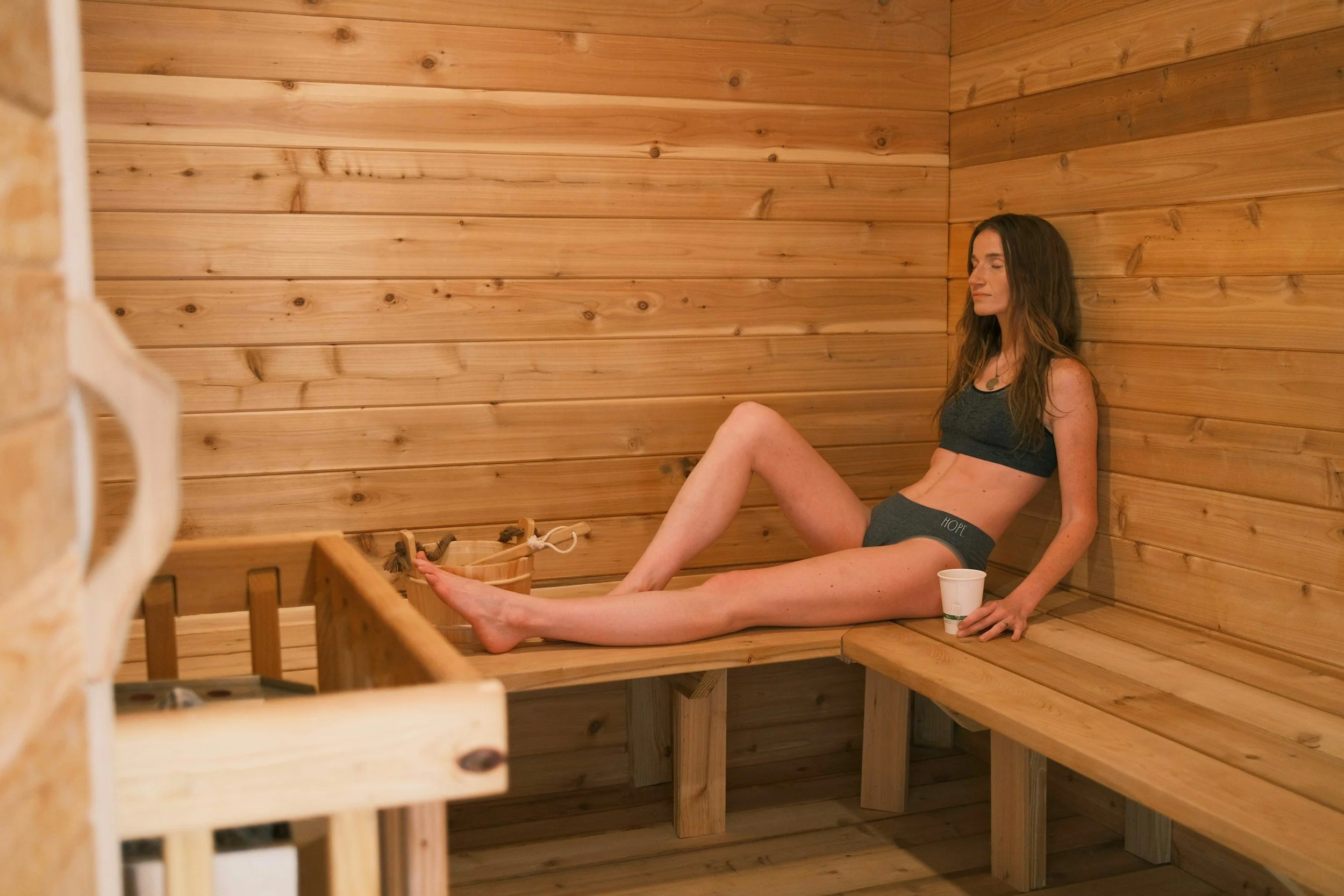
Backyard vs. Indoor Saunas: Which One’s Right for You?
Choosing between an indoor or backyard sauna? Learn the pros and cons of each to find the perfect fit for your home and lifestyle. Read our full guide.
We partnered with a home improvement company for this post. The opinions in the post are honest. All reviews and opinions expressed in this post are based on our personal views. We are excited because we know you will love it.
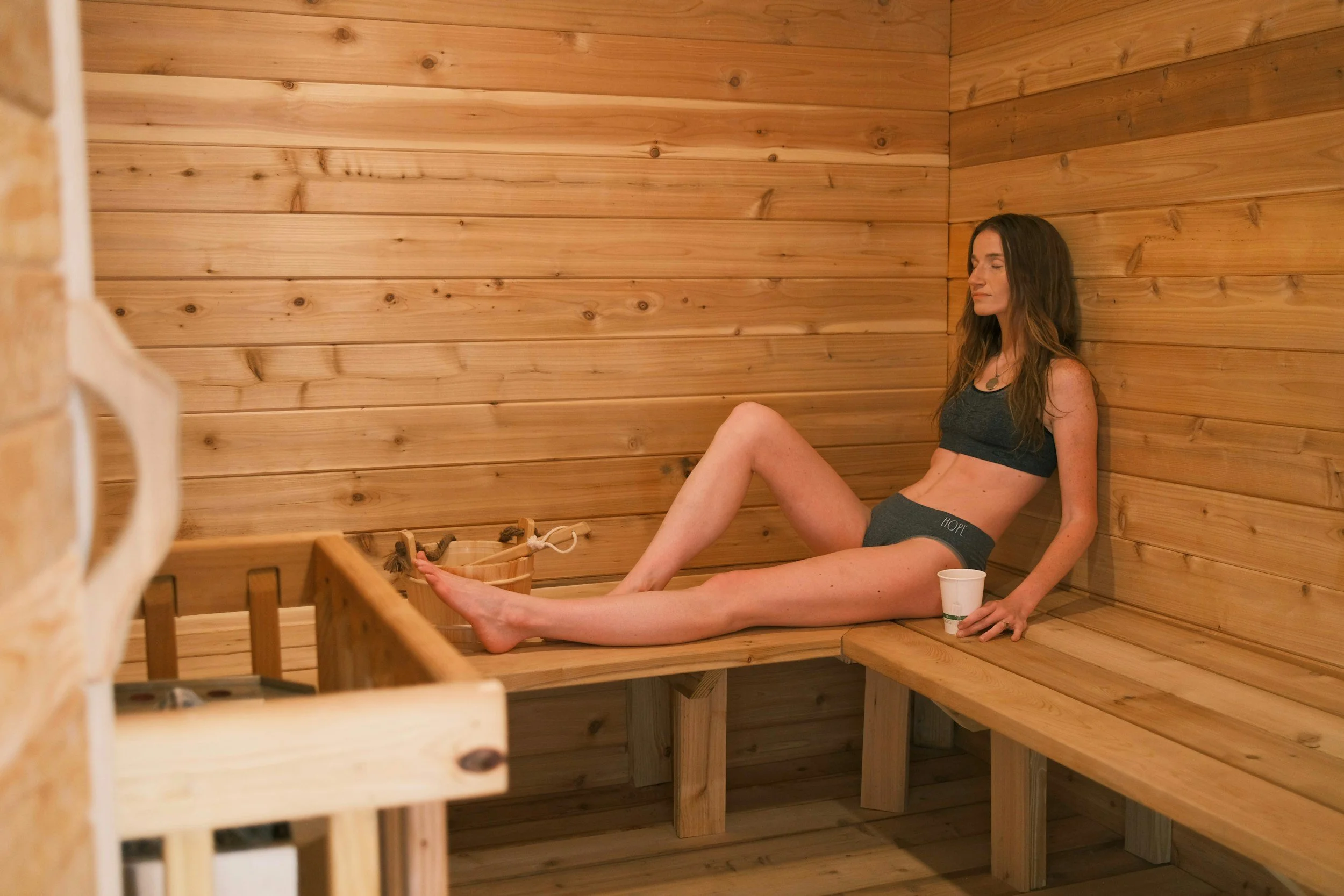
So you’ve decided to bring the spa to your home. That’s a great choice! We think adding a sauna into your at home routine is the best thing for your health. It reduces stress, improves circulation and also feels great after a long day.
Where does it go?
Between a backyard or an indoor sauna that is a big call. What each has to offer is amazing but what works best varies by your lifestyle and space you have. We are going to go through it all to help you find your perfect fit.
The Charm of the Backyard Sauna
There’s a magic to that which happens when you step out for a sauna. Backyard saunas, what we also know as outdoor saunas, are very much in trend at the moment. Here is what people love about them.
The Relationship with Nature.
A home sauna which is set up in the back yard provides a break from daily life which a room in the house can’t. Picture yourself in the warmth as the snow falls or the sun sets beyond the window. It brings your health routine to the great outdoors. If you like the crisp air and the sound of birds that’s what you will get with a backyard sauna.
No space issues:
In your home you are bound by the height of your ceilings and width of your hallways. Outdoors the sky is the limit. We have larger cabin options as well as barrel saunas. These are great for throwing “sauna parties” with friends and family.
Aesthetic value:
In the back yard you will find a beautiful cedar sauna which is a piece of art. Also it can add to the value of your home and may even increase it. Many home owners use them as a focus for their outdoor living which is by the pool or fire pit.
Things to Consider for Outdoor Units
While at home saunas which are beautiful, they do require some work. You will want to create a solid flat base like a concrete pad or a wooden deck. Also bear in which weather condition you live in. In very cold climates your sauna may not get up to temperature as quickly.
Also you will see that we have the task of running in the electrical or gas to your back yard. This adds to the initial price. But for many the experience of privacy which it brings at home is well worth it. For the in-depth tech info on outdoor home saunas which will help you choose your site, see the various Home Sauna resources.
The Convenience of the Indoor Sauna
If you like convenience and ease of use then an indoor sauna may be what you are looking for. These units are to fit into your present home setting.
Ultimate ease of use:
Indoor saunas are the hands down choice in terms of convenience. You don’t have to brave the elements to get to your session which is a plus. Also because they are so easy to access, most people report that they use indoor saunas more often than outdoor ones.
Speed up heat transfer and efficiency:
Indoor saunas are sheltered from the elements. Also they are in a controlled temperature environment which they heat up very quickly. Also they are very energy efficient as they don’t have to counteract the cold of the outdoors.
Lower care:
In your indoor sauna you don’t have to worry about leaves, dirt, or insects they can’t get in. Also the exterior wood is protected from sun and rain which in turn will keep your sauna looking brand new for a very long time with almost no effort.
Where Does an Indoor Sauna Fit?
Many present day homes feature infrared technology in their indoor saunas. What we see is that they produce little to no steam which in turn makes them very safe for use in spare bedrooms, basements and even large master bathrooms. Companies like Sun Home Saunas also do very well at presenting a modern look which is very much at home in a home gym or a dedicated wellness room.
Comparing the Costs
Budget is a key issue. Also it has been noted that in most cases installing an indoor sauna is a more affordable option out there. This is due to the fact that you are reusing the existing floor and roof structure also in many cases the electrical is taken care of.
Outdoor saunas do break the bank. You are creating a small weather resistant structure. Also you have to factor in the cost of the foundation, the roof, and the long distance wiring. But the atmosphere which an outdoor sauna brings to you is hard to put a price on.
Feature
Indoor Sauna
Backyard Sauna
Ease of Access
Very High
Moderate
Installation Cost
Lower
Higher
View/Vibe
Homey/Private
Nature-focused
Maintenance
Minimal
Moderate
Social Space
Limited
High
Which One Is Right for You?
Still unsure? Consider this:.
What can I fit into my space? If you live in a condo or have a small yard go indoors. If you have a large garden, go outdoors.
What’s my climate? If you live somewhere that has very cold winters and you don’t care for it, you may regret going out of your home to get to the sauna.
What are you after? For a quick daily health pick me up indoors is best. If what you are looking for is a “get away” experience to share with friends, head to the backyard.
Final Thoughts
Whether it’s an in-home sauna or a private cabin in the back yard, you are doing what is best for your health. Saunas improve your sleep, they aid in recovery from work out, and also give you a break from the digital world and real life.
Take your time to look at your space, see what your budget is, and imagine which one you will relax in the most. No matter which you choose, the heat will be great!

