

A resource for those seeking information on organizing and transforming spaces.
How To Use Exposed Posts and Beams as Your Primary Interior Design Element
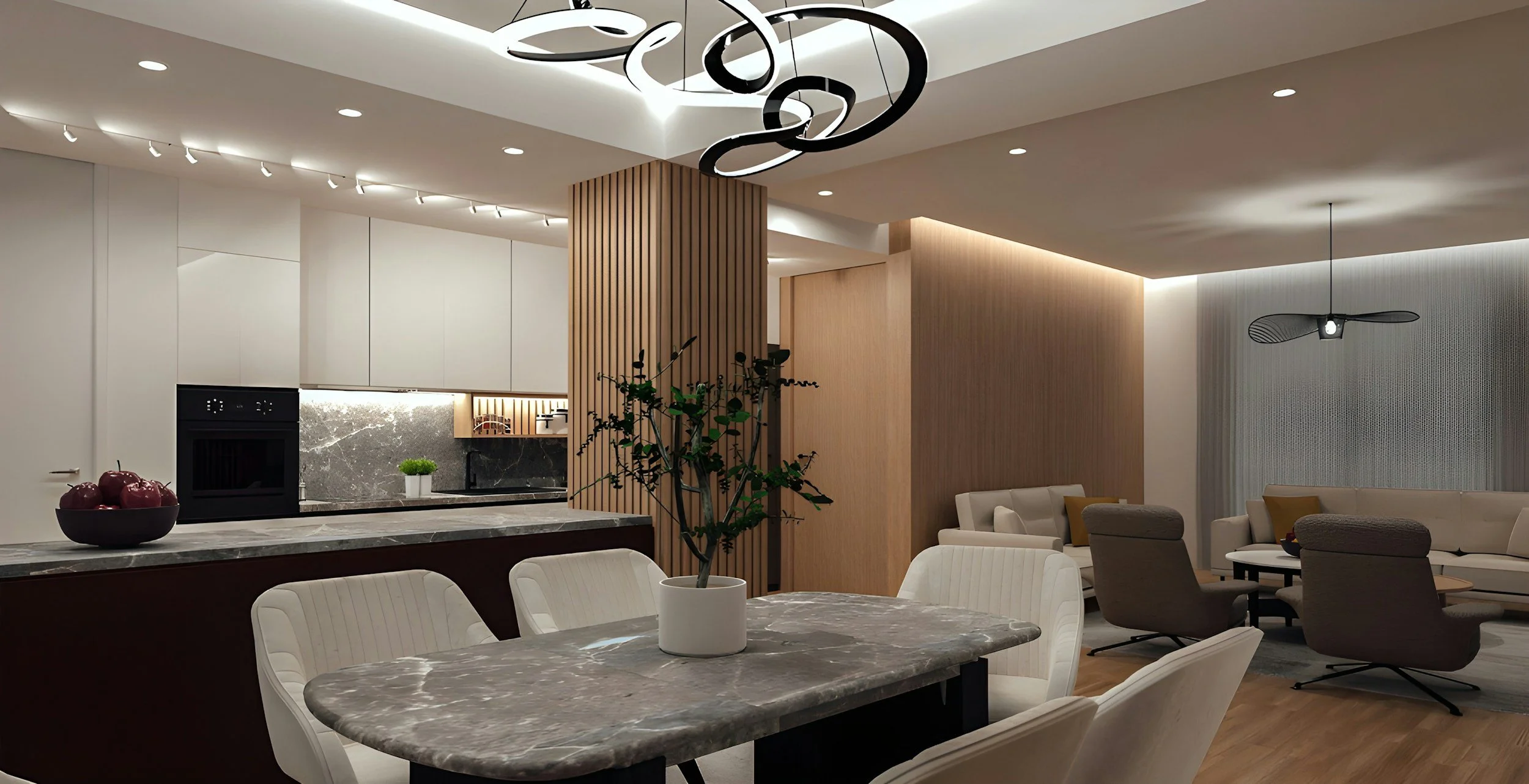
Exposed posts and beams feature prominently in modern design. When you look at inspirational pictures of modern decor, you’ll almost certainly see at least one example. This aesthetic has found its way into a variety of interior design styles, from rustic to minimalist. Whether you have a home with exposed timber that you need to design around, or you’re looking to build a home with such features, you’ll need a good plan. Use these ideas to help you find a theme, colors, and features that showcase the beauty of exposed posts and beams.
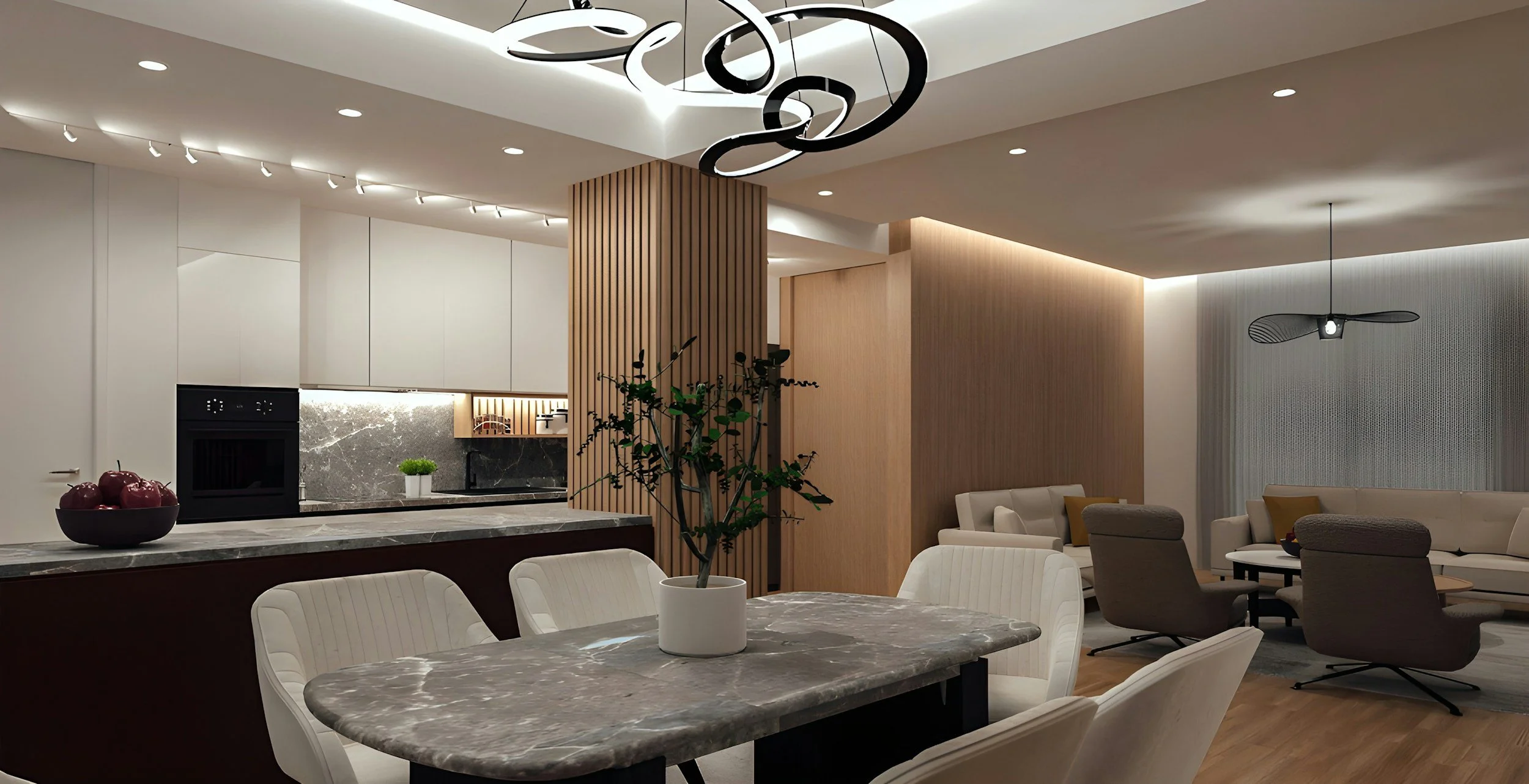
Exposed posts and beams feature prominently in modern design. When you look at inspirational pictures of modern decor, you’ll almost certainly see at least one example. This aesthetic has found its way into a variety of interior design styles, from rustic to minimalist. Whether you have a home with exposed timber that you need to design around, or you’re looking to build a home with such features, you’ll need a good plan. Use these ideas to help you find a theme, colors, and features that showcase the beauty of exposed posts and beams.
Select a Cohesive Theme
Although you can fit exposed timber into almost any aesthetic, it’s important to choose a cohesive theme to go with it. Exposed beams tend to draw attention, much like a grand staircase. Think about the ways that you plan to use the space, and then come up with a few ideas. Do you want to lean into the warm, rustic charm, or incorporate brick and metal accents to go along with an urban industrial style? Make sure you have the theme in place before you go shopping for décor and furniture. That way, you can be sure that everything you choose will feel like it belongs in the room.
Follow the Natural Lines
Whether you ask your timber frame architects to expose the beams and posts as part of the home design process, or you choose to expose them as part of a renovation project, you’ll need to follow the natural lines. That’s the difference between incorporating existing design elements from the home structure and adding to the existing flow of the space. This design approach generally means that you should pick one direction for beams to follow, typically the layout of the existing frame. Longer beams help maintain an open feel, while shorter beams can help divide the space.
Choose an Engaging Color Palette
With exposed timber, you may choose to accentuate it or help it to blend in with the room décor. In most cases, you’ll probably want to select a contrasting palette to help the beams and posts stand out. White is a popular choice, especially for minimalist designs. White helps to make the beams a focal point as the major source of color on the walls and ceiling. You may choose to paint the beams the same color as the ceiling, but you’d need to incorporate lighting and other methods to call attention to them.
Illuminate Key Features
For such a striking feature in the room, you definitely need the right lighting. Room lighting should provide effective illumination for the tasks you might engage in while you’re there, but you can also use accent lighting to emphasize the room’s key features. Consider installing spotlights that point upward, toward the exposed beams. This approach will create moderate illumination for the room that avoids glare while creating a track that the eye can easily follow to see the ceiling.
Incorporate Natural Wood Accents
To keep the exposed timber from standing out too much, you may want to consider incorporating natural wood accents into the room. Look at the post-treatment colors of the posts and beams, and choose a type of wood that you can put in the room as a unifying accent. For example, you might pick a dining table with similar wood, or a coffee table with the same stain. Add a few coordinating pillows or decorative accents can emphasize the cohesiveness of the space without detracting from the beauty of the timber.
If you’re eager to incorporate exposed timber into your home design, you’re not alone. This design element fits into a variety of themes, and with good upkeep, you can enjoy it for decades. Focus on choosing the right theme, color palette, lighting, and accents. That way, you’ll have a space that feels perfectly natural, functional, and unified.
Sources reviewed
https://renoquotes.com/en/blog/exposed-ceiling-beams
https://www.thespruce.com/decorative-ceiling-beams-ideas-7499063
https://www.suzieandersonhome.com/a/blog/the-complete-guide-to-urban-industrial-style-interior-decorating
Creating the Ultimate Outdoor Kitchen in Your Backyard
Transform your backyard with the perfect outdoor kitchen. Build functionality, style, and seamless entertaining with these essential design insights.

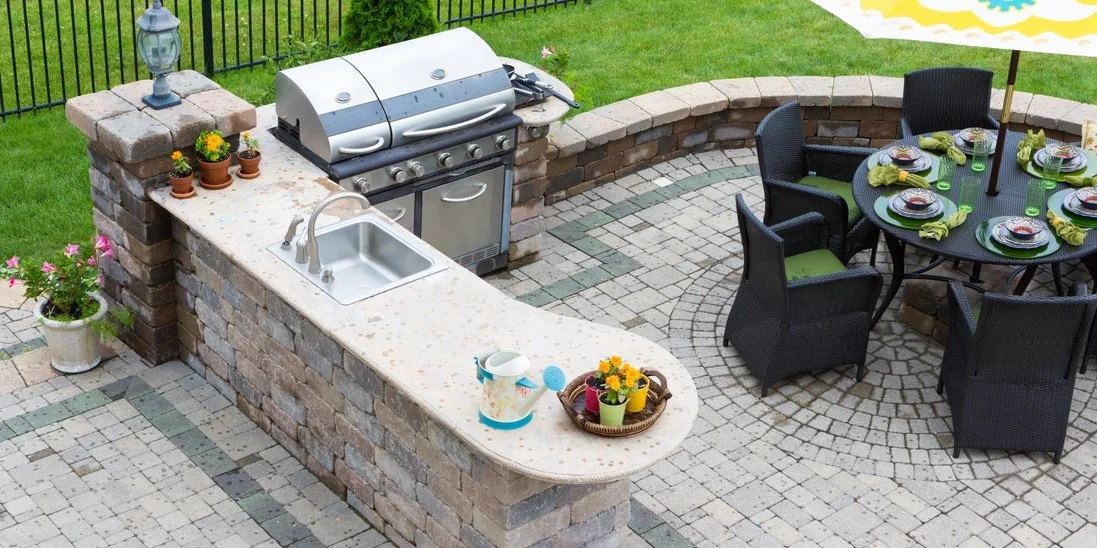
An outdoor kitchen is the perfect way to enhance your backyard, making it the ultimate space for cooking, dining, and entertaining. With thoughtful planning, you can create a stylish and functional outdoor kitchen that serves as the heart of your outdoor living space. From choosing the right layout to picking the best materials, creating the ultimate outdoor kitchen in your backyard doesn’t have to be a huge hassle.
Designing Your Outdoor Kitchen Layout
The foundation of a successful outdoor kitchen is its layout; begin by mapping out the space and considering the workflow. The kitchen should be efficient and easy to use, incorporating the "kitchen triangle" principle, which places the grill, sink, and preparation area within close proximity. Think about how you’ll move between zones and make sure the design meets your cooking habits and entertaining goals. Position the kitchen to face seating and dining areas, allowing you to interact with guests while preparing meals.
Proper spacing of appliances and surfaces is also critical. Ensure there’s enough countertop space for food prep, serving, and storage while leaving plenty of room to move around comfortably. By blending functionality with aesthetics, your layout can strike the perfect balance between practicality and visual appeal.
Materials Built to Last
An outdoor kitchen faces the elements year-round, so selecting durable materials is vital. Stainless steel appliances are the gold standard for outdoor kitchens due to their resistance to rust and ease of cleaning. For countertops, opt for natural stones like granite or concrete, which can withstand varied weather conditions while adding a touch of sophistication to your design.
Flooring is equally essential since it provides the foundation for your space. Choose non-slip surfaces such as porcelain tiles or textured concrete to ensure safety while adding a seamless look to your backyard. Incorporating weather-resistant cabinetry and covers for appliances will extend the lifespan of your outdoor kitchen and maintain its polished appearance.
Outdoor Kitchen Island as the Centerpiece
One of the standout features of an outdoor kitchen is the island. Not only does it elevate the visual appeal of the space, but it also serves as a multifunctional centerpiece. An outdoor kitchen island can combine cooking, dining, and socializing in one convenient area. The island is one of the most important features you’ll include in your outdoor kitchen, so take the time to learn how to pick the best one for your needs.
Consider adding bar seating to your island, allowing guests to sit comfortably while you prepare meals. To enhance usability and organization, integrate features like electrical outlets for small appliances and hidden storage for utensils or condiments. By designing the island with both form and function in mind, it becomes the hub of your backyard gatherings.
Lighting and Ambiance
Lighting is a key element in creating an inviting and functional outdoor kitchen. Strategically placed light fixtures can highlight key areas, such as the grill and preparation zones, ensuring safety and practicality after sundown.
Add dimmable string lights or lanterns to infuse warmth and ambiance, creating a cozy atmosphere for evening entertainment. Incorporating an outdoor fireplace or fire pit adds both light and a focal point for gatherings.
Adding Personal Touches
Make the space your own by adding personal touches that reflect your style. Incorporate décor elements such as colorful cushions, planters, or an herb garden to create a welcoming environment. Expand functionality by integrating smart outdoor appliances or a sound system to enhance the experience. The ultimate outdoor kitchen seamlessly combines style, convenience, and personality, making it a true extension of your home.
With careful planning, durable materials, and thoughtful design choices, you can transform your backyard into a practical outdoor kitchen that blends comfort and functionality. An outdoor kitchen not only adds value to your home but also sets the stage for unforgettable gatherings with family and friends.
Methods to Keep Your Kids' Things Organized
Make your life easier with tips to keep your kids' belongings organized, from toy storage to effective organizational solutions for a clutter-free home.
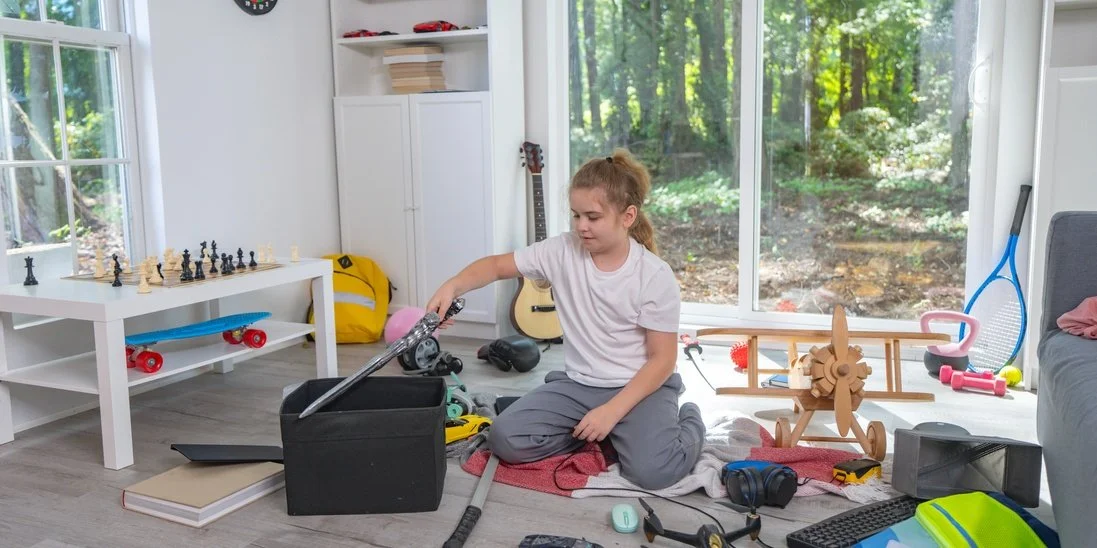
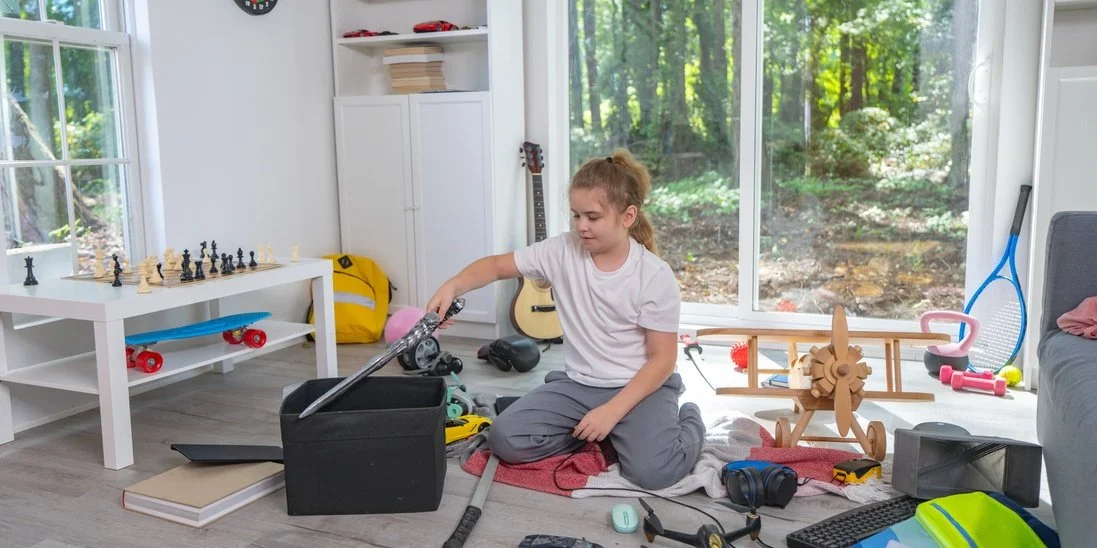
Managing the endless array of your kids' belongings can feel like an uphill battle. From toys and clothes to school supplies and sports gear, keeping everything in its place requires a strategic approach. With a few methods to keep your kids’ things organized, you’ll be on your way to having a clean, clutter-free home in no time.
Designate a Home for Everything
One of the first steps to organization is ensuring that everything your kids own has a specific spot in the house. When toys, books, and school essentials have designated storage, it becomes easier for your children to put items away after using them.
Consider using labeled bins, shelves within reach, and clear containers to make finding and returning items simple. This approach not only keeps the house tidy but also teaches kids responsibility and independence.
Rotate Toys to Minimize Clutter
If your home is overflowing with toys, a toy rotation system can be a game-changer. Store some toys out of sight and periodically swap them out with the current collection.
This not only reduces clutter but also keeps your kids excited about their toys, as they seem fresh and new each time. By limiting the number of items available for play at any given time, you create a more manageable environment for both kids and parents.
Make Use of the Garage
The garage is an often-overlooked space for organizing your kids' overflow items. Consider installing wall-mounted slatwalls to store bicycles, helmets, and sporting equipment in a neat and orderly manner.
Create storage zones for seasonal items such as sleds or pool toys, so they’re easily accessible when needed but out of the way when not in use. Hanging your kids’ belongings with slatwalls may seem easy, but it can quickly become disorganized without proper management. When dealing with sports equipment or other items, know how to store them on your slatwalls without causing another mess.
Set Up a Daily Cleanup Routine
Consistency is key when it comes to keeping your home organized. Establishing a daily cleanup routine where everyone pitches in can make a huge difference.
Assign age-appropriate tasks to your kids, such as picking up toys or organizing their school supplies at the end of each day. Turning cleanup time into a game or playing music can make it more enjoyable for younger children while instilling good habits.
Label Everything
When everything has a label, kids and adults alike know exactly where each item belongs. Use color-coded labels for younger children who aren’t yet reading, or simple printed names for older kids.
Not only does this eliminate confusion, but it also encourages independence as kids can easily find and return their belongings to the right place.
Keep Your Home Organized
By following these methods, you can maintain a tidy and stress-free environment while teaching your kids valuable organizational skills. With some effort and consistency, you’ll be able to effortlessly organize your kids’ things in your home and keep it a calm, clean space that everyone can enjoy.

Best Way to Organize Clothes: Closet, Dresser, or Wardrobe?
Struggling to keep your bedroom tidy? We break down the pros and cons of using closets, dressers, and wardrobes so you can find the perfect storage solution.

You've got clothes everywhere, and you're not sure how to get them under control. Finding the best way to organize clothes can feel like a puzzle. Are you supposed to hang everything, fold it all, or use a mix of both? Deciding between a closet, dresser, or wardrobe really comes down to your space, your stuff, and your personal style. Let's walk through each option so you can figure out what works for you.
Sticking With the Standard Closet
A closet is a recessed, enclosed space in a wall used for storage, particularly for clothes. For many, closets are the default option since most bedrooms come with one built-in. You hang your clothes up, shut the door, and forget about them. Closets work well for people who hate folding, but they can turn into a black hole if you aren't careful.
Pros
Keeps button-down shirts and dresses wrinkle-free
Allows you to see your full outfit options at a glance
Utilizes vertical space effectively
Cons
Often lacks proper shelving for non-hanging items
Becomes easy to overstuff until you can't find anything
Requires you to buy hangers for every single piece
Folding It Away in a Dresser
A dresser is a piece of furniture with drawers, typically used for storing folded clothes. This classic piece of furniture does the heavy lifting for t-shirts, socks, and pajamas. They come in different types, from wide, low options to tall, skinny chests, so you can fit them into almost any layout. They keep the visual clutter hidden inside drawers, which makes the whole room feel cleaner.
Pros
Great for organizing small items like socks and underwear
Provides a hard surface on top for decor, a mirror, or a TV
Separates categories easily by assigning a drawer to each
Cons
Requires you to fold laundry immediately to fit it inside
Deep drawers often become messy pits where clothes get lost
Bulky items like sweaters take up too much drawer real estate
Adding Style with a Wardrobe
If your room lacks closet space, a wardrobe or armoire saves the day. These are large, freestanding cabinets equipped with hanging rods, shelves, or drawers for storing clothing and accessories. Because they're freestanding, you can place them—and move them—anywhere. This option often appeals to people living in older homes or apartments where built-in storage is scarce.
Pros
Adds a strong design element and character to the room
Offers flexible storage with a mix of hanging rods and shelves
Works in rooms that have zero built-in closet space
Cons
Takes up significant floor space in the bedroom
Can be extremely heavy and difficult to move
Usually costs more than basic organizers or shelving units
What's Right for You?
So, what's the verdict? There isn't one single best way to organize clothes. Most people's preferred setup is a combination of a closet, dresser, or wardrobe. You might use a closet for hanging items, a dresser for folded clothes, and a wardrobe if you need extra space. This hybrid approach works well for maximizing storage and keeping everything accessible.

