

A resource for those seeking information on organizing and transforming spaces.

Sell Your House Without Lifting a Paintbrush – Seriously
Selling a home often feels like a long list of chores. Many homeowners think they must update, repaint, repair, and refresh everything before even thinking about listing. That idea creates pressure, money stress, and delays. The truth is far more freeing. You can sell a house in its current condition without touching a paintbrush or making your place look like a magazine cover.
We partnered with a real estate company for this post. The opinions in the post are honest. All reviews and opinions expressed in this post are based on our personal views. We are excited because we know you will love it.
Selling a home often feels like a long list of chores. Many homeowners think they must update, repaint, repair, and refresh everything before even thinking about listing. That idea creates pressure, money stress, and delays. The truth is far more freeing. You can sell a house in its current condition without touching a paintbrush or making your place look like a magazine cover.
This approach works for owners who are busy, tired of projects, or simply ready to move on. Today’s selling options give you choices that match real-life situations, not picture-perfect expectations. This blog walks through how the process actually works, why many buyers welcome as-is homes, and what you should expect from start to finish.
Why Selling As-Is Works Today
Many homeowners picture a traditional sale when they think about selling. That route often requires cleaning, repainting, fixing cosmetic flaws, and preparing the home for showings. Working with Easy Home Sale helps shift that mindset because buyers who purchase as-is focus on value, not cosmetics.
The demand for as-is homes is stronger than people realize. Some buyers want properties they can customize, while others prefer projects they can renovate and resell. For them, a home with worn paint or outdated finishes is not a problem. It is an opportunity. Selling as-is works when the buyer’s goals match your desire for a simple, fast exit.
Let Go of the Paintbrush and Still Get Interest
One of the biggest myths in real estate is that fresh paint magically increases your chances of selling. In reality, many buyers care more about layout, structure, and location. If a wall has scuffs or the trim is dated, they know it can be painted later.
Letting go of cosmetic pressure creates freedom. You are not scrambling to hire painters, worrying about color choices, or stressing over weekend projects. More importantly, you avoid unexpected costs. A simple sale should never require draining your savings on appearance updates.
Interest grows from pricing, presentation, and buyer type. When your listing is positioned for as-is buyers, your home becomes attractive to a completely different audience, one that values potential over perfection.
What As-Is Buyers Actually Look For
Some homeowners imagine that selling as-is means buyers will nitpick the entire property. In reality, the opposite happens. As-is buyers expect flaws and focus on bigger-picture details.
They want a home with solid bones or a property that provides room for renovation ideas. They look at the flow of the space, the foundation, and the potential return on improvements. They are not worried about paint scratches, mismatched cabinets, or small tasks like cabinet maintenance that new owners plan to handle after moving in.
This mindset works in your favor because it removes the pressure to make cosmetic changes. When you understand what matters to an as-is buyer, you stop trying to fix what they never cared about in the first place.
How to Set Realistic Expectations From Day One
Selling a home without repairs requires a simple mindset: clarity over perfection. Start by understanding how the market reacts to as-is listings. Some buyers appreciate the honesty of a home that clearly needs updating. Others see it as a chance to invest in upgrades on their own timeline.
Setting expectations helps you feel confident throughout the process. You know you will not be pressured to repaint or patch small imperfections. You also know that pricing reflects the property’s current condition, not a pretend version polished with temporary fixes. This honest approach also makes the sale faster. Buyers who show interest already understand the home is as-is, which cuts down on negotiation back-and-forth.
What You Don’t Need to Fix Before Selling
Most people are surprised by how little they need to do. You don’t need to repair cosmetic flaws or replace light fixtures. You don’t need to repaint the living room, whiten the trim, or scrub every mark from the hallway walls. There is also no need to complete half-finished upgrades unless they affect safety. As-is buyers expect to take on projects after closing. Leaving things as they are can actually save time and create a smoother sale because buyers see the true condition rather than fresh cover-ups.
Quick Prep Moves That Keep Stress Low
Some small steps can make your home feel more welcoming without lifting a paintbrush. These tasks focus on clarity, not renovation.
Open blinds for natural light so rooms look bigger
Remove excess items from surfaces to avoid visual clutter
Give floors a simple sweep for better first impressions
Set furniture in a way that clarifies walking paths
Keep personal items stored so visitors can imagine the space as theirs
These adjustments help buyers focus on size, layout, and potential.
How As-Is Pricing Really Works
Many homeowners worry that skipping repairs will ruin their pricing. The reality is more balanced. As-is pricing reflects your home in its true condition. This means buyers know what they are getting, and you avoid arguments over minor fixes.
Buyers who shop for as-is properties already expect to put money into updates. They calculate their renovation plans when making an offer. This becomes a fair exchange: they take the home as it stands, and you avoid spending thousands on improvements you never wanted to make. Transparent pricing actually attracts serious buyers because they value honesty in the listing.
When a Fast Sale Matters More Than Paint
There are times when convenience is worth more than cosmetics. Maybe you’re relocating for work. Maybe the home belonged to a family member, and you need a simple transfer. Maybe you are overwhelmed with the idea of renovations and want a clean exit. A fast as-is sale removes delays that come from repairs, vendors, and showings. You eliminate the stress of preparing your home for multiple open houses. For some people, this ease is the best part of selling without picking up a single tool.
A Smooth Path Toward Closing
When the offer is accepted, the rest of the process moves smoothly. There are no repair negotiations or repaint requests. The buyer already agreed to the home as they saw it. That certainty reduces stress and moves you toward closing with clear expectations.
Selling a home without touching a paintbrush is realistic, practical, and far more common than people realize. Many buyers welcome the chance to shape a property their own way. If you want a simple move, a fast sale, and fewer obligations, an as-is sale may be the best route forward.

How Mobile Storage Units Can Transform Seasonal Decluttering
Discover how mobile storage units transform seasonal decluttering and help you create space and stay organized easily.
Seasonal clutter builds slowly. One holiday passes, another season arrives, and suddenly closets feel crowded again. Many people struggle to keep a balance between keeping memories and maintaining space. Mobile storage units can truly transform seasonal decluttering because they create breathing room without forcing rushed decisions. Instead of stuffing items into already full closets, you gain a temporary holding space right outside your home. This approach reduces stress and helps you sort belongings at a comfortable pace. Let's find out what the signs are that you need to get a storage unit and transform your decluttering.
Why Mobile Storage Units Transform Seasonal Decluttering

Mobile storage units change the decluttering process by removing the biggest obstacle: timing pressure. Traditional storage requires packing everything quickly and transporting it immediately. With a mobile unit, you load items gradually while deciding what stays or goes. This slower pace helps you make better choices. You can separate decorations, winter gear, or sports equipment without rushing. Many people notice they donate more items once clutter leaves daily sight. Space creates clarity. A storage unit placed near your home also reduces physical strain. You move items once instead of multiple times. This convenience encourages consistency during seasonal cleanups. Over time, you build a simple system for rotating belongings throughout the year. That consistency helps your home stay organized without overwhelming weekend cleanouts or last-minute panic before guests arrive.
Small Homes Benefit the Most From Flexible Storage
Limited square footage often makes seasonal clutter feel overwhelming. Mobile storage offers relief without permanent renovations. Many people realize that removing rarely used items creates instant visual appeal when trying to maximize small home spaces with smart storage solutions. Clearing bulky belongings opens walkways and improves room flow. Your living areas begin to serve their intended purpose again. Storage units allow apartments and small homes to function like larger spaces. Small homes especially benefit from systems that adapt throughout the year instead of relying on crowded closets or overflowing cabinets.
How to Plan the Process Without Overthinking

Many people hesitate because they feel unsure about how to approach this task and seasonal storage solutions without creating extra work. Start small. Choose one area, such as a hallway closet or garage shelf. Remove everything and sort items into keep, store, donate, or discard piles. Avoid perfection. Focus on progress. Load storage items immediately so clutter does not creep back indoors. Create simple rules, like storing anything unused for six months. This keeps decisions clear and quick. Scheduling decluttering sessions in short blocks also helps prevent burnout. Even thirty focused minutes can create visible change. The goal is steady improvement, not instant transformation. When storage sits nearby, you can pause and continue later without losing momentum.
Packing Smarter Makes Seasonal Changes Easier
Packing methods matter more than most people expect. When boxes are organized well, seasonal swaps become fast and stress-free. Many homeowners discover that learning how to organize and label moving boxes so unpacking takes half the time makes storage rotations dramatically easier. Use large labels on multiple sides of each box. Write clear categories instead of vague descriptions. Transparent bins help you identify contents quickly without opening everything. Keep an inventory list on your phone for quick reference. Place heavier items at the bottom and fragile décor on top. Organized packing saves hours every season. It also prevents frustration when searching for decorations or seasonal clothing. A little preparation now eliminates confusion later and keeps your storage system reliable year after year.
Room-by-Room Seasonal Decluttering Made Simple

Decluttering feels easier when you focus on one room at a time instead of the whole house. Each space collects seasonal items differently, so your strategy should match how you actually live. A room-by-room approach helps you stay organized and prevents decision fatigue. As you move through your home, separate items you use daily from those needed only during certain seasons. Mobile storage gives you a flexible place to move those extras without creating new clutter indoors. This method helps you transform seasonal decluttering into a manageable routine that fits your lifestyle. Use this simple guide as you work through each area:
Living room: Store holiday décor, extra throws, and seasonal electronics not currently in use.
Kitchen: Rotate specialty appliances, large serving dishes, and holiday cookware.
Bedrooms: Pack off-season clothing, spare bedding, and bulky blankets.
Bathroom: Store extra towels, seasonal toiletries, or backup supplies.
Garage: Move sports gear, gardening tools, or seasonal equipment into labeled bins.
Entryway: Remove seasonal shoes, coats, and accessories to keep traffic areas clear.
How to Keep Your Storage Unit Clean and Well-Maintained
Clean storage protects your belongings and makes seasonal rotation easier. A tidy unit also prevents damage caused by dust, moisture, or pests. Start by preparing items before they ever enter storage. Wipe surfaces, wash fabrics, and allow everything to dry completely. Moisture trapped inside boxes can lead to odors or mildew over time. Use sealed plastic bins for clothing, linens, or decorations instead of weak cardboard. Leave small gaps between boxes so air can circulate. Regular cleaning checks help you catch problems early and keep everything fresh. Follow these simple habits to maintain a clean storage space:
Sweep the floor every visit to prevent dust buildup
Avoid storing food or scented products that attract pests
Use moisture absorbers in humid climates
Elevate boxes slightly using pallets or shelving
Check items seasonally for signs of dampness or damage
Replace broken containers immediately
Conclusion: A Simple Change That Can Transform Seasonal Decluttering
Seasonal organization does not need to feel exhausting or repetitive. Mobile storage units offer flexibility, convenience, and breathing room exactly when you need it. By rotating belongings instead of cramming everything indoors, you create a system that truly helps transform seasonal decluttering into a manageable routine. You gain time, reduce stress, and protect items you still value. When clutter no longer controls your space, seasonal changes become smoother and even enjoyable. With the right approach, storage becomes a tool for clarity, comfort, and long-term balance throughout the year.

5 Signs Your Home Would Benefit From a Water Filtration System
Clean water is essential for everyday living, yet many households overlook the signs that their tap water may not be as pure as it should be. From strange tastes to hidden contaminants, water quality can affect your health, comfort, and even the longevity of your appliances.
Clean water is essential for everyday living, yet many households overlook the signs that their tap water may not be as pure as it should be. From strange tastes to hidden contaminants, water quality can affect your health, comfort, and even the longevity of your appliances.
If you’ve been questioning whether your home needs a filtration system, here are five detailed signs that suggest it’s time to make the investment.
Your Tap Water Has an Unpleasant Taste or Odor
Water should taste fresh and clean, but many homeowners notice metallic, chemical, or earthy flavors when they pour a glass from the tap. Chlorine, sulfur, or excess minerals are often responsible for these unpleasant tastes and smells. While municipal water systems treat water to meet safety standards, they don’t always remove everything that affects flavor.
Over time, this can discourage you from drinking enough water, which impacts your health. A home water filtration system can remove these impurities, giving you water that is crisp, refreshing, and enjoyable to drink.
You Notice Stains or Buildup on Fixtures and Dishes
Hard water is a common issue in many regions, and it leaves behind visible signs. White spots on glassware, chalky residue on faucets, or rust-colored stains in sinks and tubs are all indicators of mineral-heavy water. These deposits don’t just look unsightly—they can clog pipes, reduce water pressure, and shorten the lifespan of appliances like dishwashers and washing machines.
Over time, the costs of repairs and replacements add up. Installing a filtration system designed to handle hard water can reduce buildup, protect your plumbing, and keep your home looking cleaner with less effort.
Your Skin and Hair Feel Dry After Showering
If you feel that your skin feels tight or even itchy right after showering, or your hair turns dull and brittle, your water may be to blame. Hard water and chlorine strip away natural oils, leaving your body dry and uncomfortable. Even with moisturizers and conditioners, the problem often persists because the root cause is in the water itself.
By filtering out excess minerals and chemicals, a water filtration system can make showers gentler on your skin and hair. This small change can improve your daily routine, helping you feel more comfortable and confident.
You’re Concerned About Contaminants and Health Risks
Water that looks clear isn’t always safe. Contaminants such as lead from aging pipes, pesticides from agricultural runoff, or bacteria from local sources can sometimes enter household water supplies. These issues vary by region, but they can pose serious health risks if left untreated. Families with children, elderly members, or anyone with health concerns should be especially cautious.
A home water filtration system provides peace of mind by reducing harmful substances and ensuring that the water you drink and cook with is safe. It’s a proactive step toward protecting your family’s long-term health.
Your Household Relies Heavily on Tap Water
If your family drinks tap water daily, cooks with it, and uses it for making coffee, tea, or baby formula, the quality of that water becomes even more important. The more you rely on tap water, the greater your exposure to any impurities it contains.
By installing a filtration system, you’re not only improving taste and safety but also making a long-term investment in your household’s well-being. Clean water supports better hydration, healthier meals, and overall confidence in the water you use every day.
Conclusion
Water is at the heart of daily life, and its quality affects everything from your health to your home’s upkeep. Strange tastes, stains, dryness, or concerns about contaminants are all signs that your household could benefit from a water filtration system.
By addressing these issues now, you can enjoy cleaner, safer water while protecting your family and your home. Pure water isn’t just a convenience—it’s a necessity, and investing in it ensures peace of mind for years to come.
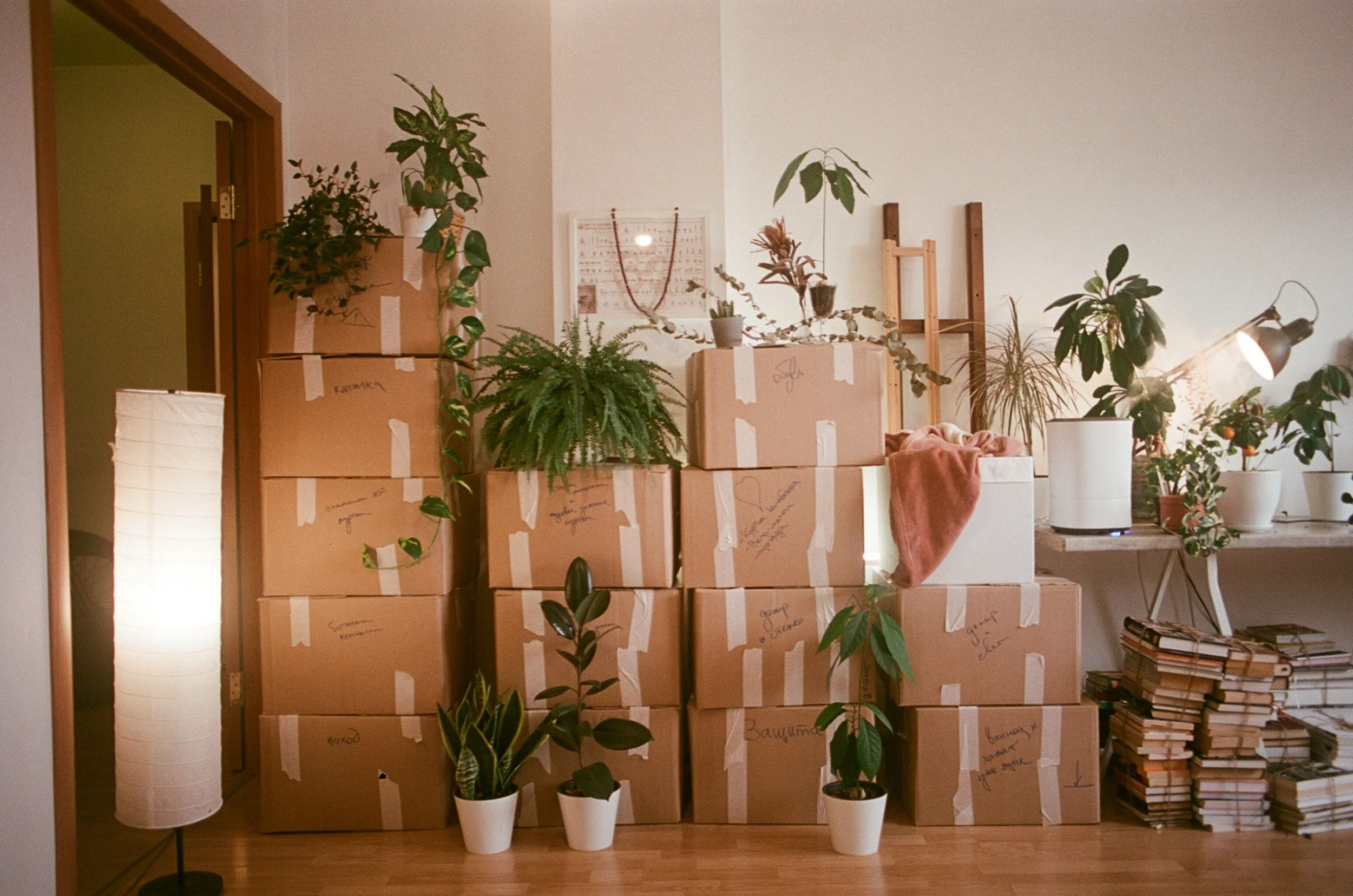
How to Organize and Label Moving Boxes So Unpacking Takes Half the Time
Here is what nobody warns you about. Packing a house? Annoying, sure. But survivable. Unpacking forty identical brown boxes in a new place where you cannot find the coffee maker, the bath towels, or a single fork? That is where people actually lose it.
We partnered with a moving company for this post. The opinions in the post are honest. All reviews and opinions expressed in this post are based on our personal views. We are excited because we know you will love it.

Here is what nobody warns you about. Packing a house? Annoying, sure. But survivable. Unpacking forty identical brown boxes in a new place where you cannot find the coffee maker, the bath towels, or a single fork? That is where people actually lose it.
And the weird thing is, the fix takes almost no extra effort. It just has to happen before the boxes get taped shut, not after.
Writing "Kitchen" on a Box Means Almost Nothing
Everybody does this. Grab a Sharpie, scribble the room name on top, move on. Feels productive. Except once you are staring at a wall of twelve boxes that all say "kitchen," you realize that label told you where the box goes but absolutely zero about what is inside.
One of those boxes has your daily plates and mugs. Another one has a bread maker you forgot you owned. Big difference. Huge difference, actually, when it is 8 PM on move-in night and dinner is not happening without finding the right box first.
Room names are a starting point. They are not a system.
Three Things Every Box Needs Written on It
Grab your marker. Write on two sides of the box, not the top. Tops vanish the second boxes get stacked, and they will get stacked.
First thing: the room. Kitchen, master bedroom, kid's bathroom, office. Wherever it needs to land.
Second thing: a quick description of what is actually in there. Not a full inventory, just the highlights. "Everyday dishes, silverware, coffee stuff" works. "Kitchen misc" does not. You will curse yourself later for every box labeled "misc." Guaranteed.
Third thing, and this is the part that changes everything: write either OPEN FIRST or OPEN LATER. The open-first boxes hold whatever you genuinely need within 24 hours. Plates you eat off of daily. Soap. Sheets. Chargers. Everything else gets the "later" tag and can sit in a corner for a week without causing any problems.
Movers drop off forty boxes. You scan for the ones marked OPEN FIRST. You ignore the rest. Suddenly unpacking night feels manageable instead of nightmarish.
Colored Tape Beats Fancy Labels Every Time
Some people go deep with printed labels, spreadsheets, QR codes. If that is your thing, go for it. But for most households, a few rolls of cheap colored tape from the hardware store accomplish the same thing with a fraction of the effort.
Blue for kitchen. Green for bedrooms. Yellow for bathrooms. Whatever combination you pick, just stay consistent. Wrap a strip around each box.
On moving day, when your cousin is hauling stuff in and does not want to stop and read your handwriting on every single box, he just looks at the tape. Blue goes to the kitchen. Green goes down the hall. Done. No questions, no confusion, no boxes ending up in the wrong room because someone was in a rush.
The Phone List Trick That Takes Ten Seconds Per Box
Number each box with a marker. Keep a running note on your phone. That is it.
Box 4: Kitchen, pots and baking sheets, open later. Box 5: Master bedroom, bedding and pillows, open first. Box 11: Office, files and desk supplies, open later.
Sounds tedious. Takes about ten seconds each time. And when you are tearing the house apart three days after the move looking for your kid's tablet charger, you open your phone, search "charger," and box 17 pops up. No digging through random boxes like a raccoon in a dumpster.
Also useful for confirming everything made it off the truck. Count your boxes against the list. If box 23 is missing, you know exactly what was in it.
One Room Per Box, No Exceptions
The fastest way to destroy any labeling system is to start mixing rooms inside a single box. Half kitchen items, half bathroom stuff, maybe a random picture frame from the hallway. Now that box belongs nowhere and the label is meaningless.
If a box is only three quarters full, stuff towels or packing paper in the gap. Resist the urge to grab something from another room just to fill the space. That shortcut always backfires during unpacking. Always.
One room per box. No exceptions. Your future self will be weirdly grateful for this discipline.
Pack a "First Night" Box for Every Person
This one idea alone prevents about 80% of move-in night meltdowns. Each person in the household gets their own clearly marked box with everything they need to survive the first night.
Pajamas. Toothbrush and toothpaste. Phone charger. Any medications. A change of clothes for the next morning. Maybe a snack and a water bottle.
Label it with the person's name and OPEN FIRST in big letters. Load it last on the truck so it comes off first. When everything else is chaos, at least everyone can shower, brush their teeth, and sleep in clean clothes.
Households that would rather skip the whole packing puzzle entirely sometimes bring in a professional packing and unpacking service to handle it. These crews already use built-in labeling and inventory systems as part of their process, so every box shows up sorted by room, listed, and ready to unpack in a logical order.
Do Not Break Down Boxes Too Quickly
Once a room is unpacked, the instinct is to immediately crush the boxes and haul them to recycling. Hold off for a few days. Stuff ends up in wrong rooms sometimes. You might need to check your numbered list to track down something that was not where you expected.
After about a week, when everything has found its permanent spot and nobody is searching for anything, flatten them all and recycle the pile. Job done.
The Real Secret
People who unpack a full house in one organized weekend are not superhuman. They did not hire a life coach. They just spent a little extra time with a marker before the truck showed up.
Three things on every box. One color per room. A ten-second note on the phone. That is genuinely all it takes to turn unpacking from a week-long disaster into something you knock out over a couple of days.

