

A resource for those seeking information on organizing and transforming spaces.
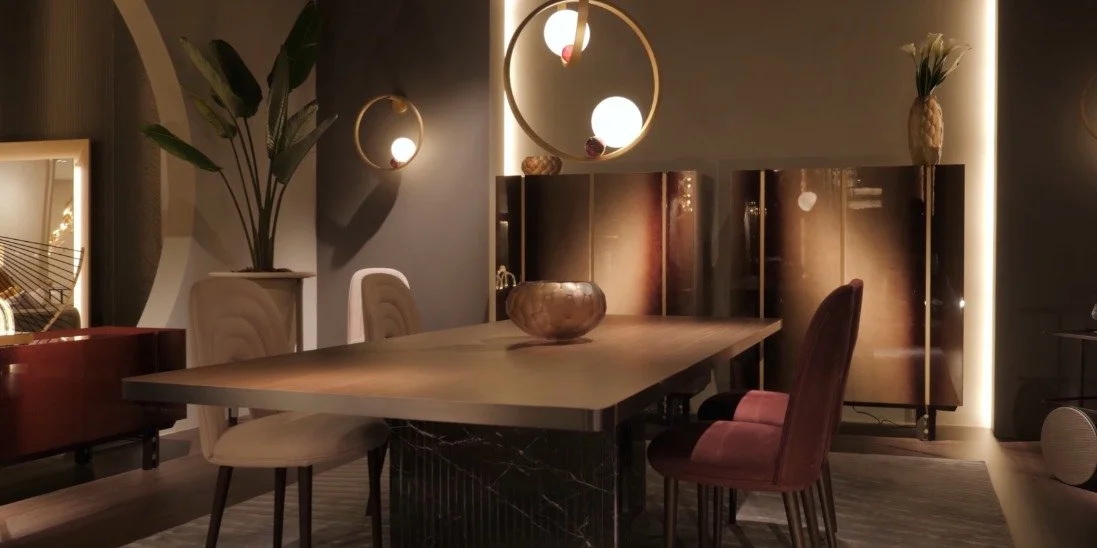
Design Changes That Make Your Home Look and Flow Better
Small layout, lighting, and material tweaks can make your home feel instantly calmer. Get the ideas that smooth daily bottlenecks while boosting style.
Most homes don’t need a full gut remodel to feel better; they just need smarter choices that guide you from room to room without friction. Read on for some creative design changes that make your home look and flow better. When you focus on movement, sightlines, and everyday routines, your space starts working with you instead of against you. The best part is that you can make a lot of progress with changes that are more strategic than expensive.
Open Up Sightlines
You can make a home feel more open without removing every wall in sight. Start by looking at what blocks your view when you walk in, like tall furniture, bulky shelving, or a crowded entry area. Swap heavy pieces for slimmer profiles and keep the first few feet of the front door visually clear. If you’re ready for a slightly bigger move, widening a doorway or adding an arched opening can make rooms connect more naturally.
Fix the “Drop Zone”
Clutter is often a layout problem, such as wearing a messier outfit. If shoes, bags, and mail pile up in random places, it’s usually because your home doesn’t have a clear landing spot for real life. Add a simple bench, wall hooks, and a narrow cabinet near the entry or garage door, and you’ll instantly reduce visual chaos. When everything has an obvious home, the whole space feels smoother and more put-together.
Use Lighting to Guide Mood
Lighting changes how your home feels just as much as paint or furniture. Relying on one overhead light per room can make spaces feel flat and a little harsh. Layer your lighting instead, mix ambient light, task light, and a few warm accents. Add under-cabinet lighting in the kitchen, a floor lamp in the living room, and a softer bedside lamp to make the bedrooms feel more inviting, not like a hospital room.
Bring the Outdoors Into the Flow
People forget that “home flow” doesn’t stop at the back door. If your indoor space feels good but the outside feels like an afterthought, the transition can feel clunky. A simple patio door upgrade, better outdoor lighting, or a defined seating area can make the whole property feel more usable. If you’re improving the yard, incorporating custom hardscape design elements can help create clear pathways and zones that mirror how you use the inside of your home.
Wrap It Up With One Cohesive Plan
The best homes don’t just look nice, they make everyday life feel easier. When you focus on strategically improving design, you create a space that feels calm, connected, and effortless to move through.
Pick one area that annoys you most and start there, then let the improvements ripple outward! Keep coming back to these design changes that make your home look and flow better, and you’ll end up with a home that feels more “you” every time you walk in.
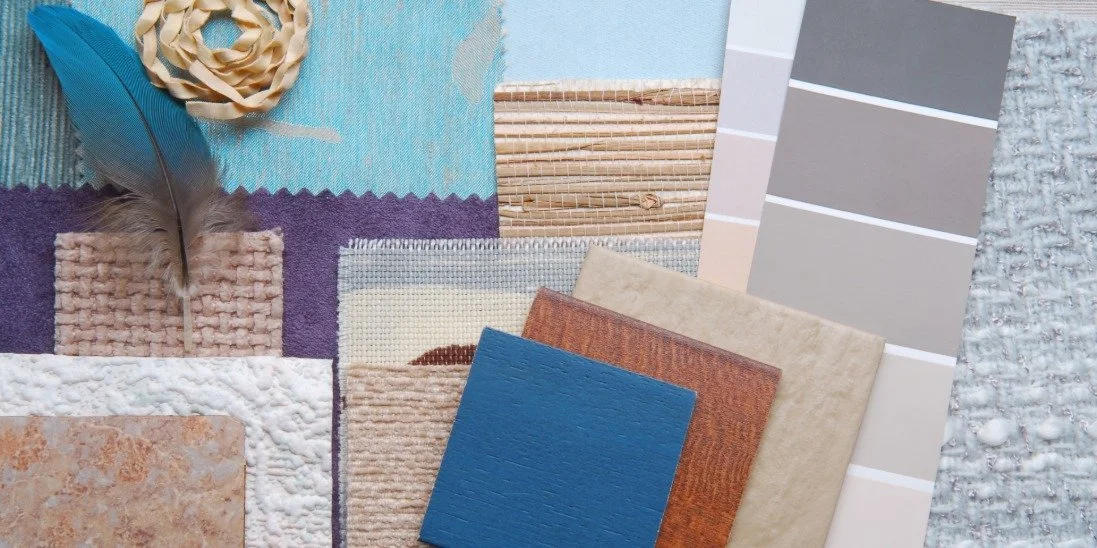
Bold Design Statements: Unique Designs for Your Home
Make bold design statements with unique home décor ideas, eye-catching tile options, and creative features that transform every room into a standout space.
Creating a home that feels memorable and personal often comes down to bold design choices. While neutral palettes and minimalist trends have their place, unique design statements can bring character, energy, and individuality into your living space. Whether you are renovating a single room or reimagining your entire home, incorporating bold design statements and unique designs for your home can turn ordinary interiors into unforgettable environments.
Embracing Statement Pieces
One of the simplest ways to introduce bold design into your home is through statement pieces. This could be a vibrant velvet sofa in a jewel tone, an oversized piece of abstract art, or a sculptural light fixture that commands attention. Statement pieces act as focal points, anchoring a room and setting the tone for the overall design.
When choosing a standout item, consider balance. A bold centerpiece works best when the surrounding décor complements rather than competes with it. Neutral walls can make a colorful couch pop, while understated furnishings can allow a dramatic chandelier to shine. The goal is to create visual harmony while still letting your personality take center stage.
Playing with Color and Contrast
Color is one of the most powerful tools in bold home design. Deep navy walls, emerald green cabinetry, or even a dramatic black accent wall can transform a space from plain to striking. For those who prefer lighter tones, contrast can be just as impactful. Pairing light and dark shades, mixing matte and glossy finishes, or combining modern and rustic materials can add dimension and intrigue.
Do not be afraid to experiment with unexpected combinations. Mustard and charcoal, blush and forest green, or terracotta and teal can create a sophisticated yet adventurous look. The key is confidence. When colors are chosen intentionally and repeated subtly throughout the room, the result feels cohesive rather than chaotic.
Tile Design Options That Stand Out
Tile offers endless possibilities for making a bold statement in kitchens, bathrooms, and even living spaces. From geometric patterns to textured finishes, tile can serve as both a functional surface and a striking design feature. Large-format tiles create a sleek, contemporary feel, while intricate mosaic patterns add artistic flair.
Patterned encaustic tiles can bring personality to a bathroom floor, while a dramatic backsplash with high-contrast grout can become the centerpiece of a kitchen. For a truly unique approach, consider the different and unique patterns of Zellige tiles.
Mixing Materials and Textures
Another way to create a bold design statement is by layering materials and textures. Combining wood, metal, glass, and stone can produce a rich, multidimensional aesthetic. For example, pairing reclaimed wood beams with sleek marble countertops balances rustic charm with modern elegance.
Texture plays an equally important role. Plush rugs, woven wall hangings, and textured wallpaper add warmth and character. Even subtle changes, like incorporating fluted cabinetry or ribbed glass panels, can elevate a space. The interplay of smooth and rough surfaces keeps the eye engaged and makes the room feel thoughtfully curated.
Personalizing with Artistic Touches
Ultimately, bold design is about expressing who you are. Incorporating custom artwork, handcrafted furniture, or meaningful décor pieces ensures your home reflects your story. Gallery walls filled with personal photographs or curated art collections can add depth and individuality.
Bold design statements do not require overwhelming every corner of your home. Instead, they rely on intentional choices that reflect confidence and creativity. By embracing statement pieces, experimenting with color, exploring unique tile options, layering textures, and adding personal touches, you can create a home that feels distinctive, dynamic, and unmistakably yours.

How to Design a Comfortable Outdoor Living Space
Creating a comfortable outdoor living space is about more than placing a few chairs on a patio. With thoughtful planning and intentional design choices, your backyard, deck, or balcony can become a true extension of your home. Whether you’re entertaining guests or enjoying a quiet evening outside, a well-designed outdoor area should balance comfort, durability, and style.
We partnered with a home design company for this post. The opinions in the post are honest. All reviews and opinions expressed in this post are based on our personal views. We are excited because we know you will love it.

Creating a comfortable outdoor living space is about more than placing a few chairs on a patio. With thoughtful planning and intentional design choices, your backyard, deck, or balcony can become a true extension of your home. Whether you’re entertaining guests or enjoying a quiet evening outside, a well-designed outdoor area should balance comfort, durability, and style.
Start with a Functional Layout
The foundation of any outdoor living space is a layout that supports how you actually use it. Think about whether the space is meant for hosting gatherings, family relaxation, dining, or quiet retreat. Mapping out clear zones can help define the area and prevent it from feeling cluttered.
For larger backyards, you might separate lounging and dining areas. Smaller patios benefit from modular seating that can be rearranged as needed. Thoughtful placement ensures traffic flows naturally while still creating inviting conversation areas.
Choose Durable and Comfortable Seating
Seating is the core of any comfortable outdoor space. It should feel inviting while also being built to withstand changing weather conditions. Look for weather-resistant materials such as treated wood, rust-resistant steel, and high-quality wicker that won’t fade easily in the sun.
When designing your layout, exploring a curated outdoor seating collection can help you compare different configurations, materials, and styles that fit both small patios and expansive backyard setups. Modular sets offer flexibility, while structured sofas and chairs create defined lounge areas.
Cushion thickness, fabric durability, and ergonomic support all play a role in long-term comfort. Investing in quality seating ensures your outdoor space remains enjoyable throughout the season.
Layer in Texture and Soft Elements
Comfort goes beyond furniture structure. Adding soft textiles like outdoor rugs, throw pillows, and weather-resistant cushions can instantly warm up a space. These elements introduce texture and color while helping define seating areas visually.
Choose fabrics designed for outdoor use to maintain durability. Neutral bases paired with seasonal accent colors allow for easy updates throughout the year.
Incorporate Lighting for Ambiance
Lighting transforms outdoor spaces from daytime retreats into evening gathering areas. Lanterns, string lights, or outdoor floor lamps can create a cozy atmosphere while improving visibility.
Layered lighting works best: overhead ambient lighting for general illumination, and softer accent lighting near seating areas for warmth and intimacy.
Add Natural Elements
Planters, greenery, and landscaping help soften hard surfaces and bring a natural balance to your outdoor design. Even compact spaces benefit from vertical planters or small decorative pots. Mixing plant heights adds dimension and visual interest.
Combining greenery with structured seating and warm lighting creates a cohesive outdoor environment that feels intentional and inviting.
Keep Maintenance in Mind
A comfortable outdoor living space should also be practical. Choose materials that require minimal upkeep and consider storage options for cushions during heavy rain or colder months. Regular cleaning and protective covers can significantly extend the life of outdoor furniture.
Designing a comfortable outdoor living space is about creating balance between function and style, durability and comfort. With the right layout, quality seating, and thoughtful accents, your outdoor area can become a space you truly enjoy throughout the season.
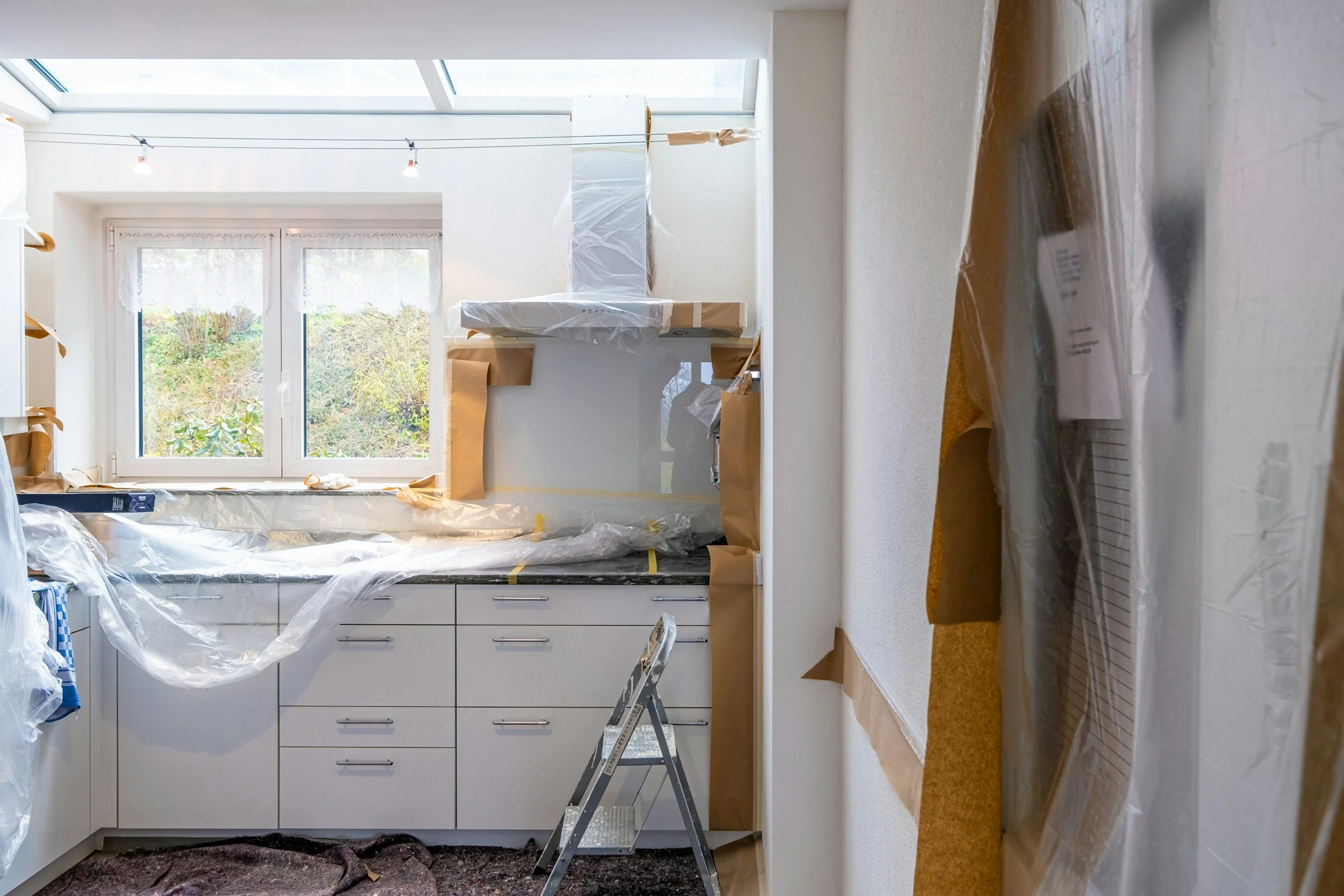
How to Prepare Your Home for a Renovation
A home renovation isn’t just about new finishes, it’s about how your house actually works. Behind the walls, systems like wiring, plumbing, insulation, and even your furnace determine comfort, efficiency, and long-term costs. Proper home renovation planning before demolition starts helps you avoid expensive surprises and make decisions that improve performance, not just appearance.
We partnered with a home improvement company for this post. The opinions in the post are honest. All reviews and opinions expressed in this post are based on our personal views. We are excited because we know you will love it.
A home renovation isn’t just about new finishes, it’s about how your house actually works. Behind the walls, systems like wiring, plumbing, insulation, and even your furnace determine comfort, efficiency, and long-term costs. Proper home renovation planning before demolition starts helps you avoid expensive surprises and make decisions that improve performance, not just appearance.
Defining Your Home Renovation Goals
If your only goal is "make it look better," you’re not planning deeply enough.
A home renovation should solve a problem, not just change a surface. A renovation should solve structural, functional, or efficiency problems, not just visual dissatisfaction.
Maybe your kitchen isn’t ugly, it just doesn’t function when two people cook. Maybe your bathroom isn’t outdated, it’s poorly ventilated and always damp. Maybe your layout doesn’t support how you actually live.
Start by asking:
What frustrates me daily in this space?
What do I want this room to feel like at 7 AM and at 9 PM?
Am I renovating for resale value, lifestyle improvement, or long-term durability?
Before work begins, define the measurable outcome you want from your home renovation. That might include reducing energy loss and lowering utility bills, improving lighting quality and reducing shadow zones, increasing usable storage without expanding square footage, improving indoor air quality and ventilation, or supporting lifestyle changes like working from home.
When you’re clear on the outcome, efficiency, resale ROI, better lighting, energy savings, smarter storage, every decision in your home renovation plan becomes easier. Clear objectives prevent budget drift. If the goal is durability and performance, materials and systems should reflect that. If the goal is resale value, design choices should align with buyer expectations in your market. If the goal is long-term living, comfort and infrastructure matter more than trends.
Without a defined result, a home renovation becomes an aesthetic upgrade instead of a strategic improvement.
Building a Clear Home Renovation Plan
A mood board is not a plan.
A clear home renovation plan includes more than design drawings. It includes sequencing, technical coordination, and defined decision points.
A real home renovation plan includes scope (what’s being touched, and what’s not), a budget with a 15-20% contingency buffer, a timeline with realistic sequencing, contractor responsibilities, permit requirements, and material lead times.
Before demolition starts, you should know the exact scope of work, which walls are structural, where utilities run, the order in which trades will work, when materials must be delivered, and what inspections are required.
You also need a decision schedule as part of your home renovation planning. Many delays happen because homeowners are still choosing tile while the crew is ready to install it. It is critical to finalize selections early. Cabinet sizes affect electrical placement. Plumbing fixture specs affect rough-in heights. Flooring thickness affects door clearances.
The more decisions you make before demolition starts, the cheaper and smoother your home renovation will be. When planning is incomplete, small technical oversights compound into delays and added costs.
Smart Home Renovation Planning Before You Start
The most expensive mistakes happen inside walls, not on surfaces. Most expensive mistakes happen behind the walls, not on the surface.
Think beyond finishes. Infrastructure first. Electrical capacity, plumbing lines, ventilation, insulation, these determine long-term performance during a renovation at home.
Focus on electrical panel capacity and circuit distribution, plumbing pipe condition and water pressure, proper drainage slope and venting, HVAC airflow balance and return placement, insulation gaps and air sealing.
Future-proofing matters in home renovation planning. Even if you’re not installing smart systems now, run conduit or extra wiring. It’s cheap while walls are open and expensive later.
Workflow, not aesthetics. In kitchens and bathrooms especially, movement patterns matter more than color palettes. Lighting layers are critical. Most homes rely too heavily on overhead lighting. Plan task, ambient, and accent lighting from the start.
Energy efficiency also deserves attention during a home renovation. Air sealing and insulation upgrades during renovation often pay back faster than cosmetic upgrades.
Layout changes drive cost. Moving plumbing stacks or load-bearing walls significantly increases structural and labor expenses.
Another major source of budget overrun during renovation at home is scope expansion mid-project. Clearly define what is excluded as well as what is included. If something is not written into the contract, it will likely become a change order.
Costly mistakes usually happen when people design for Pinterest instead of real-life use. Precision in scope prevents financial surprises.
How to Prepare for a Home Renovation
Renovation is disruptive. Plan for that disruption, not just the build.
Preparing your home for renovation reduces damage and downtime. Preparing logistically minimizes disruption and protects existing finishes from unnecessary damage.
Declutter aggressively. Anything left in the work zone will get dusty, or damaged. Remove valuables and fragile items from the renovation zone.
Create "safe zones." Designate one calm, clean area of the house that stays untouched. If remaining in the home during renovation at home, establish a temporary living setup. That might include a makeshift kitchen, temporary laundry access, or alternate bathing arrangements.
Physically preparing your home for renovation is about containment. Practically preparing yourself is about lowering expectations for comfort during the process.
Seal off adjacent rooms to limit dust spread. Protect flooring in access paths. Protect flooring and HVAC. Seal vents and isolate construction areas to prevent dust spreading through the entire home. If your project will generate heavy dust, scheduling furnace service before and after renovation can help protect the system from debris buildup and airflow restrictions.
Plan for noise and access. If you work from home, consider temporary workspace relocation.
Identify storage for delivered materials and confirm access to electrical panels and water shut-offs as part of preparing your home for renovation.
How to Prepare the Electrical System for a Home Renovation
Electrical upgrades should be strategic, not reactive.
Electrical planning should account for both current demand and future load growth during a home renovation. Modern homes consume more electricity than older systems were designed to handle. Induction cooking, electric vehicles, heat pumps, and home offices increase demand.
Before renovation begins, check your panel capacity and confirm it can handle new loads. If the panel is undersized, outdated, or lacks breaker space, electrical panel replacement may be necessary to safely support modern demand. Evaluate panel amperage and available breaker space, dedicated circuits for large appliances, GFCI and AFCI code requirements, proper grounding and bonding, and surge protection at the panel level.
Plan additional outlets where furniture placement actually makes sense. Separate lighting circuits from outlet circuits where possible. Upgrade old wiring if the home is older.
If walls are open during renovation at home, it’s the perfect time to add dedicated circuits for major appliances, install surge protection at the panel, pre-wire for future smart systems, improve lighting circuits, run conduit for future technology, and, if needed, upgrade service capacity.
Electrical upgrades are relatively inexpensive during home renovation planning, and extremely expensive after drywall is closed. Electrical upgrades are far less expensive during a home renovation than after finishes are installed.
How to Prepare Home for Plumbing Renovations
Plumbing planning is about access and risk reduction.
Start by confirming the condition and material of existing pipes before beginning your home renovation. Older galvanized pipes may need replacement rather than connection to new fixtures. Inspect old pipes for corrosion and decide whether you’re patching or fully replacing aging plumbing. Inspect old pipes for corrosion and decide whether you’re patching or fully replacing aging plumbing. This is also the right time to schedule water heater service to assess tank condition, sediment buildup, heating efficiency, and remaining lifespan.
First, understand where shut-off valves are and ensure they work. Replace old ones if necessary. Confirm main shut-off valve condition, fixture shut-off functionality, drain line integrity, vent stack adequacy, and water pressure levels.
Plan fixture placement carefully. Moving plumbing fixtures increases cost significantly in a home renovation plan. If possible, keep toilets and drains near original locations. Relocating toilets or main drain lines significantly increases labor and structural modifications.
Upgrade to pressure-balanced or thermostatic valves in showers. Plan cleanouts and access points for future maintenance.
Have a clear plan for temporary water shutoffs and drainage during the project. Ensure temporary water shutdowns are scheduled and communicated clearly if you are living in the home during renovation at home.
Proper plumbing preparation prevents leaks, pressure issues, and drainage failures after renovation is complete.
Managing Life During a Renovation at Home
This is where many homeowners underestimate reality.
Where will I cook?
Where will I shower?
Where will I store daily-use items?
Renovation is part construction, part logistics management. Living through renovation at home requires structure.
Define work hours and site access rules. Establish material staging areas and safe pathways through the home. Clarify daily cleanup expectations. Protect pets from noise and open doors. Dust control and noise management should be addressed in advance, especially if working remotely.
If renovating a kitchen, set up a temporary "mini kitchen" with a microwave, coffee maker, mini fridge, and basic dishwashing station. Establish a simplified food prep zone with essential appliances. If renovating bathrooms, confirm access to alternate facilities.
The smoother your daily routine runs during a home renovation, the less stressful the project feels. Maintaining predictable routines reduces stress and keeps renovation at home from disrupting work and family life more than necessary.
Final Checklist Before Your Home Renovation
Before demolition day in your home renovation:
Permits approved
Insurance verified (contractor liability + your home insurance)
Materials ordered and confirmed
Payment schedule documented
Written contract signed
Detailed scope defined
Timeline reviewed
Contingency budget set aside
Neighbors informed (if needed)
Photos taken of the current space (for reference and protection)
One more overlooked step in home renovation planning:
Walk the project with your contractor and confirm exactly what is not included in your home renovation plan. Misunderstandings usually happen around assumptions. Confirm details such as outlet placement, fixture heights, material transitions, final drawings, and measurements.
Clarity before demolition reduces disputes, delays, and expensive rework, and ensures your home renovation delivers the results you planned for.

