

A resource for those seeking information on organizing and transforming spaces.

Simple Home Modifications That Support Better Mobility
Mobility inside the home should feel natural and safe, yet many houses are not designed with accessibility in mind. Narrow pathways, slippery floors, and poorly placed furniture can make everyday movement more difficult than it needs to be.
Mobility inside the home should feel natural and safe, yet many houses are not designed with accessibility in mind. Narrow pathways, slippery floors, and poorly placed furniture can make everyday movement more difficult than it needs to be.
The good news is that improving mobility at home often requires only simple adjustments. Small modifications such as better lighting, supportive fixtures, and thoughtful furniture placement can make daily activities easier and safer. These practical changes help create a living environment that supports independence and comfort for people who want to move around their homes with greater confidence.
Creating Open and Accessible Pathways
One of the most effective ways to improve mobility at home is to ensure that movement between rooms is simple and unobstructed. Many homes contain small barriers that can easily interfere with safe movement.
Furniture placed too close together can limit walking space, especially for individuals who use mobility aids such as walkers or canes. Rearranging furniture to create wider pathways allows for smoother transitions between areas of the home. Clutter is another common issue that affects accessibility. Items left on the floor, loose cables, and decorative objects placed in walkways can quickly become tripping hazards. Keeping pathways clear helps reduce the risk of accidents while making movement more comfortable.
These simple changes create a safer and more accessible environment without requiring major construction.
Adding Support Where Movement Happens Most
Certain areas of the home require more physical effort than others. Bathrooms, entryways, and staircases often involve movements that challenge balance and stability.
Installing grab bars is one of the easiest ways to increase support in these areas. Grab bars placed near toilets, inside showers, and next to bathtubs allow individuals to steady themselves while sitting, standing, or shifting weight. Handrails along staircases provide additional balance when moving between levels of the home. Even in single level homes, support handles near entrances or steps can make a noticeable difference. Many modern grab bars are designed to blend into the overall look of a home, which means safety improvements do not need to compromise aesthetics.
Understanding Mobility Challenges and Home Design
For individuals living with conditions that affect movement, the design of a home environment becomes even more important. Neurological conditions, balance issues, and muscle weakness can make everyday activities more difficult, especially when the home layout does not support safe movement. Simple adjustments such as wider hallways, grab bars, minimal clutter, and stable flooring can greatly improve safety and accessibility. These changes allow individuals to move more freely and perform daily tasks with less strain.
People who experience more complex mobility challenges often benefit from professional guidance as well. Visiting a movement disorder clinic can help individuals better understand how neurological conditions affect movement and how their home environment can be adapted to support their needs.
Making Bathrooms Safer and Easier to Use
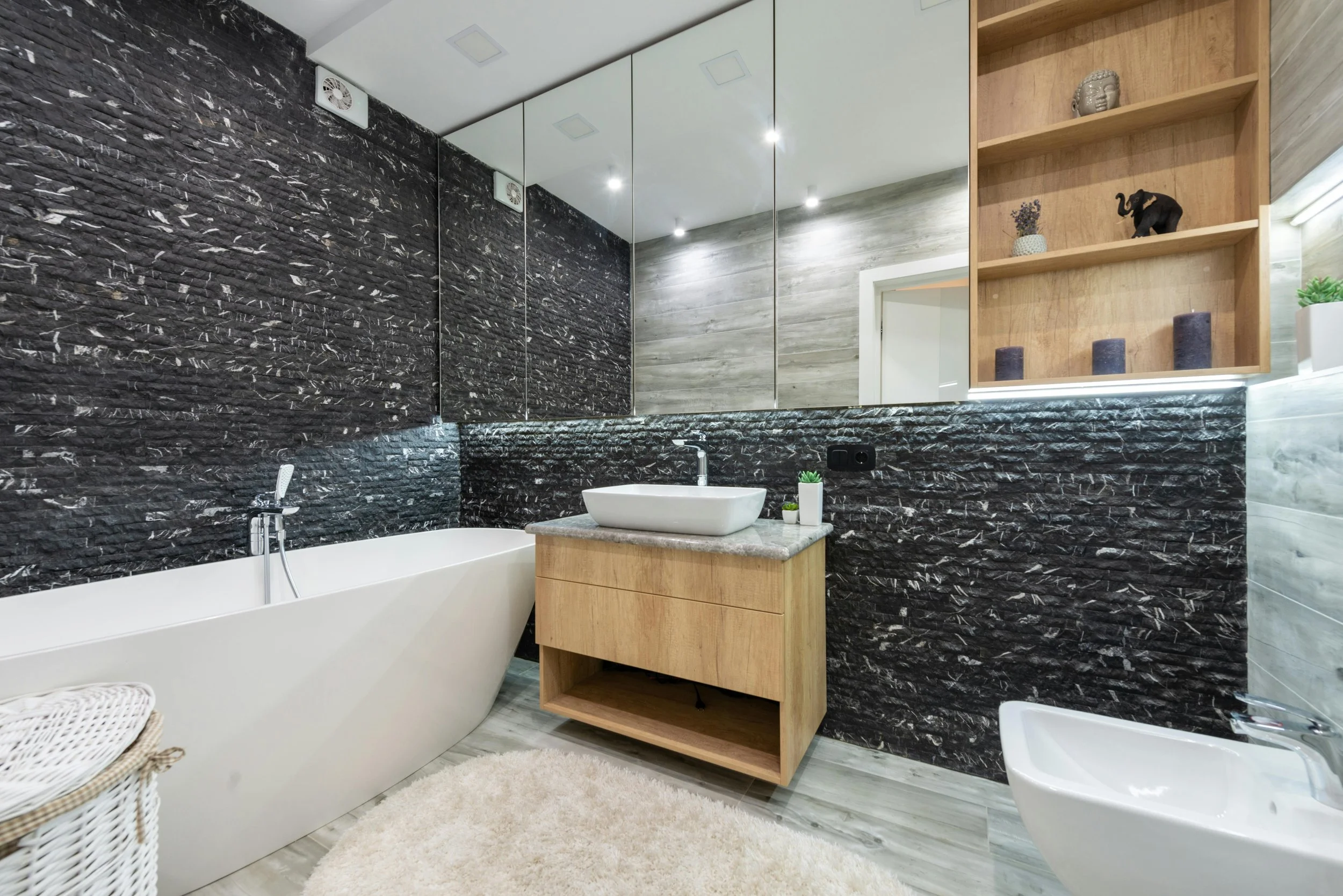
Bathrooms often present the highest risk for slips and falls because of wet surfaces and limited support points. Improving bathroom accessibility is one of the most important steps when modifying a home for better mobility. Non slip mats or textured flooring can provide additional grip and reduce the chance of slipping. Installing a walk in shower is another common solution because it removes the need to step over a bathtub edge.
Shower chairs can help individuals maintain balance while bathing, especially if standing for long periods is difficult. Handheld shower heads are also helpful because they allow greater flexibility during use.Raised toilet seats can make sitting and standing easier by reducing the amount of bending required. These simple adjustments allow individuals to use the bathroom with greater independence and safety.
Improving Kitchen Accessibility
The kitchen is a space where many daily activities take place, including cooking, cleaning, and preparing food. Small changes in kitchen design can make these tasks easier for individuals with limited mobility.
Placing commonly used items within easy reach helps reduce unnecessary bending and stretching. Frequently used cookware, dishes, and utensils should ideally be stored between waist and shoulder height. Pull out cabinet shelves are another helpful modification. Instead of reaching deep into cabinets, individuals can slide shelves outward to access items more comfortably.Lever style faucet handles are easier to operate than traditional round knobs. These handles require less grip strength and allow smoother movement when turning water on and off.
Reorganizing the kitchen with mobility in mind helps maintain independence and makes everyday tasks less physically demanding.
Choosing Flooring That Supports Stability
Floor surfaces can significantly affect how safely individuals move around their homes. Slippery or uneven flooring can create unnecessary risks, especially for people who already experience mobility challenges.
Smooth, even flooring materials such as vinyl, laminate, or hardwood often provide better stability than thick carpeting. Low pile carpets can also be suitable because they allow mobility aids to move more easily across the surface.
Designing Bedrooms for Comfortable Movement
Bedrooms should offer both comfort and easy accessibility. Since people spend many hours in this space, it is important that getting in and out of bed feels safe and manageable. One of the key factors is bed height. If a bed is too high or too low, sitting down or standing up can become difficult. Adjustable bed frames or bed risers can help create a height that makes these movements easier and more comfortable.
Lighting and organization also play an important role in supporting safe movement at night. Placing lamps or light switches within reach of the bed allows individuals to turn on the light before standing up..
Conclusion
Improving mobility at home does not always require major renovations or expensive remodeling. In many cases, small and practical changes can significantly improve safety, comfort, and independence.
Creating clear pathways, adding supportive fixtures, improving lighting, and choosing stable flooring are all effective ways to make homes easier to navigate. Bathrooms, kitchens, and bedrooms can also be adjusted with simple modifications that support everyday activities.

Pool Plastering vs Pool Resurfacing: What Homeowners Should Know
Pool plastering is one of the most important steps in keeping a swimming pool smooth, watertight, and visually appealing.
We partnered with a home improvement company for this post. The opinions in the post are honest. All reviews and opinions expressed in this post are based on our personal views. We are excited because we know you will love it.

Pool plastering is one of the most important steps in keeping a swimming pool smooth, watertight, and visually appealing.
Many homeowners only start thinking about their pool surface when something feels off under their feet.
I remember stepping into a neighbor’s pool during a backyard barbecue and immediately noticing the rough texture along the shallow end.
The water looked clear, but the surface felt gritty and uneven.
That moment showed how the condition of the interior finish affects the entire swimming experience.
Understanding the difference between pool plastering and resurfacing can help homeowners make smarter renovation decisions.
Choosing the right option can extend the life of the swimming pool while saving thousands of dollars in unnecessary renovations.You can learn more about the process by visiting pool plastering.
What Pool Plastering Actually Does
The plaster layer is the interior coating applied directly over the concrete shell of a swimming pool.
This finish creates the smooth surface swimmers feel when they move along the walls or steps.
It also acts as a protective barrier that seals the pool structure and prevents water from penetrating the concrete underneath.
Over time, chemical exposure, sunlight, and regular use slowly wear down that protective layer.
When that happens, the surface begins to lose its smooth texture and visual brightness.
A fresh plaster coat restores the interior finish while improving durability and appearance.
Most residential pools need a new plaster layer every 7 to 12 years, depending on water chemistry and maintenance habits.
A pool technician once told me that many homeowners mistake surface wear for simple staining.
They spend months trying to scrub discoloration away, only to realize the finish itself has deteriorated.
Applying a new plaster layer often makes the pool look brand new again.
Signs Your Pool Surface Needs Attention
Surface damage usually develops gradually, which makes it easy to overlook early warning signs.
One of the first clues is a rough or chalky texture underfoot.
Swimmers often notice this when they push off from the wall or walk along the shallow end.
Another sign is persistent staining that doesn't disappear even after chemical balancing and brushing.
Mineral deposits can settle into worn areas of the surface and create uneven colors.
Small cracks or tiny pits may also begin forming across the interior walls.
These tiny holes, sometimes called spalling, indicate the surface layer is breaking down.
A homeowner I spoke with once noticed white dust collecting in his pool filter every week.
That powder turned out to be deteriorating plaster slowly flaking away from the surface.
Addressing the issue early prevented much larger repairs later.
Pool Resurfacing: When Repairs Go Deeper
Resurfacing is a more extensive renovation process compared to standard plaster work.
Instead of simply applying a fresh coat, resurfacing involves removing the existing interior finish and installing a completely new surface system.
This step becomes necessary when the underlying material has deteriorated or when structural cracks appear in the pool shell.
Resurfacing also gives homeowners the opportunity to upgrade their pool finish to more durable materials.
Quartz finishes, pebble aggregates, and specialty coatings offer stronger protection than traditional plaster.
These finishes also change the visual appearance of the water by adding texture and depth.
I once saw a pool transformed with a pebble finish during a renovation project.
Before resurfacing, the water looked flat and dull.
After the new finish was installed, the pool reflected sunlight beautifully and looked like something you'd see at a luxury resort.
While resurfacing costs more upfront, it often provides longer-lasting durability.
The Cost Difference Homeowners Should Expect
Budget considerations play a major role when homeowners compare surface renovation options.
Applying a new plaster layer typically costs less because the underlying structure remains intact.
The process focuses on restoring the interior finish rather than rebuilding the entire surface system.
Resurfacing, however, requires additional labor to remove the existing material and install a new finish.
That extra construction work increases the overall project cost.
However, choosing the cheaper option when more serious structural damage exists can lead to repeated repairs later.
A homeowner in my neighborhood learned this lesson the hard way.
He replastered his pool twice within six years because the original structural damage had not been addressed.
Eventually, a full resurfacing project solved the underlying issue and prevented further deterioration.
This example shows why understanding the true condition of the pool is critical before making renovation decisions.
How Surface Materials Affect Pool Longevity
The material used for a pool’s interior finish plays a huge role in durability and maintenance.
Traditional plaster surfaces remain the most common option in residential pools.
They create a smooth, classic look and provide reliable performance when properly maintained.
Quartz finishes improve durability by mixing plaster with crushed quartz crystals.
This combination strengthens the surface and adds subtle shimmer under sunlight.
Pebble finishes go even further by embedding small natural stones into the surface layer.
These finishes are extremely durable and resist chemical wear much better than standard plaster.
A friend of mine recently upgraded to a pebble finish during a renovation project.
He immediately noticed that algae buildup became less frequent and that cleaning required far less effort.
Selecting the right finish can dramatically affect maintenance requirements and overall lifespan.
Maintenance Habits That Extend Surface Life
Even the best pool finish can deteriorate quickly without proper maintenance.
Water chemistry management is one of the most important factors.
When pH levels become unbalanced, acidic water can slowly dissolve interior surfaces.
Regular brushing also prevents mineral buildup and algae growth that damage finishes over time.
Routine inspections allow homeowners to catch small cracks or rough areas before they become major problems.
A pool professional once compared surface care to brushing your teeth.
Skipping routine maintenance might not cause immediate damage, but the problems slowly accumulate.
Consistent care helps extend the life of the interior finish and prevents expensive repairs later.
Homeowners who stay on top of maintenance often get several extra years out of their pool surface.
Making the Right Choice for Your Pool
Choosing between plaster repair and full resurfacing depends largely on the condition of the pool shell.
If the damage is limited to surface wear, applying a new plaster layer may be the most practical solution.
When deeper cracks, flaking surfaces, or structural deterioration appear, resurfacing is usually the better long-term investment.
Understanding what lies beneath the surface is key to making the right decision.
A professional inspection can reveal whether the issue is cosmetic or structural.
Once the right renovation method is chosen, the transformation can be dramatic.
A restored pool surface improves comfort, enhances appearance, and extends the life of the entire structure.
For many homeowners, it turns the pool back into the centerpiece of their backyard again.
How Attic Lifts Turn Wasted Space Into Premium Storage
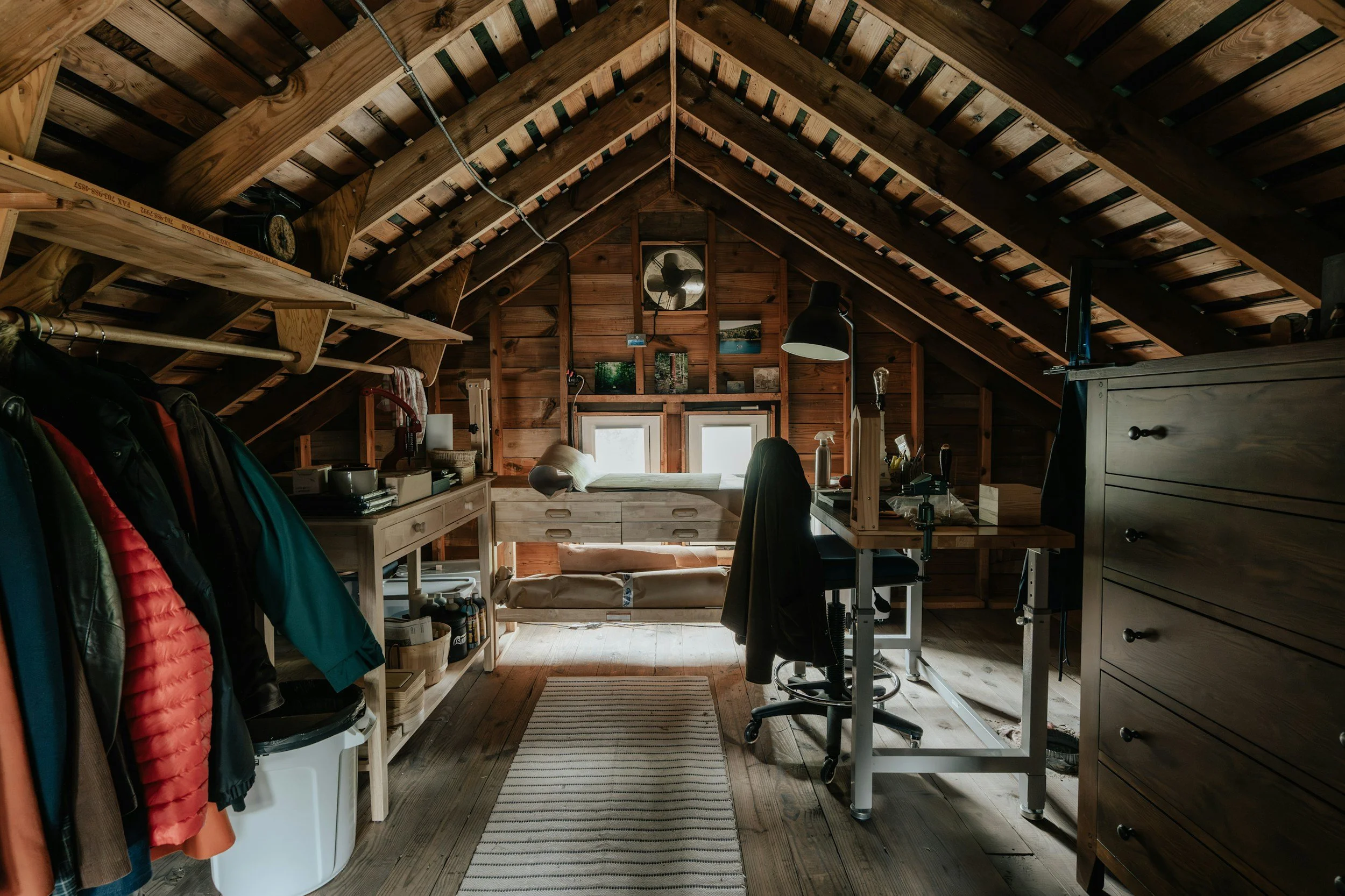
Many homeowners struggle with cluttered garages, overflowing closets, and the constant feeling of not having enough storage. Yet, just above the ceiling sits one of the most underused spaces in the entire home—the attic. The challenge isn’t the space itself but the difficulty and danger of accessing it. Attic lifts offer a modern, practical solution that transforms this overlooked area into safe, convenient, premium storage. By eliminating the risks of ladders and heavy lifting, attic lifts unlock a world of possibilities for organization, safety, and home efficiency.
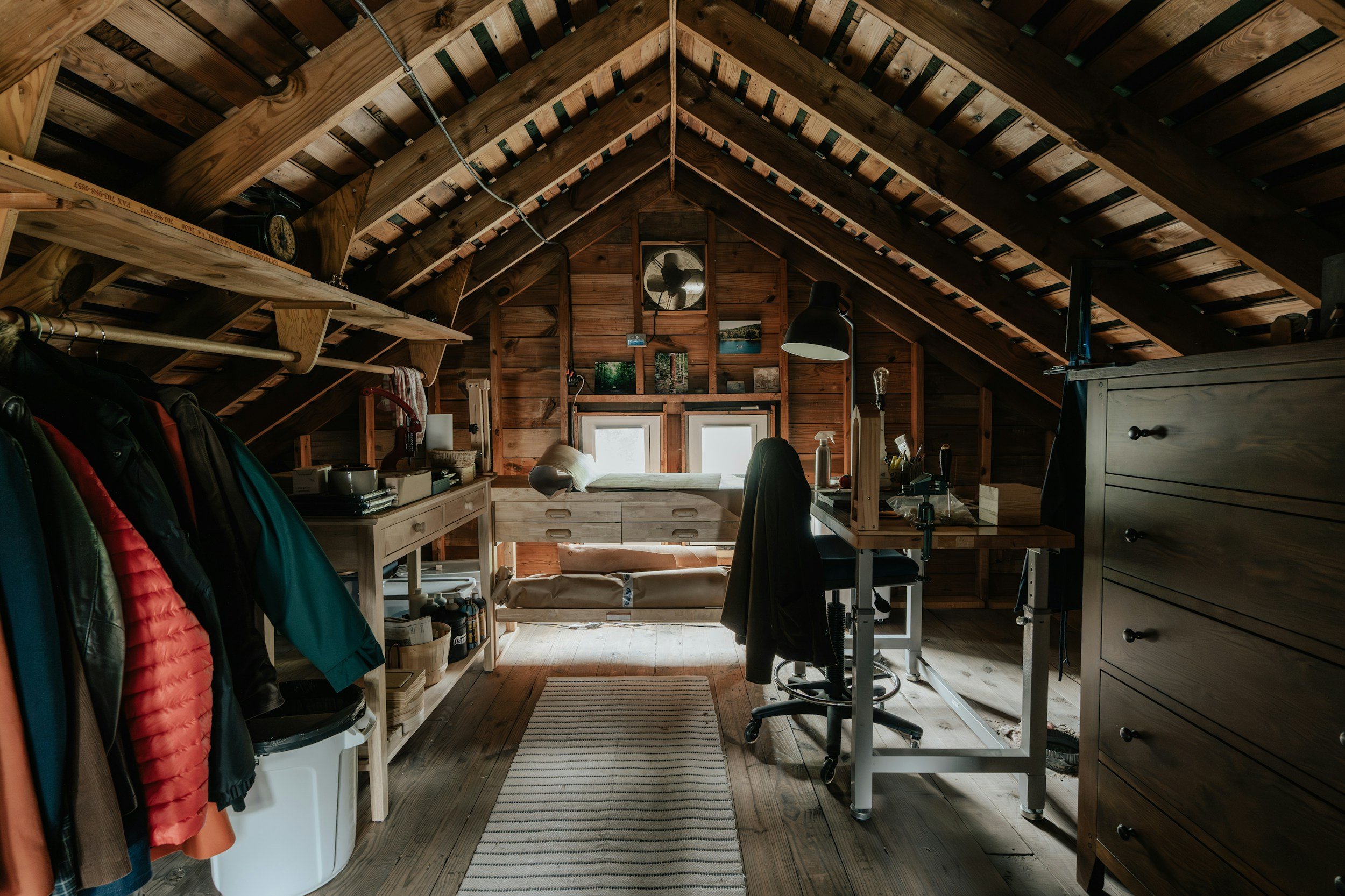
Many homeowners struggle with cluttered garages, overflowing closets, and the constant feeling of not having enough storage. Yet, just above the ceiling sits one of the most underused spaces in the entire home—the attic. The challenge isn’t the space itself but the difficulty and danger of accessing it. Attic lifts offer a modern, practical solution that transforms this overlooked area into safe, convenient, premium storage. By eliminating the risks of ladders and heavy lifting, attic lifts unlock a world of possibilities for organization, safety, and home efficiency.
Understanding Why Attics Often Go Unused
Most attics remain untouched not because homeowners lack storage needs, but because the space is difficult and unsafe to access. Steep ladders, narrow steps, and awkward angles make carrying boxes a risky task, increasing the likelihood of falls, strains, and dropped items. Even for physically capable homeowners, the process is inconvenient and time‑consuming, which discourages regular use. As a result, valuable square footage sits idle while storage needs continue to grow. Attic lifts change this dynamic entirely by eliminating the hazards of traditional attic access and making the space as accessible and functional as any other room in the home.
Exploring How Attic Lifts Improve Safety and Functionality
Attic lifts replace the need to climb ladders with a motorized platform that moves items safely between floors, making attic access far easier and more efficient. With the push of a button, the lift raises or lowers boxes, décor, luggage, tools, and other bulky items, eliminating the strain and instability of carrying them by hand. Built‑in safety features, sturdy construction, and generous weight capacities ensure reliable performance, while integration with existing attic openings keeps installation smooth and minimally disruptive. Beyond convenience, attic lifts significantly enhance home safety by reducing the risk of falls, back injuries, and dropped belongings. For seniors or anyone with mobility challenges, they restore safe access to valuable storage space and support long‑term independence by removing the hazards associated with traditional attic ladders.
Transforming Attics Into Organized, Accessible Storage
Once an attic lift is installed, the attic becomes a practical extension of the home—one that’s easy to reach and simple to keep organized. Seasonal décor, camping gear, sports equipment, and keepsakes can be stored neatly out of the way, freeing up valuable space in garages, closets, and living areas. Families can reclaim room for vehicles or hobbies, while DIYers and collectors can keep tools and supplies neatly arranged. Because the lift brings items up and down with the push of a button, accessing stored belongings becomes effortless. Whether retrieving holiday decorations or rotating seasonal clothing, homeowners can manage their storage quickly and safely. This combination of accessibility and ease encourages better organization and supports a tidy, functional home year‑round.
Evaluating Installation and Long‑Term Value
Installing an attic lift is typically a straightforward upgrade, since most homes already meet the basic requirements for ceiling height, attic opening size, and electrical access. Professional installers can ensure proper placement, structural support, and safe operation, making the process simple and stress‑free for homeowners. And while attic lifts do require an upfront investment, the long‑term value is substantial. They eliminate the need for off‑site storage units, reduce the risk of injuries from carrying heavy items up ladders, protect belongings from damage, and free up valuable garage or closet space. Over time, the convenience, safety, and added functionality far outweigh the initial cost, making an attic lift a smart, practical improvement for any home.
Attic lifts offer a smart, practical way to transform wasted attic space into premium, accessible storage. By improving safety, enhancing convenience, and expanding usable square footage, they help homeowners get more out of their homes without major renovations. Whether you’re looking to declutter, organize, or simply make storage easier, an attic lift is a powerful upgrade that turns hidden space into one of your home’s greatest assets.
The Ultimate Homeowner’s Guide to Annual Heating Maintenance
Annual heating maintenance is one of the most effective ways to keep your home comfortable, efficient, and safe throughout the colder months. A well‑maintained system runs more smoothly, experiences fewer breakdowns, and uses less energy to heat your home. Many homeowners don’t realize how much strain their heating system endures each winter, making routine service essential for long‑term performance. With a simple yearly tune‑up, you can avoid unexpected repairs and enjoy consistent, reliable warmth.
Annual heating maintenance is one of the most effective ways to keep your home comfortable, efficient, and safe throughout the colder months. A well‑maintained system runs more smoothly, experiences fewer breakdowns, and uses less energy to heat your home. Many homeowners don’t realize how much strain their heating system endures each winter, making routine service essential for long‑term performance. With a simple yearly tune‑up, you can avoid unexpected repairs and enjoy consistent, reliable warmth.
The Benefits
Annual heating maintenance offers a wide range of advantages that go far beyond basic comfort. A yearly tune‑up helps your system run more efficiently, last longer, and operate more safely, making it one of the smartest investments you can make in your home.
Improved Efficiency
A clean system doesn’t have to work as hard to heat your home, which means it uses less energy and delivers more consistent airflow. Removing dust and buildup from internal components helps the system operate at peak performance. Over time, this improved efficiency can lead to noticeable savings on your monthly utility bills.
Fewer Repairs
Most heating issues start small—loose connections, worn parts, or minor airflow problems. During a tune‑up, a technician can spot these early warning signs before they turn into costly repairs. Preventing breakdowns not only saves money but also ensures your home stays warm when you need it most.
Longer Lifespan
Heating systems last significantly longer when they’re maintained regularly. Tune‑ups reduce stress on motors, burners, and heat exchangers, helping each component perform better for more years. This means you can delay the expense of a full system replacement and get the most value from your investment.
Cleaner Air
Dust, debris, and allergens can build up inside your heating system and circulate through your home. Replacing filters and cleaning internal parts helps improve indoor air quality and reduces the amount of airborne particles your family breathes. This is especially beneficial for households with allergies or respiratory concerns.
Better Safety
Safety is one of the most important reasons to schedule annual maintenance. Technicians check for carbon monoxide leaks, gas line issues, and electrical hazards that could put your home at risk. A yearly inspection ensures your system operates safely and gives you peace of mind throughout the heating season.
The Warning Signs
Even with regular maintenance, certain symptoms indicate your system needs immediate attention. Unusual noises—such as banging, rattling, or squealing—often signal mechanical issues. Burning or musty smells can point to electrical problems or dust buildup inside the system. Uneven heating, cold spots, or weak airflow may indicate blocked ducts or failing components. Rising energy bills without a clear cause can also be a sign that your system is struggling. If your furnace cycles on and off frequently or produces a yellow burner flame, it’s important to call a professional right away to prevent further damage.
Tune‑Ups and Scheduling
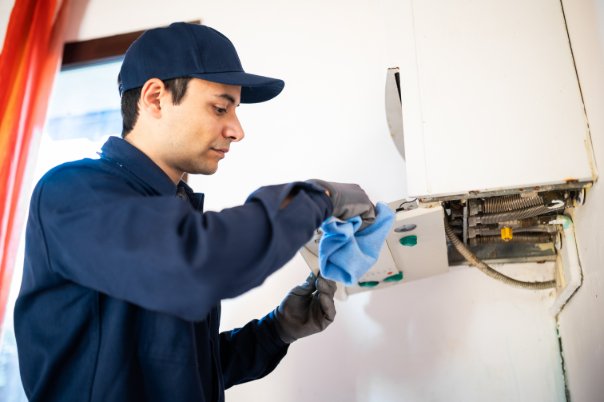
A professional tune‑up includes a thorough inspection, cleaning, and adjustment of your heating system. Technicians check electrical connections, test safety controls, clean burners or coils, verify airflow, and calibrate the thermostat to ensure accurate temperature control. This detailed process helps your system run more efficiently and reduces the risk of unexpected failures.
The best time to schedule maintenance is early fall, before temperatures drop and HVAC companies become busy. Booking service ahead of the cold season ensures your system is ready when you need it most. When choosing a technician, look for proper licensing, certifications, and experience with your specific system type. A reputable professional, such as someone like TRS Heating and Air Conditioning, will provide transparent pricing, clear communication, and reliable service, giving you confidence that your system is in good hands.
The DIY Tasks
Homeowners can support their heating system with a few simple maintenance tasks throughout the year. Replacing air filters regularly helps maintain proper airflow and reduces strain on the system. Keeping vents and returns clear of furniture, dust, and debris ensures warm air can circulate freely. Checking thermostat settings and replacing batteries when needed helps maintain consistent temperature control. While these tasks are helpful, anything involving internal components, gas lines, or electrical systems should always be left to a trained professional.
Annual heating maintenance is one of the most reliable ways to protect your home’s comfort, safety, and long‑term budget. A yearly tune‑up keeps your system running efficiently, reduces the risk of unexpected breakdowns, and helps prevent safety hazards like carbon monoxide leaks or electrical issues. By pairing professional service with simple at‑home upkeep, you can extend the life of your heating system and enjoy consistent, dependable warmth throughout the winter. With regular care and the right technician, maintaining your heating system becomes an easy habit that pays off year after year.

