

A resource for those seeking information on organizing and transforming spaces.

From Planning to Perfection: Tools That Transform Outdoor Operations
Outdoor projects offer both opportunity and complexity. From taking precise site measurements to mapping sun patterns and managing budgets, every step shapes the final result. Using the right tools can turn outdoor operations into a streamlined process, whether you are a landscape professional or a dedicated DIYer.
Outdoor projects offer both opportunity and complexity. From taking precise site measurements to mapping sun patterns and managing budgets, every step shapes the final result. Using the right tools can turn outdoor operations into a streamlined process, whether you are a landscape professional or a dedicated DIYer.
In this guide, you will learn how to:
• Assess your outdoor space with accurate measurements and site analysis
• Blend digital and analog landscape planning tools for design clarity
• Build realistic budgets and phased schedules to manage costs and timeline
• Select hand tools, power tools, and heavy equipment for each landscape task
• Follow a step-by-step outdoor project implementation plan from clearing to final styling
• Establish maintenance routines and explore eco-friendly landscaping innovations
Each section focuses on practical methods and recommended products that streamline planning and execution. By the end, you will have a clear roadmap and toolset to guide every phase of your outdoor project.
Let’s begin by assessing your outdoor space and laying the groundwork for a successful design.
Assessing Your Outdoor Space
Measuring & Mapping
Accurate dimensions are the foundation of any outdoor plan. Use a laser distance meter or measuring wheel to record length and width. Plot these figures on graph paper or in a landscape design app. For uneven terrain, consider a simple topographic survey. Mapping key points like property lines, hardscape, and utilities ensures a reliable base plan.
Sunlight & Microclimates
Track sun exposure and shade patterns to match plants and materials to real conditions. A sun-path diagram or mobile light meter app helps chart daily sunlight hours. Note areas of full sun, afternoon shade, and pockets of reflected heat near walls or pavement. Identifying these microclimates guides irrigation strategy and plant selection.
Site Constraints & Opportunities
Existing Features
Catalog trees, fences, patios, and underground utilities. Identify mature trees that offer shade or require protection. Mapping these elements highlights both challenges and built-in assets.
Terrain & Drainage
Evaluate slope direction and steepness to anticipate runoff zones. Perform a simple percolation test by digging small holes and timing water absorption. Mark any low spots prone to pooling. Addressing drainage early prevents erosion and water damage.
Digital & Analog Planning Tools
Blending digital and analog approaches to landscape planning helps landscape professionals refine ideas without limiting creativity. Modern outdoor design software and immersive visualization apps speed up concept testing. You can also rely onhelpful softwarefor task management and outdoor project management.
Traditional sketchbooks and vision boards ground the design process and reduce screen fatigue. Below are tools that work together to take plans from sketch to reality.
Landscape Design Software
Popular CAD and 3D modeling platforms simplify technical layouts and material choices:
• AutoCAD: Industry standard for precise 2D plans and detailed site drawings.
• SketchUp: Easy-to-use 3D modeling with terrain and plant libraries.
• Vectorworks Landmark: Combines hardscape design and plant database in one interface.
AR & VR Visualization Apps
Immersive apps let clients experience designs in real time:
• Morpholio AR SketchWalk: Overlay 3D concepts on an existing site using a smartphone.
• Augment: Place scale models in physical space to test proportions.
• IrisVR: Offers walk-through simulations for collaborative reviews.
Mood Boards & Sketching
Analog tools foster deeper focus and better memory:
• Portable notebooks and planners capture ideas anywhere.
• Paper feels more real to our brains, aiding recall and creativity.
• Vision boards with printed swatches help organize color palettes and materials.
• Ticking off tasks on tearable notepads adds satisfying progress tracking.
Budgeting, Scheduling & Resource Management
A successful outdoor project hinges on accurate budgets, timelines, and resource planning. By mapping costs and tasks early, teams avoid delays and budget overruns.
Breaking Down Costs
Start with six resource categories:
• People: hourly rates and crew sizes.
• Tools & equipment: purchase or rental fees.
• Materials & supplies: bulk vs. per-unit pricing.
• Facilities & space: storage or staging areas.
• Time: labor hours by phase.
• Money: contingency funds for unexpected needs.
Detail estimates using a spreadsheet, resource planning software, or an online planner. Link resource bookings to cost centers for clearer forecasting and real-time budget tracking.
Creating a Phased Timeline
Use a Gantt chart to map tasks, milestones, and dependencies. Combine with Kanban boards for workflow visibility. Apply resource leveling to adjust dates around crew availability or equipment constraints. Resource smoothing helps rebalance workloads without extending deadlines.
Prioritizing Features
Evaluate each feature by ROI and strategic fit. Simple frameworks like MoSCoW (Must have, Should have, Could have, Won’t have) guide which tasks move first. This ensures essential elements receive resources before lower-priority items.
Selecting the Right Tools & Equipment
Hand Tools vs. Power Tools
Hand tools offer precision for planting and trimming. Essential picks include sturdy shovels, trowels, ergonomic pruning shears for deadheading, and heavy-duty loppers for thicker branches. These lightweight tools let crews work in tight spots without fuel or battery concerns.
Power tools boost efficiency on larger jobs. Cordless string trimmers carve crisp edges around beds and fences. Electric tillers speed up soil prep and reduce manual strain. Look for battery-powered models to cut maintenance and eliminate gas storage.
Heavy Equipment & Rentals
Mini-excavators and skid-steer loaders handle excavation and grading on mid-scale sites. Plate compactors and garden equipment ensure a solid base for hardscape. Renting machines by the day aligns cost with project phase and avoids idle equipment expenses.
Safety & Maintenance

Equip every crew member with gloves, eye protection, and hard hats. Inspect tools before use to check for loose parts or frayed cords. After each shift, clean blades, lubricate moving parts, and sharpen cutting edges. Regular upkeep extends tool life and ensures jobsite safety.
Step-by-Step Implementation Guide
Site Clearing & Grading
Begin with a thorough site clearing to remove debris, old plants, and unwanted structures. Screen topsoil for reuse in planting beds.
• Remove roots, rocks, and concrete fragments.
• Level high and low spots for proper runoff.
Use skid-steers or laser-guided graders to achieve a consistent slope. Map sun and shade to align future plantings and structures.
Hardscape & Structures
Prepare a compacted subbase of crushed stone or gravel for patios, walkways, and retaining walls. Verify base levels with a laser level before laying pavers or blocks.
Base Preparation
• Spread and compact material in 4-inch lifts.
• Check grade with a straightedge.
Feature Installation
Install elements such as pergolas,firepit, and outdoor kitchen footings using local code requirements. Anchor fixtures with concrete and seal joints for weather resistance.
Irrigation & Planting
Install a drip-irrigation network with smart controllers and zone valves near key plant groups.
Controller Setup
• Mount the controller in a sheltered spot.
• Group emitters by water needs.
Plant in order of size: large trees and shrubs first, then perennials, annuals, and ground covers. Backfill with amended soil and apply 2 inches of mulch to conserve moisture.
Decor & Final Styling
Outline pathways and focal points with low-voltage or solar lights. Arrange furniture in conversation clusters and add outdoor rugs for comfort.
• Highlight water features or sculptures.
• Position planters and outdoor art.
Finish with a deep soak of all new plantings and review system functions. Perform a final walk-through to ensure every element works as intended.
Project Review
Check each zone against your timeline and budget. Document adjustments and take photos for records. Confirm permits are closed out and obtain client approval. This final review safeguards quality and ensures every detail aligns with the original plan.
Maintenance Best Practices
Regular maintenance keeps systems efficient and plants healthy. Follow these best practices to streamline care routines, reduce downtime, and control costs.
Watering Schedules & Smart Controllers
Plan irrigation tune-ups each late winter and winterize pumps by August to cut service costs by 10 to 15%. Embed soil moisture sensors and Wi-Fi controllers for real-time alerts on dry spots or pressure drops. Conduct monthly or quarterly inspections of filters, valves, and emitters to catch leaks early and reduce unplanned downtime by up to 45%.
Pruning, Fertilizing & Mulching
Prune shrubs and trees in late winter or early spring before new growth. Apply balanced slow-release fertilizers (N-P-K tailored to plant needs) in early spring and mid-summer. Lay 2 to 3 inches of organic mulch to conserve moisture, moderate soil temperature, and suppress weeds.
Equipment Upkeep
Sharpen mower blades and lubricate trimmer blades every 25 hours of use. Service irrigation pumps, replace aging belts, and update smart controller firmware via a CMMS dashboard for consistent work order tracking.
Sustainability & Eco-Friendly Innovations
Green Materials
Use recycled composite lumber and permeable pavers to cut waste and improve drainage.
Water-Conserving Technologies
Install drip-line irrigation with soilmoisture sensors and rainwater harvesting systems to lower water use.
Native Planting
Select local plant species adapted to your region to reduce maintenance and support local ecosystems.
Modular Kits
Choose prefabricated snap-together planter modules and modular hardscape kits for minimal on-site waste and easy assembly.
Conclusion
From initial measurements to final styling, a well-chosen set of landscape tools and a clear process can turn any outdoor project into a success story. By combining precise site assessment, digital and analog planning, detailed budgeting, and a phased implementation plan, you gain control over each step. Regular maintenance and sustainable choices help preserve your work and reduce long-term costs.
Key takeaways:
• Measure and map your site accurately to build a reliable base plan
• Use both outdoor design software and analog sketching to refine design ideas
• Create detailed budgets and phased schedules with built-in contingency funds
• Select the right mix of hand tools, power tools, and rental equipment
• Follow a structured sequence: clearing, grading, hardscaping, irrigation, planting, and styling
• Implement maintenance routines with smart controllers, seasonal tune-ups, and eco-friendly materials
With these landscape tools and management methods in hand, you can optimize outdoor operations and achieve perfection on any scale. Now it is time to bring your vision to life and transform outdoor operations into lasting value.
Ellie Williams

Ellie Williams studied at Miami State University and majored in Marketing with a minor in creative writing. She enjoys doing freelance writing on general business, wellness, and lifestyle tips. During her free time, she enjoys catching up with friends and family or attending local events.
Can You Sell a House With an Old AC System in the Vegas Heat?
Selling a home in Las Vegas comes with unique challenges, and one of the biggest concerns for buyers is air conditioning. Desert temperatures regularly climb above 100 degrees, which means cooling systems play a huge role in everyday comfort. When a house has an older AC unit, many homeowners worry that buyers will walk away from the deal.
We partnered with a real estate company for this post. The opinions in the post are honest. All reviews and opinions expressed in this post are based on our personal views. We are excited because we know you will love it.
Selling a home in Las Vegas comes with unique challenges, and one of the biggest concerns for buyers is air conditioning. Desert temperatures regularly climb above 100 degrees, which means cooling systems play a huge role in everyday comfort. When a house has an older AC unit, many homeowners worry that buyers will walk away from the deal.
In reality, homes with aging cooling systems still sell every day. Buyers often look at many factors beyond one mechanical system. Location, property size, layout, and future improvement potential can all influence a purchase decision. Understanding how buyers think about older AC systems can help sellers approach the process with more confidence.
Why Cooling Systems Matter in Desert Climates
In a hot desert city like Las Vegas, a reliable cooling system is not a luxury. It is part of daily living. During long summers, indoor temperatures can quickly become uncomfortable without proper air conditioning. For this reason, buyers often ask questions about the age, condition, and maintenance history of an AC unit when touring a property.
An older AC system does not automatically eliminate buyer interest. Many homes built years ago still operate with units that have provided service for decades. Buyers often consider whether the system still functions properly and how soon replacement may be necessary. Some buyers even expect certain components of a home to be older.
Properties in established neighborhoods frequently include aging mechanical systems. When buyers see a home priced appropriately, they may simply factor potential upgrades into their plans.
How Sellers Still Close Deals With Older AC Units
Many homeowners assume that replacing an air conditioner is required before selling. In some situations that may help attract buyers. In other cases, sellers move forward without major upgrades and still find interested buyers. Companies such as Fast Vegas Home Buyers often purchase properties in various conditions, including homes with older cooling systems. These buyers evaluate a property as a whole rather than focusing on a single component.
They look at overall potential, neighborhood demand, and possible renovation opportunities. Traditional buyers can also remain interested when they see value in a property. If the structure is solid, the layout is appealing, and the location fits their needs, an aging AC system may simply become part of their renovation plans.
Some homeowners choose to provide information about the unit’s maintenance history. Service records, filter replacements, and repair documentation help demonstrate that the system has been cared for properly.
Signs Buyers Look For During Home Tours
Buyers rarely walk into a home and immediately search for the air conditioning unit. They typically focus first on the overall feel of the property. Comfort, airflow, and indoor temperature often give the first clues about how well the system performs. If the house feels cool and comfortable during a showing, buyers may feel reassured about the condition of the system. When indoor air feels stagnant or warm, they may begin asking questions about the equipment.
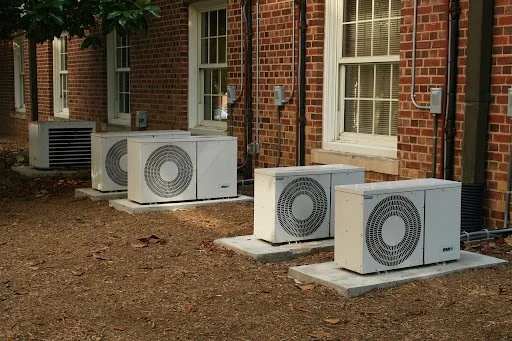
Many buyers also check visible components such as vents, thermostats, and exterior condenser units. Clean vents, well-maintained outdoor equipment, and organized utility areas can create a positive impression. Noise level also matters. A loud or struggling AC unit may draw attention, while a quiet system operating smoothly can help buyers feel confident during their visit.
Pricing Strategy When Cooling Equipment Is Aging
Pricing plays an important role when selling any home with older features. Buyers understand that mechanical systems eventually reach the end of their lifespan. When sellers price a property realistically, buyers often accept that upgrades may be part of ownership.
Real estate professionals frequently review recent residential neighborhood sales before recommending a listing price. Homes with updated systems may sell for higher amounts, while houses with older equipment sometimes reflect those price differences.
Some sellers choose to offer small incentives during negotiations. A credit toward closing costs or future repairs can make a buyer feel more comfortable moving forward with the purchase. These adjustments often help balance concerns about replacement costs while keeping the transaction moving smoothly.
Small Improvements That Help a Home Feel Cooler
Even when an AC unit is older, small improvements can help a home feel more comfortable during showings. These changes create a better experience for buyers walking through the property.
Helpful steps may include:
Replacing air filters before showings
Cleaning vents and removing dust buildup
Adjusting the thermostat to maintain a comfortable temperature
Clearing debris around the outdoor condenser unit
Using ceiling fans to improve airflow
These simple actions help buyers experience the home at its best. A cool, comfortable interior often leaves a stronger impression than a house that feels warm or poorly ventilated.
Buyers Who See Renovation Potential
Not every buyer expects a move-in-ready property. Some actively search for homes they can update over time. An older AC system can fall into that category. Investors and renovation-minded buyers often evaluate replacement costs alongside potential long-term value. If the property sits in a desirable Las Vegas neighborhood, installing a new cooling system may feel like a reasonable investment. New homeowners sometimes prefer choosing their own upgrades as well. Selecting modern energy-efficient equipment allows them to control comfort levels and reduce future energy costs. Because of this mindset, an aging AC system does not automatically prevent a successful sale.
What Sellers Should Keep in Mind During the Process
Selling a home with an older air conditioning unit requires clear communication and realistic expectations. Transparency helps create trust between sellers and potential buyers. Providing accurate information about the system’s age and performance allows buyers to make informed decisions. When questions arise during inspections, open conversations often keep negotiations productive. Homeowners can also explore different selling paths depending on their priorities. Some prefer traditional listings, while others consider faster options that involve fewer repairs and quicker timelines. Each approach offers different advantages depending on the seller’s goals and situation.
Setting Realistic Expectations for Your Sale
Homes across Las Vegas sell with a wide range of property conditions every year. Aging AC systems are just one of many factors buyers evaluate when considering a purchase. While cooling equipment matters in desert climates, it rarely determines the entire outcome of a sale. Buyers often think about the bigger picture. Location, layout, price, and long-term potential all influence their decisions. When sellers understand these priorities, they can approach the selling process with a clearer strategy.
With honest communication, realistic pricing, and a comfortable indoor environment during showings, homeowners can still attract strong interest. Even under the intense Vegas sun, properties with older AC systems continue to find new owners ready to make the house their own.
Frequently Asked Questions
Q1: Can I sell my house in Las Vegas if it has an old AC system?
A: Yes! Homes with older AC systems sell all the time in Las Vegas. Buyers consider various factors, including location, property size, and layout, rather than just focusing on the age of the AC unit. If your home is priced appropriately and has other appealing features, you’re likely to find interested buyers.
Q2: What should I do to make my old AC system more appealing to buyers?
A: You can take a few simple steps to enhance buyer perception of your AC system. Clean the vents, replace air filters, and ensure the thermostat is set to a comfortable temperature during showings. Also, clearing debris from around the outdoor condenser unit can make a positive impression.
Q3: Who typically buys homes with older cooling systems?
A: Investors, renovation buyers, and companies such as Fast Vegas Home Buyers often purchase properties with aging systems. These buyers usually look at long-term potential and may already plan upgrades after purchasing the home.
Q4: Do I need to replace my old AC unit before selling my house?
A: Not necessarily! While a new AC unit might attract some buyers, many are open to older systems, especially if they see the overall value in the property. If you provide maintenance records or demonstrate that the system is functioning well, it can help reassure buyers without needing a full replacement.
Why Purchasing Acreage Is Ideal for Building Your Dream Home
Dream home construction represents an opportunity for creating personalized living spaces matching exact preferences, lifestyle requirements, and aesthetic visions that existing home purchases cannot satisfy, despite extensive property searches attempting to find homes meeting specific criteria that rarely exist in ready-built inventory.
Dream home construction represents an opportunity for creating personalized living spaces matching exact preferences, lifestyle requirements, and aesthetic visions that existing home purchases cannot satisfy, despite extensive property searches attempting to find homes meeting specific criteria that rarely exist in ready-built inventory.
While custom home building on standard suburban lots provides some design freedom, purchasing acreage for construction offers substantially greater flexibility regarding home placement, outdoor space utilization, privacy achievement, and future expansion possibilities that larger land parcels enable beyond what constrained residential lots permit.
Understanding why purchasing acreage proves ideal for building dream homes reveals how land size, location control, development flexibility, and long-term value all favor acreage purchases over standard lot options when custom construction plans include substantial outdoor amenities, privacy prioritization, or architectural designs that generous setbacks and open space require for optimal implementation.
Design Freedom and Architectural Flexibility
Acreage purchases provide design freedom that standard residential lots cannot match through relaxed setback requirements, minimal density restrictions, and ample space accommodating homes of any size or configuration without the constraints that small lots impose on architectural possibilities. The land abundance allows positioning homes optimally for views, solar orientation, prevailing breezes, or privacy considerations that lot dimensions and orientation might not support on standard parcels.
Building placement flexibility also enables designing around natural features, including mature trees, topographic variations, or water features that acreage often includes, creating integrated landscapes that standard lots rarely offer. This natural feature preservation proves impossible on cleared subdivision lots where development removes existing vegetation and levels the terrain, creating blank canvases requiring complete landscaping from scratch.
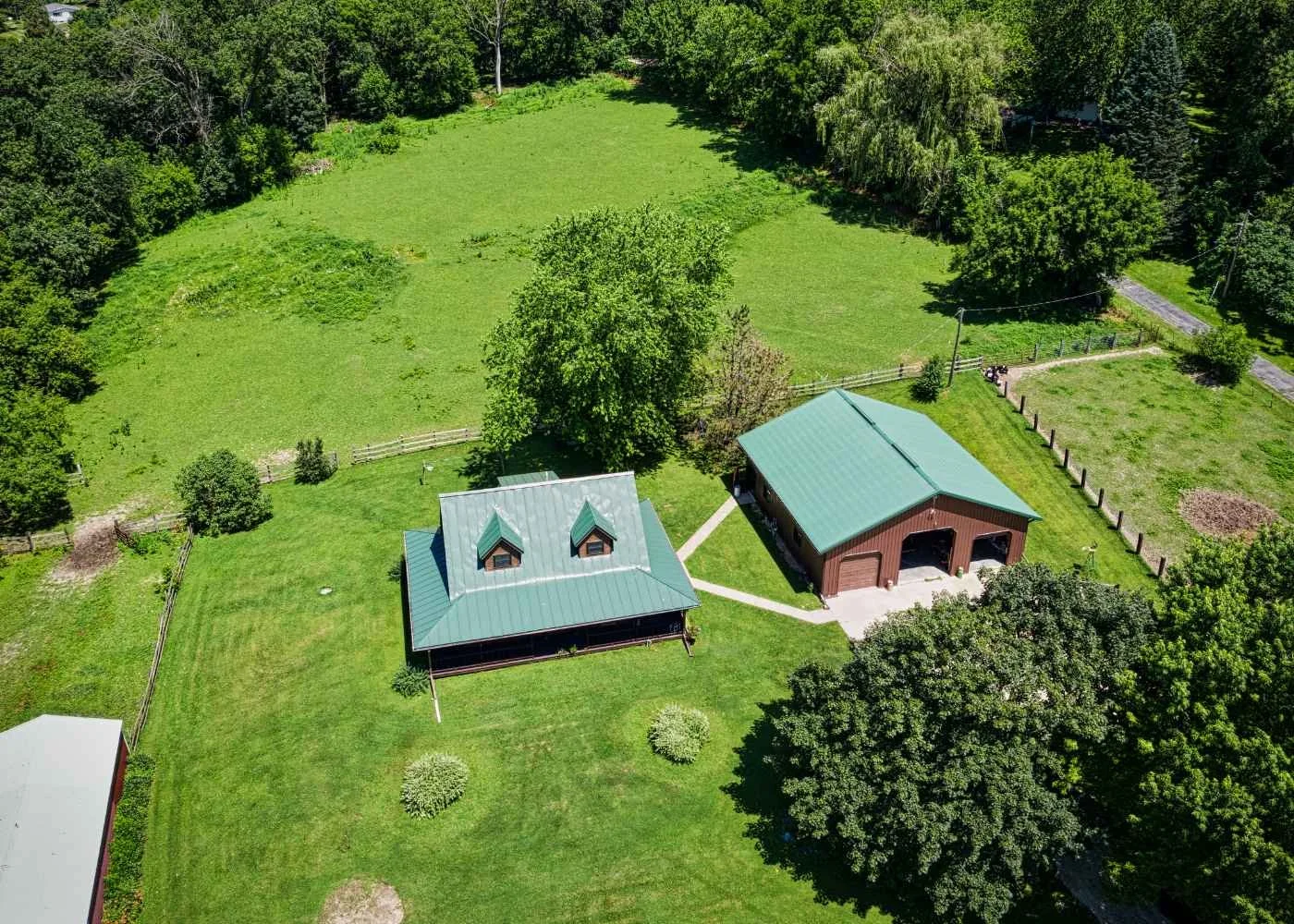
The design freedom extends to outbuildings, workshops, garages, or recreational structures that acreage easily accommodates, while zoning restrictions or space limitations prevent on standard lots despite the desire for these auxiliary structures supporting hobbies, storage needs, or recreational activities that dream home lifestyles include.
Privacy and Distance From Neighbors
Acreage provides privacy through distance that suburban lots cannot deliver, regardless of fencing or landscaping attempting to create seclusion on properties where homes sit close together with minimal separation. The space buffer that multiple acres create eliminates neighbor noise, ensures visual privacy, and provides freedom from the proximity concerns that close development creates through shared property lines and overlapping outdoor spaces.
The privacy proves particularly valuable for outdoor living areas, swimming pools, or recreational activities where enjoyment increases substantially when screened from neighbor views and sounds that close residential development makes unavoidable despite privacy fencing or vegetation barriers attempting separation that proximity inherently compromises.
Rural or semi-rural acreage also reduces traffic noise, light pollution, and urban activity that peaceful countryside living avoids through distance from congested areas that density creates in populated developments, regardless of individual property sizes.
Outdoor Amenities and Land Utilization
Acreage enables outdoor amenities, including private ponds, extensive gardens, riding arenas, sports courts, or walking trails that standard lots cannot accommodate, despite desires for these features that active outdoor lifestyles value. The land abundance allows pursuing agricultural interests, including small-scale farming, orchards, vineyards, or livestock, which incorporate hobby farming or sustainable living goals into property use.
Children and pets also benefit substantially from the space that acreage provides for outdoor play, exploration, and exercise, which confined yards limit, despite being adequate for basic outdoor access. The freedom that large properties enable creates childhood experiences and family activities that cramped suburban lots cannot support, regardless of nearby parks supplementing limited private outdoor space.
The outdoor space also supports future amenities that initial budgets might not accommodate, but that available land allows adding later when finances permit expanding recreational facilities, guest cottages, or landscape features that long-term property development includes.
Investment Value and Future Flexibility
Acreage often appreciates well through land scarcity in desirable areas, development pressure increasing values, and flexibility that future buyers value for their own plans that acreage enables. The investment quality often exceeds standard residential lots through greater demand for larger parcels among buyers seeking exactly what acreage provides.
Future flexibility also proves valuable if family needs change, with acreage allowing property subdivision, additional dwelling construction for extended family, or commercial opportunities that zoning might permit on larger parcels but prohibit on standard residential lots. When purchasing acreage for dream home construction, working with experienced land specialists like Milburn Properties ensures access to quality parcels, proper due diligence regarding zoning and utilities, realistic guidance about development costs, and transaction support that acreage purchases require for successful outcomes, rather than proceeding independently without expert assistance.
Purchasing acreage proves ideal for dream home building through design freedom, superior privacy, extensive outdoor amenity possibilities, and strong investment value that larger land parcels provide beyond standard residential lot capabilities.

How to Select the Right Refrigerator for Your Home
Refrigerator selection represents a significant appliance investment affecting daily kitchen functionality, food storage capacity, energy consumption, and kitchen aesthetics throughout typical service lives spanning ten to twenty years that purchasing decisions influence substantially.
Refrigerator selection represents a significant appliance investment affecting daily kitchen functionality, food storage capacity, energy consumption, and kitchen aesthetics throughout typical service lives spanning ten to twenty years that purchasing decisions influence substantially.
The overwhelming variety of refrigerator configurations, sizes, features, and price points creates decision complexity that hasty purchases made without careful consideration of actual household needs, kitchen constraints, and long-term value often result in regret through choosing models that don't fit spaces properly, lack needed capacity, or include unnecessarily expensive features that usage patterns don't justify.
Understanding how to select the right refrigerator for homes requires evaluating capacity requirements, configuration preferences, energy efficiency, feature priorities, and budget constraints that together determine which models merit serious consideration among hundreds of options that appliance retailers stock across price ranges from basic budget models to premium feature-rich alternatives.
Capacity Assessment and Size Requirements
Refrigerator capacity selection begins with household size consideration, shopping frequency, entertaining habits, and food storage preferences that determine how much refrigerator and freezer space daily use requires. Larger families need greater capacity, accommodating weekly grocery shopping and meal preparation for multiple people, while smaller households manage adequately with compact models that space-constrained kitchens might require.
The capacity evaluation should account for growth expectations if family size might increase, whether bulk shopping at warehouse stores occurs regularly, requiring storage for large quantities, and if extensive meal preparation or baking demands substantial refrigerator space for ingredients and prepared items. These usage patterns dramatically affect appropriate capacity beyond simple household size calculations.
Physical dimensions prove equally critical as internal capacity, with refrigerators needing to fit designated kitchen spaces while allowing proper door clearance, adequate ventilation, and installation access that delivery and setup require. Careful measurement, including height, width, and depth, ensures selected models actually fit intended locations without requiring costly modifications or discovering incompatibility during delivery.
Counter-depth models provide flush installation with cabinetry, creating integrated appearances that standard-depth refrigerators protruding beyond counters cannot achieve, but counter-depth units sacrifice some internal capacity for exterior dimension reductions that aesthetic preferences might justify despite capacity compromises.
Configuration Selection and Layout Preferences
Refrigerator configurations, including top-freezer, bottom-freezer, side-by-side, and French door models, each offer distinct advantages that usage preferences determine appropriateness for individual households. Top-freezer models provide economical capacity with familiar layouts, while bottom-freezer designs position frequently accessed refrigerator sections at convenient heights, reducing bending.
Side-by-side configurations offer narrow door swings suiting tight kitchens while providing eye-level access to both refrigerator and freezer sections, though individual compartment widths limit storing wide items that single-door models accommodate easily. French door models combine bottom freezers with double refrigerator doors, creating wide refrigerator access with a compact door swing that kitchen layouts benefit from.
The configuration choice also affects internal organization options, with some designs offering more flexible shelving, superior drawer systems, or better door storage that specific storage needs might favor despite other configuration trade-offs.
Energy Efficiency and Operating Costs
Refrigerators operate continuously, creating substantial electricity consumption that Energy Star-certified models reduce through improved insulation, efficient compressors, and optimized designs that accumulate operating cost savings throughout appliance lifespans. The efficiency improvements often justify premium prices through utility savings that inferior efficiency models cannot provide, despite lower purchase costs.
Energy guide labels display estimated annual operating costs, enabling comparison across models, with efficient units potentially saving hundreds of dollars over service lives compared to minimum efficiency alternatives that electricity waste creates through outdated technology or inadequate insulation.
Feature Evaluation and Value Assessment
Modern refrigerators offer numerous features, including ice makers, water dispensers, adjustable shelving, humidity-controlled drawers, and smart connectivity that provide convenience provides but costs increase substantially. Feature selection should reflect actual usage likelihood rather than perceived desirability of capabilities that daily life might not utilize sufficiently, justifying premiums. When purchasing refrigerators, working with knowledgeable appliance retailers like Nino's Trading Company ensures access to quality brands, expert selection guidance, proper delivery and installation, and warranty support that appliance investments deserve rather than purchasing solely on price without considering service quality.
Brand Reliability and Warranty Coverage
Refrigerator brand reputation for reliability, parts availability, and service network quality all affect long-term ownership satisfaction beyond initial purchase considerations. Quality manufacturers stand behind products through comprehensive warranties, readily available replacement parts, and authorized service networks that facilitate repairs when needed.
Selecting the right refrigerator requires evaluating capacity needs, choosing appropriate configurations, prioritizing energy efficiency, assessing feature value, and considering brand reliability, which together ensure appliance purchases serve households effectively throughout extended service lives.

