

A resource for those seeking information on organizing and transforming spaces.

How To Prepare Your Pool for the Perfect Summer
Get your pool summer-ready with simple, stress-free steps. Learn how to clean, balance water, and maintain your pool for a safe, refreshing season.

Preparing your pool for summer does not need to feel overwhelming or time-consuming. With a clear plan, you can turn preparation into a simple routine that fits your busy schedule.
With a clean, inviting pool, you can create a relaxing space for your family where you can make the best memories. You just need to focus on a few key steps to set yourself up for a smooth season.
Start with a Thorough Clean
Begin by removing leaves, debris, and anything floating on the surface. Use a skimmer daily for a few minutes to keep things manageable. Brush the walls and floor to loosen dirt that settles over time. Vacuum the pool to remove any debris left behind and restore a fresh look.
Test your pool water before you plan your first swim. Balanced water keeps your pool safe and comfortable for everyone. Adjust pH, chlorine, and alkalinity levels using simple test kits. When you stay consistent, you help avoid algae buildup in your swimming pool and reduce the risk of bigger issues later.
Inspect Equipment for Smooth Operation
Take time to look over your pump, filter, and heater before heavy use begins. Clean or replace filters to keep your system running efficiently. Listen for unusual sounds that might signal a problem. Fixing small issues now saves time and stress during peak summer days.
Refresh Pool Accessories
Look at ladders, covers, and pool toys to make sure everything stays safe and functional. Tighten loose screws and replace worn-out parts. Clean pool furniture so your space feels welcoming and comfortable. A little attention here makes your pool area feel like a true retreat.
Create a Simple Weekly Routine
Consistency keeps your pool looking great without adding extra work to your week. Set aside short blocks of time to handle maintenance tasks. You do not need hours, just a steady rhythm that fits your lifestyle. Try this easy routine:
Skim the surface every other day
Test water levels twice a week
Brush walls and steps once a week
Empty skimmer baskets regularly
Check equipment briefly during each session
Add Comfort and Style
Your pool should feel like a reward after a long day, not just another chore. Add soft towels, shaded seating, and a few fun touches your family will love. Keep sunscreen and drinks nearby to make afternoons easier. When your space feels inviting, you will use it more often and enjoy every moment.
Preparing your pool for summer does not require perfection or complicated steps. Focus on simple habits that keep everything clean, balanced, and safe. A little effort now creates weeks of easy enjoyment later. You deserve a space that helps you unwind, recharge, and make lasting memories with your family.

5 Strategies To Keep Your Garage Organized
Check out these simple strategies to keep your garage organized, maximize space, and maintain a clutter-free, functional environment year-round.
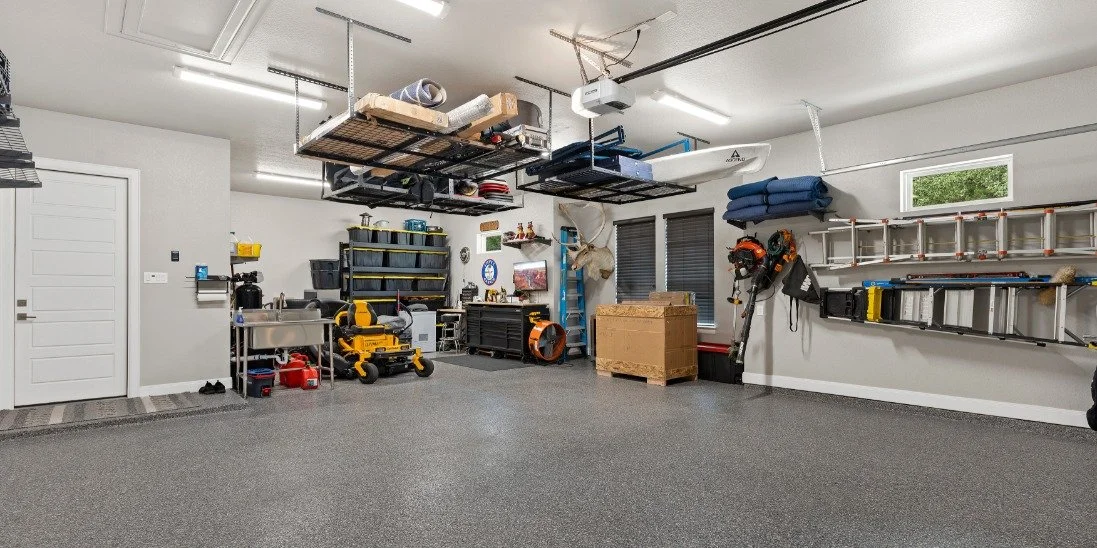
A cluttered garage quickly becomes a source of frustration, making it harder to find tools, park your car, or complete projects efficiently. By applying smart strategies to keep your garage organized, you can transform the space into a functional and stress-free environment. Organization does not require a complete overhaul overnight. Instead, consistent habits and thoughtful systems can create lasting order while maximizing every square foot.
Start With a Clear Plan
Before rearranging anything, assess what you use and what you can remove. Decluttering sets the foundation for any effective system. Sort items into categories like tools, seasonal gear, and household supplies. When you reduce excess, you make it easier to assign everything to a logical place. A clear plan ensures you do not simply move clutter from one corner to another.
Create Defined Zones
Designating specific zones helps maintain long-term organization. Assign areas for gardening tools, sports equipment, and automotive supplies so each item has a consistent home. When you return items to their designated zones, you prevent buildup and confusion. This approach also saves time because you always know where to look.
Maximize Vertical Space
Garages often have unused vertical space that can dramatically improve storage capacity. Install wall-mounted racks, hooks, and overhead storage systems to lift items off the floor. This creates more room and improves safety by reducing tripping hazards. Taking advantage of vertical storage keeps your garage functional without expanding its footprint.
Use Smart Storage Solutions
Choosing the right storage solutions makes a noticeable difference in maintaining order. Clear bins, labeled containers, and durable cabinets help you quickly identify contents and keep everything protected. It is also wise to invest in shelving for your garage to create structured storage that supports heavier items while keeping them accessible. Thoughtful storage reduces clutter and simplifies daily use.
Maintain Organization Over Time
Consistency plays a major role in keeping your garage tidy. Set a routine to return items after each use and schedule occasional cleanups to reassess what you need. Small, regular efforts prevent the space from becoming overwhelming again. When organization becomes a habit, your garage stays manageable with minimal effort.
Keep Your System Simple and Sustainable
The key to long-term success lies in simplicity and consistency. By applying practical strategies to keep your garage organized, you can maintain a space that supports your lifestyle instead of hindering it. Focus on systems you can realistically follow, and your garage will remain clean, efficient, and easy to use.

Everything You Need for a Perfect Home DIY Kit
Build the perfect home DIY kit with essential tools, smart add-ons, and practical tips to handle repairs and projects with confidence and ease.
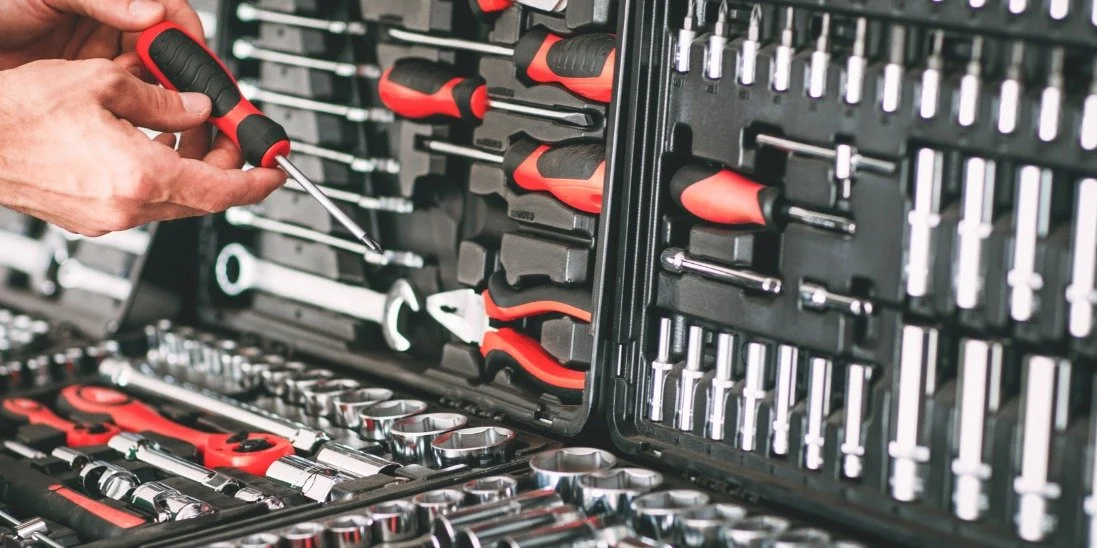
Building your own DIY kit saves time, money, and stress. You gain confidence when you fix things without calling someone else. A well-stocked kit keeps every small project simple and efficient. You do not need fancy tools or a huge budget. You just need the right essentials and a little organization.
Start With Core Hand Tools
Every DIY kit starts with reliable basics. Grab a hammer, a set of screwdrivers, a measuring tape, and a level. Add a sturdy utility knife and a pair of pliers. These tools handle most quick fixes around your home. Choose comfortable grips so your hands do not get tired. Store everything in a compact toolbox so you can carry it anywhere.
Power Tools That Make Work Faster
Power tools speed up bigger jobs and improve precision. A cordless drill sits at the center of any kit. Use it for drilling holes and driving screws. Add a circular saw for cutting wood and panels. A small sander helps you smooth rough edges quickly. Always keep extra batteries charged so you avoid delays.
Choose The Right Blades And Bits
Your tools only work well when you pair them with the correct accessories. Learn the difference between a metal-cutting and a wood-cutting saw blade so you avoid damage and get clean results. Stock a variety of drill bits for wood, metal, and masonry. Keep them organized so you find the right size fast.
Safety Gear You Should Never Skip
DIY projects bring risks if you ignore safety. Wear protective gloves to guard your hands. Use safety glasses to protect your eyes from debris. Add ear protection when you use loud tools. A dust mask helps you breathe easier during sanding or cutting. Keep a small first aid kit nearby for minor injuries.
Organize Your Kit For Easy Access
Good organization saves time and reduces frustration. Use labeled compartments to separate tools and accessories. Hang frequently used items on a pegboard if you have space. Clean your tools after each use so they stay ready. Check your kit often and replace worn items before they fail.
Add Smart Extras That Make Life Easier
Some small additions can improve your workflow and save time. Consider adding these useful items:
A stud finder for locating beams inside walls
A flashlight or headlamp for low light areas
A multi tool for quick fixes and tight spots
Zip ties and duct tape for temporary solutions
A small notebook to track measurements and plans
These extras support your main tools and help you stay prepared.
A perfect home DIY kit does not require dozens of tools. You just need smart choices and consistent upkeep. Build your kit step by step and upgrade when your skills grow. Soon you will handle repairs, projects, and upgrades with ease and confidence. When you build your kit with care you avoid repeat trips to the store. You also reduce clutter by keeping only what you use often. Focus on quality over quantity so your tools last longer and perform better.

How To Reduce Your Home Electricity Bill
Check out these straightforward strategies to cut energy use and bring down your home's monthly electricity costs without sacrificing comfort.

If you’ve been searching for practical ways to cut costs, understanding how to reduce your home electricity bill is a great place to start. Rising energy prices can strain any budget, but small, consistent changes can make a noticeable difference over time. By improving efficiency, adjusting habits, and making informed upgrades, you can lower your monthly expenses without sacrificing comfort. The key is to focus on both immediate actions and long-term improvements that work together to reduce overall energy consumption.
Upgrade Your Everyday Energy Habits
Start by paying attention to how you use electricity throughout the day. Turn off lights when you leave a room and unplug devices that aren’t in use, especially electronics that draw power even when idle. Adjust your thermostat slightly to reduce heating and cooling demand. Washing clothes in cold water and running full loads in the dishwasher also help minimize energy use. These simple adjustments require little effort but can significantly lower your overall consumption.
Improve Home Efficiency
Your home’s efficiency plays a major role in energy costs. Seal windows and doors to prevent drafts and add insulation where needed to maintain consistent indoor temperatures. Replace older light bulbs with energy-efficient options that use less power and last longer. Upgrading appliances to modern, energy-conscious models can also reduce electricity usage over time. Even small improvements, like using power strips to manage multiple devices, can help eliminate unnecessary energy waste.
Use Smart Technology
Smart home technology gives you better control over your energy usage. Install programmable or smart thermostats to automatically adjust temperatures based on your schedule. Smart plugs and lighting systems allow you to control devices remotely and ensure nothing stays on longer than necessary. These tools improve convenience and help you maintain consistent energy-saving habits without constant effort.
Explore Renewable Energy Options
If you’re ready to make a larger investment, consider working with a solar supplier for your home to explore renewable energy solutions. Solar panels can reduce your dependence on traditional electricity and lower long-term energy costs. While the upfront cost may seem high, many homeowners find that the long-term savings and environmental benefits make it a worthwhile option. Even partial adoption of renewable energy can contribute to noticeable reductions in your monthly bill.
Take Control of Your Energy Costs
Learning how to reduce your home electricity bill doesn’t require drastic lifestyle changes, but it does require consistency and awareness. By combining smarter habits, efficient upgrades, and modern technology, you can take control of your energy use and lower your expenses over time. Small actions add up quickly, and with the right approach, you can create a more energy-efficient home that benefits both your budget and your comfort.