

A resource for those seeking information on organizing and transforming spaces.
Why Clutter Builds Where Families Come and Go
Busy doorways explain why clutter builds where families come and go before anyone notices the pattern. The pileup has more to do with rhythm than mess.
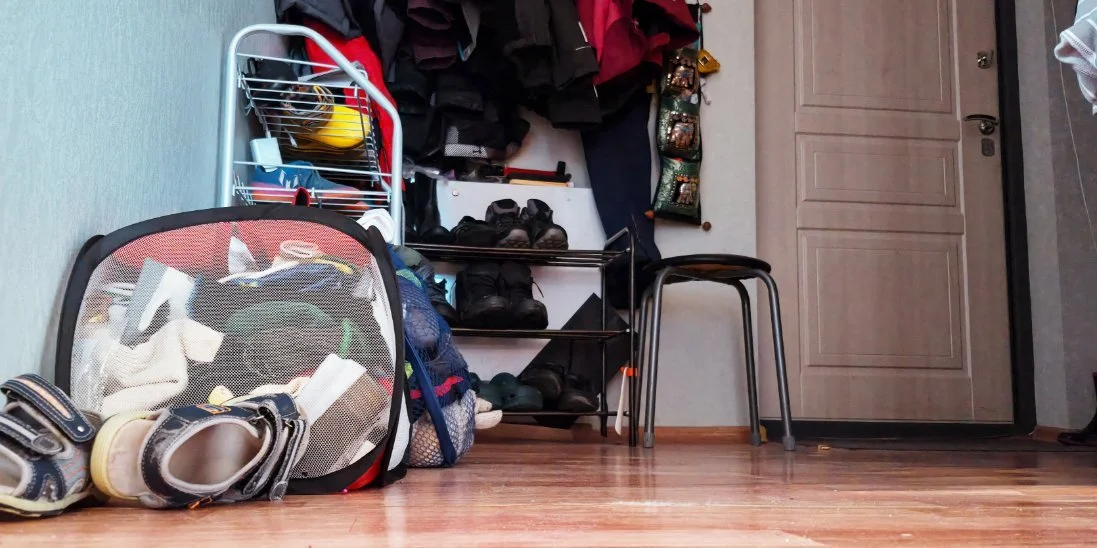
The family entryway has a funny way of telling the whole story before anyone says a word. A crooked sneaker by the door and a lunch bag on the bench point to the same daily traffic jam. Why clutter builds where families come and go has less to do with carelessness and more to do with a space that gets hit by every arrival and exit. When the doorway becomes the household’s unofficial holding zone, the mess starts acting like part of the routine.
The Doorway Handles Too Much
The main entrance becomes the pause point between home life and the outside world. Shoes get kicked off, backpacks land on the floor, and mail gets dropped on the closest surface. Without a clear place for each of these things, they start to pile up right by the door. Over time, that everyday drop zone turns into a small pile that keeps growing with each arrival.
Storage Has To Match Real Habits
A storage system only works when it lines up with how people move in and out of the house. If shoes belong across the room, they will probably stay near the door after a long day. The best setup shortens the distance between where items land and where they belong. That is why mudroom cabinet ideas for busy families work best when they solve the problem at the exact moment bags and shoes enter the house.
Everyone Needs A Landing Spot
Shared spaces get messy faster when no one has a defined place. A single open shelf may seem simple, but it quickly becomes a messy pile once several people use it. Giving each family member one clear landing spot removes the daily guessing. The system does not need to be fancy; it only needs to be easy enough to use during a rushed morning.
Cleanup Should Be Part Of The Routine
Clutter becomes harder to manage when cleanup is treated like a separate chore. A better approach is to attach it to the movement that already happens there. Shoes go away when someone walks in, and bags return to their spot before bedtime. Small resets work because they prevent the entry from turning into a weekend project.
Family entry spaces will never look untouched, and they do not need to. The goal is to make the busiest part of the house easier to recover after daily traffic. Why clutter builds where families come and go becomes easier to solve when the space supports quick decisions. A few simple landing spots can turn the doorway back into a smoother part of family life.
The Most Common Cleaning Mistakes Homeowners Make
Avoid common cleaning mistakes that can damage your home. Keep surfaces looking their best with smarter care and maintenance habits every day.
Keeping a home clean takes more than elbow grease. Using the wrong products, rushing through routine chores, or overlooking the unique needs of different materials can gradually cause unnecessary wear. The most common cleaning mistakes homeowners make often stem from good intentions, but avoiding these habits can help preserve your home's appearance and reduce the need for costly repairs or replacements.
Using One Cleaner for Every Surface
It can be tempting to reach for an all-purpose cleaner and use it throughout the house, but not every surface responds well to the same products. Natural stone, hardwood, stainless steel, glass, and specialty tile each have different care requirements. A cleaner that's perfectly safe for one material may dull, stain, or weaken another.
Before cleaning an unfamiliar surface, check the manufacturer's recommendations or verify that your chosen product is suitable. Taking a few extra moments can prevent permanent damage.
Scrubbing Too Aggressively
Many people assume that more pressure leads to better results, especially when dealing with stubborn stains. In reality, aggressive scrubbing often leaves behind scratches or wears away protective finishes. Abrasive pads can permanently damage countertops, flooring, painted surfaces, and fixtures.
Instead, allow appropriate cleaning products time to break down dirt before wiping or gently scrubbing. Patience often produces better results than force.
Ignoring Material-Specific Care
Decorative materials frequently require specialized maintenance. Cement tile, for example, is prized for its handcrafted appearance but has different cleaning needs than ceramic or porcelain tile. Using harsh chemicals or acidic products may discolor or damage its finish. Understanding how to remove cement tile stains without causing damage helps homeowners protect both the beauty and longevity of these unique surfaces.
Using Too Much Cleaning Product
More soap doesn't necessarily create a cleaner home. Excess detergent can leave behind sticky residue that attracts dust and dirt more quickly, making surfaces appear dirty sooner than expected.
Whether cleaning floors, windows, or countertops, following the recommended dilution ratios typically delivers the best results while making products last longer.
Forgetting Routine Maintenance
Small messes become larger problems when they're ignored. Water spots can become mineral buildup, grease can harden into difficult residue, and stains become increasingly difficult to remove over time.
Creating a simple weekly maintenance routine keeps cleaning manageable while helping prevent permanent discoloration or damage throughout the home.
Overlooking Cleaning Tools
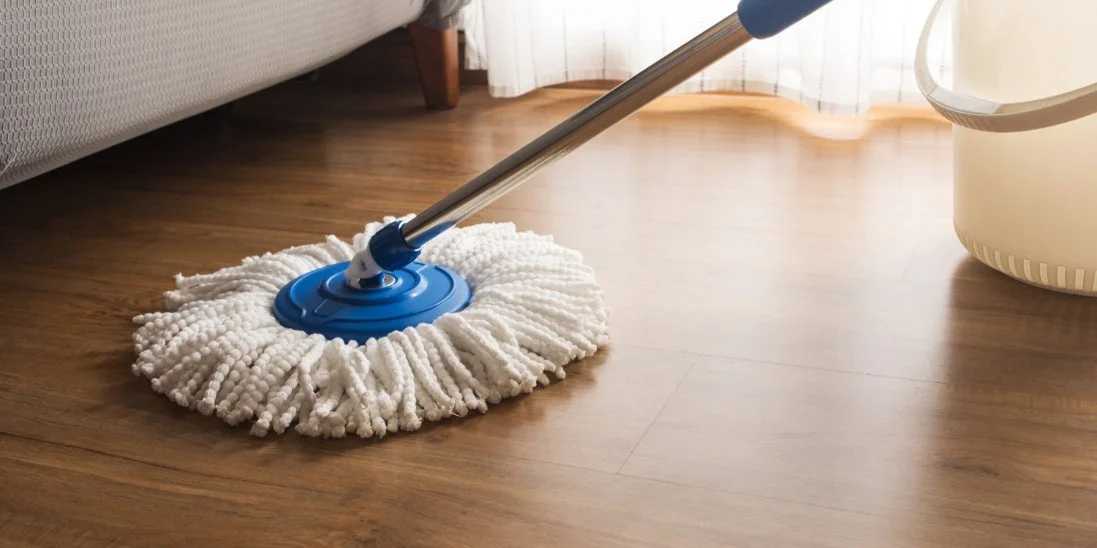
Dirty sponges, mop heads, microfiber cloths, and vacuum filters can spread grime instead of removing it. Cleaning tools require regular washing or replacement to remain effective.
Maintaining these items not only improves cleaning performance but also helps reduce bacteria and unpleasant odors throughout the home.
Building Better Cleaning Habits
Avoiding the most common cleaning mistakes homeowners make doesn't require buying expensive products or spending extra hours cleaning. Instead, success comes from understanding the materials in your home, using appropriate techniques, and staying consistent with regular maintenance. By treating each surface according to its specific needs, homeowners can keep their living spaces looking beautiful while extending the life of their finishes and furnishings.

How To Make Your Pool Feel Like a Resort
Create a luxurious backyard retreat with tips on how to make your pool feel like a resort. Discover simple ways to elevate your outdoor space.
Creating a backyard retreat starts with understanding how to make your pool feel like a resort. A few thoughtful upgrades can transform an ordinary swimming area into a relaxing destination that feels inviting every day. By focusing on comfort, appearance, and atmosphere, you can enjoy a space that encourages longer afternoons outdoors while adding lasting appeal to your property.
Upgrade the Poolside Environment
The area surrounding your pool plays a major role in its overall appearance. Replace worn decking with attractive materials that stay comfortable underfoot and complement your home's style. Add comfortable lounge seating beneath stylish umbrellas or shaded structures to encourage relaxation. Well-chosen outdoor furniture creates an upscale atmosphere while making the space more functional for family and guests.
Enhance the Water's Appearance
Clear, sparkling water instantly gives any pool a luxury feel. Regular maintenance keeps the water looking inviting while modern finishes can elevate the overall design. Waterfalls, deck jets, or gentle fountains introduce movement that creates a peaceful setting without overwhelming the space. These additions also provide soothing background sounds that make every swim more enjoyable.
Add Warmth After Sunset
Outdoor living does not have to end when the sun goes down. Strategic lighting highlights architectural features and improves safety around the pool. Soft illumination beneath coping, inside the pool, or along surrounding walkways creates an elegant evening setting. You can also incorporate fire features into your pool design to add warmth and create an impressive focal point that encourages people to gather outdoors after dark.
Include Comfortable Resort-Style Amenities
Luxury resorts succeed because they focus on comfort as much as appearance. Consider adding a nearby cabana, an outdoor kitchen, or a shaded seating area where everyone can unwind between swims. Plush towels, attractive planters, and coordinated décor help tie the entire space together. Choosing quality finishes throughout the backyard creates a polished look that feels intentional rather than pieced together.
Create a Relaxing Landscape
Landscaping completes the resort experience by surrounding the pool with natural beauty. Select plants that thrive in your climate while adding texture and privacy around the swimming area. Decorative stone accents and carefully placed greenery soften hard surfaces without making the space feel crowded. Keeping the landscape well maintained ensures your backyard always feels fresh and welcoming.
Bring Resort Living Home
With thoughtful improvements and attention to detail, making your pool feel like a resort becomes an achievable goal instead of a distant dream. By enhancing the surroundings, updating key features, and creating comfortable spaces to relax, you can enjoy a backyard that feels like a private getaway throughout the swimming season.
How to Avoid Hidden Costs and Surprises During a Major Remodel
Almost every homeowner considering a major remodel carries the same quiet worry in the back of their mind: what if the final bill looks nothing like the estimate? That fear is not unfounded. Remodeling projects have a well-earned reputation for spiraling past their original budgets, and in most cases, the reason has less to do with bad luck than with decisions that were never finalized before the work began.
Almost every homeowner considering a major remodel carries the same quiet worry in the back of their mind: what if the final bill looks nothing like the estimate? That fear is not unfounded. Remodeling projects have a well-earned reputation for spiraling past their original budgets, and in most cases, the reason has less to do with bad luck than with decisions that were never finalized before the work began.
Understanding Where Overruns Begin
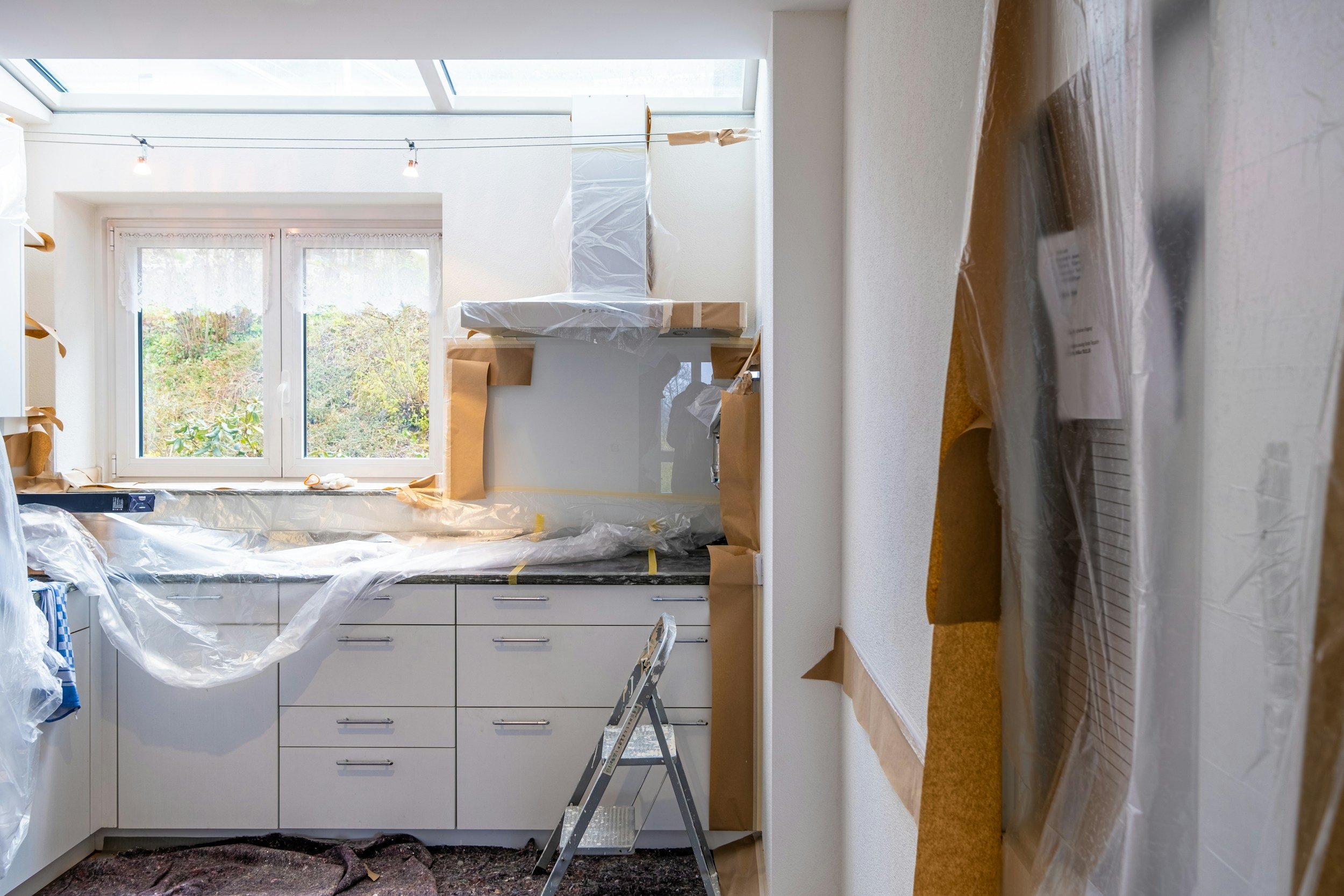
Budget overruns rarely appear out of nowhere. They tend to grow out of small, unresolved questions left dangling at the start of a project, questions about which tile to use, whether a wall is load-bearing, or what fixtures will actually fit the space once demolition reveals what is really behind the drywall. Each of those open questions becomes a decision made under pressure, often after work has already started and the clock is running on labor and equipment.
That pressure changes how decisions get made. A homeowner asked to choose a countertop material mid-project, with a crew waiting and a deadline looming, is far more likely to accept whatever is readily available rather than the option that best fits their budget or vision. Multiply that scenario across dozens of smaller decisions throughout a full home remodel, and it becomes easy to see how costs drift upward without anyone intending for that to happen.
Finalizing Decisions Before Demolition
The most effective safeguard against this kind of drift is remarkably simple in concept, even if it takes real discipline to follow: settle every major decision before a single wall comes down. That means selecting finishes, confirming structural changes, and locking in layout decisions well ahead of demolition day, rather than treating those choices as something to sort out once the project is already underway.
This upfront approach also surfaces problems while they are still cheap to solve. Identifying a long-lead material that needs to be ordered months in advance, or discovering a structural constraint that changes the layout, costs far less to address on paper than it does once framing has already been altered to accommodate the original plan. Thorough planning does not just protect a budget. It protects the timeline as well, since delays caused by last-minute material changes or design reversals tend to cascade through every trade scheduled after them.
Pre-construction planning also gives homeowners something less tangible but equally valuable: the chance to make decisions with a clear head. Reviewing finish samples and floor plans in a calm setting, months before the work begins, produces better choices than reacting to whatever is available once the project is already disrupting daily life.
Avoiding Costly Change Orders
Change orders exist for legitimate reasons, and no amount of planning eliminates every unknown once walls are opened. But there is a meaningful difference between the occasional necessary adjustment and a project built almost entirely around decisions made on the fly. The latter tends to carry a steep price, since altering plans mid-construction often means undoing completed work, reordering materials, or paying for expedited shipping to keep a crew from sitting idle.
A well-planned project treats change orders as the exception rather than the norm. When the vast majority of decisions were finalized before demolition, contractors can price the work accurately from the outset, and homeowners are far less likely to face the kind of budget surprises that erode trust in a project midway through.
Partnering With a Trusted Builder
Thorough planning depends heavily on working with a team that treats it as a genuine priority rather than a formality on the way to swinging hammers. Firms with a design-build approach, such as Nip Tuck Remodeling LLC, bring design and construction together under one process, allowing structural questions, material selections, and scheduling to be worked out collaboratively before a project ever breaks ground.
That kind of integrated planning tends to produce a smoother experience overall, not just a more predictable budget. Homeowners who invest the time upfront, working closely with an experienced team to finalize every material and layout decision in advance, generally find that their remodel proceeds with far fewer surprises than one built around decisions made in the moment.
A major remodel will always involve some degree of uncertainty. But the biggest financial surprises are rarely inevitable. They are, more often than not, the direct result of decisions left unmade until the worst possible time to make them.