

A resource for those seeking information on organizing and transforming spaces.
The Rise of Smart Homes: How Technology Is Transforming Living Spaces
Technology is shaping the way we live, and it’s also changing our standards, especially when it comes to convenience. Luckily for us, technology has the power to make our lives a whole lot more convenient, and we don’t seem to mind it. And when this convenience starts knocking on our doors, technology slowly begins transforming our living spaces, whether it’s for better or worse.
Technology is shaping the way we live, and it’s also changing our standards, especially when it comes to convenience. Luckily for us, technology has the power to make our lives a whole lot more convenient, and we don’t seem to mind it. And when this convenience starts knocking on our doors, technology slowly begins transforming our living spaces, whether it’s for better or worse.
Your Home Can Finally Learn Your Routine
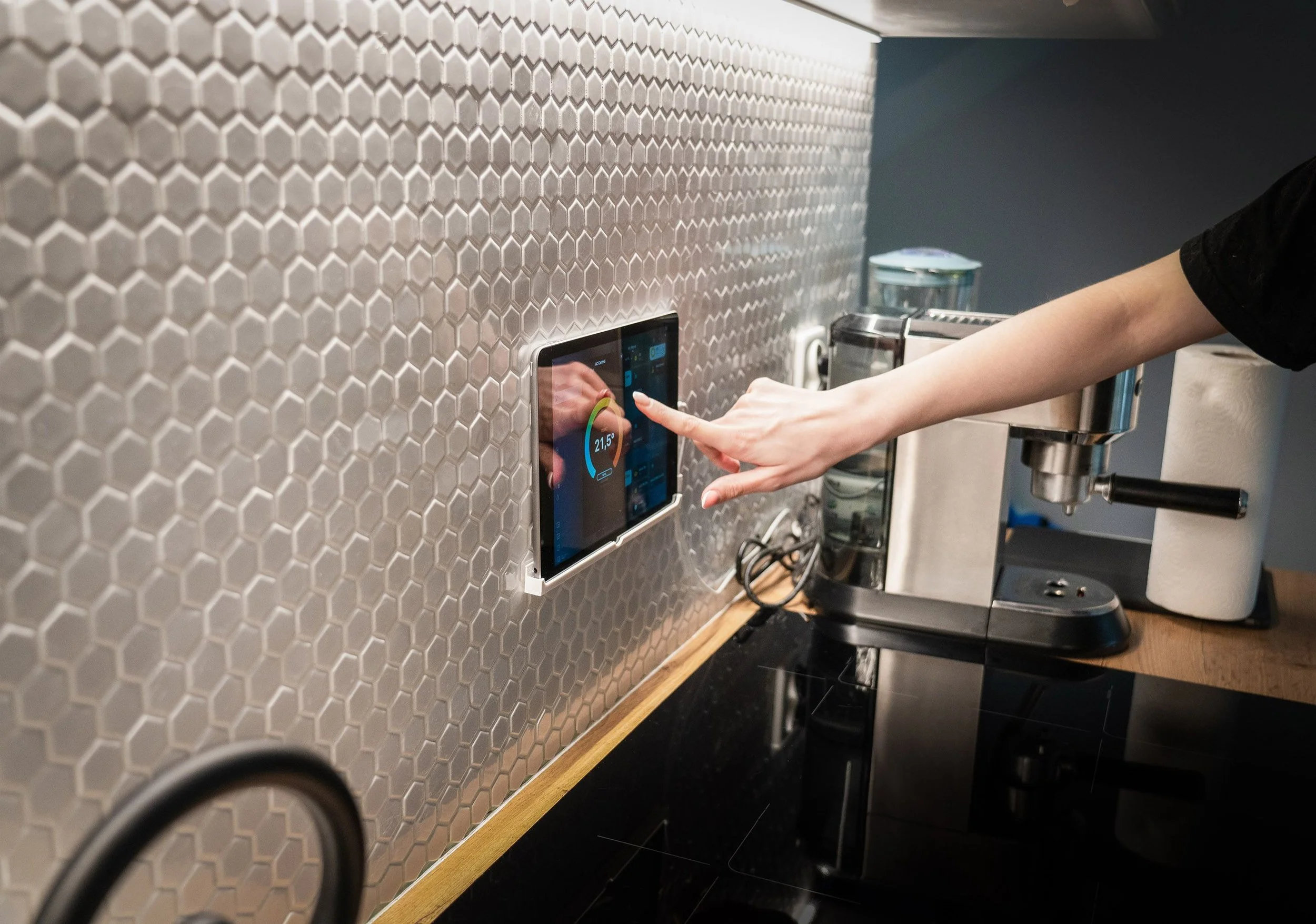
There’s nothing more irritating than experiencing a sensory issue after a long day at work. You get home, it’s too hot, and you just don’t have the patience to wait for the room to cool down. But that can all be in the past, all thanks to technology. Devices such as the Google Nest Learning Thermostat can notice patterns in your day and learn when you're usually home. They can adjust temperatures without you constantly fiddling with settings.
You’re no longer filling the useful space with a range of different devices. Instead, you get this next-gen thermostat, answer a few questions, and let it settle into your habits. Over time, your heating and cooling become less wasteful. Not only are you saving space, but you’re also saving money.
Security Is Getting Smarter
Traditional locks only work after someone reaches your front door. Modern systems start paying attention long before that. An average modern doorbell lets you see who's outside, and it likely allows you to talk to visitors from almost anywhere. Some even feature motion alerts, so you get a notification before anyone presses the bell, or a remote door lock.
That changes everyday life in so many ways. For example, if your friend arrives early, you can unlock the door remotely, or if you’re waiting for a parcel, it’s safe to check who's outside without opening the door. The best part is that you don't have to hide spare keys under flowerpots anymore, and once you try it out, going back feels inconvenient.
Smart Features Are Starting to Influence Property Value
People aren't only buying homes for bigger kitchens. It’s not the nicer backyards they want anymore. At least these aren’t the only drivers. Connected technology is becoming part of the decision. When buyers compare neighbourhoods, whether they’re in Sydney or Brisbane, this is what they want to see.
Even when you examine individual neighbourhoods and look at the trends such as all the houses sold in Kedron in recent years, you can spot a pattern. Homes with thoughtful smart lighting and efficient climate control are more favourable. People also prefer homes with features such as reliable security systems, and integrated automation.
If you’re selling or trying to increase the value of your home, that doesn’t mean you should automatically buy anything you can get your hands on. Start with practical upgrades that save time and improve your comfort first. Then move on to options that reduce energy use. Build from there.
Lighting That Does More Than Brighten a Room
Lighting has become one of the biggest improvements inside smart homes. You see that in examples such as Philips Hue bulbs, which offer millions of colour options, as well as automation. Lights can slowly brighten in the morning and switch off when everyone leaves. With smart lights, you can create different scenes for reading, watching movies, or cooking.
Some even connect to your Wi-Fi. Individual bulbs can also be grouped into rooms and controlled with voice assistants. You stop thinking about light switches quite so much, as they become more like a decorative feature.
Tiny Sensors Are Running the House
The most useful smart devices are often the ones you barely notice, and once you install them, you will never want to let go of this convenience. Aqara Door and Window Sensors are great examples of that. They can detect when a door opens, or when someone enters a room. Their advanced models even go beyond simple motion detection by being able to recognise whether you're still in the room, even while sitting quietly reading or watching television.
If you don’t think that’s big, wait until you try it. Your lights don't suddenly turn off while you're relaxing, and automations become much more reliable. And it’s not about convenient relaxation. Add a water leak sensor under your washing machine or kitchen sink, and you'll receive an alert before a small leak turns into an expensive repair.
Conclusion
Technology will continue to shape and transform our living spaces. And while you don’t have to integrate these gadgets into your home, it’s clear that they offer benefits for those who want this elevated level of convenience that smart devices offer.
Effective Ways To Make Your Kitchen Stand Out
Refresh your home with effective ways to make your kitchen stand out. Learn how to create a space that improves functionality and reflects your personal style.
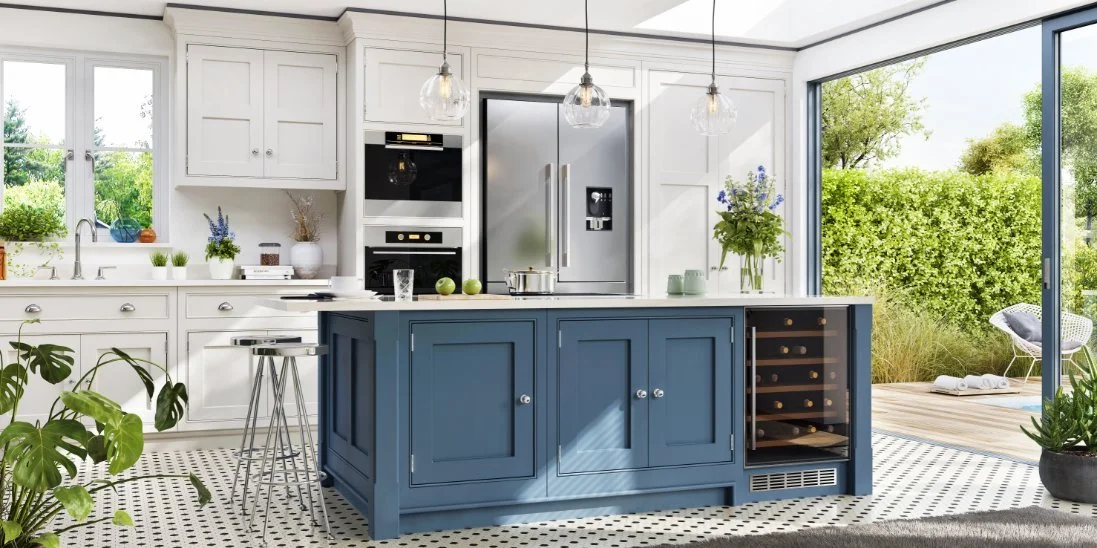
A beautiful kitchen creates a welcoming atmosphere while adding lasting value to your home. From thoughtful design updates to practical improvements, effective ways to make your kitchen stand out can help you create a space that feels personal and functional without sacrificing everyday comfort.
Upgrade Your Cabinet Style
Cabinets often define the overall appearance of a kitchen. Repainting outdated cabinets in a fresh color or replacing worn doors can dramatically change the room. If your budget allows, custom cabinetry adds character while improving storage. New hardware also delivers a noticeable difference, giving existing cabinets a polished appearance with minimal effort.
Add Personality With a Backsplash
A backsplash protects your walls while becoming a striking design feature. Take time to choose the perfect kitchen backsplash that complements your countertops, cabinetry, and flooring. Whether you prefer natural stone, patterned tile, or sleek glass, the right material creates visual interest without overwhelming the room. Coordinating colors instead of matching everything exactly also gives the kitchen a more custom look.
Improve Lighting Throughout the Space
Lighting influences both appearance and function. Replace outdated fixtures with modern designs that suit your home's style. Pendant lights above an island create a focal point while providing task lighting for meal preparation. Under-cabinet lighting brightens work surfaces and highlights attractive finishes. Natural light also enhances the space, so consider larger windows or lighter window treatments whenever possible.
Refresh Countertops and Fixtures
Countertops receive constant attention, making them one of the most noticeable features in the kitchen. Durable materials with distinctive patterns instantly elevate the room. Pair updated countertops with a stylish faucet that complements your overall design. Even a simple sink upgrade can make the workspace feel newer while improving daily convenience.
Incorporate Meaningful Decorative Touches
Decor should enhance the kitchen without creating clutter. Display attractive cookware, artwork, or seasonal accents that reflect your personality. Open shelving provides space for carefully selected dishes or decorative pieces while maintaining an airy feel. Adding greenery with potted herbs or houseplants introduces natural color and softens hard surfaces, creating a warm environment that feels lived in rather than staged.
Create a Kitchen You'll Love for Years
When you focus on thoughtful improvements instead of short-lived trends, lasting results become much easier to achieve. These effective ways to make your kitchen stand out help transform an ordinary cooking space into a room that reflects your style while supporting your daily routine. Careful design choices today can keep your kitchen attractive and functional for many years.
Why Clutter Builds Where Families Come and Go
Busy doorways explain why clutter builds where families come and go before anyone notices the pattern. The pileup has more to do with rhythm than mess.
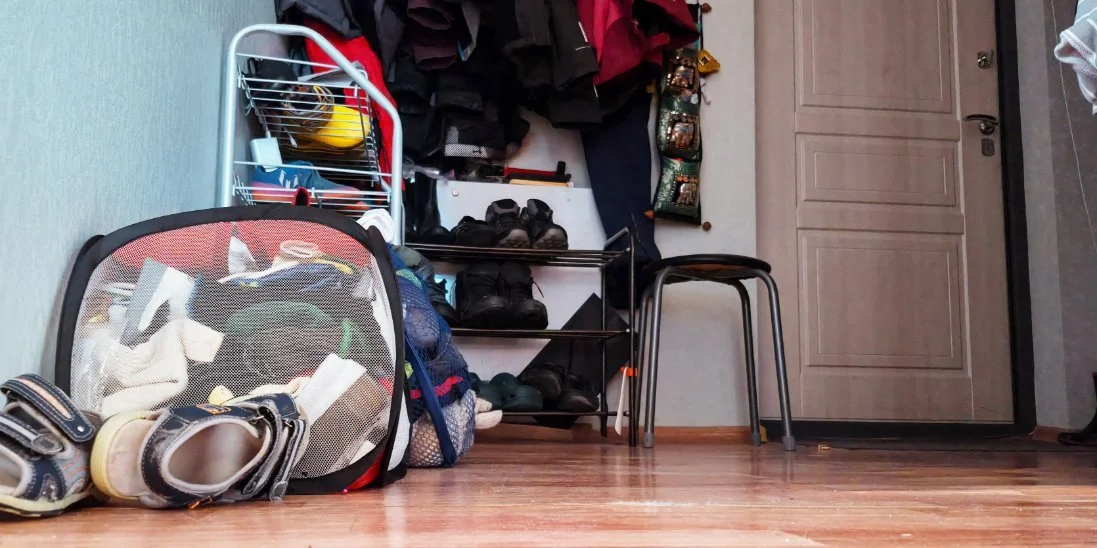
The family entryway has a funny way of telling the whole story before anyone says a word. A crooked sneaker by the door and a lunch bag on the bench point to the same daily traffic jam. Why clutter builds where families come and go has less to do with carelessness and more to do with a space that gets hit by every arrival and exit. When the doorway becomes the household’s unofficial holding zone, the mess starts acting like part of the routine.
The Doorway Handles Too Much
The main entrance becomes the pause point between home life and the outside world. Shoes get kicked off, backpacks land on the floor, and mail gets dropped on the closest surface. Without a clear place for each of these things, they start to pile up right by the door. Over time, that everyday drop zone turns into a small pile that keeps growing with each arrival.
Storage Has To Match Real Habits
A storage system only works when it lines up with how people move in and out of the house. If shoes belong across the room, they will probably stay near the door after a long day. The best setup shortens the distance between where items land and where they belong. That is why mudroom cabinet ideas for busy families work best when they solve the problem at the exact moment bags and shoes enter the house.
Everyone Needs A Landing Spot
Shared spaces get messy faster when no one has a defined place. A single open shelf may seem simple, but it quickly becomes a messy pile once several people use it. Giving each family member one clear landing spot removes the daily guessing. The system does not need to be fancy; it only needs to be easy enough to use during a rushed morning.
Cleanup Should Be Part Of The Routine
Clutter becomes harder to manage when cleanup is treated like a separate chore. A better approach is to attach it to the movement that already happens there. Shoes go away when someone walks in, and bags return to their spot before bedtime. Small resets work because they prevent the entry from turning into a weekend project.
Family entry spaces will never look untouched, and they do not need to. The goal is to make the busiest part of the house easier to recover after daily traffic. Why clutter builds where families come and go becomes easier to solve when the space supports quick decisions. A few simple landing spots can turn the doorway back into a smoother part of family life.
The Most Common Cleaning Mistakes Homeowners Make
Avoid common cleaning mistakes that can damage your home. Keep surfaces looking their best with smarter care and maintenance habits every day.
Keeping a home clean takes more than elbow grease. Using the wrong products, rushing through routine chores, or overlooking the unique needs of different materials can gradually cause unnecessary wear. The most common cleaning mistakes homeowners make often stem from good intentions, but avoiding these habits can help preserve your home's appearance and reduce the need for costly repairs or replacements.
Using One Cleaner for Every Surface
It can be tempting to reach for an all-purpose cleaner and use it throughout the house, but not every surface responds well to the same products. Natural stone, hardwood, stainless steel, glass, and specialty tile each have different care requirements. A cleaner that's perfectly safe for one material may dull, stain, or weaken another.
Before cleaning an unfamiliar surface, check the manufacturer's recommendations or verify that your chosen product is suitable. Taking a few extra moments can prevent permanent damage.
Scrubbing Too Aggressively
Many people assume that more pressure leads to better results, especially when dealing with stubborn stains. In reality, aggressive scrubbing often leaves behind scratches or wears away protective finishes. Abrasive pads can permanently damage countertops, flooring, painted surfaces, and fixtures.
Instead, allow appropriate cleaning products time to break down dirt before wiping or gently scrubbing. Patience often produces better results than force.
Ignoring Material-Specific Care
Decorative materials frequently require specialized maintenance. Cement tile, for example, is prized for its handcrafted appearance but has different cleaning needs than ceramic or porcelain tile. Using harsh chemicals or acidic products may discolor or damage its finish. Understanding how to remove cement tile stains without causing damage helps homeowners protect both the beauty and longevity of these unique surfaces.
Using Too Much Cleaning Product
More soap doesn't necessarily create a cleaner home. Excess detergent can leave behind sticky residue that attracts dust and dirt more quickly, making surfaces appear dirty sooner than expected.
Whether cleaning floors, windows, or countertops, following the recommended dilution ratios typically delivers the best results while making products last longer.
Forgetting Routine Maintenance
Small messes become larger problems when they're ignored. Water spots can become mineral buildup, grease can harden into difficult residue, and stains become increasingly difficult to remove over time.
Creating a simple weekly maintenance routine keeps cleaning manageable while helping prevent permanent discoloration or damage throughout the home.
Overlooking Cleaning Tools
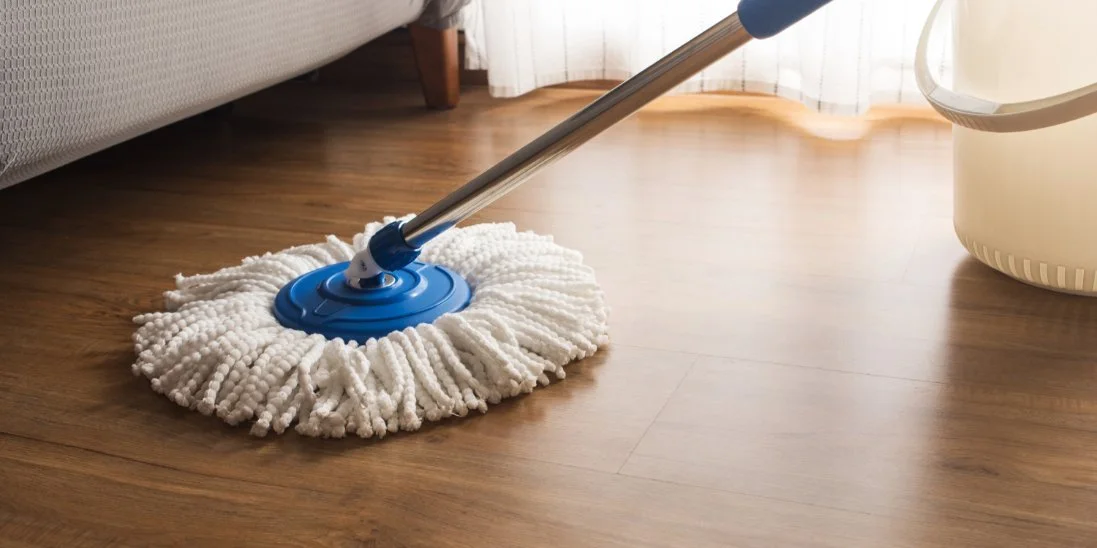
Dirty sponges, mop heads, microfiber cloths, and vacuum filters can spread grime instead of removing it. Cleaning tools require regular washing or replacement to remain effective.
Maintaining these items not only improves cleaning performance but also helps reduce bacteria and unpleasant odors throughout the home.
Building Better Cleaning Habits
Avoiding the most common cleaning mistakes homeowners make doesn't require buying expensive products or spending extra hours cleaning. Instead, success comes from understanding the materials in your home, using appropriate techniques, and staying consistent with regular maintenance. By treating each surface according to its specific needs, homeowners can keep their living spaces looking beautiful while extending the life of their finishes and furnishings.