

A resource for those seeking information on organizing and transforming spaces.
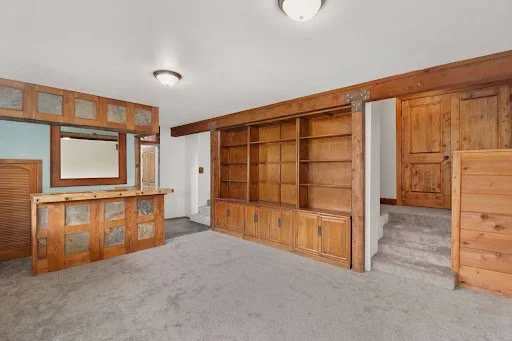
Shag Carpet, Wood Paneling, and Other Flaws Cash Buyers Don't Care About
Selling a home can feel stressful when every outdated feature seems like another problem to fix. You may not need to spend thousands updating everything.
We partnered with a home improvement company for this post. The opinions in the post are honest. All reviews and opinions expressed in this post are based on our personal views. We are excited because we know you will love it.
Selling a home can feel stressful when every outdated feature seems like another problem to fix. You may not need to spend thousands updating everything.
Cash buyers often look at a property differently from traditional buyers. They may consider location, structure, lot, potential, and overall condition. Cosmetic flaws can be part of the deal rather than a reason to walk away.
Why dated features may not scare cash buyers
Traditional buyers often imagine living in a home for years. They may prefer fresh flooring, modern colors, and renovated kitchens.
Cash buyers may have a different purpose. Some purchase homes that need work and renovate them for resale or rental.
An outdated appearance may simply be treated as a renovation cost rather than a deal-breaking flaw.
Shag carpet is rarely a deal breaker
Shag carpet can make a room look stuck in another decade. It may be worn or stained. Replacing it can also become expensive.
For a cash buyer, old carpet is often a straightforward improvement. They can remove it during renovation and install new flooring. If the carpet is unattractive yet the subfloor and structure are sound, the issue may remain largely cosmetic.
Before replacing every carpeted room, consider the numbers. Basic cleaning may be enough to make the home presentable for showings. If replacement costs several thousand dollars, compare that expense with the possible increase in your sale price.
Wood paneling can stay on the wall
Dark wood paneling is another feature that can make a home feel dated. Some buyers now prefer brighter walls and lighter finishes.
A cash buyer may see paneling as a manageable renovation item. They could paint it, cover it, remove it, or leave it in place. If it is secure and dry, changing it may not be necessary.
Cosmetic flaws vs. costly problems
Not every flaw carries the same weight. A useful way to look at an older property is to separate appearance issues from problems that can affect safety, structure, or major systems.
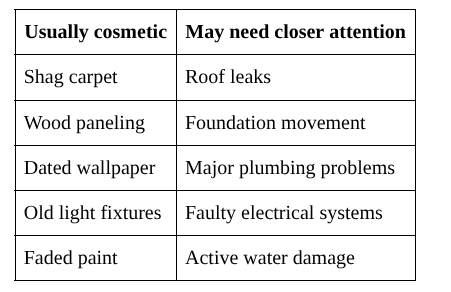
This distinction matters because fresh paint may improve a room's appearance, while repairing a leaking roof protects the property's underlying condition. Cash buyers may accept cosmetic imperfections more readily than serious defects that create uncertainty or expensive work.
Old kitchens do not always need a makeover
An outdated kitchen can make sellers nervous. Old cabinets, laminate countertops, mismatched appliances, or worn flooring may all need attention. A full kitchen renovation can quickly become one of the most expensive projects in a house.
For a cash buyer, an older kitchen can simply be part of the renovation plan. They may already have renovation plans. Spending heavily on a partial update before selling can limit your budget without producing a matching increase in the final offer.
If the kitchen is clean and functional, basic maintenance may be enough. Fixing small issues and cleaning surfaces can make the space easier to evaluate.
Where Signature Home Buyers fits in
Sellers who want to avoid spending months updating an older property can consider a direct cash sale as an alternative. Signature Home Buyers considers homes with dated finishes, cosmetic flaws, and other condition-related issues, depending on the property’s overall situation.
Share known problems, explain repairs you have completed, and provide relevant property information. A clear picture of the home's condition helps a buyer estimate renovation costs and make an offer based on the property as it stands.
Small fixes that can still help
You do not have to renovate a dated house to make it easier to sell. A few low-cost steps can improve the property.
Remove excessive furniture and personal belongings.
Clean carpets, floors, windows, and major surfaces.
Replace burned-out bulbs and broken switches.
Trim overgrown plants around entrances.
Fix loose handles, doors, and simple hardware.
Keep repair records available.
These tasks can make the property easier to inspect while keeping your spending under control. They also help buyers assess the home's condition.
A smarter way to judge repair costs
Before calling a contractor, make a short repair list. Put each item into three groups: must fix, useful if affordable, and leave for the buyer. Then estimate each project's cost and compare it with your expected selling price.
This approach can prevent emotional spending. A home does not need to look perfect. Location, size, layout, land, and systems may matter more.
Quick questions sellers often ask
Do cash buyers really purchase homes with shag carpet?
Yes, some cash buyers will consider homes with old carpet. They account for replacement costs when evaluating the property.
Should I remove wood paneling before selling?
Compare the removal cost with the likely effect on your sale price. If the paneling is sound and the issue is mainly cosmetic, leaving it may make financial sense.
What flaws are more likely to affect a cash offer?
Serious roof, foundation, plumbing, electrical, water, or structural problems can have a greater effect because they may require substantial repairs.
Can I sell an outdated house without renovating it?
Yes. Depending on your market and the buyer, you may be able to sell the property in its current condition. Companies such as Signature Home Buyers may evaluate the home's existing condition rather than requiring a full renovation first.

How To Keep HOA Paperwork From Delaying Home Projects
HOA approval can quickly stall a home project. Keep the paperwork organized from the start so missing details do not push your plans off schedule.
You finally picked the fence, chose a paint color, or found the contractor you want to hire. Then someone asks whether the HOA has approved the project, and suddenly you are digging through emails or trying to remember where you saved the application.
That kind of scramble is especially frustrating when the project already has to fit around work and family schedules. A little organization can keep HOA paperwork from delaying a home project and save you from repeating work later. The process does not need to be complicated. You just need a simple way to keep the important information together and know what still needs your attention.
Check the Rules Before You Shop
Before you get attached to a specific design or schedule an installer, find the HOA guidelines that apply to the project. You do not need to memorize the entire document. You just need to know which rules affect the change you want to make.
Start by checking whether approval is required and what the application asks you to provide. Then look for any restrictions that could affect your choices. Some communities may want photos or drawings, while others ask for specific measurements or product information.
Exterior rules can get surprisingly specific, from approved fence materials to flagpole height, placement, and approval requirements, so it is worth checking before you buy materials or schedule an installer.
Doing this first can keep you from spending time on a choice you later have to change. It also gives you a much clearer idea of what you need to gather for the application.
Create One Home for the Project
Pick one place for everything related to the project.
If you like paper, a basic folder may be all you need. If most of the information arrives by email, a clearly labeled digital folder may be easier. A shared folder can also help when two people in the household are handling different parts of the project.
Save the application and the current HOA guidelines there. Add contractor estimates, photos, measurements, drawings, and other supporting information as you receive them.
The system does not have to look impressive. It just has to save you from wondering, “Did they send that to you or me?” when you are trying to finish an application after dinner.
Build the Application as You Go
Waiting until every project decision is final can create extra work. By then, useful details may be scattered across emails, text messages, and notes you barely remember writing.
Instead, save information as you make each decision.
If you choose a paint color, record the exact name or code. When a contractor sends a drawing, put it in the project folder right away. After taking measurements, save them somewhere permanent instead of trusting that you will remember where you wrote them down.
This works well when you only have short pockets of time to deal with a home project. You might make one decision during lunch and handle another after the kids go to bed. Saving each piece as you go means those small bits of progress still add up.
When it is time to submit the application, you should already have most of what you need.
Keep Questions and Replies Together
HOA communication can become scattered quickly. You send a question from your phone, a response comes back during the workday, and another issue pops up a few days later.
Keep one running note for anything that still needs an answer. Save important replies with the rest of the project information so you do not have to search through your inbox later.
It can help to track:
Questions you have already sent
Answers from the HOA
Changes they request
Information you still need from a contractor
Anything that needs to be resubmitted
A simple note is enough for most projects. There is no reason to create an elaborate spreadsheet unless that genuinely makes things easier for you.
The goal is simply to stop important details from getting lost when several people are involved.
Plan for the Approval Timeline
It is easy to think of HOA approval as one of the last boxes to check, especially once you are excited to get the project started. That can create problems if the application needs a correction or the HOA asks for more information.
Move the approval step closer to the beginning of your timeline.
Before scheduling the work, make sure you know whether the project still needs review. Leave some breathing room in case you need to answer a question or revise part of the submission.
That extra space matters when you are also trying to work around school schedules or a contractor's availability. It is much easier to adjust a project before installation is booked than to reshuffle everything afterward.
Keeping HOA paperwork from delaying a home project is often less about doing more work and more about doing the paperwork early enough.
Save the Final Approval
Once you receive approval, do not let the final paperwork disappear into your inbox.
Save the approved application along with the written confirmation. If there are final drawings, photos, or special conditions attached to the approval, keep those with the project records too.
You may want that information later if something needs to be repaired or replaced. It can also be useful if you make another change in the same area or eventually sell the home.
Take a photo once the work is finished and save it in the same place. That gives you an easy record of both what was approved and what was actually completed.
Keep the System Simple
The organizing system should make the project easier, not become another project of its own.
For most homeowners, one folder and one running checklist will do the job. If your system starts taking more time to maintain than the paperwork itself, simplify it.
Exterior projects already come with plenty of decisions and scheduling. Scattered paperwork shouldn’t need to add another layer of stress. Spending a few minutes getting organized at the beginning can prevent a much longer search for a missing form or forgotten email later.
That leaves you with more time for the project itself and less time wondering where everything went.

Vacation’s Over… 6 Easy Ways to Unpack, Get Organized, and Reset Your Home
Coming home from vacation is a total slap in the face. You walk through the door, smell stale air, and watch your relaxation vanish before your bags even hit the floor. Suddenly, you’re not lounging by a pool, you’re staring down a pile of dirty laundry, a mountain of mail, and a suspect fridge.
Coming home from vacation is a total slap in the face. You walk through the door, smell stale air, and watch your relaxation vanish before your bags even hit the floor. Suddenly, you’re not lounging by a pool, you’re staring down a pile of dirty laundry, a mountain of mail, and a suspect fridge.
Most of us make it worse by letting a half-open suitcase sit on the bedroom floor for three weeks, stepping over it every morning just to dig out clean socks. Stop doing that. If you want to keep your sanity and avoid living in a chaotic transit lounge, rip the band-aid off immediately. Empty the bag, handle the mess, and reset.
1. Ditch the Suitcase Immediately
Open the bag immediately and empty everything out. Put your toiletries back where they belong, dump your dirty clothes into the laundry room, and shove the empty bag into a closet so you don't have to look at it anymore. If spending a week in a clean, uncluttered hotel made you realize your own place is driving you crazy, resetting your environment straight away will bring your sanity back. Getting the physical luggage out of your line of sight removes half the mental weight of coming home.
2. Attack the Laundry Avalanche
Don't even bother taking off your shoes before you start the wash. Toss that giant bag of damp, sunscreen-scented vacation clothes straight into the machine right away. Getting the first load spinning before you even sit down on the couch builds instant momentum.ini existential crisis. Before you know it, you're lying in bed late at night checking every Brunswick house for sale online, convincing yourself that buying a whole new property is easier than doing three loads of laundry. Keep running loads back-to-back until it’s done, and actually fold the clothes right away instead of letting them live in a laundry basket for a week.
3. Perform a Brutal Fridge Cleanout
There is always a moment of pure dread when you open the refrigerator after being away. Toss out whatever half-empty milk, ancient leftovers, or questionable spinach you left behind without second-guessing yourself. Don't try to smell it or convince yourself it's still good. Wipe down the shelves quickly, and immediately place a small online order for basic groceries. Just get coffee, eggs, bread, and milk. You do not want to wake up on your first morning back to a barren kitchen, zero caffeine, and a ruined mood.
4. Sort the Mail Over the Trash Can
Your mailbox probably overflowed while you were away, and the natural temptation is to dump the whole stack on your kitchen island to deal with "later." Do not let that pile touch your countertops. Stand directly over your recycling bin or trash can while you sort through it. Tear up the junk flyers, local catalogs, and credit card offers on the spot. Only save actual bills or important letters, and put them in one designated spot so they don't get lost in the shuffle.
5. Put Souvenirs and Extras Away Right Now
Deal with the random stuff you brought back before it becomes permanent clutter on your dining table. Put the souvenir mug in the cupboard, throw the local snacks in the pantry, and toss those half-empty travel shampoo bottles straight into the bin. If you bought an impulse item that you realize you don't actually like or need, donate it or get rid of it now. Don't let guilt turn travel impulse buys into permanent household clutter that collects dust.
6. Reset the Air and Environment

A stale, closed-up house makes post-vacation blues ten times worse. Open every window in the place for twenty minutes to flush out the dead, stagnant air. Run a quick vacuum over the main walkways, wipe down the bathroom sink, and light a fresh candle to instantly kill that dusty, empty-house smell. Taking ten minutes to freshen the physical air completely changes how your home feels. Getting back to reality is tough, but handling these quick resets the minute you walk in means you can actually relax in your home instead of living out of a duffel bag all week.
Post-vacation blues are real, but living in self-inflicted chaos makes them ten times worse. So put your phone down, step away from the couch, and unlatch that suitcase right now. Toss that first load of dirty clothes into the wash and grab a trash bag, your future self will thank you tomorrow morning when you're drinking coffee in a clean, quiet house instead of digging through a duffel bag for socks.

Your Roadmap to a More Secure, Comfortable, and Well-Planned Future
Planning your financial future involves more than saving money. You need to picture your ideal daily life and set steps to reach it. Without a clear path, you risk running short on funds or missing experiences that matter most.
Planning your financial future involves more than saving money. You need to picture your ideal daily life and set steps to reach it. Without a clear path, you risk running short on funds or missing experiences that matter most.
In this guide, you will learn how to:
• Picture your dream lifestyle and set clear priorities
• Assess your net worth along with income and expenses
• Establish SMART goals for short-, mid-, and long-term plans
• Create a savings and investment strategy that balances growth and safety
• Protect your assets with insurance, wills, and trusts
• Keep yourself healthy and engaged through fitness and community
• Budget for travel, hobbies, and special projects
• Leverage apps and online tools for real-time planning
Whether you are just starting your career or preparing for the next phase of life, this roadmap provides a step-by-step plan for planning your financial future with confidence and peace of mind.
Let us begin by envisioning where you want to live and how you want to spend your days in retirement.
Setting Your Retirement Destination
Planning retirement starts with picturing life after work. Envision where you live, how you spend your days, and which aspirations drive your joy. Use tools like vision boards or lifestyle mapping to capture ideas and keep goals in focus.
Envisioning your ideal lifestyle
Consider travel aspirations, hobbies, and time with loved ones. Ask yourself:
• Which destinations or bucket-list trips matter most?
• Do you see yourself downsizing or moving to a retirement community?
• How much family time and personal projects do you want each week?
Visualizing daily routines and special milestones creates a clear picture of your future.
Identifying priorities and values
Next, rank what matters most, such as health, adventure, or legacy. Factor in your timeframe for retiring in 10, 20, or 30 years to shape savings targets. Evaluate cost of living, local amenities, and proximity to family.
Aligning your core values with concrete goals ensures your roadmap reflects the lifestyle you desire. Also, consider local infrastructure such as reliable HVAC services, property maintenance, and utility costs when picking a home that supports your comfort.
Assessing Your Financial Starting Point
Before planning your financial future, establish a clear view of your current finances. This section shows how to measure net worth and track income and expenses. Knowing where you stand helps you plan with confidence. It also guides your next steps in saving and investing.
Net Worth Calculation
Listing Your Assets
• Cash and checking or savings balances
• Investments such as stocks and bonds
• Real estate or property values
• Vehicles and other valuable items
Listing Your Liabilities
• Mortgage balances
• Auto and student loans
• Credit card debt
• Other personal loans
Computing Your Net Worth
Subtract total liabilities from total assets. A positive net worth means assets exceed debts. A negative net worth highlights areas for improvement. Review these figures at least once a year to spot major shifts in your financial health.
Income and Expense Tracking
Start by identifying all income streams, such as salaries, rental income, or freelance work. Review bank and credit card records to capture every payment.
Categorizing Expenses
• Fixed costs (rent, utilities)
• Variable costs (groceries, entertainment)
• Recurring fees (subscriptions)
• Non-monthly expenses (insurance premiums)
Calculating Net Cash Flow
Subtract total monthly expenses from total monthly income. A surplus shows spare funds for saving or investing. A shortfall signals a need to adjust spending. Regularly update these numbers to keep your plan on track.
Next, use this baseline to set measurable goals and track growth.
Goal Setting: Short-, Mid-, & Long-Term Milestones
As part of planning your financial future, set clear milestones to track progress across different horizons. By applying SMART criteria, you ensure each goal stays focused and achievable.
SMART Financial Goals
Define goals that are Specific, Measurable, Achievable, Relevant, and Time-bound.
• Specific: e.g., save $5,000 for an emergency fund
• Measurable: track monthly contributions
• Achievable: align with income and expenses
• Relevant: focus on priorities like debt reduction
• Time-bound: set a deadline, such as 12 months
This framework applies to short-, mid-, and long-term objectives.
Timeline Planning
Use a visual timeline to assign each milestone a clear date. Break your objectives by horizon:
1. Short-term (0–12 months): build an emergency buffer, pay off high-interest debt
2. Mid-term (1–5 years): save for a home down payment, invest in retirement accounts
3. Long-term (5+ years): plan for college funds, secure retirement income
Map these milestones on a calendar. Review progress quarterly and adjust targets as needed. Celebrating small wins keeps motivation high and ensures your roadmap stays on course.
Building Your Financial Roadmap
In planning your financial future, laying out a clear path helps you save, invest, and leverage retirement accounts for long-term security. Focus on building habits that balance liquidity, growth, and tax efficiency.
Savings Strategies
Start by tracking income and expenses to ensure you spend less than you earn. Key steps:
• Automate deposits into a high-yield savings or money market account
• Build an emergency fund equal to 3–6 months of living expenses
• Implement a debt reduction plan targeting high-interest loans first
Investment Options
Align your portfolio with your risk tolerance and timeline. Consider:
• A mix of stocks, bonds, and real estate for balanced growth
• Dollar-cost averaging into low-cost index funds or ETFs
• Regular rebalancing to maintain diversification across asset classes
Retirement Account Optimization
Maximize Employer Match
Contribute at least enough to your 401(k) to capture any employer match.
Choose the Right Account
• Compare Roth vs Traditional IRAs based on current and future tax brackets
• Use catch-up contributions if you are 50 or older to boost savings
Tax Planning Strategies
Use deductions, credits, and account selection to minimize tax liability and enhance long-term growth.
Health & Wellness Roadmap

Maintaining health supports long-term vitality. Combine fitness routines, balanced nutrition, and community engagement for sustained well-being.
Physical Fitness and Nutrition
Aim for at least 150 minutes of moderate aerobic activity or 75 minutes of vigorous exercise each week. Complement cardio with strength training two days weekly to preserve muscle mass and bone density.
Follow a balanced eating plan rich in vegetables, fruits, whole grains, lean proteins, and healthy fats. Consider a Mediterranean-style diet to support metabolic health and reduce inflammation. Use meal planning or macro tracking to maintain consistent energy levels.
Mental Health and Social Connections
Integrate daily mindfulness practices such as guided breathing or brief meditation to build stress resilience. Prioritize sleep by setting a consistent bedtime routine.
Engage with community through clubs, volunteering, or group classes to foster social bonds. Cultivate close relationships by scheduling regular catch-ups with friends and family. Pursue lifelong learning and purposeful hobbies to boost mood and cognitive function.
Estate Planning & Insurance Essentials
Effective estate planning protects assets and ensures your legacy follows your wishes. It combines legal tools and insurance to safeguard your family’s future.
Wills and trusts
A will provides clear instructions for distributing property and naming guardians for minor children. Trusts can avoid probate court, streamline asset transfer, and allow conditions like age-based distributions.
A revocable living trust offers flexibility and privacy during your lifetime. An irrevocable trust may shield assets from creditors and reduce estate taxes.
Powers of attorney
Designate a durable power of attorney to manage finances if you become incapacitated. A health care power of attorney or living will spells out medical preferences and appoints someone to make treatment decisions.
Life and health insurance planning
Life insurance policies pay benefits directly to named beneficiaries. Regularly review coverage amounts and designations after major events.
Long-term care insurance can protect savings by covering costs of assisted living or nursing care. These strategies work together to preserve estate value and support family needs.
Budgeting for Experiences and Lifestyle
Allocating funds for new pursuits needs a clear plan. Budget for travel, hobbies, and dining with simple frameworks.
Travel and Hobbies Budgeting
Divide your discretionary fun money into core categories:
• Travel: annualize your monthly allotment (example: $300 × 12 = $3,600 per year)
• Hobbies: estimate cost per hour and equipment depreciation
• Dining and entertainment
Adjust overall allocation based on your financial phase:
• 25% of after-tax income if you have a fully funded emergency fund
• 20% if you are building that safety net
• 10% if you are prioritizing debt payoff
Employ rollover budgets to carry unused funds into future months.
Hidden Costs and Contingency Funds
Create a miscellaneous buffer for variable fees, incidental travel charges, and hobby supplies. Add a 5–10% contingency on top of core budgets to cover exchange-rate fluctuations or unexpected expenses. Keep these reserves separate to avoid derailing your planned experiences.
Leveraging Digital Tools and Innovative Resources
Online calculators and robo-advisors simplify planning with real-time projections and automated portfolios. Integrating these tools can cut manual work and keep your goals on track.
Retirement planning calculators
• Vanguard’s calculator offers quick, no-login retirement estimates
• Fidelity’s Planning & Guidance Center generates readiness scores and printable reports
• PopaDex tracks net worth across currencies and projects FIRE timelines
Robo-advisors and apps
• Wealthfront: diversified portfolios and tax-loss harvesting (0.25% fee, $500 min)
• Fidelity Go: no fees under $25,000 and advisor support
• Schwab Intelligent Portfolios: no management fee and $5,000 min
Conclusion
Building a secure, comfortable, and well-planned future is within reach when you follow a clear roadmap. By envisioning your ideal lifestyle, assessing your finances, and setting SMART goals, you lay the foundation for lasting confidence.
You have the tools to save, invest, protect your assets, and enjoy life to the fullest.
Key takeaways:
• Clarify your vision and align goals with your values
• Calculate net worth and track income versus expenses
• Set specific, measurable, achievable, relevant, and time-bound milestones
• Balance savings, investments, tax planning, and insurance
• Maintain physical fitness, mental wellness, and social connections
• Establish wills, trusts, and powers of attorney to protect your estate
• Budget for travel, hobbies, and unexpected costs with contingency funds
• Use calculators, robo-advisors, and apps to monitor progress in real time
This guide provides a step-by-step plan and the resources you need. Now it is time to take action. Choose one milestone, schedule a planning session, or download a budgeting app today. Consistent steps lead to lasting results.
Your roadmap is set. Move forward with confidence and build the future you imagine.
Sara Young

Sarah Young holds a Bachelor's in Marketing Communications from California Lutheran University. She enjoys running her website glitternglue.com, where she can share her own and others' thoughts on lifestyle tips! During her spare time, she enjoys going to the beach with her dog or painting nature murals.