
What Is Water Filtration and Why Is It Important
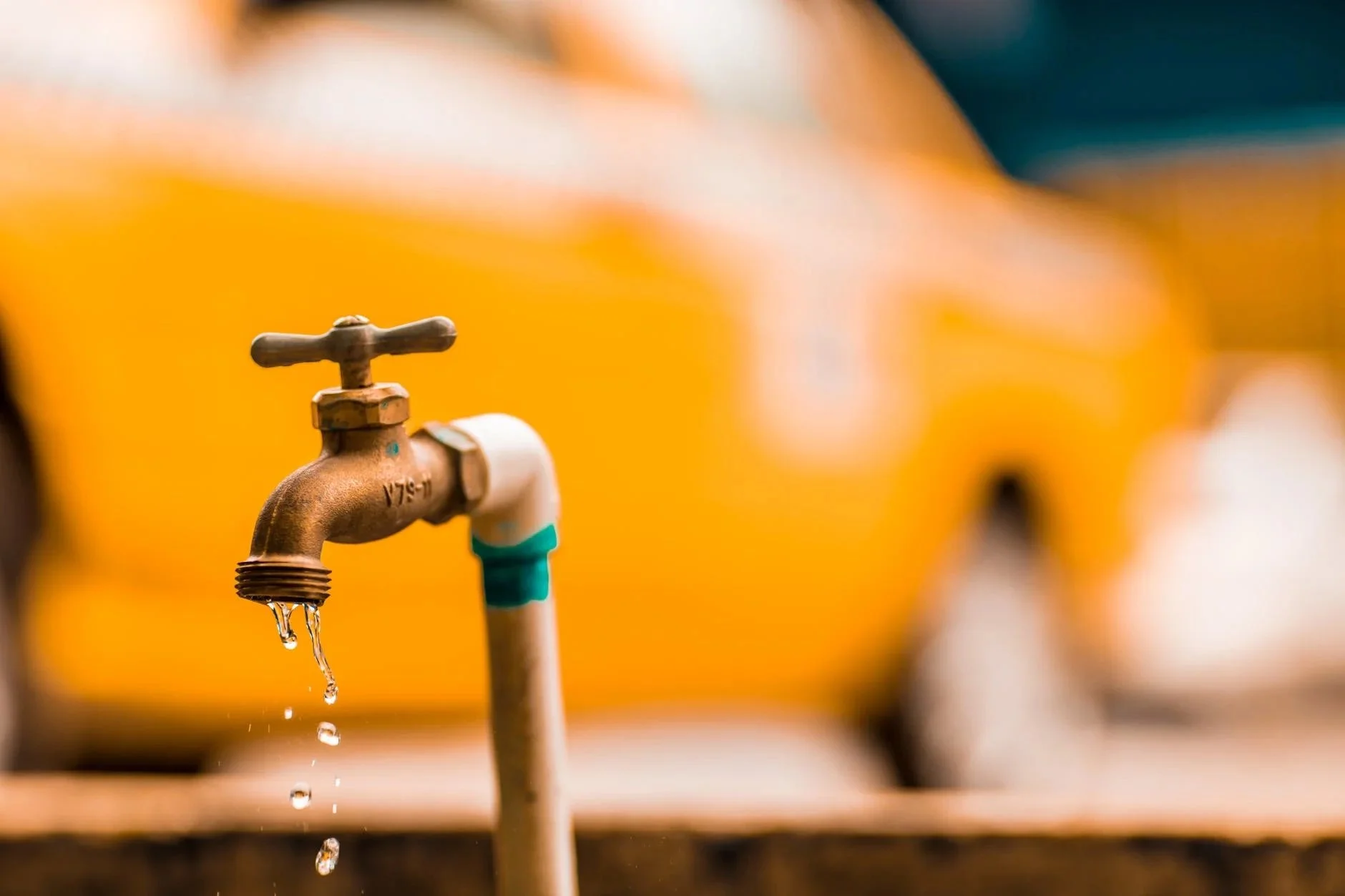
Water filtration is a system of removing pollutants and unwanted particles from water using physical barriers and chemical or biological treatments. Water is filtered to create clean water for drinking, washing, gardening, farming, and other household tasks. Wherever water is available in a residential or commercial setting, it must be clean and safe for use by everyone.
Types of Water Filtration
An activated carbon filter is effective at removing a variety of chemicals, from chlorine to magnesium. It works through the use of activated, low-volume pores for adsorption. An ion exchange filter relies on the process of ion exchange to remove hardness from water, along with heavy metals and radionuclides.
Reverse Osmosis is a process of separating ions using a permeable membrane. The system is effective at removing chemical and biological agents from the water. An ultraviolet water purification system involves using ultraviolet light to remove microbiological pollutants like bacteria and viruses.
Benefits of Water Filtration
Installing a water filtration in any household is optional, but recommended to remove unpleasant tastes and harmful particles from your drinking water. A wide range of unsafe chemicals is found in water, from chlorine to lead and ammonia. There are also particles that are more difficult to name, such as various pesticides, pharmaceutical agents, volatile organic compounds, and perfluorinated chemicals.
A home water filtration system removes all of these contaminants to improve the purity, taste, and smell of your water for drinking and cleaning. It is common to recognize the impure taste of drinking from the tap. In addition, bathing and showering are safer tasks to undertake.
Pure water is beneficial to your health by reducing the risks of consuming deadly bacteria and viruses from drinking impure water. Drinking plenty of clean water is highly effective at absorbing nutrients in the body, increasing hydration, and promoting a healthy body weight.
Water filtration is beneficial to the environment, as it helps households to save energy. Particles often build up in an unfiltered water appliance and cause it to use large amounts of power, which can affect your electricity bill. By improving your water system, you can conserve energy and preserve the environment.
Conclusively, In every city and town, the public water system accumulates a large collection of impurities from the soils and waterways. These impurities add to the unpleasant taste of drinking water and increase the risks of developing diseases from waterborne pathogens. A water filtration system is easy to install in any home and is recommended in every household.

