
Protecting Your Home from Water Damage
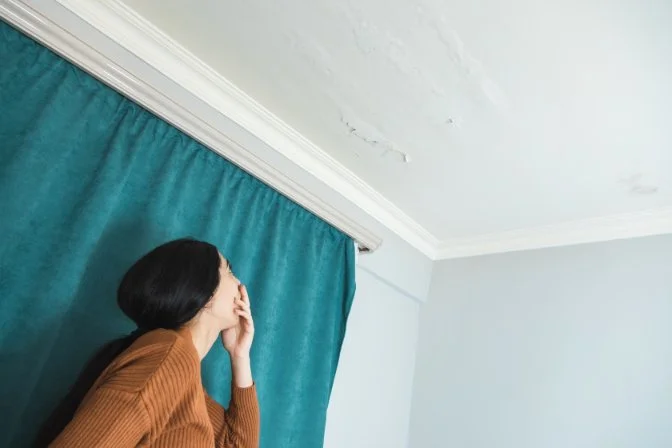
Water leaks rank among the most common yet potentially devastating problems homeowners face. What begins as a small drip or barely noticeable stain can quickly escalate into a major crisis, causing thousands of dollars in damage. The consequences extend far beyond the immediate mess—structural damage weakens your home's foundation and framing, mold growth threatens your family's health, and wasted water drives up utility bills month after month. According to insurance industry estimates, water damage accounts for nearly a quarter of all homeowner insurance claims, with the average claim exceeding $10,000. This guide helps homeowners identify, repair, and prevent leaks before they become catastrophes, protecting both your property investment and your family's well-being.
Common Types of Household Leaks
Understanding where leaks typically occur helps you monitor vulnerable areas and catch problems early.
Plumbing leaks are the most frequent culprits. Dripping faucets waste gallons daily while signaling worn washers or valve seats. Pipe joints, especially where different materials connect, develop leaks as seals deteriorate over time. Under-sink connections face constant stress from vibration and movement, making them prone to loosening or cracking. Even small plumbing leaks add up—a faucet dripping once per second wastes over 3,000 gallons annually.
Roof leaks develop from multiple sources. Damaged or missing shingles create entry points for rain and snow. Flashing—the metal strips sealing roof valleys, chimneys, and vents—cracks or separates with age and weather exposure. Clogged gutters overflow, sending water under roof edges and into walls. Ice dams in winter force water beneath shingles when melting snow refreezes at roof edges.
Appliance leaks often go unnoticed until significant damage occurs. Washing machine supply hoses deteriorate and burst without warning, releasing hundreds of gallons. Dishwashers develop leaks around door seals or from loose connections. Refrigerator water lines crack or disconnect, creating puddles behind units that damage flooring before anyone notices.
HVAC leaks typically result from condensation line blockages. Air conditioning systems generate moisture that normally drains away through condensate lines. When these lines clog with algae or debris, water backs up and overflows, damaging ceilings, walls, and floors near indoor units.
Foundation leaks threaten your home's structural integrity. Cracks in foundation walls or floors allow groundwater to seep inside, especially during heavy rain. Poor drainage around your home's perimeter directs water toward the foundation instead of away from it, creating hydrostatic pressure that forces water through any weakness.
Identifying a Leak
Early detection prevents minor problems from becoming major disasters. Watch for these warning signs throughout your home.
Visual indicators provide the most obvious clues. Water stains on ceilings, walls, or floors appear as discolored patches, often yellowish or brown. Peeling paint or wallpaper suggests moisture behind surfaces. Warped or buckled flooring indicates water exposure. Visible mold growth—appearing as black, green, or white spots—confirms ongoing moisture problems.
Sensory clues alert you to hidden leaks. Musty odors indicate mold growth from chronic moisture. The sound of dripping or running water when all fixtures are off signals an active leak somewhere in your plumbing system.
Monitor your water bills for unexplained increases. A sudden spike without changed usage patterns often indicates a hidden leak. Most municipalities track water usage monthly, making trends easy to spot.
Simple DIY tests help locate specific leaks. The toilet dye test involves adding food coloring to the tank—if color appears in the bowl without flushing, the flapper valve leaks. Check your water meter before and after a two-hour period when no water is used; any change indicates a leak somewhere in your system.
Immediate Steps to Take
Quick action when you discover a leak minimizes damage and reduces repair costs.
Shut off the water supply first. For localized leaks at fixtures, turn off the valve directly beneath the sink, toilet, or appliance. For major leaks or when you can't identify the source, shut off the main water valve—typically located near where the water line enters your home or at the water meter.
Contain the leak to prevent water from spreading. Place buckets under drips, use towels to soak up standing water, and apply temporary sealants like plumber's putty for very small leaks. Move furniture, electronics, and valuables away from affected areas.
Document everything for insurance claims. Photograph and video all damage before cleanup begins. Note the date, time, and circumstances of discovery. Keep receipts for emergency supplies and repairs.
Assess whether you can handle repairs yourself or need professional help. Small drips from loose connections might be DIY-friendly, but anything involving pipes inside walls, structural damage, or contaminated water requires professional expertise.
Repair Methods
Appropriate repair methods depend on the leak's location, severity, and cause.
DIY fixes work for minor problems. Tightening loose pipe fittings with a wrench often stops drips at connections. Replacing worn faucet washers requires basic tools and costs just dollars. Applying plumber's tape (Teflon tape) to threaded connections creates watertight seals. Pipe sealant works for very small cracks in accessible pipes, though it's a temporary solution.
Roof repairs address weather-related leaks. Replace damaged or missing shingles by removing old ones and nailing new shingles in place. Reseal flashing around chimneys and vents with roofing cement. Clean gutters regularly to prevent overflow. For extensive damage, professional roofers ensure proper repairs that prevent future problems.
Appliance fixes often involve simple component replacement. Washing machine hoses should be replaced every five years as preventive maintenance—burst hoses cause catastrophic flooding. Check and replace worn door seals on dishwashers. Tighten or replace refrigerator water line connections.
Professional repairs, such as those from professionals like Quality Plumbing, become necessary for complex issues. Hidden pipe leaks inside walls require specialized detection equipment and expertise to access without unnecessary demolition. Pipe replacement for corroded or damaged plumbing ensures long-term reliability. For homes with widespread corrosion, pinhole leaks, or outdated pipe materials like galvanized steel or polybutylene, repiping offers the most comprehensive solution—replacing entire sections or all of your home's plumbing system with modern materials like copper or PEX that provide decades of leak-free service. Structural waterproofing addresses foundation leaks through methods like exterior excavation, membrane installation, and drainage systems. Advanced diagnostics, utilizing thermal imaging cameras, moisture meters, and acoustic sensors, pinpoint problems invisible to homeowners.
Preventing Future Leaks
Prevention costs far less than repairs and protects your home from water damage.
Regular inspections catch problems before they cause damage. Check under sinks, around toilets, and near water heaters monthly for signs of moisture. Inspect your roof twice yearly, especially after severe weather. Examine appliance hoses and connections annually.
Seasonal maintenance addresses weather-related vulnerabilities. Clean gutters in spring and fall to prevent overflow. Check roof flashing and seals before winter. Inspect outdoor faucets and irrigation systems before freezing weather.
Install leak detection devices for early warning. Water sensors placed near water heaters, washing machines, and under sinks sound alarms when moisture appears. Smart water sensors connect to your phone, alerting you to problems even when you're away. Some systems automatically shut off water when leaks are detected.
Proper insulation prevents pipe bursts in winter. Insulate pipes in unheated areas like basements, crawl spaces, and garages. During extreme cold, let your faucets drip to prevent freezing. Know where your main water shutoff is located so you can act quickly if pipes freeze or burst.
When to Call a Professional
Certain situations require professional expertise to ensure safe, effective, long-term solutions.
Persistent or hidden leaks that you can't locate or stop need professional attention. Plumbers use specialized equipment to find leaks behind walls, under slabs, or underground without destructive guesswork.
Structural damage or mold growth exceeds DIY capabilities. Water-damaged framing, drywall, or subflooring requires proper repair to maintain structural integrity. Mold remediation needs containment procedures and specialized cleaning to prevent health hazards and ensure complete removal.
Complex systems like HVAC condensate drainage or foundation waterproofing require technical knowledge and equipment that homeowners don't possess. Attempting these repairs yourself often makes problems worse and voids warranties.
Professional benefits include long-term solutions rather than temporary fixes, warranties on parts and labor that protect your investment, and safety assurance when dealing with electrical hazards, structural issues, or contaminated water. Licensed professionals carry insurance protecting you from liability if problems occur during repairs.
Leak repair isn't something to postpone—water damage worsens rapidly, and delays multiply costs exponentially. From identifying common leak locations and recognizing warning signs to taking immediate action and implementing proper repairs, each step protects your home's value and your family's health. Stay proactive with regular inspections, seasonal maintenance, and modern leak detection technology. When leaks exceed DIY capabilities, don't hesitate to call professionals who bring expertise, proper equipment, and guaranteed solutions. Your home represents your largest investment—protecting it from water damage through vigilant leak prevention and prompt repair preserves that investment while ensuring a safe, healthy living environment for years to come.