
A Homeowner's Guide to Sewer Pipe Repair and Maintenance
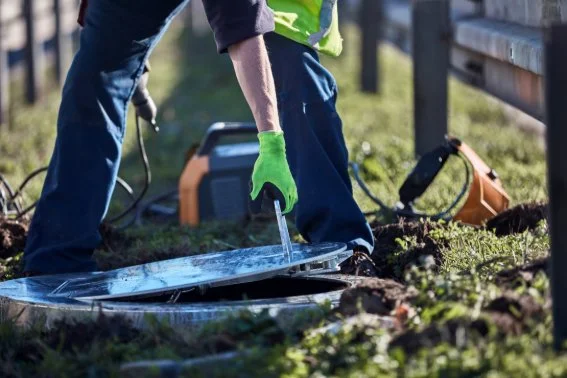
Sewer pipe health represents one of the most critical yet overlooked aspects of home maintenance. Functioning sewer lines prevent costly structural damage, protect household sanitation, and avoid the nightmare of sewage backups that disrupt daily life. Common issues, including clogs, leaks, tree root intrusion, and pipe deterioration, can transform from minor inconveniences into expensive emergencies without proper attention. This guide provides practical steps for identifying and addressing sewer pipe problems before they escalate, helping homeowners protect their investment and maintain a safe living environment.
Recognizing Warning Signs
Early detection makes the difference between simple fixes and major repairs. Slow drains throughout the home—sinks emptying sluggishly, bathtubs holding standing water, or toilets requiring multiple flushes—often indicate developing sewer line problems rather than isolated fixture issues. Unpleasant sewage odors either inside the home or wafting from yard drains signal potential blockages or damaged pipe seals allowing gases to escape. Backups represent more serious warnings, with water or waste returning into fixtures, particularly lower-level drains or basement floor drains during heavy use.
Outside indicators prove equally important. Unusual lawn patches appearing soggy without recent rain, or sections of grass growing noticeably greener and lusher than surrounding areas, frequently mark underground sewer line leaks. These leaks essentially fertilize the soil above, creating distinctive visual patterns that alert observant homeowners to hidden problems beneath their yards.
Initial Troubleshooting
Before calling professionals, conduct basic diagnostic checks. Test multiple drains simultaneously to determine whether problems affect a single fixture or the entire system. Localized issues typically involve individual drain traps, while system-wide slowness points toward main sewer line trouble. Use appropriate basic tools—plungers for simple clogs, drain snakes for deeper obstructions, or enzyme-based cleaners that biologically break down organic matter without harsh effects.
Critically, avoid chemical drain cleaners marketed as quick fixes. These corrosive products can damage aging pipes, harm septic systems, and contaminate groundwater without effectively addressing root causes. They provide temporary relief at best while potentially worsening underlying conditions.
Professional Inspection
When DIY efforts fail or problems persist, professional inspection becomes essential. Modern plumbers employ camera inspection technology, threading video scopes through sewer lines to visually identify blockage locations, pipe damage, and structural integrity. This non-invasive diagnostic approach pinpoints problems precisely without exploratory excavation.
Hydro-jetting uses high-pressure water streams to clear stubborn clogs and scour pipe interiors clean, removing accumulated grease, mineral deposits, and debris that snaking cannot eliminate. Tree root intrusion requires specialized cutting tools that slice through invasive growth and extract root masses blocking flow. Comprehensive pipe condition assessments reveal cracks, corrosion, offset joints, or complete collapse, informing repair strategy decisions.
Repair and Replacement Options
Treatment approaches vary based on damage severity and pipe condition, with licensed plumbers or sewer specialists guiding homeowners through appropriate solutions. Spot repairs address small cracks or isolated leaks through targeted interventions that restore specific damaged sections. Pipe relining, such as what’s offered through professionals like John's Sewer and Drain Cleaning, offers innovative trenchless solutions, inserting resin-coated liners into existing pipes that cure to form new interior surfaces, restoring structural integrity without extensive excavation that destroys landscaping.
Pipe bursting replaces severely compromised lines by breaking old pipes while simultaneously pulling new pipes through the same path, minimizing surface disruption. Full replacement becomes necessary for outdated systems with widespread deterioration, collapsed sections, or materials like Orangeburg or early PVC that have reached the end of their service life. While expensive, a complete replacement provides decades of reliable service and peace of mind.
Preventive Maintenance
Proactive care prevents most sewer emergencies. Schedule professional inspections every three to five years, or more frequently for older homes with mature landscaping. Practice proper disposal habits: never flush grease that solidifies in pipes, wet wipes that don't break down despite "flushable" labels, or foreign objects that cause blockages.
Tree root management proves crucial—plant new trees at least ten feet from sewer lines and consider root barriers that redirect growth away from pipes. Routine cleaning through periodic hydro-jetting or enzyme treatments maintains clear flow and prevents gradual buildup that eventually causes failure.
Sewer pipe problems escalate quickly when ignored, transforming manageable repairs into catastrophic failures requiring emergency response and extensive excavation. Early detection combined with professional expertise saves substantial money and stress while protecting property value. Proactive maintenance care ensures safe, functional, and long-lasting sewer systems that operate reliably for decades, providing homeowners with confidence in their home's most essential infrastructure.