

A resource for those seeking information on organizing and transforming spaces.
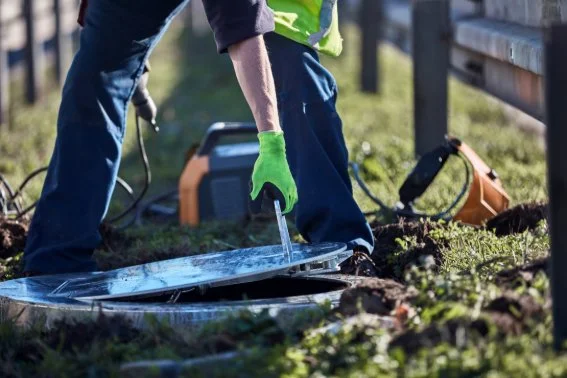
A Homeowner's Guide to Sewer Pipe Repair and Maintenance
Sewer pipe health represents one of the most critical yet overlooked aspects of home maintenance. Functioning sewer lines prevent costly structural damage, protect household sanitation, and avoid the nightmare of sewage backups that disrupt daily life. Common issues, including clogs, leaks, tree root intrusion, and pipe deterioration, can transform from minor inconveniences into expensive emergencies without proper attention. This guide provides practical steps for identifying and addressing sewer pipe problems before they escalate, helping homeowners protect their investment and maintain a safe living environment.
Sewer pipe health represents one of the most critical yet overlooked aspects of home maintenance. Functioning sewer lines prevent costly structural damage, protect household sanitation, and avoid the nightmare of sewage backups that disrupt daily life. Common issues, including clogs, leaks, tree root intrusion, and pipe deterioration, can transform from minor inconveniences into expensive emergencies without proper attention. This guide provides practical steps for identifying and addressing sewer pipe problems before they escalate, helping homeowners protect their investment and maintain a safe living environment.
Recognizing Warning Signs
Early detection makes the difference between simple fixes and major repairs. Slow drains throughout the home—sinks emptying sluggishly, bathtubs holding standing water, or toilets requiring multiple flushes—often indicate developing sewer line problems rather than isolated fixture issues. Unpleasant sewage odors either inside the home or wafting from yard drains signal potential blockages or damaged pipe seals allowing gases to escape. Backups represent more serious warnings, with water or waste returning into fixtures, particularly lower-level drains or basement floor drains during heavy use.
Outside indicators prove equally important. Unusual lawn patches appearing soggy without recent rain, or sections of grass growing noticeably greener and lusher than surrounding areas, frequently mark underground sewer line leaks. These leaks essentially fertilize the soil above, creating distinctive visual patterns that alert observant homeowners to hidden problems beneath their yards.
Initial Troubleshooting
Before calling professionals, conduct basic diagnostic checks. Test multiple drains simultaneously to determine whether problems affect a single fixture or the entire system. Localized issues typically involve individual drain traps, while system-wide slowness points toward main sewer line trouble. Use appropriate basic tools—plungers for simple clogs, drain snakes for deeper obstructions, or enzyme-based cleaners that biologically break down organic matter without harsh effects.
Critically, avoid chemical drain cleaners marketed as quick fixes. These corrosive products can damage aging pipes, harm septic systems, and contaminate groundwater without effectively addressing root causes. They provide temporary relief at best while potentially worsening underlying conditions.
Professional Inspection
When DIY efforts fail or problems persist, professional inspection becomes essential. Modern plumbers employ camera inspection technology, threading video scopes through sewer lines to visually identify blockage locations, pipe damage, and structural integrity. This non-invasive diagnostic approach pinpoints problems precisely without exploratory excavation.
Hydro-jetting uses high-pressure water streams to clear stubborn clogs and scour pipe interiors clean, removing accumulated grease, mineral deposits, and debris that snaking cannot eliminate. Tree root intrusion requires specialized cutting tools that slice through invasive growth and extract root masses blocking flow. Comprehensive pipe condition assessments reveal cracks, corrosion, offset joints, or complete collapse, informing repair strategy decisions.
Repair and Replacement Options
Treatment approaches vary based on damage severity and pipe condition, with licensed plumbers or sewer specialists guiding homeowners through appropriate solutions. Spot repairs address small cracks or isolated leaks through targeted interventions that restore specific damaged sections. Pipe relining, such as what’s offered through professionals like John's Sewer and Drain Cleaning, offers innovative trenchless solutions, inserting resin-coated liners into existing pipes that cure to form new interior surfaces, restoring structural integrity without extensive excavation that destroys landscaping.
Pipe bursting replaces severely compromised lines by breaking old pipes while simultaneously pulling new pipes through the same path, minimizing surface disruption. Full replacement becomes necessary for outdated systems with widespread deterioration, collapsed sections, or materials like Orangeburg or early PVC that have reached the end of their service life. While expensive, a complete replacement provides decades of reliable service and peace of mind.
Preventive Maintenance
Proactive care prevents most sewer emergencies. Schedule professional inspections every three to five years, or more frequently for older homes with mature landscaping. Practice proper disposal habits: never flush grease that solidifies in pipes, wet wipes that don't break down despite "flushable" labels, or foreign objects that cause blockages.
Tree root management proves crucial—plant new trees at least ten feet from sewer lines and consider root barriers that redirect growth away from pipes. Routine cleaning through periodic hydro-jetting or enzyme treatments maintains clear flow and prevents gradual buildup that eventually causes failure.
Sewer pipe problems escalate quickly when ignored, transforming manageable repairs into catastrophic failures requiring emergency response and extensive excavation. Early detection combined with professional expertise saves substantial money and stress while protecting property value. Proactive maintenance care ensures safe, functional, and long-lasting sewer systems that operate reliably for decades, providing homeowners with confidence in their home's most essential infrastructure.

How to Know When Your AC Needs Maintenance or Repair
A properly functioning air conditioning system is essential for comfort, especially during the warmer months. Yet, many homeowners overlook the early signs that their AC unit may be struggling. Ignoring these signals can lead to higher energy bills, costly repairs, and even complete system failure. Understanding when your AC needs maintenance or repair can save you time, money, and discomfort. This article outlines the most common indicators that your air conditioner requires attention and offers practical tips for keeping it in top shape.
A properly functioning air conditioning system is essential for comfort, especially during the warmer months. Yet, many homeowners overlook the early signs that their AC unit may be struggling. Ignoring these signals can lead to higher energy bills, costly repairs, and even complete system failure. Understanding when your AC needs maintenance or repair can save you time, money, and discomfort. This article outlines the most common indicators that your air conditioner requires attention and offers practical tips for keeping it in top shape.
Common Signs Your AC Needs Attention
Unusual Noises
Air conditioners are designed to operate quietly. If you start hearing grinding, squealing, or banging sounds, it's a clear sign that something is wrong. Grinding noises may indicate worn-out bearings in the motor, while squealing could point to a belt issue. Banging sounds often suggest loose or broken parts inside the unit. These noises should never be ignored, as they can quickly escalate into more serious mechanical problems.
Weak Airflow
If your AC is running but the airflow feels weak or insufficient, it could be due to a clogged air filter, blocked ductwork, or a failing compressor. Weak airflow reduces the system’s ability to cool your home efficiently and may cause uneven temperatures across rooms. Regularly checking and replacing filters can help, but persistent issues should be evaluated by a professional, such as someone like McIntosh Heating & Cooling.
Inconsistent Temperatures
Are some rooms in your home significantly warmer or cooler than others? Inconsistent temperatures can be a sign of thermostat malfunctions, sensor issues, or problems with the duct system. It may also indicate that your AC unit is struggling to maintain a consistent output, which could be due to aging components or poor calibration.
Excess Moisture or Leaks
While some condensation around your AC unit is normal, excessive moisture or visible leaks are not. Water pooling near the system could be a sign of a blocked or broken drain tube. More concerning are refrigerant leaks, which not only impair cooling performance but can also pose health risks. If you notice any unexplained moisture, it's best to have the unit inspected immediately.
Strange Odors
Unpleasant smells coming from your AC vents are another red flag. A musty odor often indicates mold or mildew growth inside the unit or ductwork, which can affect indoor air quality. A burning smell, on the other hand, may suggest electrical issues or overheating components. Both scenarios warrant prompt professional attention.
Performance and Efficiency Red Flags
Rising Energy Bills
One of the most telling signs of an inefficient AC system is a sudden spike in your monthly energy bills. If your usage habits haven’t changed and yet your costs have increased, your AC may be working harder than it should to maintain desired temperatures. This inefficiency could stem from dirty coils, low refrigerant levels, or aging parts that need replacement.
Frequent Cycling
Your AC should cycle on and off at regular intervals to maintain a consistent indoor temperature. If it’s turning on and off more frequently than usual, it could be due to a malfunctioning thermostat, electrical issues, or an oversized unit. Frequent cycling not only reduces your unit’s efficiency but also puts extra strain on the system, shortening its lifespan.
Ice Formation on Coils
Ice buildup on the evaporator coils is a clear sign that something is wrong. This can be caused by restricted airflow, low refrigerant levels, or dirty coils. While it may seem counterintuitive, ice on your AC unit actually reduces its ability to cool your home. If you notice ice forming, turn off the system and call a technician to diagnose the issue.
When to Call a Professional
While some minor maintenance tasks can be handled by homeowners—like changing filters or clearing debris from the outdoor unit—many issues require professional expertise. Electrical problems, refrigerant leaks, and mechanical failures should always be addressed by certified technicians. Attempting DIY repairs on complex components can be dangerous and may void your warranty.
If you notice persistent issues or warning signs, it's best to contact an AC repair specialist who can accurately diagnose and resolve the problem. Experts recommend scheduling professional maintenance at least once a year, ideally before the cooling season begins. A technician can inspect the system, clean internal components, check refrigerant levels, and ensure everything is operating efficiently. Regular maintenance not only extends the life of your AC but also helps catch potential problems before they become major repairs.
Preventive Maintenance Tips
Preventive care is the best way to avoid unexpected breakdowns and keep your AC running smoothly. Here are a few simple steps you can take:
Replace filters regularly: Depending on usage and household conditions, filters should be changed every 1–3 months.
Keep the outdoor unit clean: Remove leaves, dirt, and debris from around the condenser to ensure proper airflow.
Check thermostat settings: Make sure your thermostat is calibrated correctly and set to an efficient temperature.
Inspect insulation: Proper insulation helps your AC work less to maintain indoor comfort.
Schedule annual tune-ups: A professional inspection can catch issues early and optimize performance.
Recognizing the signs that your air conditioner needs maintenance or repair is crucial for maintaining a comfortable and energy-efficient home. From strange noises and weak airflow to rising energy bills and ice buildup, these warning signals should never be ignored. By staying proactive with preventive maintenance and knowing when to call in a professional, you can extend the life of your AC system and avoid costly surprises. A well-maintained air conditioner doesn’t just cool your home—it brings peace of mind.

The Cycle Of Household Damage
Household damage rarely happens overnight. Small problems often grow into larger ones, and once a cycle begins, it can feel endless. Recognizing how issues start and how they progress is key to breaking the pattern and protecting your home from recurring damage.
Household damage rarely happens overnight. Small problems often grow into larger ones, and once a cycle begins, it can feel endless. Recognizing how issues start and how they progress is key to breaking the pattern and protecting your home from recurring damage.
Water Damage as the Starting Point
Many cycles begin with water. A slow roof leak, a dripping pipe, or poor drainage near the foundation introduces moisture into areas that should stay dry. Over time, this weakens materials, encourages mold growth, and creates an environment that accelerates other types of damage. Left unchecked, water intrusion can undermine structural integrity and lead to costly repairs.
Structural Weakness and Wear
Once moisture has taken hold, materials such as wood, drywall, and flooring lose their strength. Cracks may appear in walls, floors can warp, and ceilings may sag. These weak points then open the door to further issues, such as pests or additional water intrusion, creating a repeating cycle of deterioration. What starts as a minor repair can quickly expand into a widespread problem across different parts of the home.
The Role of Pests in Damage
Household pests thrive in environments where structural weaknesses already exist. Rodents and insects can enter through cracks or gaps caused by earlier water or structural damage. Once inside, they can chew wires, nest in insulation, and contaminate surfaces. Addressing these issues often requires professional pest control, but prevention through proper maintenance is just as important.
How Small Problems Lead to Bigger Costs
The cycle of household damage intensifies when small, overlooked issues grow into larger ones. For example, a minor roof leak can lead to mold in the attic, which then weakens beams, allowing pests to move in. Each stage builds on the previous one, making repairs more extensive and expensive.
The best way to stop the cycle is through consistent attention and early action. Regular inspections of roofing, plumbing, and foundations can prevent water damage from starting the chain. Promptly sealing cracks and maintaining ventilation reduces moisture and discourages pests. Proactive care can save time, stress, and money while keeping the home safe and sound. For more information, look over the infographic below.


Your Home’s Secret Expiration Dates: What You Need To Know
Every home has hidden timelines that impact safety, efficiency, and long-term value. Recognizing these “expiration dates” can prevent costly repairs and maintain comfort. Certain components of your house wear out more quickly than homeowners expect, often quietly signaling their end of life.
Every home has hidden timelines that impact safety, efficiency, and long-term value. Recognizing these “expiration dates” can prevent costly repairs and maintain comfort. Certain components of your house wear out more quickly than homeowners expect, often quietly signaling their end of life.
Roofing Lifespan and Replacement
Roofs are one of the most critical areas to monitor. Asphalt shingles typically last 20 to 25 years, while metal or slate roofing can extend to 50 years or more. Watch for curling, missing, or discolored shingles, as these indicate it may be time for a roof replacement. Ignoring early signs of damage can lead to leaks, mold growth, and structural problems.
HVAC and Plumbing Systems
Heating, ventilation, and air conditioning systems generally have a lifespan of 10 to 15 years. Regular servicing can prolong their efficiency, but older units often consume more energy and fail more frequently. Similarly, plumbing components such as water heaters last about 8 to 12 years, and galvanized pipes can corrode over 50 years. Routine inspections help identify weaknesses before they cause significant damage.
Appliances and Interior Fixtures
Major appliances like refrigerators, ovens, and washing machines often have a practical lifespan of 10 to 15 years. Kitchen cabinets and countertops, while visually durable, may show wear after 20 years or more, especially in high-traffic areas. Flooring materials such as hardwood and carpet also degrade over time, with hardwood lasting up to 100 years if maintained, but carpet needing replacement every 10 to 15 years.
Windows, Insulation, and Paint
Windows and insulation contribute to energy efficiency. Vinyl windows generally last 20 to 40 years, while insulation can lose effectiveness after 20 to 30 years. Exterior paint or siding typically requires attention every 5 to 15 years depending on weather exposure. Timely maintenance prevents moisture intrusion and structural decay.
Knowing these timelines allows homeowners to plan renovations, budget for replacements, and maintain a safe environment. Regularly assessing your home’s components ensures they operate at peak performance and helps avoid unexpected emergencies. Recognizing when parts of your home are nearing the end of their life cycle protects both the structure and your investment. For more information, look over the infographic below.
