
Clear Signs You’ll Need New Mulch Next Spring
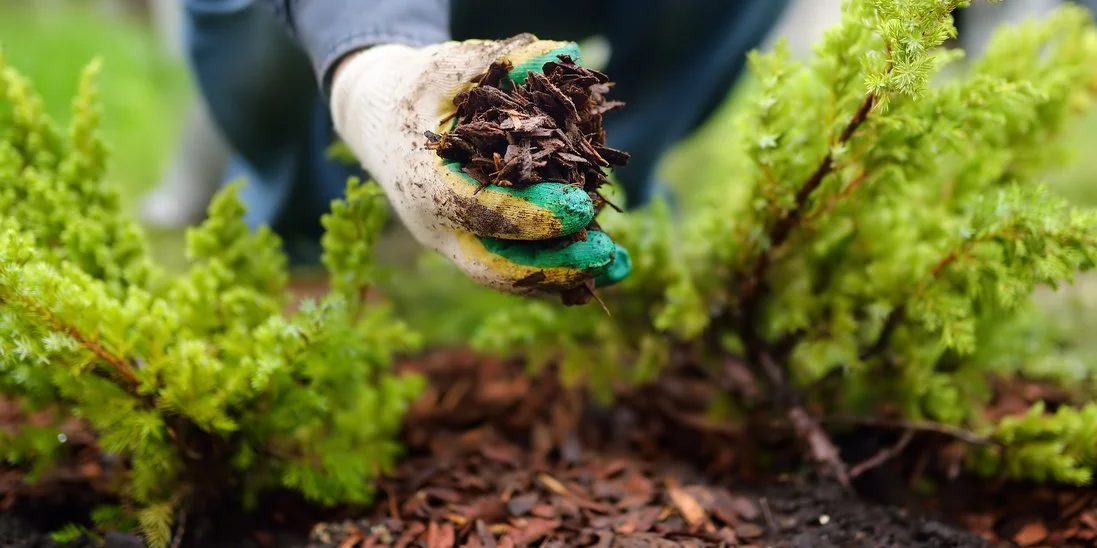
If you’re already dreaming of sunny spring days and getting your garden ready, you’re not alone. Planning ahead is a great way to make sure your yard looks its best. One of the most important tasks is checking on your mulch. Over winter, mulch can break down or wash away, leaving your plants without the protection they need.
Knowing the signs of old or ineffective mulch can help you get a head start on your spring gardening to-do list. Let’s look at a few clear signs you’ll need new mulch next spring and what to watch for so that your garden beds are healthy and beautiful.
Your Mulch Looks Thin and Patchy
Walk around your garden beds and take a close look at the mulch layer. Do you see bare spots where the soil is peeking through? Can you easily see the fabric liner underneath? A healthy layer of mulch should be about two to three inches deep. This depth keeps weeds down and holds moisture in the soil.
If your mulch looks thin and uneven, it’s a clear signal that it has decomposed or been displaced by winter wind and rain. You’ll need to add a fresh layer to restore its protective benefits.
The Color Has Faded
Fresh mulch has a rich, vibrant color, whether it’s reddish-brown, dark brown, or black. Over time, sun and rain will cause that color to fade to a dull gray. While faded mulch isn’t necessarily a problem for soil health, it does make your garden beds look tired and less appealing.
If the appearance of your landscaping is important to you, faded color is a definite sign that it’s time for a refresh. A new layer will instantly boost your home’s curb appeal.
Weeds Are Popping Up Everywhere
One of the main jobs of mulch is to prevent weeds from sprouting. It does this by blocking sunlight from reaching the weed seeds in the soil. If you notice a lot of new weeds coming up through your mulch, it’s a strong indicator that your mulch layer is too thin or has broken down too much to be effective. Before you add new mulch, make sure to pull out any existing weeds to give your garden a clean start.
You See Signs of Pests or Disease
Take a moment to inspect your old mulch for signs of trouble. Look for things like fungus, mold, or insects. Sometimes, old, compacted mulch can create a damp environment that invites pests or plant diseases.
You might also find that mixing mulch, soil, and rocks creates drainage issues or harbors unwanted guests. If you notice any of these problems, it’s best to remove the old material completely before adding a fresh, clean layer in the spring.
Refresh Your Garden This Spring
Being watchful for the signs you’ll need new mulch next spring saves you time and effort when the busy season arrives. A fresh layer does more than just make your garden look good; it helps your plants thrive by:
Retaining soil moisture
Suppressing weeds
Regulating soil temperature
By adding “check the mulch” to your winter checklist, you set yourself up for a beautiful and healthy garden that you can enjoy all season long.