
Hidden Secrets of a Basement: Red Flags in Your Home
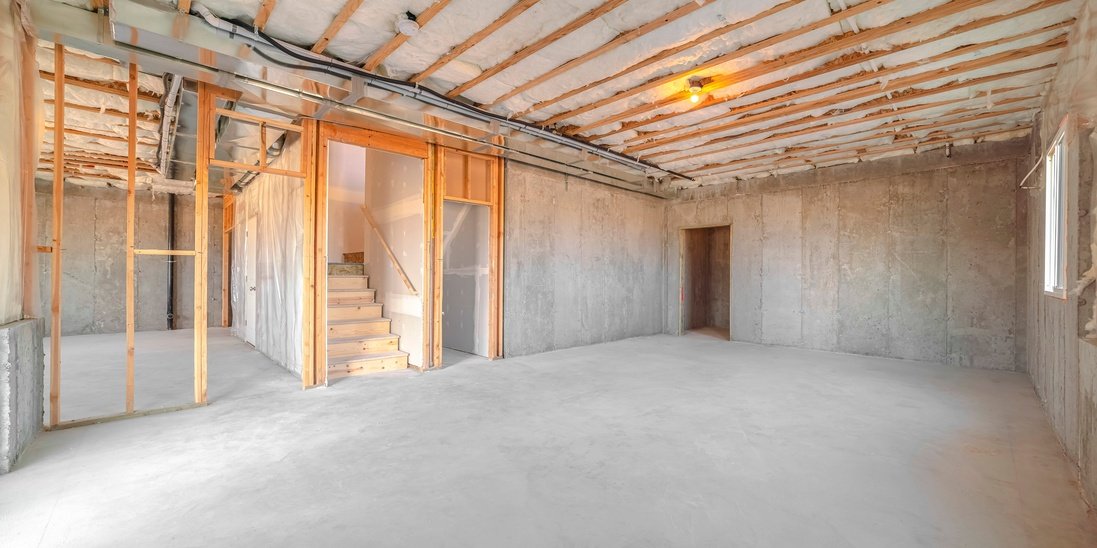
Your basement is a wonderful bonus space—perfect for a playroom, home office, or extra storage. But it can also hide serious problems that affect your home’s health and safety. Knowing what red flags are in your home can save you time, money, and stress. Let’s uncover the hidden secrets of a basement.
Signs of Water Damage
Water is a basement’s number one enemy. Even small leaks can lead to big problems, so you need to spot the signs early.
Look for discolored patches or streaks on the walls and floors. These stains, often yellow or brown, show where water has been. You might also notice peeling paint or bubbling wallpaper, which indicates trapped moisture behind the surface. A damp, musty smell is another clear giveaway that you have a moisture issue, even if you can’t see a visible leak.
Cracks in the Foundation
Finding cracks in your basement walls or floor is alarming. While some small, hairline cracks are normal as a house settles, others can signal serious structural issues.
Pay close attention to these types of cracks:
Horizontal Cracks: These often indicate pressure from the soil or water outside, which can cause your walls to bow inward.
Stair-Step Cracks: Cracks that run in a zig-zag pattern through concrete blocks or bricks can mean the foundation is settling unevenly.
Wide Cracks: Any crack wider than a quarter of an inch needs a professional evaluation.
Ignoring these warnings could compromise your home’s entire structure, so address them quickly.
Watch Out for Mold and Mildew
Where there’s moisture, mold and mildew are sure to follow. These fungi can grow on walls, ceilings, and even stored items. Mold often appears as black, green, or white patches and can have a fuzzy or slimy texture.
Mold damages your home and poses health risks, triggering allergies and respiratory problems for your family. It’s important to act fast if you see or smell mold. For small areas, a simple cleaning solution might work. For larger infestations, you will need professional help.
After cleaning, you must fix the underlying moisture problem to prevent the mold from returning. If you have ongoing issues, you will need to choose the right mitigation system for your basement to keep it dry for good.
Pest Infestations
Basements provide a dark, quiet shelter for pests like insects and rodents. Look for droppings, nests made of shredded paper or fabric, and gnaw marks on wood or boxes.
Small holes in the foundation or gaps around pipes are common entry points for these unwanted guests. Sealing these openings and keeping your basement clean and dry can keep pests away.
By regularly checking your home’s basement for these red flags, you can catch problems before they become costly and dangerous. A safe and dry basement means a healthier home for you and your loved ones. If you spot any of these issues, don’t hesitate to contact a professional for an inspection.