
Nature At Home: Biophilic Touchpoints That Transform Interiors
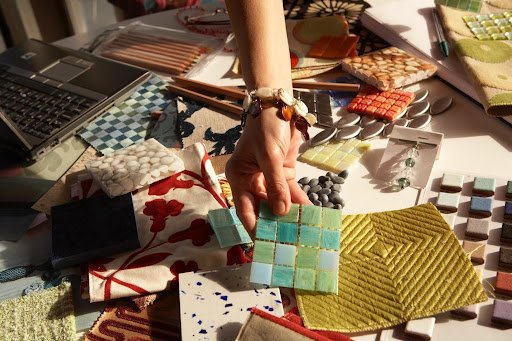
Biophilic design focuses on strengthening the connection between people and nature within built environments. In home interiors, this approach is less about dramatic statements and more about thoughtful touchpoints that quietly improve comfort, mood, and daily experience. By integrating natural elements in practical ways, homeowners can create spaces that feel grounded and restorative without sacrificing function or style.
Natural Materials as Everyday Anchors
Wood, stone, clay, and natural fibers form the foundation of biophilic interiors. Exposed wood beams, hardwood flooring, or stone countertops introduce visual warmth and tactile interest. These materials age gracefully, developing character over time rather than appearing worn. Even small additions like linen upholstery, jute rugs, or ceramic accessories can reinforce a sense of material honesty throughout the home.
Daylight as a Design Driver
Access to natural light is one of the most impactful biophilic touchpoints. Large windows, clerestory glazing, and glass doors support circadian rhythms while reducing reliance on artificial lighting. Sheer window treatments allow daylight to diffuse without sacrificing privacy. Thoughtful orientation, often considered during the development of semi-custom home floor plans, helps maximize light penetration across shared living spaces.
Plants as Living Infrastructure
Indoor plants serve both aesthetic and environmental roles. Beyond visual appeal, they support humidity regulation and air quality. Placement matters more than volume. A tall plant in a corner can soften hard edges, while herbs in a kitchen window reinforce daily interaction with living elements. Consistency across rooms creates a subtle rhythm rather than a decorative afterthought.
Nature-Inspired Patterns and Colors
Biophilic design also extends to visual references. Organic patterns, muted earth tones, and textures inspired by leaves, water, or terrain can be integrated through textiles, wall finishes, and artwork. These elements provide visual continuity with the outdoors, especially in urban or colder climates where direct access to nature may be limited.
Sensory Variety and Movement
Nature is dynamic, and interiors benefit from variation. Operable windows that allow fresh air, water features that introduce gentle sound, or textured surfaces that invite touch add layers of sensory engagement. These details contribute to spaces that feel alive rather than static.
Biophilic touchpoints do not require a complete redesign. Small, intentional choices layered over time can reshape how a home feels and functions. Look over the infographic below for more tips and tricks.
