
The Homeowner’s Guide to Asphalt Driveway Maintenance
We partnered with a home improvement company for this post. The opinions in the post are honest. All reviews and opinions expressed in this post are based on our personal views. We are excited because we know you will love it.
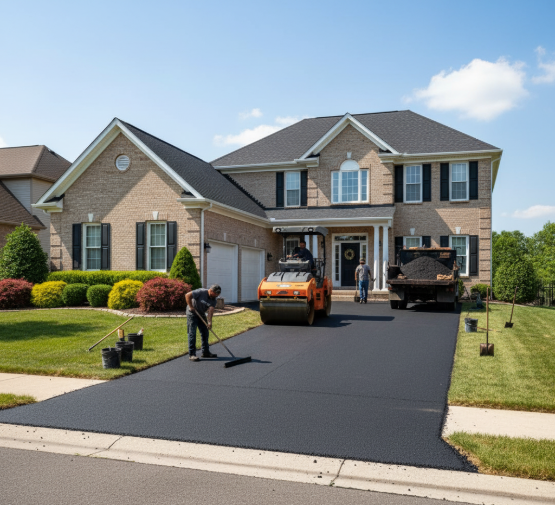
When your asphalt driveway was brand new, it probably looked like something out of a home magazine - jet black, perfectly smooth, and adding instant curb appeal. Fast forward a few years, and maybe you’ve noticed a few cracks, a pothole that seems to grow every time it rains, or that faded gray look that makes the whole house feel older.
Here’s the truth: asphalt driveways don’t stay beautiful on their own. They need a little love and care - much like your car or your lawn. The good news? With the right approach, you can keep your driveway looking sharp and lasting 20 years or more.
Why Maintenance Is Worth Your Time
Neglected asphalt breaks down faster than you’d think. Sunlight dries it out, rain seeps in and erodes the base, and oil drips from your car leave stains that never seem to fade. What starts as a small crack can quickly turn into a spiderweb of damage or a full-blown pothole.
Regular upkeep does more than save you money on repairs - it protects your home’s value, keeps your property safe, and makes pulling into your driveway every day feel good instead of frustrating.
The Essentials of Driveway Care
Think of asphalt maintenance as three main habits: cleaning, sealing, and fixing problems early.
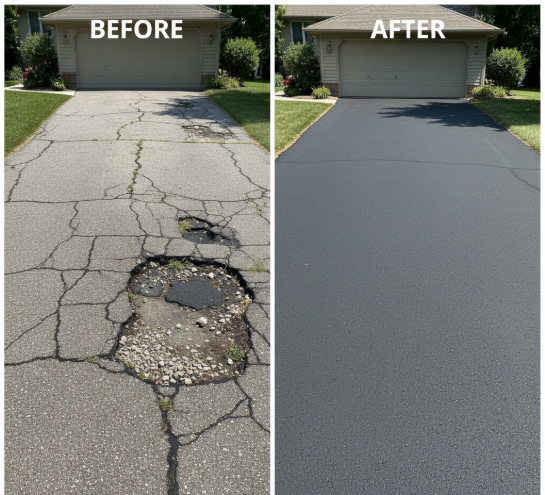
Clean and inspect. A quick sweep now and then keeps debris from collecting, while a once-a-year power wash clears out oil stains and grit. The real trick? Do a walk-around after heavy rain. If you see puddles, water’s already finding weak spots.
Sealcoat every few years. This is like sunscreen for your driveway. A fresh seal every two to three years protects the surface from UV rays, rain, and chemical spills, while restoring that rich black color. Homeowners can DIY this, but professionals get longer-lasting, more even results.
Fix small cracks before they grow. A half-inch crack may not seem like much, but once water sneaks in, it’s game over. A bottle of rubberized crack filler from the hardware store is usually enough to stop the spread. For potholes, small ones can be patched, but if the damage looks like “alligator skin,” it’s time to call in the pros.
Seasonal Driveway Tips
Every season brings its own challenges. In winter, swap metal shovels for plastic and use asphalt-friendly de-icers. Spring is the time to check for new cracks and schedule sealcoating if needed. Summer heat brings oil leaks - catch them early. And in the fall, keep leaves cleared so they don’t trap moisture.
When It’s Time to Call the Experts
DIY maintenance goes a long way, but there’s a point when professional help pays for itself. If you’ve got widespread cracking, drainage issues, or a driveway that hasn’t been sealed in more than five years, a contractor can restore structure and strength before replacement becomes the only option.
The Cost of Doing It Right
Crack filling might run you a few dollars a foot, and sealcoating usually costs pennies per square foot. Compare that to a full replacement - often between $4,000 and $10,000 - and you’ll see why maintenance is money well spent.
Wrapping It Up
Your driveway is more than just a place to park. It’s part of your home’s first impression, a safeguard against wear and tear on your vehicles, and - when cared for properly - an investment that pays off year after year. A little attention now means fewer headaches later, and it keeps your home looking every bit as sharp as the day you moved in.
So the next time you’re tempted to ignore that little crack or chalky gray surface, remember: your driveway’s not asking for much. Just a clean sweep, a fresh coat now and then, and a watchful eye. Do that, and it’ll serve you faithfully for decades.
Want to learn more? Check out of our asphalt paving services.